







Taking a bath is trendy Among new luxury products and aesthetic videos on TikTok, the bathroom becomes a cult ritual again
Every era has its own symbolic self-care space. In 2010, it was the kitchen: wellness was redefined through food, from quinoa and superfoods to energizing smoothies. In 2020, it was the living room: an extension of the body during months of isolation, becoming the stage for digital fitness and streaming workouts. In 2025, it’s the bathroom: the space that Gen Z (followed closely by Millennials) has chosen as the new epicenter of daily wellness. An intimate, hyper-sensory place that becomes a visual ritual, with increasingly complex skincare routines, everything showers turning into full-fledged rituals, and baths transforming into small domestic choreographies with candles, warm teas, bath salts, and soft lighting.
Bathtok between relaxation and aesthetics: how TikTok made us rediscover the ancient practice of bathing
In the age of performance, the bath has become a moment to disconnect and slow down, even (and especially) away from smartphones. The need is not just practical: it’s an act of decompression, a ritual that rejects efficiency as the sole goal and restores the value of time dedicated to oneself. This does not exclude, in many cases, a strong aesthetic component (we are, after all, in the social media era), expressed in videos that now go viral on TikTok, where #BathTok is trending and the #Bath tag has reached 15.5 billion views. This trend reflects not only a desire for wellness but also a sophisticated form of aesthetic performance: every detail is curated - the placement of oils, candles, the chosen bath bomb - turning the bathtub into an intimate, yet shared set.
@by.emmaleah me at 5pm every sunday evening
The bath trend in numbers
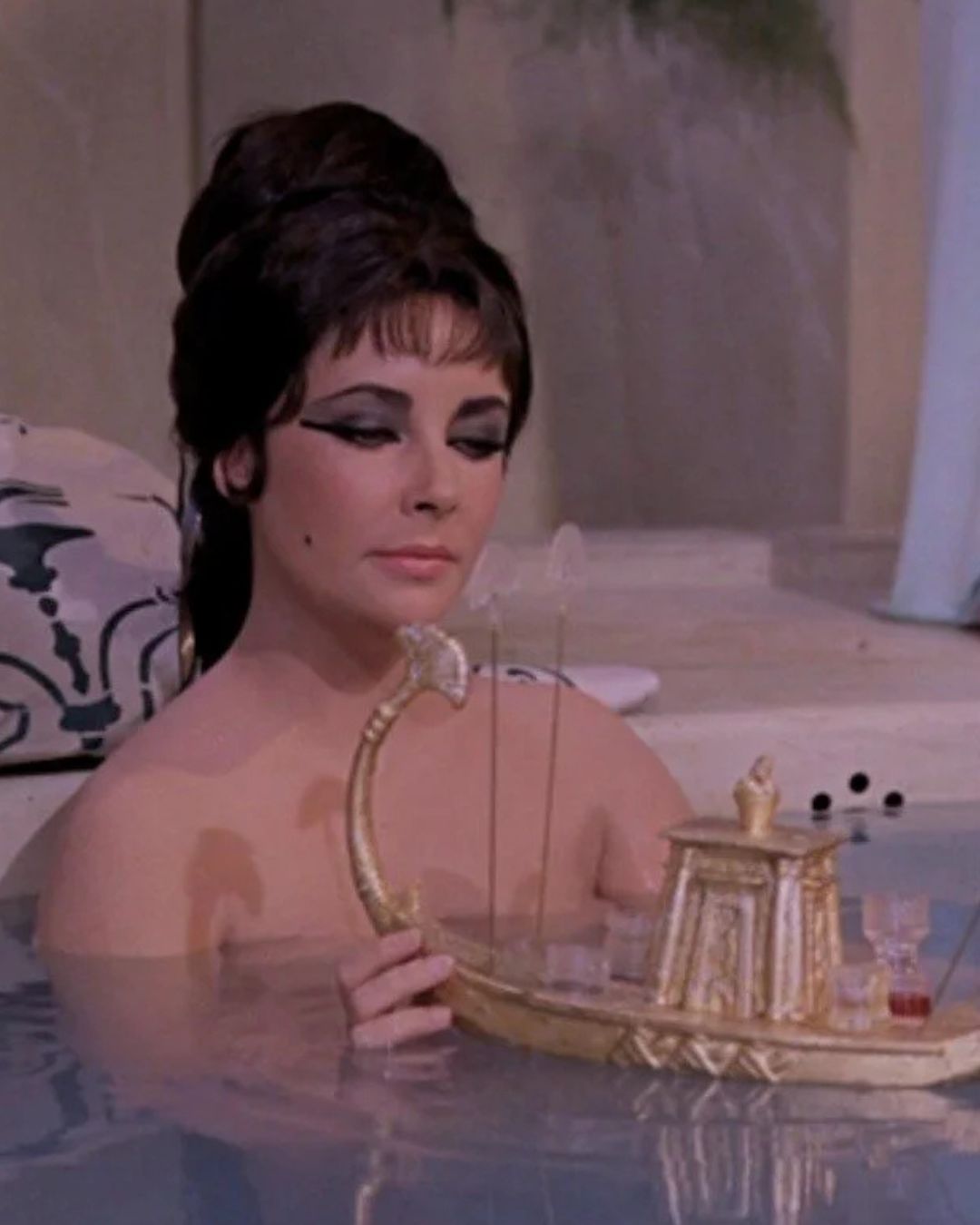
And then there are the numbers, confirming that this is not a passing fad, but a rapidly growing segment of the beauty world: according to Fortune Business Insights, the global bath and shower products market is expected to reach around $54 billion in 2025, rising to approximately $80 billion by 2032. Many brands are riding this "ritual" revival. There are niche brands like 39BC, created by Sharmadean Reid (founder of WAH Nails and Beautystack), inspired by the bath as a historical ritual. In her first line of scented oils, Alexandria, she evokes the love story of Cleopatra and Mark Antony, with notes like musk and jasmine, historically used to scent bath water in Ancient Egypt. Established perfume houses have also shown interest in this segment: Kilian, with the new Body Care line and scented candles, emphasizes bathroom aesthetics and comfort; Perfumer H and Diptyque have successfully introduced high-end body washes, exfoliating treatments, soaps, and hand care products.
@galen_crawley 1am bathtime thoughts #bubblebath #meditation #relaxingvideos @Crystal Bar Soap @LUSH Bless the Telephone - Labi Siffre
The economy of beauty rituals, or ritual economy
Interest in the bath as a ritual is part of a broader, deeper movement—known as the "ritual economy"—where consumers are not just looking for products, but for experiences with sensory and cultural value, offering a psychological anchor amid the chaos of modern life. Gen Z, raised amid climate anxiety, precariousness, and hyperconnectivity, uses rituals as emotional structures: a way to bring order to chaos. Even better if these rituals provide tangible benefits, as baths have proven to do: studies show regular hot baths can reduce stress, promote physical recovery, and positively affect cardiovascular health. "As the world becomes increasingly chaotic, people crave simplicity, moments that anchor them in the present," explained Lindsey Bro to Vogue Business, author of Thermal: Saunas, Hot Springs & Baths. "A bath invites mindfulness; it fully transports us to the here and now. Whatever the reason for bathing, ultimately it’s about reconnecting - with oneself, with others, with nature - in a way that remains accessible to most people."
@elysian.living Run a cozy fall morning bath with me
The rediscovery of water
This revival also concerns the communal aspect of water: urban spas, bathhouses, and wellness centers with pools, saunas, and hammams are experiencing a return to popularity. For brands, the opportunity is twofold: not just bath products, but also the storytelling and creation of collective experiences, spa rituals, and collaborations between beauty brands and wellness destinations. The bathroom thus ceases to be just a place for cleansing: it becomes an emotional stage, an act of resistance to overload, a deeply personal self-care moment. For the beauty industry, it represents a strategic space: not only economically, but culturally, as a realm of storytelling, authenticity, and regeneration.