





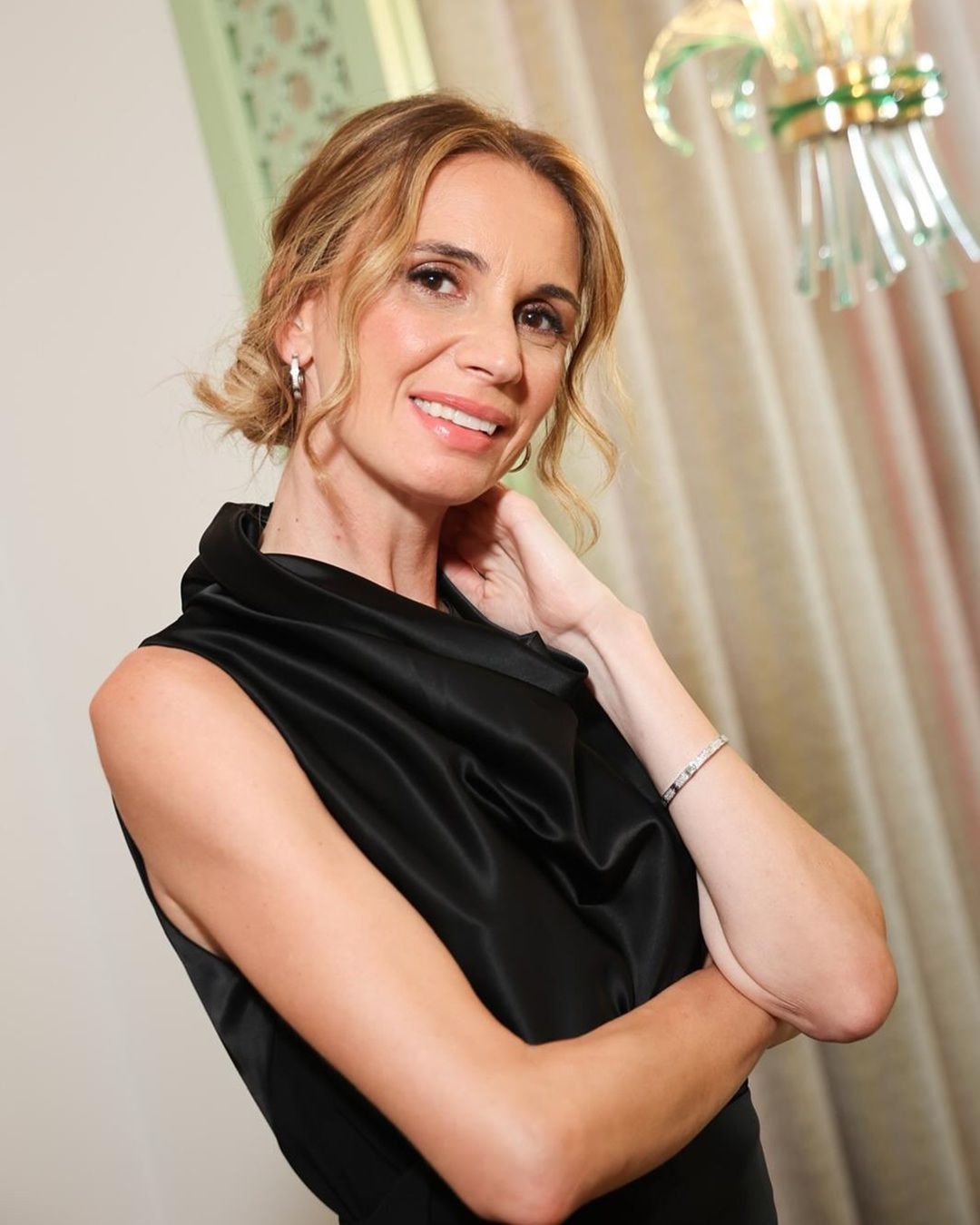





"Diet doesn't exist": Achille Mariani and the lie of easy weigh loss In his new book, the nutritionist debunks the myths surrounding weight loss, starting with Ozempic
In recent years, the body has once again become a battlefield, though perhaps it never really stopped being one. On one side, there’s the relentless push for perfection coming from social media, advertisements, and celebrities who change their silhouettes as easily as they change outfits. On the other, a generation increasingly tired of feeling “wrong,” trapped in an endless loop of restrictive meal plans, forbidden foods, sacrifices, and restarts. In between lies the new illusion of Ozempic, Wegovy, and their lookalikes, the so-called weight loss injections originally created to treat diabetes, now turned into viral shortcuts to rapid transformation. It’s within this cultural fever that La dieta non esiste (Autoritas Editore), the new book by nutritionist Achille Mariani, arrives, a work that firmly, and almost counterculturally, dismantles the very idea of “diet” as the only path to well-being.
The mirage of the perfect body
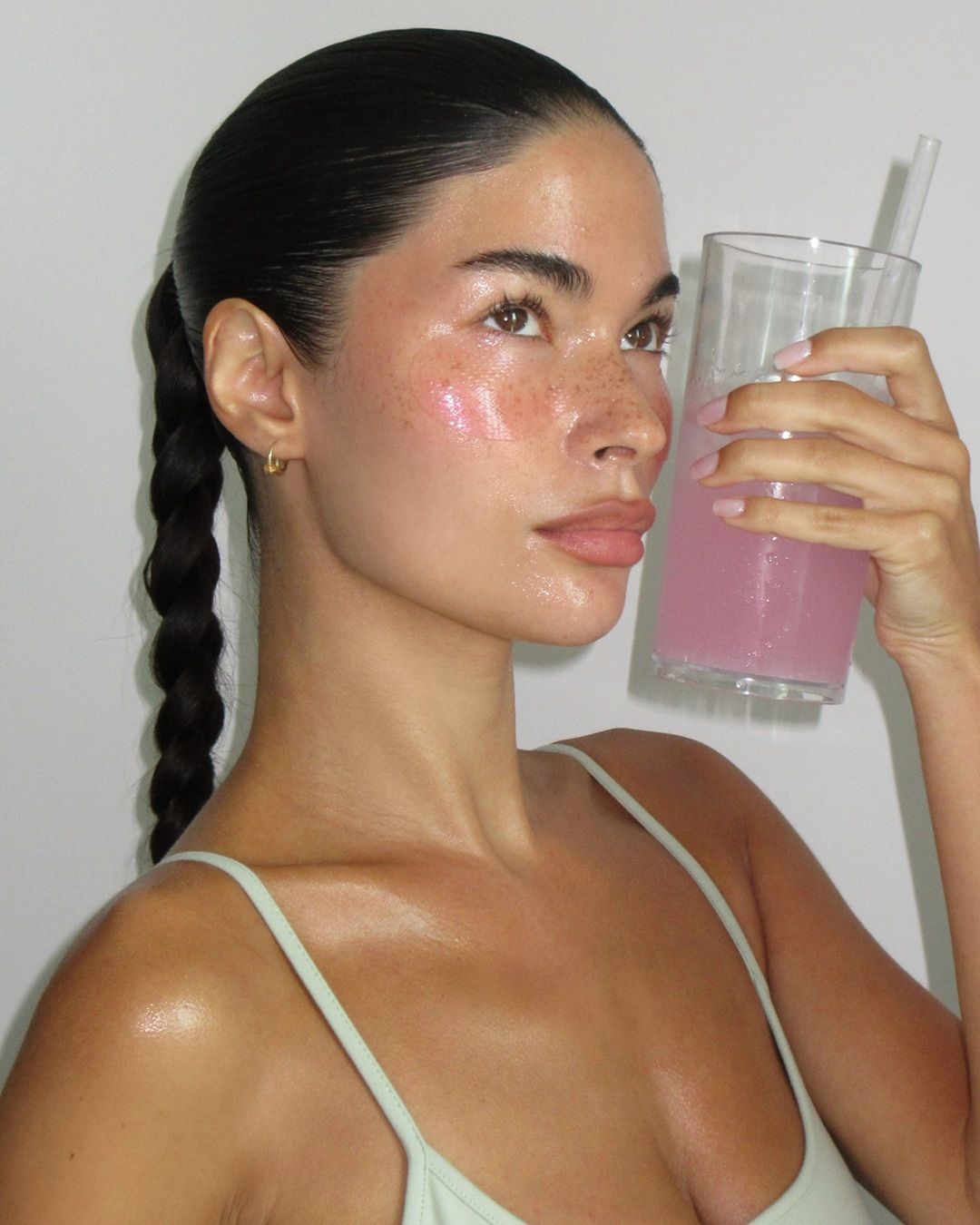
Scrolling through our feeds, it’s impossible not to notice the constant presence of faces and bodies transformed in the blink of an eye. Hollywood stars and TikTok influencers talk about “new energy” or “natural methods,” show “what I eat in a day,” or film themselves doing Pilates in their sleek matching sets, but behind the scenes, as insiders reveal, there’s often a syringe. Weight loss injections have become the new wellness status symbol: expensive, sophisticated, and, most importantly, Instagrammable. But Mariani sounds the alarm: “The idea that there’s a shortcut to weight loss is a dangerous lie. These drugs may make sense only in very specific cases and under strict medical supervision. The massive, trend-driven use is causing damage that we’ll see not only in people’s bodies but in their minds.” The consequences, he warns, are both physical and cultural. On one side, the side effects: nausea, loss of lean mass, hormonal imbalances, mood disturbances. On the other, the toxic message that beauty equals thinness, that well-being is tied to a falling number on the scale, that health is something you can buy instead of build, patiently, intentionally, through balanced nutrition, movement, and medical guidance.
@belafernandez What I eat in a day to lose fat and get lean Longer full vid on my YT Total: 1,950 calories 160g protein Breakfast: Greek yogurt Freeze dried Strawberries Dark chocolate Honey Lunch: Fillet steak Coconut Apple Dinner: Beef mince, lettuce, beans, peppers, Pickles, tomatoes, cheese, Greek yogurt Taco seasoning, onions Dessert: Cottage cheese ice cream (Full recipe on my page, last video I uploaded) @belasfitguide @belafernandez Wearing: @alphalete code bela #whatieayinaday #wieiad what i eat for weightloss #gym #fatloss Hung Up x 212 Sophia Nicole Remix - Sophia
The biological time we’ve forgotten
In his book, Mariani insists that our obsession with dieting is no longer just a nutritional issue, it’s a cultural one. We live in an era that has turned the body into a project: to be updated, retouched, optimized. Social media reminds us every day what we “should” be, thinner, tighter, more “in control.” But in this endless scroll of flawless images, we’ve lost something essential: biological time, the kind that cannot be accelerated, filtered, or condensed into a “before & after” story. “We’ve lost the sense of biological time,” says Dr. Mariani. “We want everything right now, a new body, different skin, a version of ourselves made only to please others. But losing weight isn’t just about shedding kilos; it’s about regaining balance, energy, and clarity. That can only happen with awareness, movement, and self-respect.” He adds, “We’ve made physical appearance a moral requirement. Yet health isn’t measured in pounds lost, but in the ability to listen to ourselves.” His message is both radical and necessary: slow down. Reject the idea that the body must be endlessly improved. Reclaim a sense of time that belongs to you, not to algorithms or trends. Because the culture of the perfect body has never really promised wellness; it’s a collective distraction keeping us from what truly makes us feel good.
Who should read this book about diets
La dieta non esiste isn’t another manual on how to lose weight. It’s a manifesto for liberation from control. Mariani writes for everyone: for athletes, teenagers in transformation, women navigating transitions, those who no longer recognize themselves in the mirror, and anyone exhausted from starting over every Monday, trapped in failed diet plans, guilt, and impossible expectations. He proposes a new language of well-being, one built not on punishment or deprivation but on practical tools for reconnecting with oneself. “Every time we hand our health over to an injection or a pill, we give up the chance to truly know ourselves,” he says. “Food, when chosen with balance, remains the most powerful therapy we have.” In an age where lightness has become a synonym for value, and the body a social currency, La dieta non esiste reminds us that the most revolutionary act is to stop. To rediscover pleasure, slowness, awareness. Because the diet, as a concept, no longer makes sense. What matters today is learning to nourish, not just with food, but with time, relationships, care, and presence. Mariani doesn’t offer magic formulas. He offers something far more valuable: the possibility of returning to a body that doesn’t need to be “fixed,” only inhabited. And perhaps, in a world that promises instant results, that’s the most authentic promise of all.