


























The accessible future of make-up There is growing demand for ergonomic and inclusive cosmetics and beauty tools designed for people with disabilities (but not only)
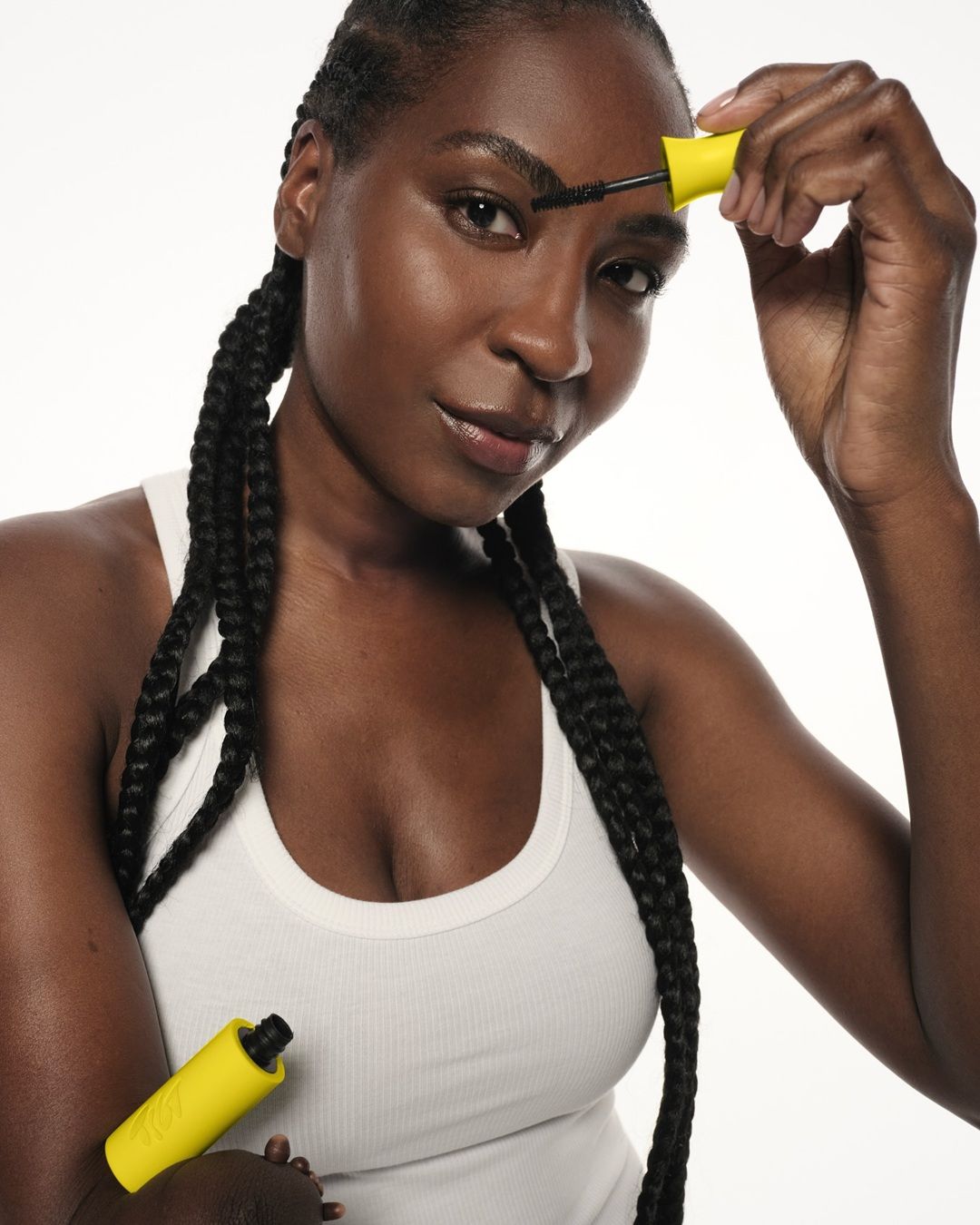
At thirteen, Aerin Glazer was diagnosed with psoriatic arthritis. From that moment on, every daily action, tying her shoes, writing, putting on make-up, became a small challenge. Today, however, Aerin has turned that difficulty into an opportunity by founding Tilt Beauty, a brand that creates accessible cosmetics and ergonomic beauty tools designed for people living with tremors, joint pain, or reduced hand mobility. Lipsticks open easily, mascaras have grips designed to stabilize the hand, and the elegant, refined design never sacrifices style. As she herself emphasizes: “accessibility should not mean giving up on beauty.”
An aesthetic that values the gesture: accessibility in make-up
For years, the world of cosmetics has celebrated precision as a symbol of femininity: perfect eyeliner, defined lip contours, steady hands. But for millions of people with chronic illnesses, disabilities, or neurological conditions, these standards become barriers of exclusion. A 2024 study conducted by Fullmer et al. showed how difficult it is for those with upper limb limitations to use brushes, tubes, or traditional make-up packaging. Most “standard” products ignore the diversity of bodies and abilities, despite the existing demand and need.
The boom of inclusive beauty
In recent years, a global movement has emerged that combines ergonomics, inclusive design, and representation. Guide Beauty, created by make-up artist Terri Bryant after being diagnosed with Parkinson’s, offers tools with built-in supports that help trace precise lines even with trembling hands. Kohl Kreatives, a British brand by Trishna Daswaney, developed flexible make-up brushes that adapt to the user’s grip, ideal for those with arthritis or limited strength. Even major names like Lancôme are experimenting with innovations: HAPTA, created in collaboration with Verily, is a smart applicator that stabilizes movements and allows lipstick application even with pronounced tremors. These are not products designed exclusively for people with disabilities but rather part of a more inclusive beauty approach, authentic and grounded in reality.
Beauty as self-care
A study published in The International Journal of Cosmetic Science shows that the use of accessible beauty products contributes to the psychological well-being and self-esteem of people with motor disabilities. In this sense, accessibility in beauty becomes an act of care, a right, not an option. As Brain & Life writes, “People living with arthritis or Parkinson’s don’t want to be ‘accommodated’; they just want to choose a mascara they can use.” It’s the same principle that drives inclusive fashion and universal design: adapting objects to bodies, not the other way around.
When packaging makes the difference
Bottles that open with one hand, soft grips, and textures designed for ease of use, cosmetic packaging design is evolving to become truly accessible. It’s not only independent brands investing in this: the Arthritis Foundation has launched the “Ease of Use” program, which certifies products tested by people living with arthritis or chronic pain. These are clear signs: inclusion in beauty is no longer a niche, it’s a real market evolution.
Toward a new vision of beauty
As designer Sara Hendren writes in What Can a Body Do?, “we shouldn’t adapt to objects; objects should adapt to us.” In make-up, this idea takes on an even deeper meaning. Beauty shouldn’t require perfect hands or flawless movements. It should, instead, allow everyone to express themselves, even when the body changes, aches, or trembles. If the new frontier of cosmetics embraces difficulty, we can imagine a more authentic beauty, where a gesture doesn’t have to be perfect to be beautiful.