































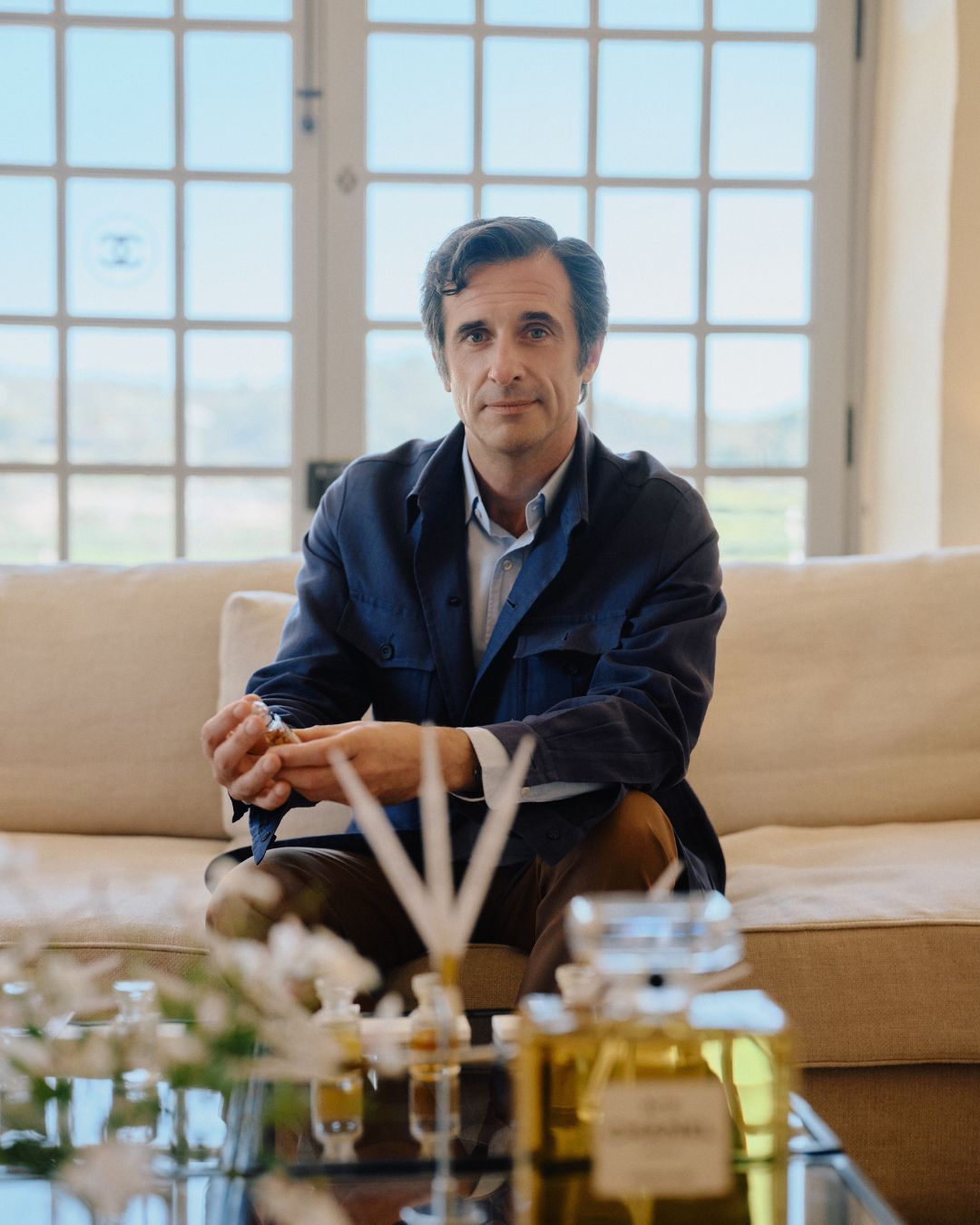
Olivier Polge: "It feels like I've known Chanel N°5 forever" Interview with Chanel's Parfumeur Créateur, directly from Grasse
Olivier Polge was born in Grasse and welcomes us there at a special moment, during the local jasmine harvest. A flower that is one of the key components of CHANEL N°5, whose true beginning dates back to 1921. "The CHANEL N°5 extract," the perfumer tells us, "was created by Ernest Beaux with this jasmine, which, thanks to the soil and climate, develops a very specific scent, fresher and slightly greener. I have always associated it with a subtle green tea note."
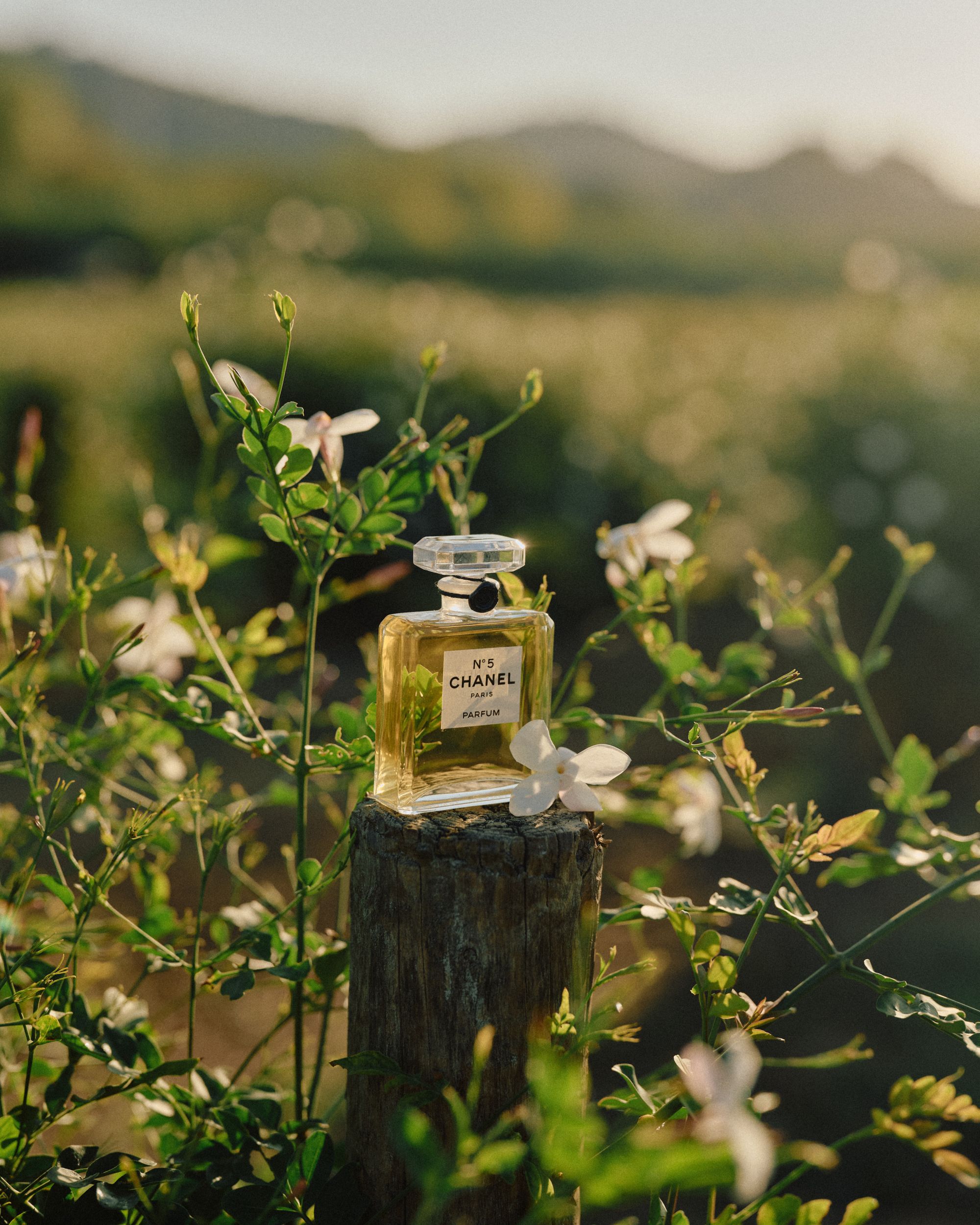
We immersed ourselves in the Grasse jasmine, guided by the Mul family, who have managed these 30 hectares for generations. The first thing that welcomes us? The scent. And then a cascade of delicate white flowers, and naturally, everywhere, bottles of the fragrance that is the star of this journey, the result of the work of many people whom Chanel Beauty has highlighted with the 55 Voices project. Fifty-five people who together form a true chain of talents and skills, all fundamental in creating the fragrance, from the flower to the boutique, but also many little stories, our own, when we used to receive it as a Christmas gift and saw in that glass bottle the symbol of something unique, of Coco Chanel's French and international savoir-faire and of the maison she founded.
Interview with Olivier Polge, the maison's Parfumeur Créateur
Our first question to Olivier Polge concerns memory. For him, it is difficult to associate a specific memory with CHANEL N°5. "My father started working for Chanel when I was 4 years old. Imagine: all the women in my family wore Chanel perfumes. It feels like I have known CHANEL N°5 forever."
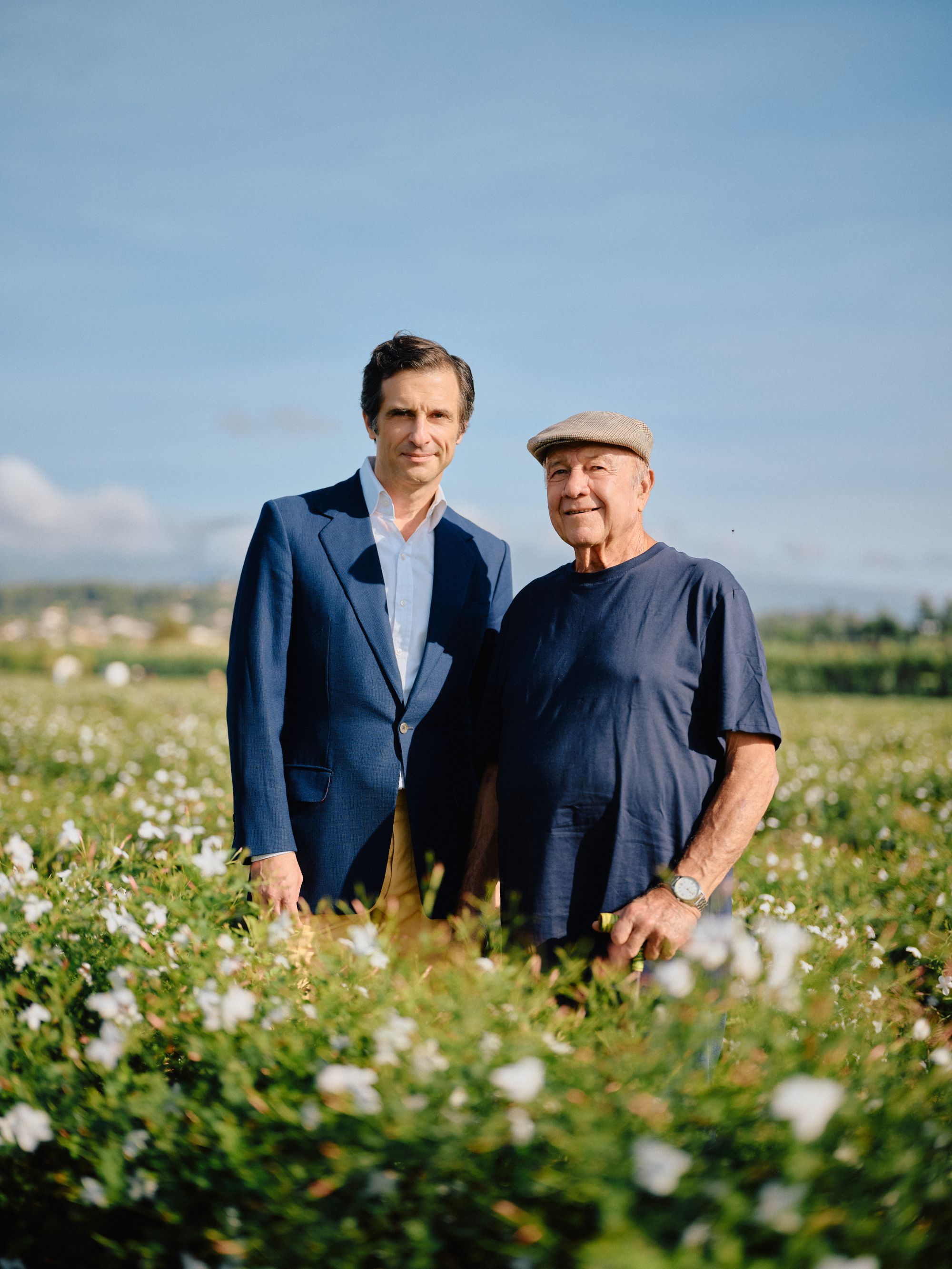
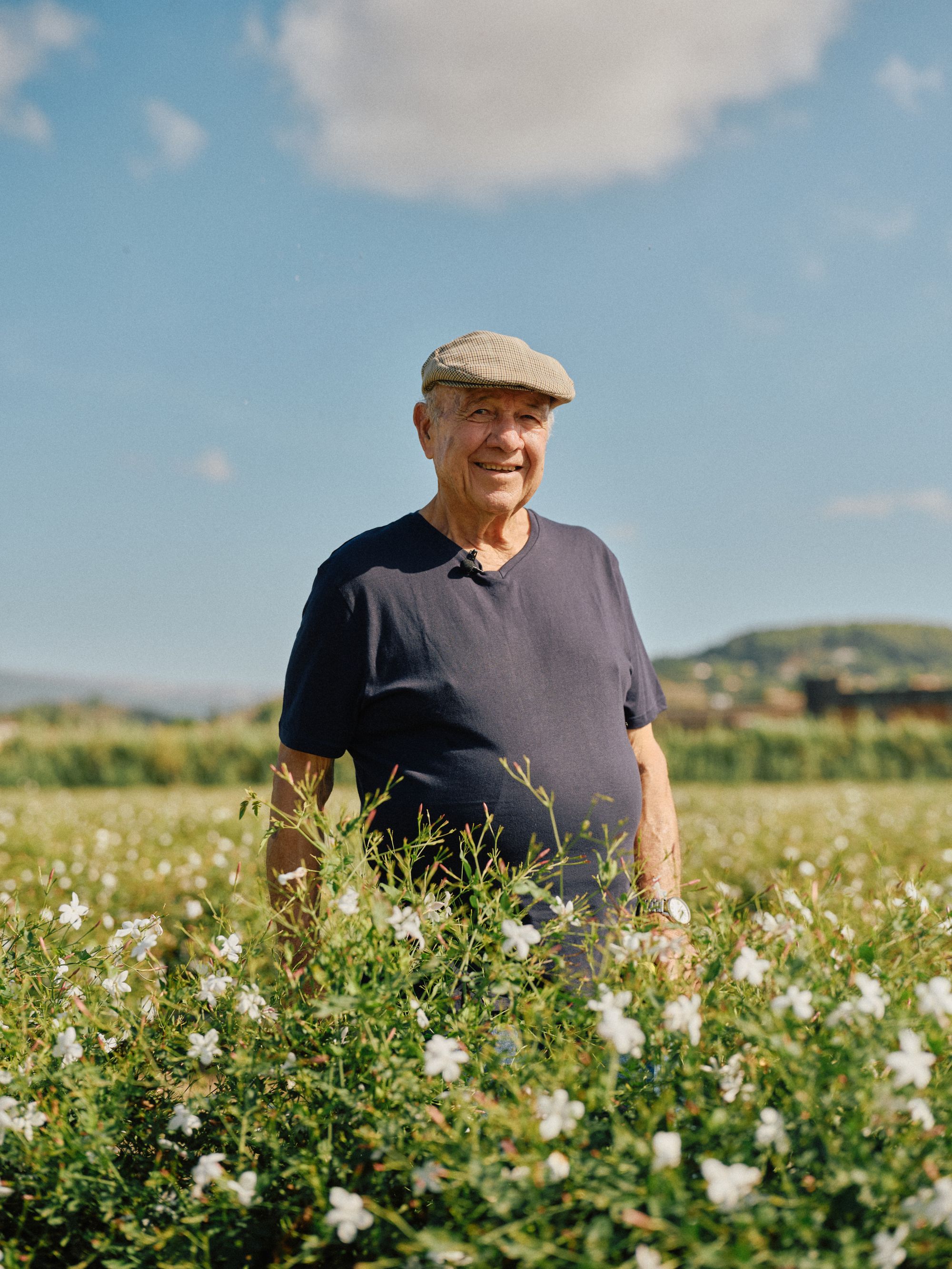
The legacy of such a famous and historic fragrance seems very demanding. Olivier Polge, however, offers us a different perspective: "This is not very intuitive, but in my opinion the fact that CHANEL N°5 is so famous, that its message is so strong, makes my job easier. It is easier to take care of a strong identity, continue it, play with it. It would be more difficult to keep something alive that is in the middle, that no one remembers. The strength of N°5's legacy helps me." A very well-known fragrance, then, but what does the general public really not know? "In my opinion, the most interesting thing is the floral bouquet. Its richness. Not everyone knows it, some may focus on other aspects." A floral bouquet made not only of Grasse jasmine but also of May rose and ylang-ylang.
In the same vein, he adds: "Not everyone knows that we work with fresh ingredients on multiple levels. We often talk about the fields, but the most important thing is that we have our factory right nearby. The flowers are extremely fresh when extraction occurs and remain fresh until the end of the cycle, in mid-October. This freshness of raw materials is important on all levels. Jasmine is particularly delicate, as is May rose. One must always be very careful with these types of materials. People don’t know this, or perhaps they forget. They think it is a very, very industrialized process, but it is not. One of the things that surprised me, and probably explains why we partnered with farmers and today even have our own fields, is that the quality of raw materials starts in the field. I remember that a couple of years later we harvested the geranium two weeks late, and the quality was not the same. Every detail counts."
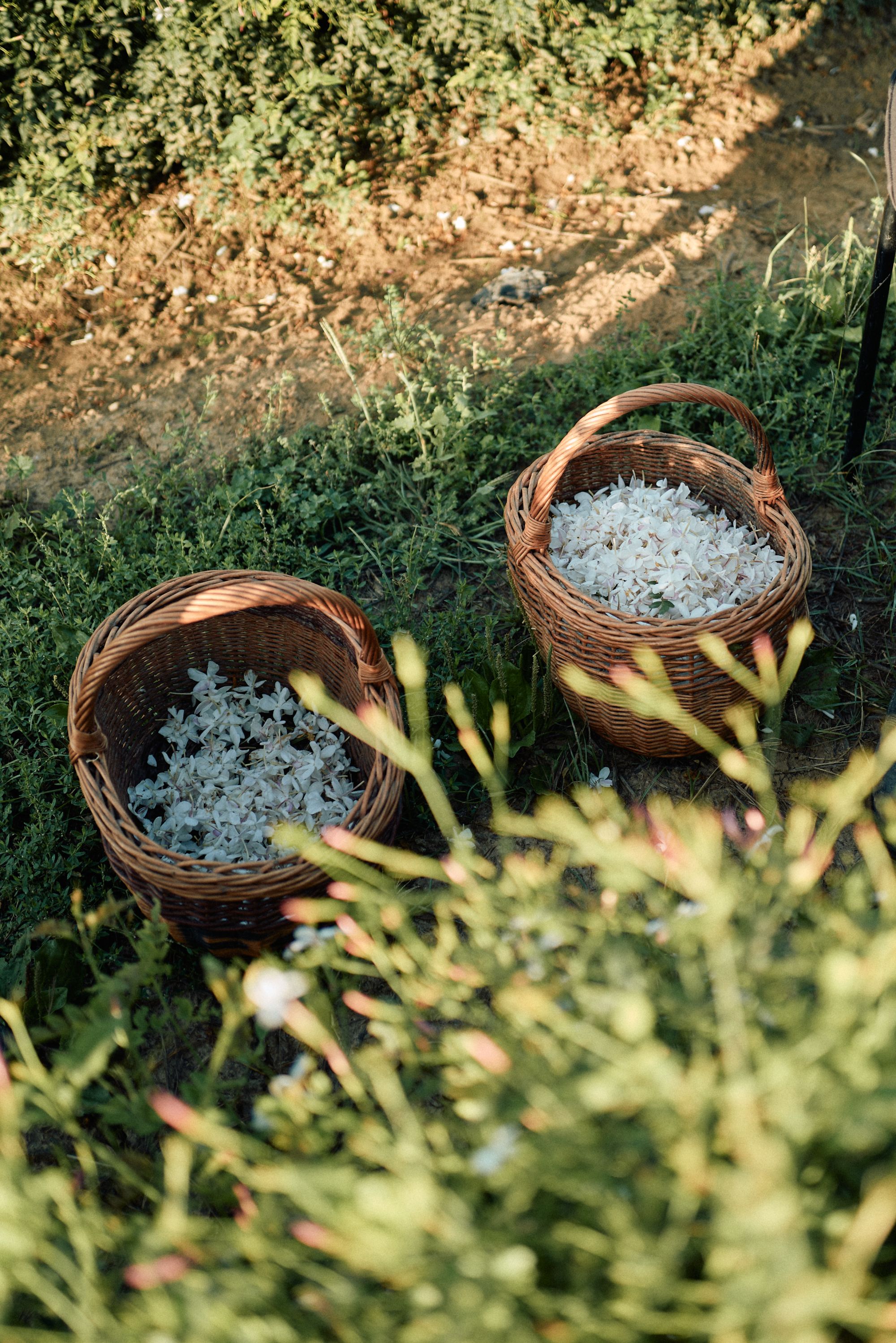
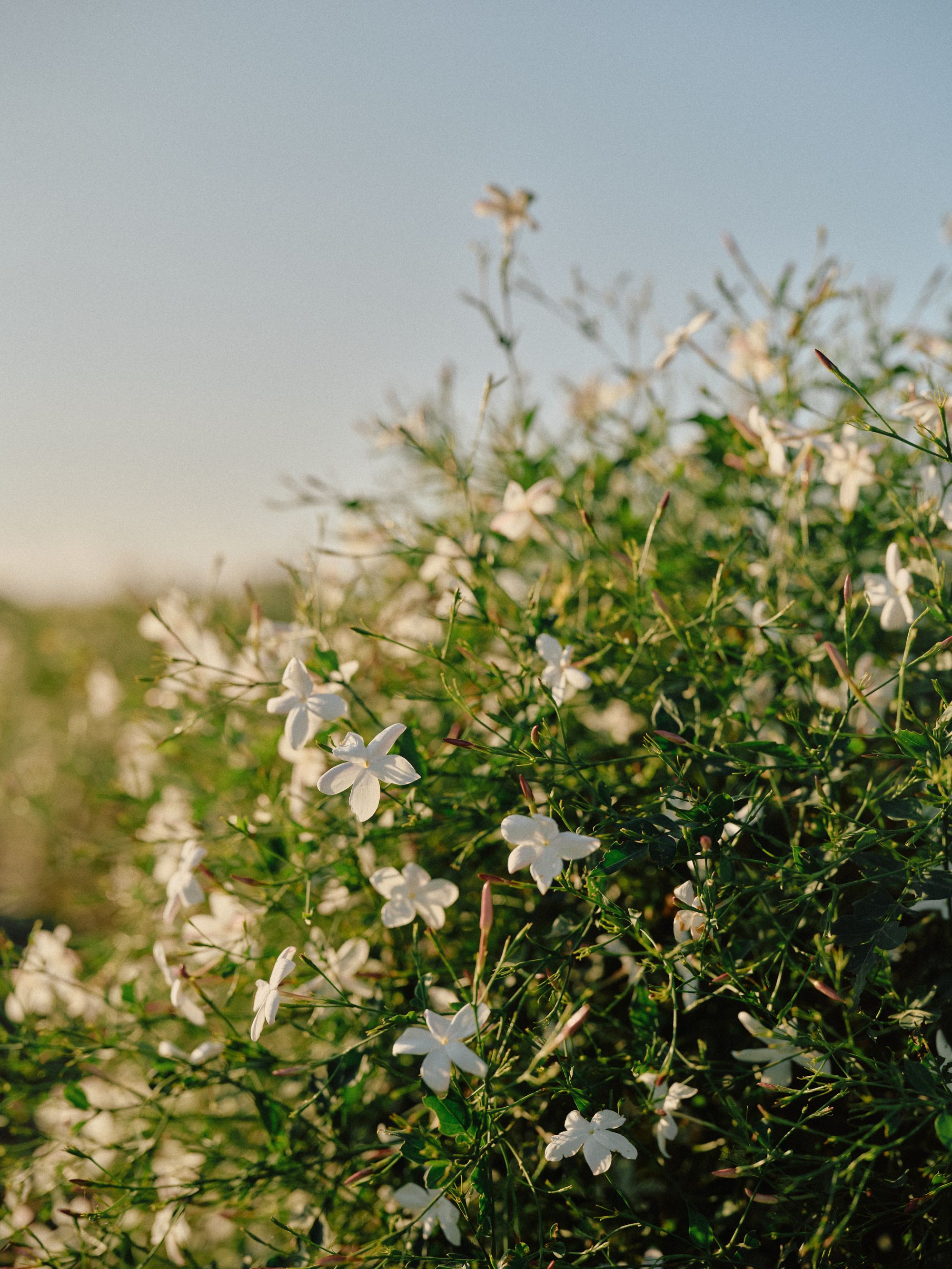
The process goes beyond what we see in Grasse, reaching Paris, the world, and every point of sale. Many people are involved, but the symbolic number chosen was 55. "We thought it was interesting to show how many unexpected roles are involved in creating a fragrance. When you come here, you discover people working in the fields, picking the flowers, taking care of them all year round. In the factory, there are people working on extraction, checking that the raw materials are of the highest quality and meet the standard. These people do not directly create CHANEL N°5, but they take care of it in one way or another, and they are necessary at every stage. Talking about them increases awareness of the final product and helps it shine."
