





















Beware of the 'Pink Pill' When online trends on femininity become insidious and ideological, what are we left with?
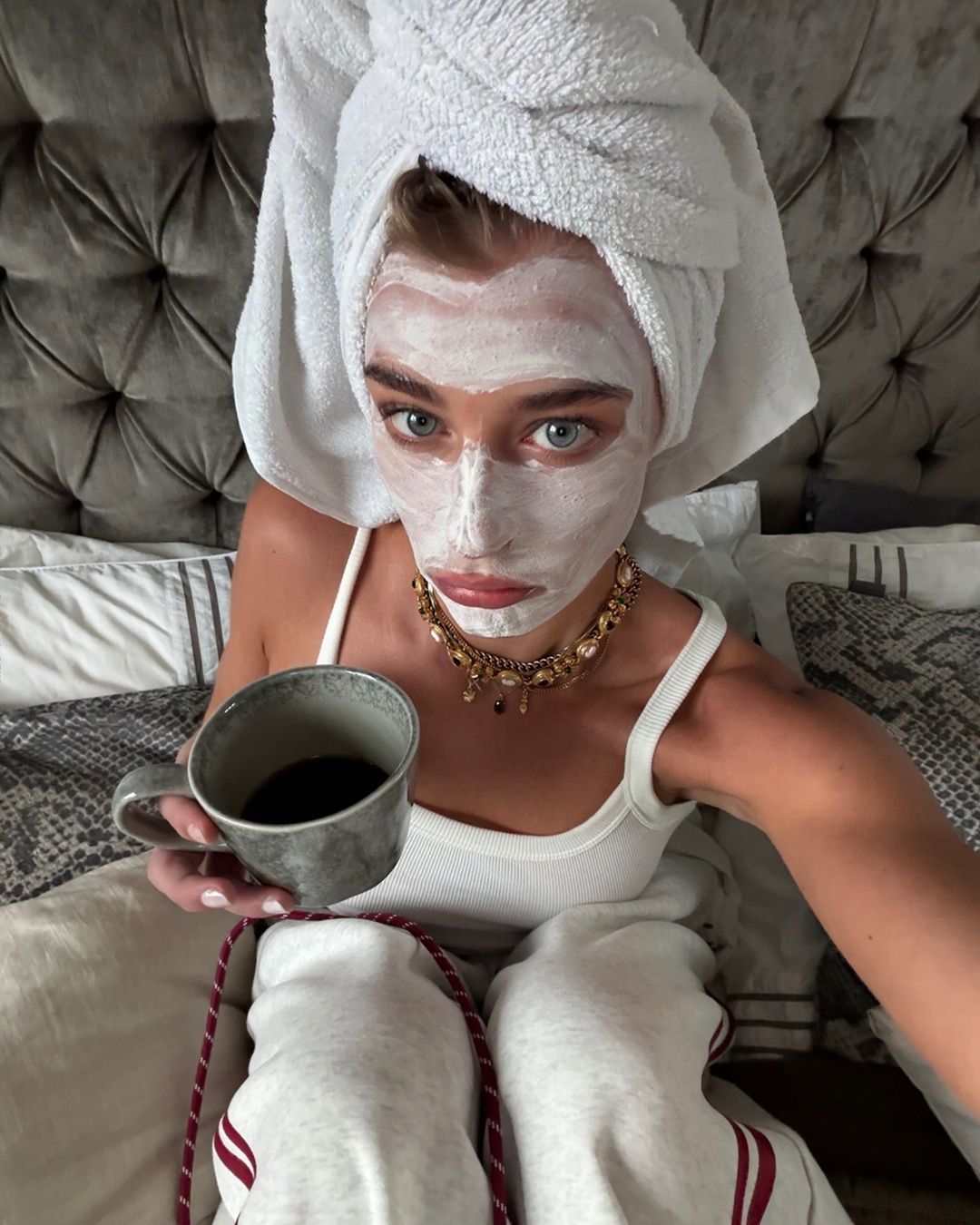
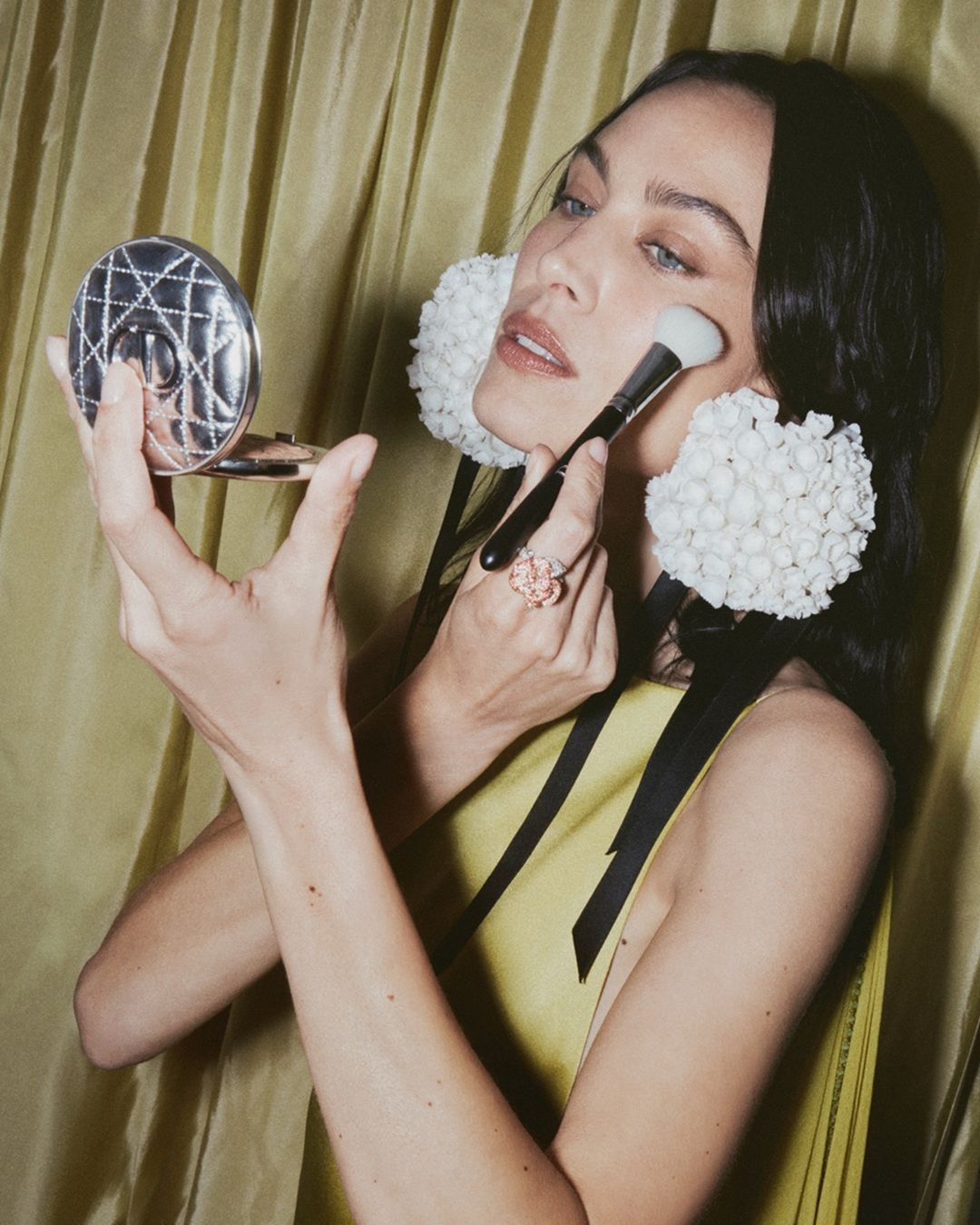
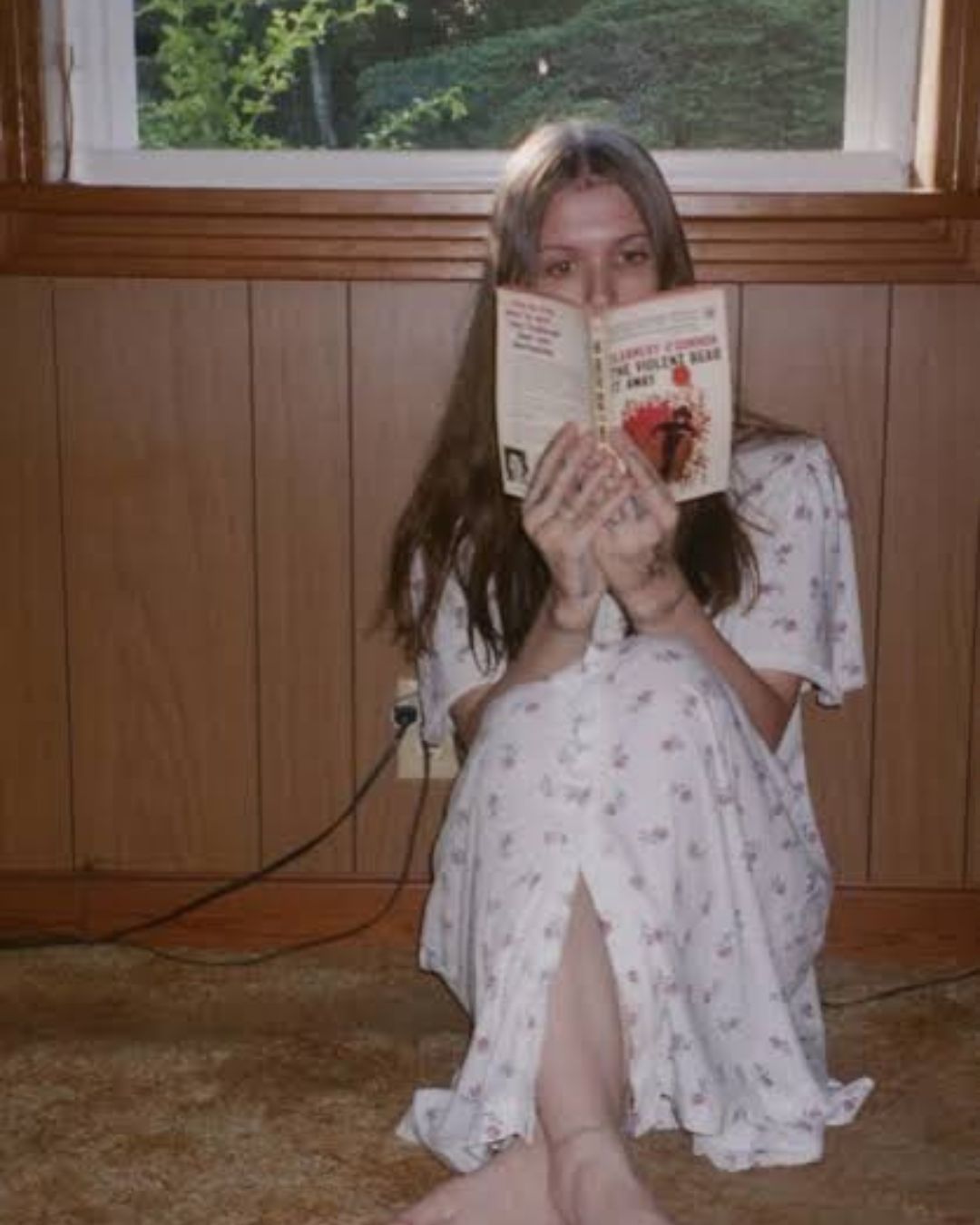
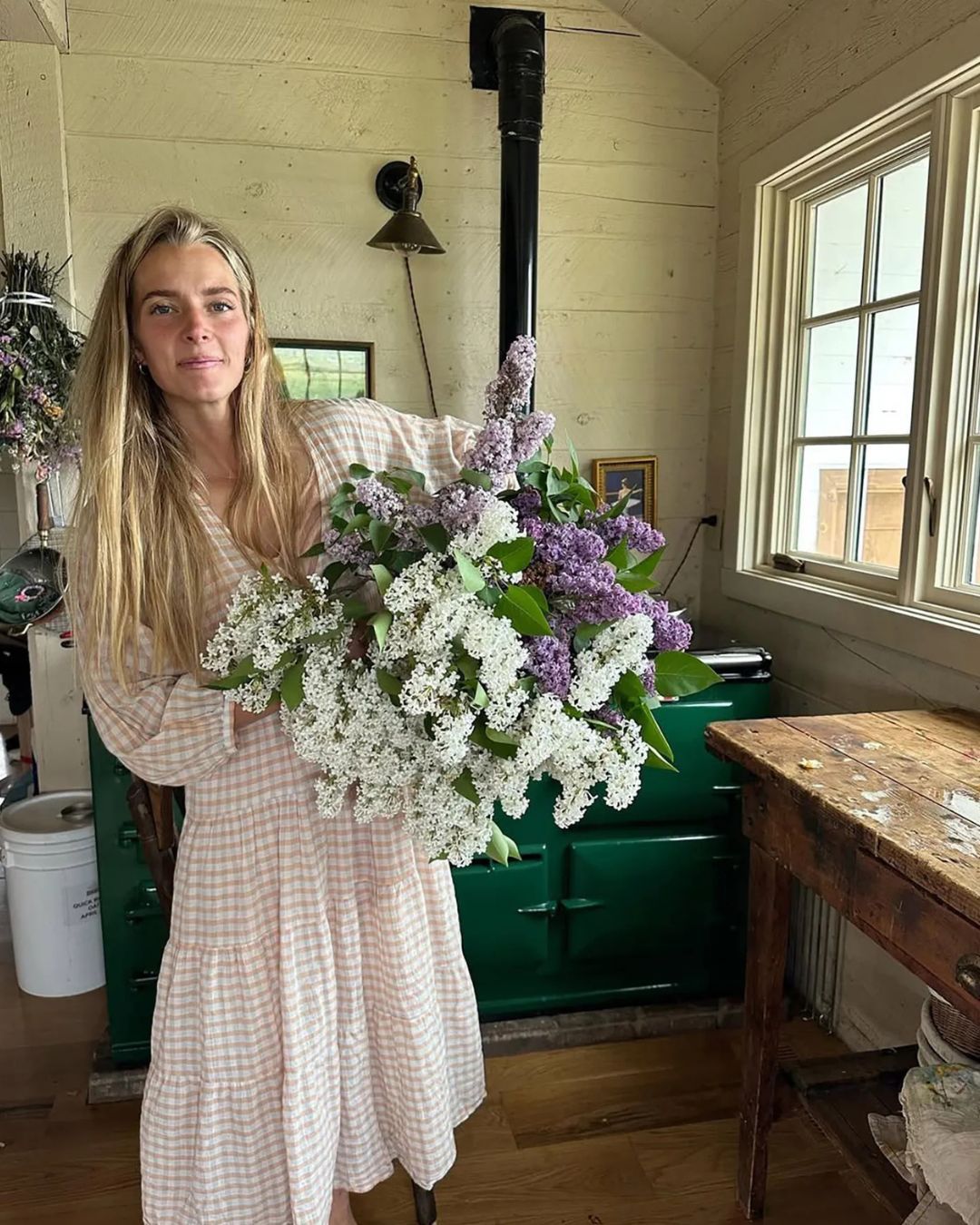
In the last two years or so, a series of micro trends have emerged, especially from TikTok and Instagram. This is not just any trend. What they have in common is their actions in the field of girlhood, femininity, of being girls together, in couples or individually. We are talking about slang and content related to expressions such as "girl math“,"girl lunch“,"stay at home girlfriend“, “I'm just a girl”, “I want a man who works in finance”, “divine feminine”, “whimsy”. Alongside these small tag lines, content on the theme of trad wife and pregnancy has grown, and this idea of a defined, shadowless, simple and superficial femininity has also passed on make-up and fashion. There are girls who have started to document the removal of their tattoos, their change of style, their transformation into clean girls, complete with blonde hair, minimal makeup and milkmaid dresses.
What does it mean to be a woman today? The eternal question, the difficulty that lies in answering
Today, being girls (or perhaps we should start to say women) means many things, even very complex and layered. We are girls, of course, but we are also workers, mothers, sisters, girlfriends, political and social actors of a world that tries to limit us and to impose its choices on us, to set stakes on our agency. These trends (but we could also call them themes, or contents) try to simplify it, and from a certain point of view it is understandable. Making everything we do “a girl's thing” - whether it's putting together a plate of varied and apparently untied stuff for dinner because we don't feel like cooking or considering the refund after a return a profit - let's try, perhaps, to make peace with the fact that the world's socio-economic situation slows down our growth, that after Covid we have not yet returned to normal socialization, that we feel alone and abandoned, that we are afraid.
The risks of simplification: not everything can be whimsy
We outline to live better, to be more carefree and frivolous but, perhaps, we are not realizing the risks that this continuous process of superficializing women's experiences could entail. Is it really convenient to associate a disordered diet, poor financial management, some divine and supernatural intervention on the body, on the cycle, on reproductive abilities, with being women today? Isn't there a risk, at least, of offering support to those same communities that want us to be submissive? And if, between one simplification and another, we end up supporting each other - but of our own free will, eh! - who needs romantic, simple, stupid, unable to manage things?
The Red Pill, explained in a nutshell
In Red Pill, a novel by Hari Kunzru released in 2020 but not yet available in Italian translation, the protagonist is an ordinary man who, for work, must spend a period of time in Germany. This is a prestigious opportunity, but a mix of solitude and geographical position (it is located right in front of the villa where the Nazis planned the Final Solution). And during his walks he passes by the grave of the romantic writer Heinrich von Kleist, who took his own life after maturing the conviction that “no happiness was possible here on Earth”) and the binge watching of a very violent and masculine TV series leads him to get dangerously close to the Red Pill network, an online community made up of men who think that society discriminates against them, and who for this reason often use violence (especially against women, to say so) to get out of this situation of subjection. A subjection that only they can see, because they took the red pill in The Matrix (the film), the one that forces you to wake up and look at a bad but real world, under every superstructure and appearance. More recently, in mainstream dialogue, this term has overlapped, for example, with ideologies such as those of the American alt-right, the Incel community and the Looksmaxxers with whom they share patriarchal and misogynistic visions and the method of recruitment: online. And the more sneaky the path, the better.
After the red pill comes the pink pill, for women
Recently, another term has popped up online. This is Pink Pill. According to his theorists, such as Kylie Brewer on TikTok, this would be a path similar to that of the male red pill, but for women. A network of content, blogs, forums, trends and themes designed to make women more conservative, to make acceptable and normal choices that until recently were considered retrograde. Such as the choice not to work, to get married very quickly, to have children, in short, to feel good and in one's place. Who is Prodest? To our number 1 enemy, of course, to patriarchy understood as a system of power in which one part of the population rules, the other tends to suffer.
How to protect yourself from propaganda? The risks of choice feminism
In the end, this is nothing more than propaganda, and as such it must be managed. Let's learn to sharpen our eyes in the face of contents that seem deeper and more subtle to us than it would appear at first glance, the superficial content that is the nature of scrolling. Above all, let us learn to read within ourselves when one of these trends - out of habit and because we are exposed to its thousand incarnations several times a day - begins to become normal, not clashing. Does being a girlboss, however flawed and naive the concept may be, still sound good to us? Or would we prefer to be completely dependent on our husband, also and above all economically and emotionally? Are these things our real desires or has someone, as they say, put a flea in our ear? From this point of view, choice feminism - a contemporary movement that maintains that all choices, if made by a woman, are valid and must be respected as such - could be a dangerous slope. Who tells us that our choices, even when they seem free, are not influenced by this propaganda or by the economic-social climate in which we find ourselves?
What to read next
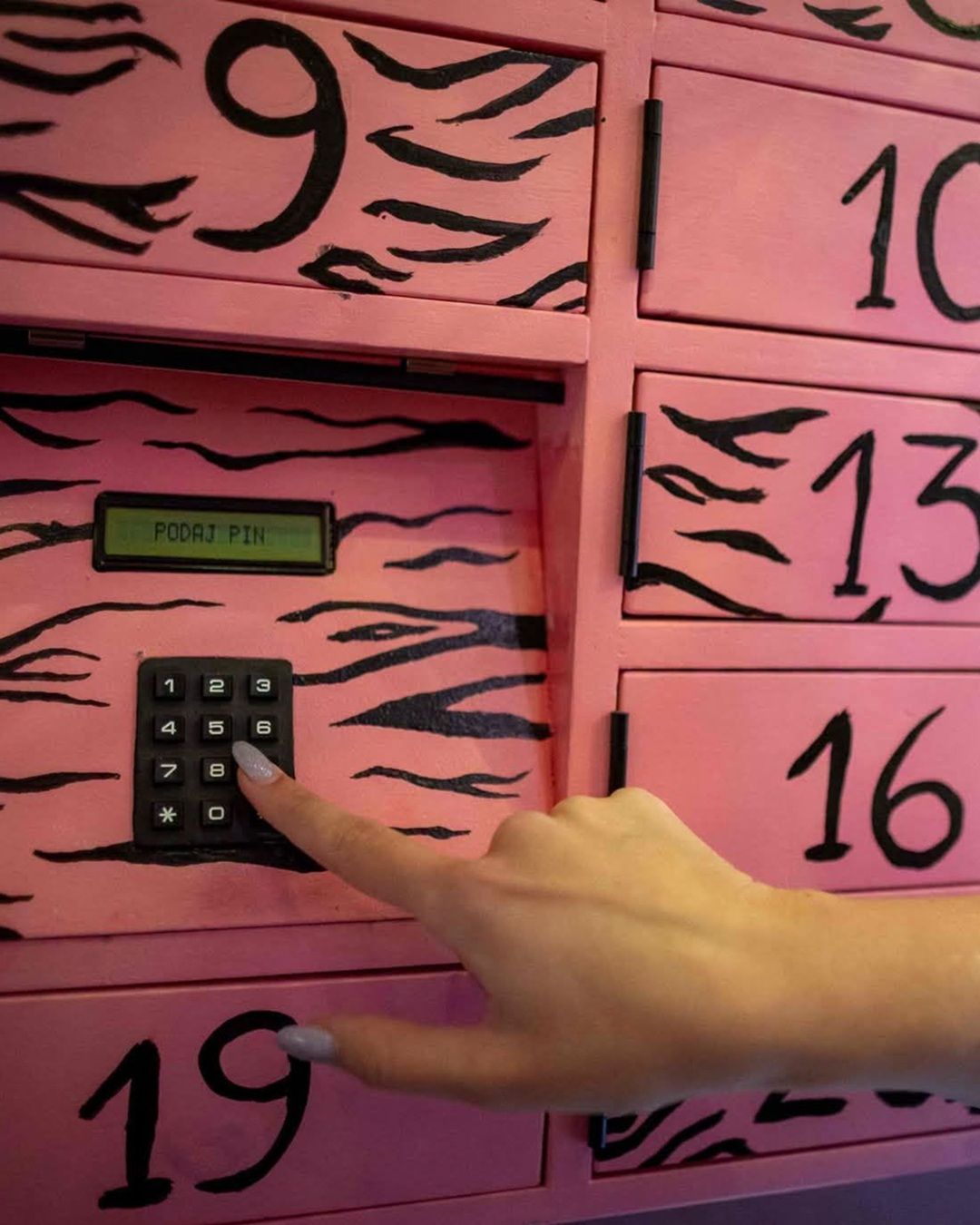
Warsaw launches the world’s first abortion pill dispenser
A pink locker to circumvent Poland’s abortion restrictions and make medications for voluntary termination of pregnancy more accessible

“The magic of Jane Austen is that her stories feel fresh and timeless”
Daisy Edgar-Jones, star of Sense and Sensibility, in cinemas from October 22