



































Diversity in the media: where are we at? Spoiler: quality and quantity don't match
Diversity has firmly entered the agenda of Italian information and entertainment, but its presence does not necessarily coincide with a better representation. People belonging to historically marginalized groups appear more often on our screens, but they continue to be told through stereotypes, simplifications and narratives that end up reinforcing prejudices instead of undermining them. This is one of the most significant conclusions of the Diversity Media Report 2026, the survey carried out by the Diversity Foundation together with the Pavia Observatory, which every year analyzes how Italian media represent gender, ethnicity, disability, sexual orientation, age and physical appearance. The studio photographs a landscape in which the quantity of representations grows, while their quality decreases.
More visibility doesn't mean more inclusion
In recent years, the word 'diversity' has become increasingly present in public debate. Television series, advertising campaigns, television programs and news programs seem to dedicate more space to themes that until recently were almost invisible. And yet, the research highlights how this exhibition has not produced a more balanced story. In fact, inclusion is not measured by counting how many times a particular social category appears, but by observing the role that is attributed to it. If a woman is told almost exclusively when she suffers violence, if a migrant appears mainly in the crime pages or if a person with disabilities is represented only as an example of suffering or heroism, the result remains a partial narrative. It's about the difference between representation and quality representation.
The news continues to give priority to emergencies and conflicts
The analysis examined almost 44,000 news broadcasted in 2025 by the main national news programs. About 42% contain at least one reference to the categories analyzed by the report, but most of these appear within services dedicated to crime, international conflicts or emergencies, in short, a very specific scenario. Women, young people and people belonging to ethnic minorities are therefore described above all as victims, culprits or subjects involved in crisis situations. The risk exists when some identities are associated almost exclusively with certain contexts and the public unwittingly ends up building automatic links between those social groups and negative images. At the same time, the stories that tell the cultural, scientific, artistic or professional contribution of the people belonging to these communities remain almost absent.
The great absentees: disabilities, LGBTQ people and non-compliant bodies
If some categories are represented in a distorted way, others continue to be almost invisible. According to the report, disability, LGBTQ people and physical appearance remain among the topics least present in Italian news. When they find space, it often happens through paternalistic or exceptional languages, in which the person is defined exclusively by their condition rather than by their individuality. The effect is what scholars define assymbolic annihilation: what is not told, or is always told in the same way, risks being perceived as marginal even in social reality.
Even cinema and television seem to have slowed down
Among the films, fictions, television programs, podcasts and digital content analyzed, less than a third achieves high standards in the representation of diversity. The characters often appear less complex than in previous years and the stories tend to avoid perspectives considered 'risky', favouring traditional narrative models. Not all sectors, however, follow this trend. Podcasts, digital creators and productions dedicated to children and adolescents are the most innovative environments, thanks to the presence of authors who directly tell their experience and to greater freedom compared to traditional television formats.
The public is ahead of the industry
One of the most interesting aspects of the research concerns the relationship between those who produce content and those who watch it. The reports sent by users to the Diversity Foundation show that the public tends to reward authentic stories that respect differences. People therefore seem to recognize with ever greater ease when a representation is built on stereotypes and when, on the other hand, it restores the complexity of reality. This fact calls into question a belief that is still widespread in the cultural industry, that is, the one that inclusion is an element capable of alienating spectators. On the contrary, international research shows more and more often that productions capable of representing the plurality of society obtain positive results both in terms of satisfaction and cultural impact.
What to read next
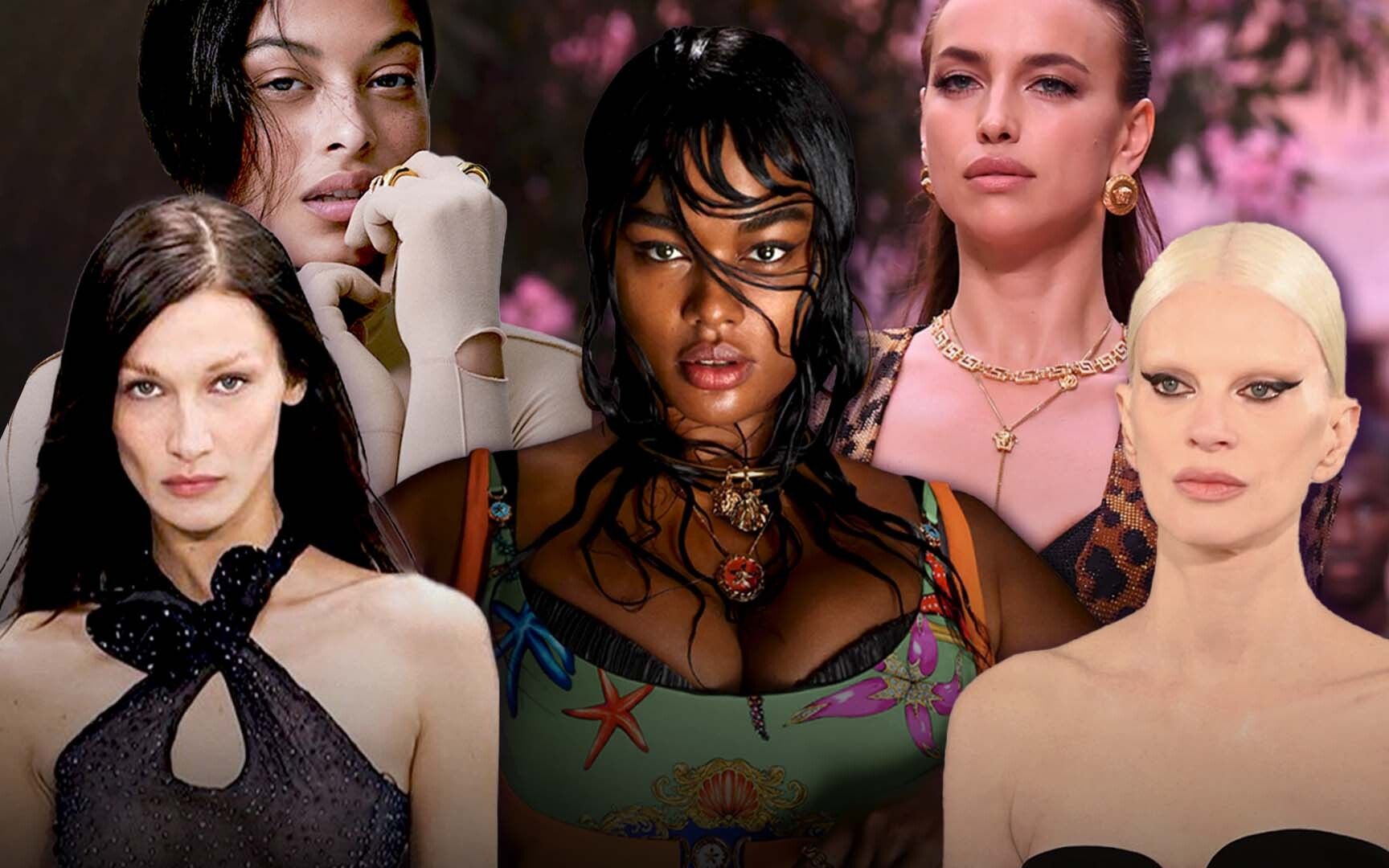
Do models represent women or not?
Between body positivity and inclusivity female representation is a cultural thing
Where does Body Positivity come from and how it's evolving
And the way in which media and social networks are changing it

The unstoppable success of Telfar Global
From the streets of Queens to the catwalks: history of the brand of the moment