
































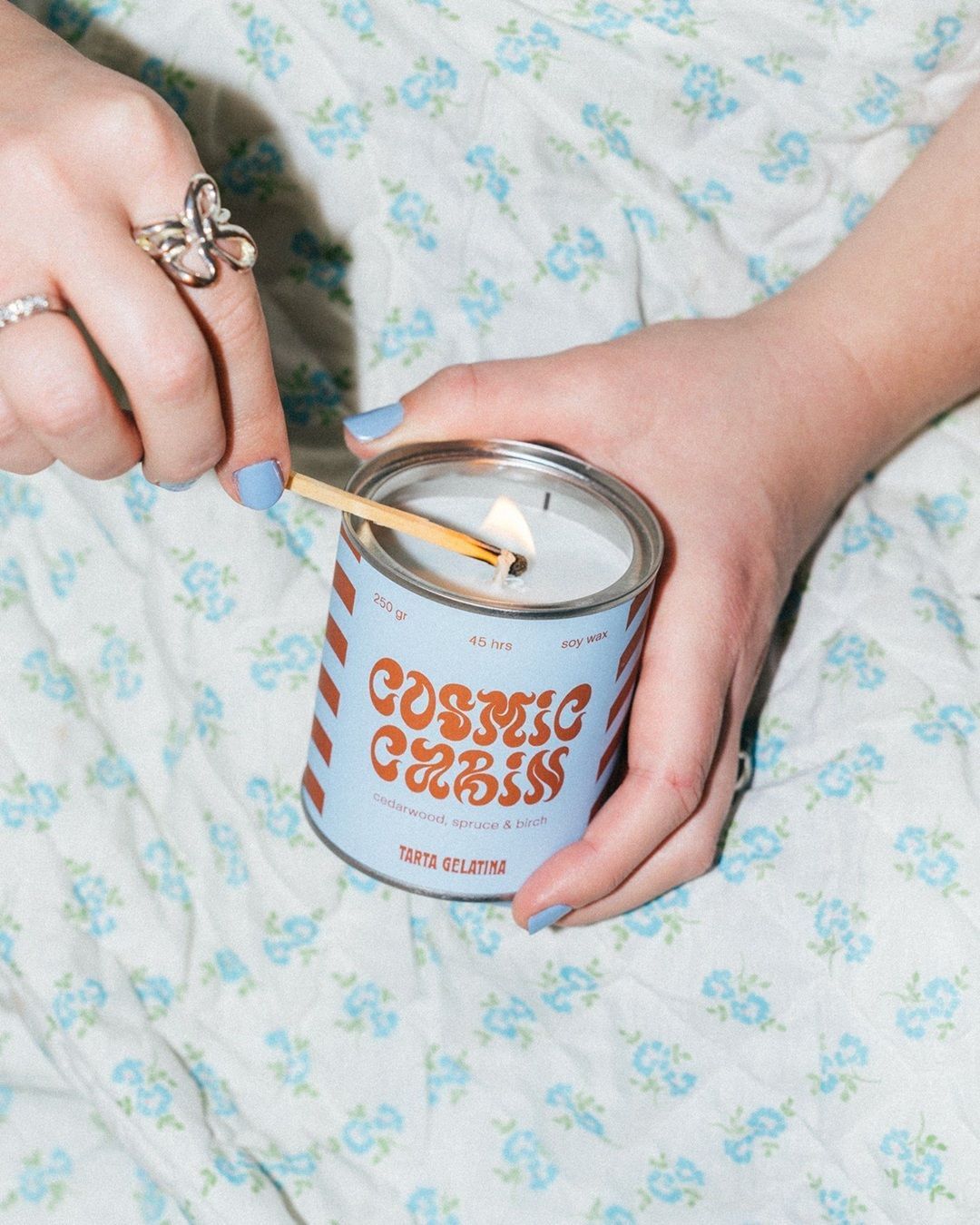
Is a candle really the worst Christmas gift in the world? Why do we keep giving it away (and talking badly about it)?
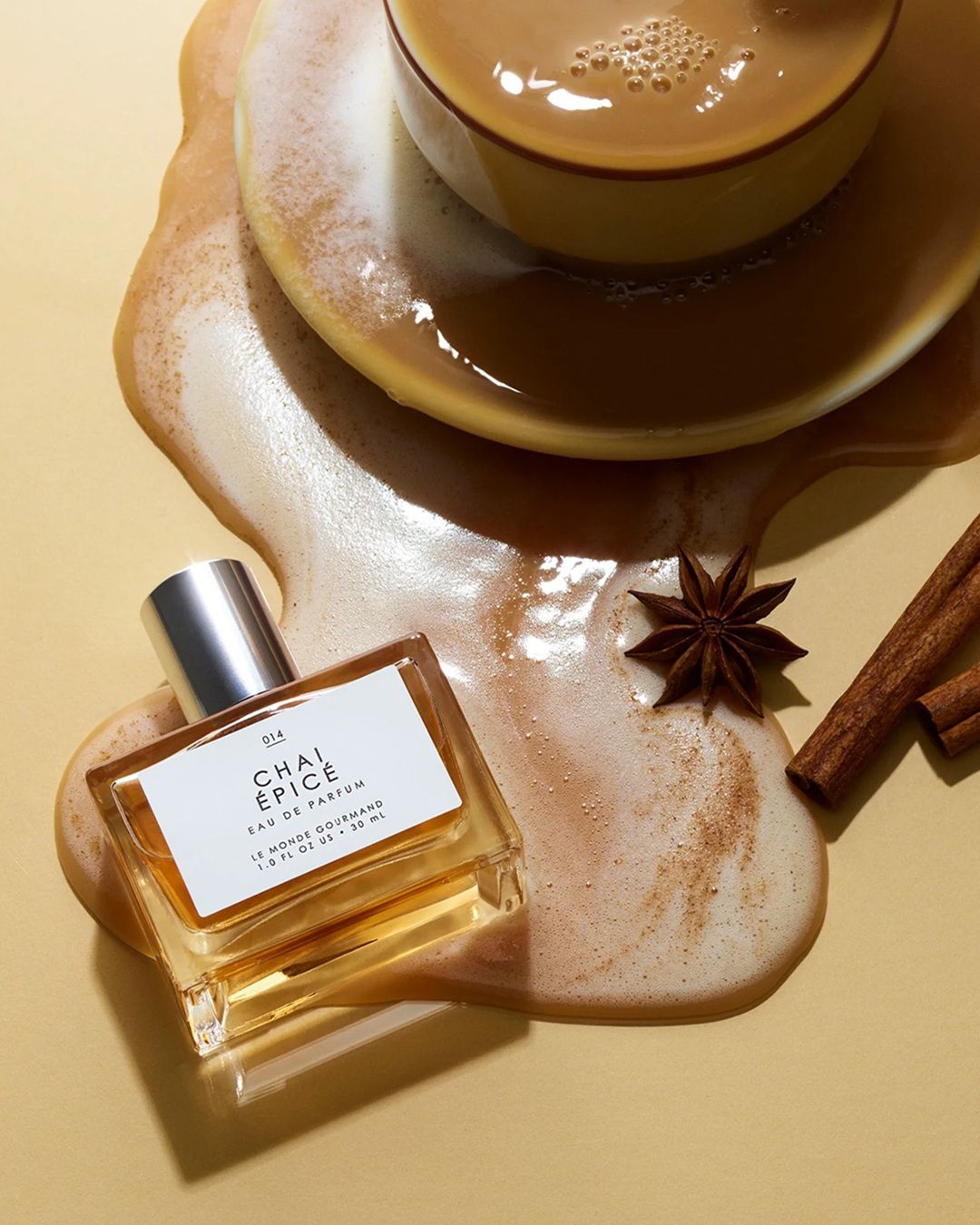
How did a tiny object like a candle become the unintentional star of the grand stage of Christmas gifts? It was idolized, hated, mocked, and then triumphantly brought back as an immortal diva. Funny to think about today, especially for those like me who spent half their lives in the pre-Internet era, when the height of virality was a whispered playground rumor and trends moved as slowly as a broken scooter. Back then, candles were either cemetery items or objects for teenagers obsessed with the occult. You lit them to fake romance or, more often, when the power went out. They were anonymous white wax cylinders, with a timid splash of red during the holidays. That was it. Then, almost without noticing, scented candles became a pop phenomenon, a home decor icon that could say more than a handwritten note. The world of fragrances exploded: sandalwood, cinnamon, dense oud reminiscent of a lingering memory, vanilla, and salted caramel in gourmand versions. From there, a new rule emerged: a home should not only smell nice; it should reflect who you are or who you want to be.
A sudden boom in candle sales
While we ordinary mortals added scented candles to our monthly shopping lists (because nobody wants their home to smell like stew or wet dog, let alone grandma’s old potpourri), the candle industry multiplied at superhuman speed, as if someone had poured water on Gremlins. Brands, collections, limited editions, DIY kits, sculptural containers, accessories like wick trimmers, designer matches, and collectible packaging… The candle market in 2024 was worth $8.49 billion and could surpass $14 billion by 2032. An expansion worthy of a financial empire, not just an object meant to light you up during a blackout.
The Christmas Paradox of the most loved and most hated gift
Yet, when December arrives, a reverse miracle happens and the best-selling Christmas gift suddenly becomes the most detested. The candle splits into a bipolar creature, the infamous last-minute gift nobody really wants. Reddit trashes it. TikTok mocks it. Elle Decor both loves and hates it in the same sentence. Lauren Santo Domingo, taste oracle and co-founder of Moda Operandi, tells the Financial Times, “Nothing says ‘I don’t care’ like a candle.” So why do we keep giving them? Why do shelves empty faster than glazed pandoro on December 23? Why do we swear “never again”… and then find ourselves back, falling into the same flame? And is a candle really the worst Christmas gift possible?
Why does everyone complain about candles?
In reality, the problem isn’t the candle. It’s the wrong candle. Gifting a fragrance requires more strategy than Tinder matchmaking. It’s hyper-personal. Some love woody scents, some adore musky-balsamic, some can’t tolerate gourmand because it “smells like melted candy in a car in summer.” Then there’s its neutral aura. Objectively useful, but like a black scarf: always right, never memorable. It’s the compromise you make when you don’t know someone well enough or know them too well and fear judgment. In short, the candle is the Switzerland of gifts. You receive it, smile, sniff, then put it somewhere promising to use it to create atmosphere. Whatever that means. Or it ends up in the recycling gift closet, a victim of prejudice and rushed decisions.
@katiesproductreviews Why do people get candles for Christmas? I never have…I agree with Miriam Margolyes #miriammargolyes #christmas #candles #opinion #fyp #viral #foryoupage #fypシ original sound - katiesproductreviews
Yet… the market says otherwise
While public opinion continues to trash scented candles, the candle market grows faster than your Zara Home cart on December 23. Nette saw sales increase 300% in one year. Flamingo Estate aims to double luxury candle revenue. D.S. & Durga increases inventory. Literie forecasts “substantial gains”. According to the National Candle Association, 35% of sales happen… at Christmas. Someone, clearly, buys them. Someone gifts them. Someone wants them—definitely.
The cultural paradox: hated in New York, loved Elsewhere
A luxury retail executive tells BoF a fascinating theory: in fashion capitals, nobody gifts candles to anyone. Too cliché, too predictable, too unsophisticated. Yet the same critics, when traveling and returning to less glamorous places, bring them back as trophies. Here, the candle becomes a symbol of cosmopolitan taste, an elegant souvenir, a small aesthetic manifesto. The truth? A candle carries different cultural meanings depending on location. It depends on home size, local taste, and the level of “I’m too sophisticated for this.”
Luxury candles change the game
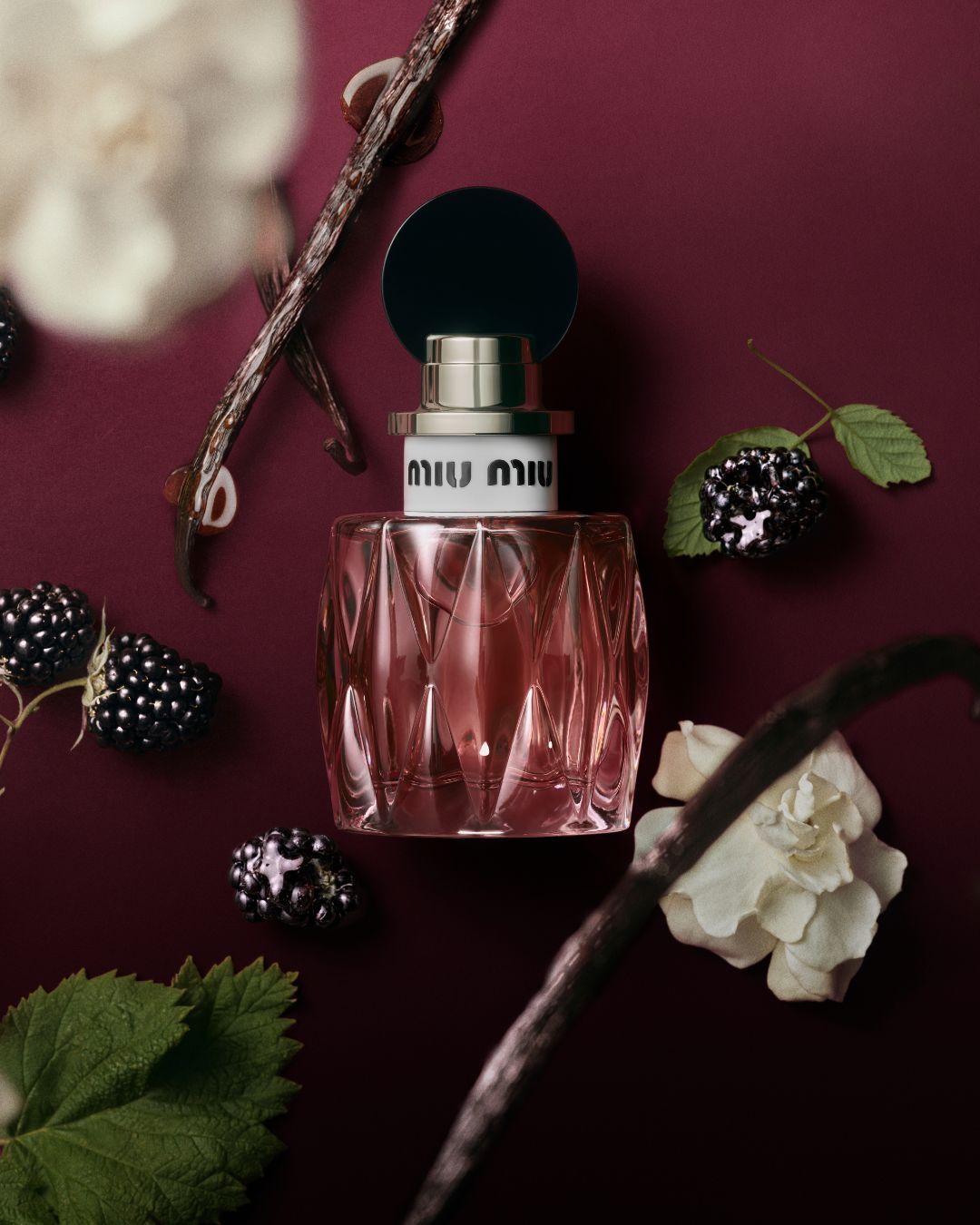
Because, let’s be honest, not all candles are the same. A luxury candle plays in a different league. It’s not just a wax cylinder, it’s a work of art. Think L’Objet Bucolica at €1600, 30 pieces worldwide, hand-painted terracotta. The Stora Skuggan Big Candle: 6 kg of wax, unique artistic container, €1500. Fragrant Lladró porcelain. Dior Piste Aux Étoiles, smelling of cotton candy and caramelized almonds. Tomato, mushroom, and wasabi candles by Loewe. Then Rick Owens, Loro Piana, LoveShackFancy, Bottega Veneta. Here, you’re not gifting a candle. You’re gifting a collectible, a sculpture, an aesthetic gesture. Forget last-minute.
Why do some still think candles are boring gifts?
So, is a candle really the worst Christmas gift in the world? It depends. An anonymous candle, the wrong one, too generic, thrown in a bag last-minute? Yes, definitely a bad gift. But a well-thought-out scented candle, chosen carefully, aligned with the recipient’s tastes and personality? Not at all. That’s a small intimate luxury, a thoughtful gesture. A story to light. The problem isn’t candles. It’s taste. Today, in an era where everything is aesthetics, understanding someone’s preferences might be the most precious gift of all. A candle can fail or triumph. It can be the most impersonal or the most considerate. It depends entirely on you. Like everything that smells, decorates, lasts over time, and—above all—can catch fire if you get it wrong.