































What Together says about relationships is much more than meets the eye The body horror starring Allison Brie and Dave Franco is one of the most talked-about movies of the year
Together is the debut work written and directed by Michael Shanks which, ever since its premiere at the Sundance Film Festival, has been sold as a horror about the consequences of toxic love and about co-dependency in relationships. But the film is much more than that. It is precisely in the final reversal that the American director’s debut shows all its courage and its own power, unexpected in light of the initial vision, which could be influenced by the information and publicity surrounding the title - functional, but allowing for an interesting and reflective surprise that opens the feature to multiple interpretations.
The plot of Together
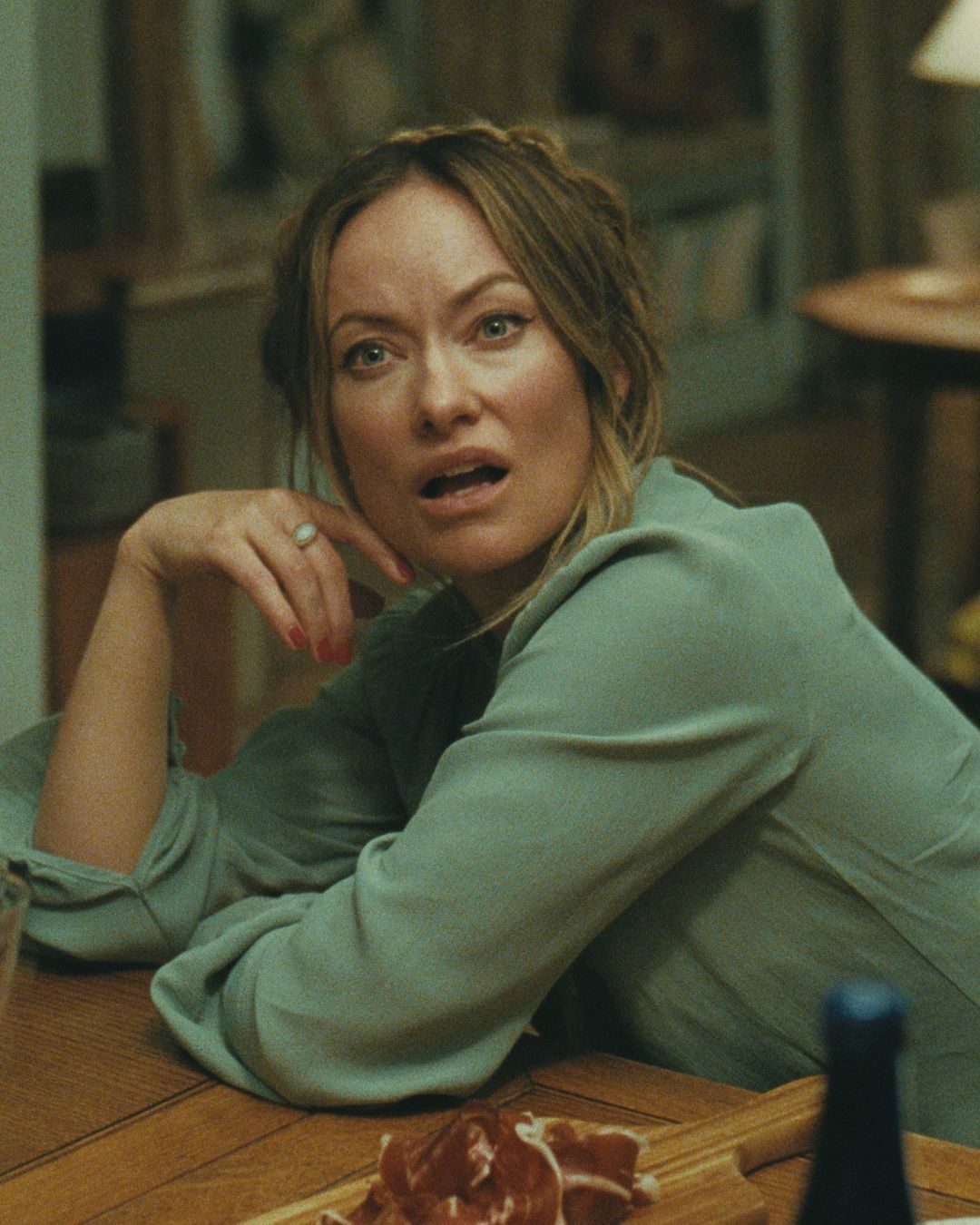
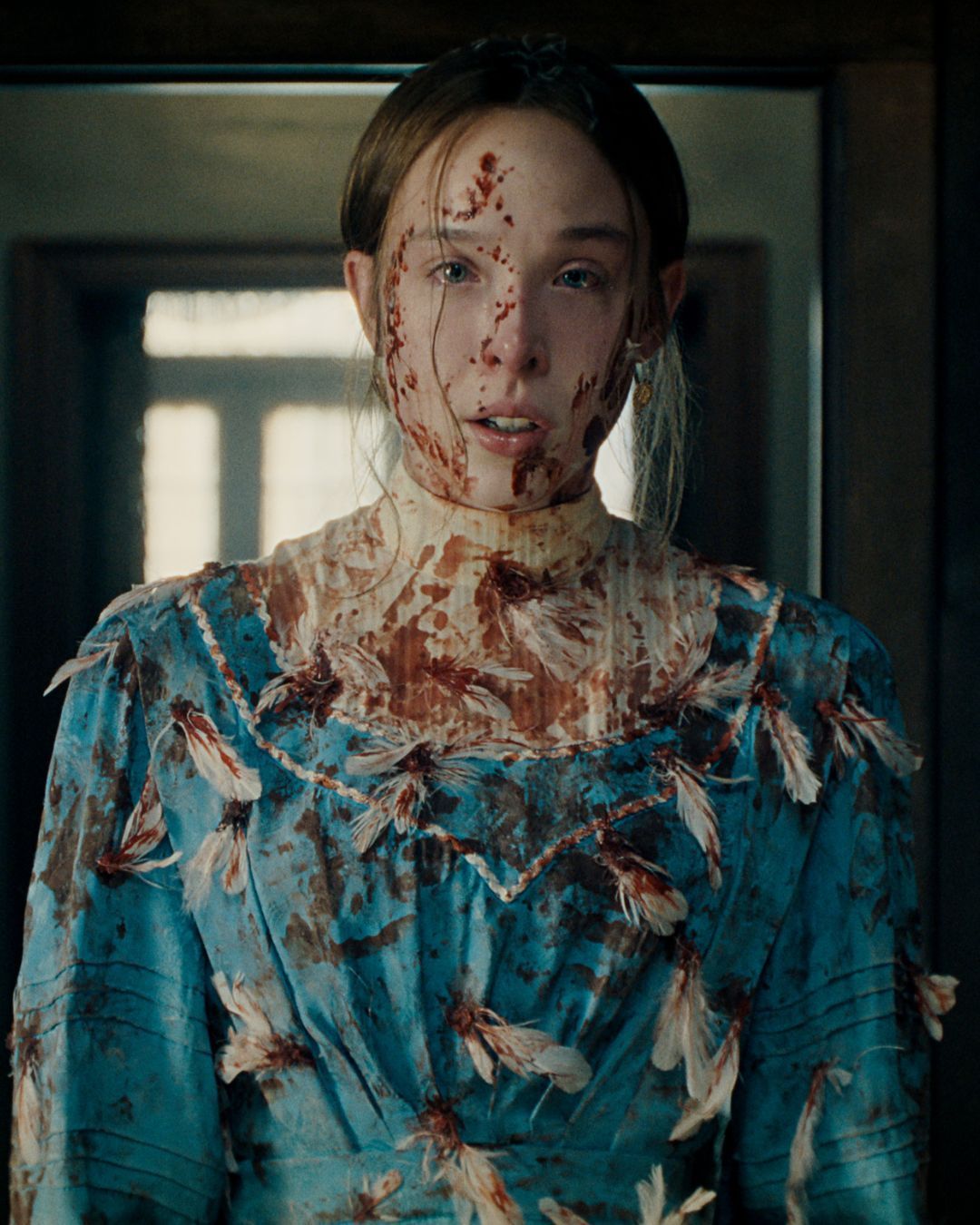
The story follows Millie (Alison Brie) and Tim (Dave Franco), who have moved to the heart of a lush suburb after leaving the city so that she could pursue her dream of teaching in a smaller and more efficient school environment. Reluctantly, her partner followed her and gave up his desire to live off music, a career he had already tried to pursue but that had led nowhere, always supported by his partner even during his greatest moments of insecurity. For Tim, it is therefore not easy to find himself in a house far from his daily life, from his music, and above all, locked inside his own thoughts, which grow darker due also to the sudden and unsettling death of his parents. This is also why he can no longer be intimate with Millie, who starts to feel ignored and undesired by him. Until, after drinking a strange water, Tim can no longer live without Millie. Not only emotionally, but physically and, let’s say, spiritually.
Riding the wave of body horror that allows Together to gallop along the golden path paved by Coralie Fargeat’s The Substance, though original and not at all derivative (singular is the fusion of bodies penetrating one another in the film), Shanks’ work questions what makes a relationship between two people healthy or not and, above all, when it is time to cut every tie. Millie and Tim, played by the real-life couple Alison Brie and Dave Franco, are two flawed people who found in each other a safe harbor, but who now find themselves in a period where they no longer know if they’ve stayed docked too long and if it’s time to lift anchor. For this reason, Together becomes, for most of its runtime, a film about how a malaise (in this case, Tim’s) can poison every moment, every small scrap of intimacy, negatively affecting a bond that grows increasingly fragile because one feels misunderstood and the other perpetually dissatisfied. It’s not at all about co-dependency - on the contrary, it’s about its exact opposite. About paths that could end up crumbling, breaking, splitting at a crossroads. The same crossroads that Together reunites, but only if the feeling is authentic and passionate.
The message of the film
Dave Franco and Alison Brie at the ‘TOGETHER’ premiere pic.twitter.com/AU9rWSd73A
— Film Updates (@FilmUpdates) July 25, 2025
The toxic love referred to in the film is more about what a couple can perpetuate not because they are obsessed with being attached or always together, but paradoxically, once again, about its opposite. What is wrong in Tim and Millie’s relationship? What has started to creak? Staying attached when the best thing would be to separate - or at least that’s what Together seems to say at first glance. But when Shanks brings us face to face with the ancient myth of Plato, he offers another key that the audience is then left to ponder. To question whether perhaps we really are one, indivisible and interwoven. Whether this cancels out our individuality or instead enhances it so we no longer feel marginalized. A reflection that even reaches into today’s politics of the body, encapsulated in the final shot.
who wants to be friends and watch bad horror movies together
— tawni (@KI11ERKLOWNS) September 16, 2025
The layers of analysis in Together are as exhilarating as the more overtly horrific moments of a horror film that continues to define the genre’s golden age. It certainly recalls some titles, in certain respects, such as the already “veteran” Ari Aster and his Midsommar, which also placed dysfunctional relationships under the microscope (though with a very different resolution), but it belongs to a diverse panorama. Together can be placed in a dimension where the debuting Shanks finds himself alongside colleagues Fargeat and Julia Ducournau, yet offering an entirely different story and even a unique, specific, and personal imagery. And so, at the end of the film, the question remains—and perhaps resonates even more strongly than at the beginning: are we made to be in pairs, or to be alone? Surely, watching a horror film is more fun when you’re with others.