




































There are no more TV programs for children The polarization of content continues, and teenagers and pre-teens remain increasingly excluded
There was a time when, in high school classrooms, the only talk was about Gossip Girl and Il Mondo di Patty, about Hannah Montana and Violetta, about Camp Rock and Zoey 101. Without falling too much into the nostalgia trap, we can safely say that for a long stretch of our pre-teen and teen years, television was a defining theme. Disney Channel, Nickelodeon (pay TV) and their reruns - often broadcast late - on Mediaset networks dictated how we wanted to dress, who our favorite characters were, who we rooted for and, ultimately, who our friends were in class, at catechism, at soccer or at dance. They told stories about time travel, school adventures, magic, or the web, about dreams of fame and music, with love, friendship, and above all, iconic looks.
The end of Disney Channel and kids’ TV in 2025
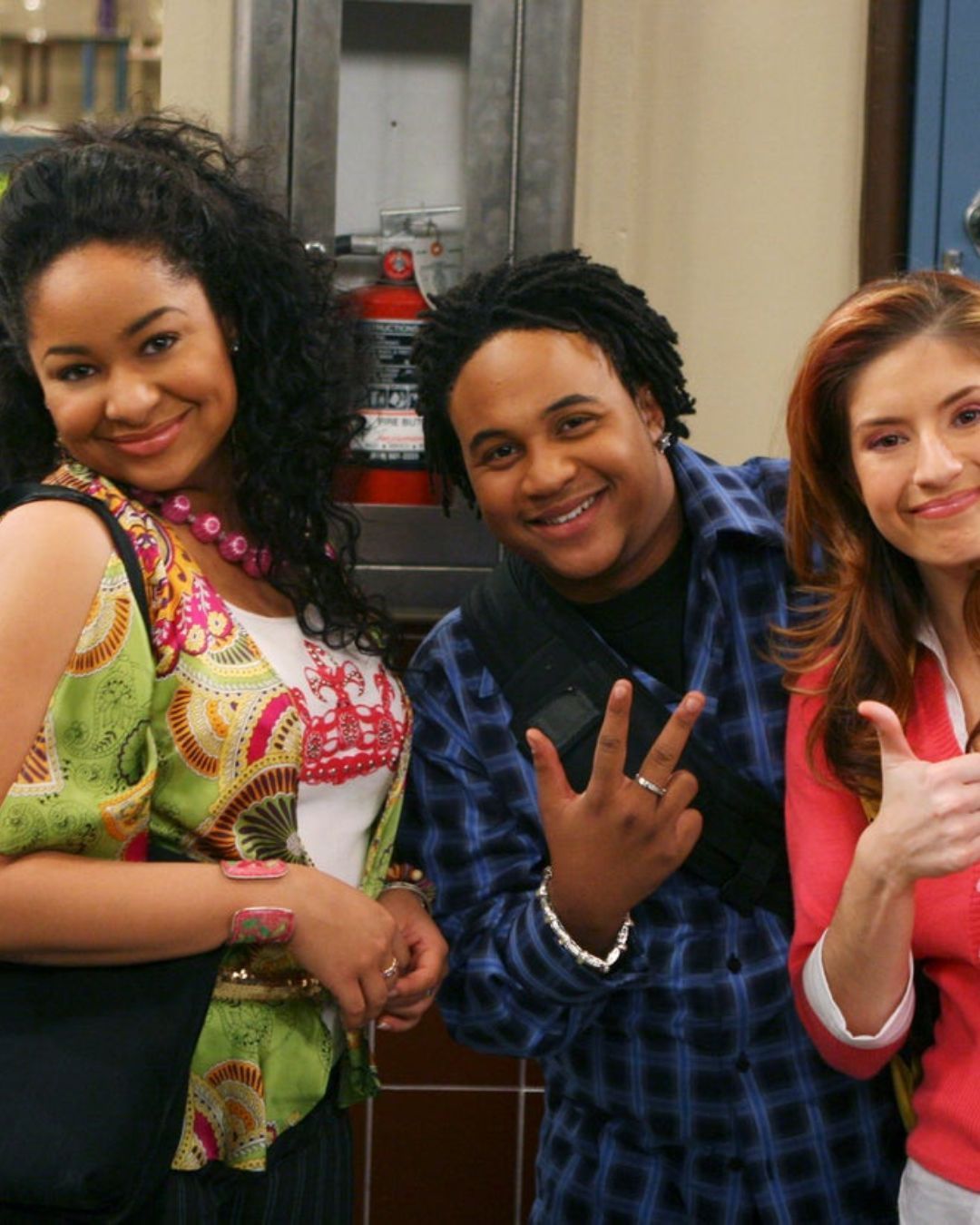
Today, things have changed. Kids’ shows - the ones you loved and hated, the ones that made you realize you had grown up when you finally started to see them as very cringe - have all but disappeared. No more lively heroines in colorful outfits getting into trouble (think Selena Gomez in Wizards of Waverly Place), no more quirky trios like iCarly, no more outrageous hairstyles like in Victorious. No more new Sam & Cat, Shake it Up, Zack & Cody, Good Luck Charlie or That’s So Raven. That world is gone, and what remains to testify to a TV made specifically for kids are only reruns. As Ari Thee Architect explains well on TikTok, responding to a user who wondered why there are no new shows in the tween entertainment sphere: "There was a time when people aged 10 to 15 had their own world. Their own movies, their own shows, their own music, all media created with them in mind. Now, it feels like as soon as you turn 12, you automatically have to watch stuff made for adults. Kids watch streamers, influencers, Love Island, things that aren’t age-appropriate in theory, and that push them to grow up too fast, putting them under pressure and isolating them.
@aritheearchitect Bring Tween media back!! #disneychannel #nickelodeon #early2000s original sound - Ari Thee Architect
What happens when tween entertainment no longer exists?
The consequences are obvious, but no less sad and potentially dangerous: "We’ve forgotten about this stage of growth, and the pressure on preteens is growing. They are being asked to achieve an aesthetic they’re too young for. Middle school is a difficult period, because you’re trying to figure out who you want to be. I can’t imagine not having had Disney Channel or Nickelodeon during that awkward time." In short, kids’ TV no longer offers ideas or novelty, and the void created between children’s programs and adult shows mirrors what exists in society, where preteens are not given the space to remain preteens for a while, accelerating their growth and creating adults under pressure and burned-out adults who lack spaces for carefree socializing, without spending or performing.
@fernfromarthur Replying to @Soho
The role of TikTok, the internet and Young Romance
On TikTok and social media in general, this often creates confusion and exposes younger audiences to content they shouldn’t see without having the experience and awareness that comes, inevitably, with age. This is evident, for example, in the discussions around the manosphere, which involves and radicalizes increasingly younger boys, and in the addiction to porn content, which leaves young people unable to relate to the opposite sex naturally, without expectations, and in an exploratory way. The only genre truly tailored to young people seems to be young adult, especially in its young romance form. However, it’s impossible not to notice that in these books and fanfictions (and in the films and series adapted from them) themes like violence and sexual relationships are often addressed—subjects that should ideally be approached a bit later than ages 10 (and maybe even 11, 12, and 13). Lastly, let’s not forget that a bit of variety wouldn’t hurt. Where are the quirky, colorful stories? The kids who, at most, kiss in the school hallways by the lockers? The songs to hum during recess? According to some users, an alternative could be K-pop, but will that be enough to capture a generation of somewhat lost kids who risk turning into adults with no direction or reference points?