









































When a film festival tells the contradictions of today Our impressions on the Biografilm Festival 2025 in Bologna
Leaving the viewer with more questions than answers might seem contradictory, but it’s actually a sincere invitation to learning and awareness. That’s the goal of Biografilm Festival artistic directors Chiara Liberti and Massimo Benvegnù. Now in its 21st edition, the festival returned to Bologna from June 6 to 16 with a broad selection of documentary and fiction films centered on real-life stories.
Among the 73 films screened, standouts included Together, the Italian premiere of Michael Shanks’ body horror on emotional codependency starring Alison Brie and Dave Franco, and Alpha by Julia Ducournau, shown in its international premiere after debuting at the 78th Cannes Film Festival. The Biografilm program is divided into several sections - international documentaries, Italian films, hybrid fiction-documentaries - including Contemporary Lives, which offers collective perspectives on today’s issues. Two documentaries in particular delve into layered, complex dynamics: Emprise Numérique, which explores youth mental health in the social media era, and The Dating Game, which looks at the evolving rules of modern dating in contemporary China. Both avoid moralistic tones, instead focusing the viewer’s gaze on individual life stories that become universally resonant.
Emprise Numérique – 5 femmes contre les big 5 (Elisa Jadot)
The documentary opens at a U.S. Senate Judiciary Committee hearing. Seated at the bench are five CEOs representing the world’s largest social media conglomerates: Mark Zuckerberg (Instagram and Facebook), Linda Yaccarino (X), Evan Spiegel (Snapchat), Shou Zi Chew (TikTok), and Jason Citron (Discord). They, and everything they symbolize, are accused of failing to protect minors’ rights. Many families are in attendance, having lost daughters, siblings, or nieces. They hold up posters with the faces of their loved ones, a heartbreaking moment made worse when Zuckerberg turns to them and apologizes. His apology, however, is not spontaneous: it comes only after being prompted by a senator. The documentary could stop there, simply recounting the trial of five tech giants. But filmmaker Jadot centers the people behind the photos, the victims. In the U.S., Alexis, the youngest featured voice - barely 20 years old - shares how she battled anorexia and depression, worsened by social media content that validated and amplified her struggles. In France, lawyer Laure Boutron-Marmion represents Algos Victima, a collective of seven families suing TikTok for failing to protect their children, two girls took their own lives. In Spain, activist Elisabeth campaigns to ban smartphones before age sixteen. Meanwhile in France, Socheata of the Cameleon collective fights to protect children online. At the Senate hearing, Meta whistleblower Frances Haugen presented internal documents proving the company knew about the harmful effects of its algorithms on young users and chose profit over safety. Through powerful testimony, legal battles, and insider evidence, the film highlights the platforms’ full responsibility in spreading damaging content. Causing harm in a teenager is not incidental, it is a deliberate political choice.
The Dating Game
Director Violet Du Feng starts her documentary with a stark statistic: in China, there are 30 million more men than women, a direct outcome of the now-repealed one-child policy (abolished in 2013). But what lies beneath this gender imbalance? Du Feng uses a narrative approach similar to Jadot’s, focusing on the journeys of Zhou, Li, and Wou, three shy, insecure men seeking love with the help of dating coach Hao.
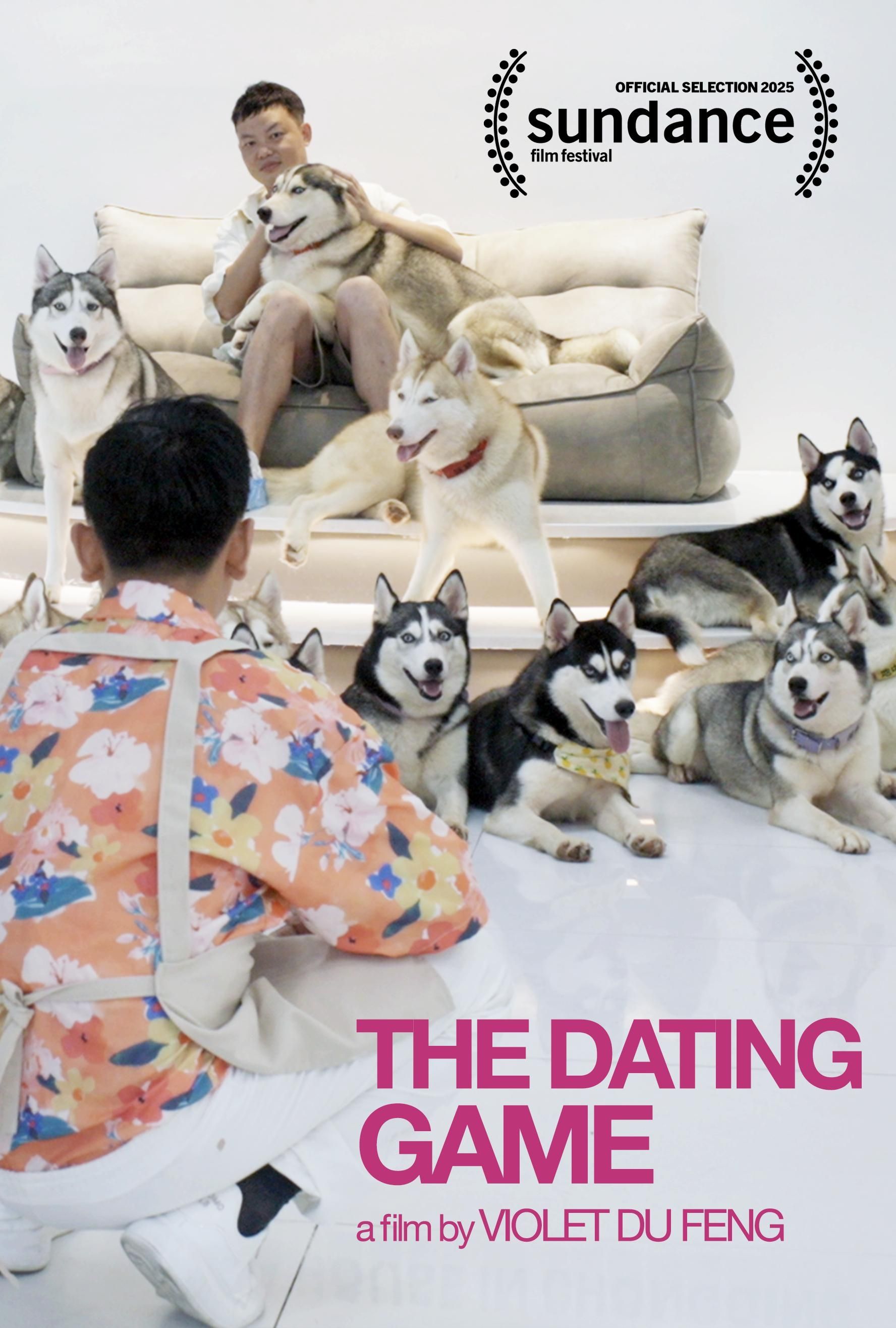
The three men spend a week in what is essentially a love bootcamp for the modern era, learning how to choose the right profile pictures (golf courses and huskies, of course), how to tailor interests (no to “cooking,” yes to “gourmet cuisine”), and how to initiate conversations. The masculinity coach Hao promotes is toxic, absurd, and performative. The men are not used to having women in their lives: their childhoods were shaped by the mass migration from rural areas to cities, raised by grandparents in difficult conditions. As Du Feng explains in an interview: "What fascinated me was seeing how people in the dating scene felt the need, from internal or external pressure, or sheer desperation, to package and promote themselves. In other words, to commodify themselves to compete. Human beings have become products; they must sell themselves to stand a chance at love. I didn’t fully grasp how dark and heavy this was until I worked with them. The emotional toll of the social pressure they faced was devastating. All the nuances - political, economic, cultural - created by this deep gender imbalance helped me understand their trauma."
