























Uniqlo: the brand that revolutionized fast fashion It all starts with the Supima T-Shirt, leading to a basic, nationality-less style that, despite its low cost, delivers on its promise of longevity
In recent decades, the term fast fashion has become synonymous with throwaway clothing: fast-moving collections that mimic luxury brands’ creativity at affordable prices, with garments that barely last a season, or even less. But amid this fast-paced and often superficial landscape, one brand has chosen a different path, while remaining accessible and global: Uniqlo.
@andrewstandards Leave it to the Japanese to make affordable fashion sustainable. I love @UNIQLO USA even more after this deep dive. #brand #clothing #basics #design #uniqlo #japan #fashion #branding #brandstory #everydaywear #minimalistfashion original sound - andrewstandards
We’ve grown used to thinking there are only two ways to shop for clothes: either buy items that fall apart after three washes, or make costly investments in staple pieces meant to last a lifetime, often out of reach for the average consumer. Uniqlo customers, however, form a loyal community that actively shares insights about the brand’s quality. On Reddit and X (formerly Twitter), numerous threads praise the brand, with customers often surprised by how well the clothes hold up after years of wear. Despite its affordable pricing, Uniqlo ranks eighth globally in fashion retail, right behind major names like Louis Vuitton, Chanel, Adidas, and Zara.
Uniqlo, from Hiroshima to the world
Originally from Japan, Uniqlo built its success on minimalist style, high-quality materials, and a philosophy that transcends mere trends. This approach may seem paradoxical for a brand technically categorized as fast fashion: it offers garments that don’t follow trends, but instead stand the test of time, in both style and durability.
Uniqlo’s story began in 1949 with the opening of a small store called "Men’s Shop Ogori Shōji" in Ube, Yamaguchi Prefecture. The turning point came in 1984, when the first store under the name Unique Clothing Warehouse opened in Hiroshima. The name “Uniqlo” emerged from a clerical error during the registration process, “Uniqlo” was written instead of “Uni-clo.” The result? A short, catchy name destined to become iconic. Within a few years, Uniqlo began expanding across Japan and then internationally, becoming a retail giant with hundreds of stores in Asia, Europe, and the Americas. In Europe alone, the brand operates around 80 of its 2,500 total stores worldwide.
Uniqlo’s enduring success might stem from its inclusive philosophy: “clothing for all.” Its aim is to create garments that transcend cultural and gender boundaries. The result is what CEO Tadashi Yanai calls a “nationality-less” look, clothes with no strong geographic or cultural identity. In an increasingly global world, Uniqlo offers familiar, universally wearable apparel.
The Supima case: quality within reach
The Supima T-Shirt, a seemingly ordinary €19.90 shirt, may actually be one of the most forward-thinking garments you can buy. What makes it revolutionary isn’t its appearance, but the bold idea it represents: challenging everything we’ve accepted about low-cost fashion. Supima cotton is renowned for its durability, softness, and vibrant color retention. Uniqlo has managed to bring this premium fabric to a mass market product, proving that “basic” doesn’t mean “boring.”
The Supima T-Shirt captures the essence of the brand: a daily essential, comfortable and elegant in its simplicity, designed to last both stylistically and physically. This vision has led Uniqlo to collaborate with world-renowned designers and institutions like Jil Sander, Christophe Lemaire, and even the MoMA in New York, delivering collections that blend art, design, and utility without compromising integrity.
@_nathaliemartin Uniqlo x Jil Sander. First Drop. #FW2021 #jilsanderuniqlo #jilsander #minimalfashion #fashionessentials #uniqlohaul BORN FOR THIS - Foxxi
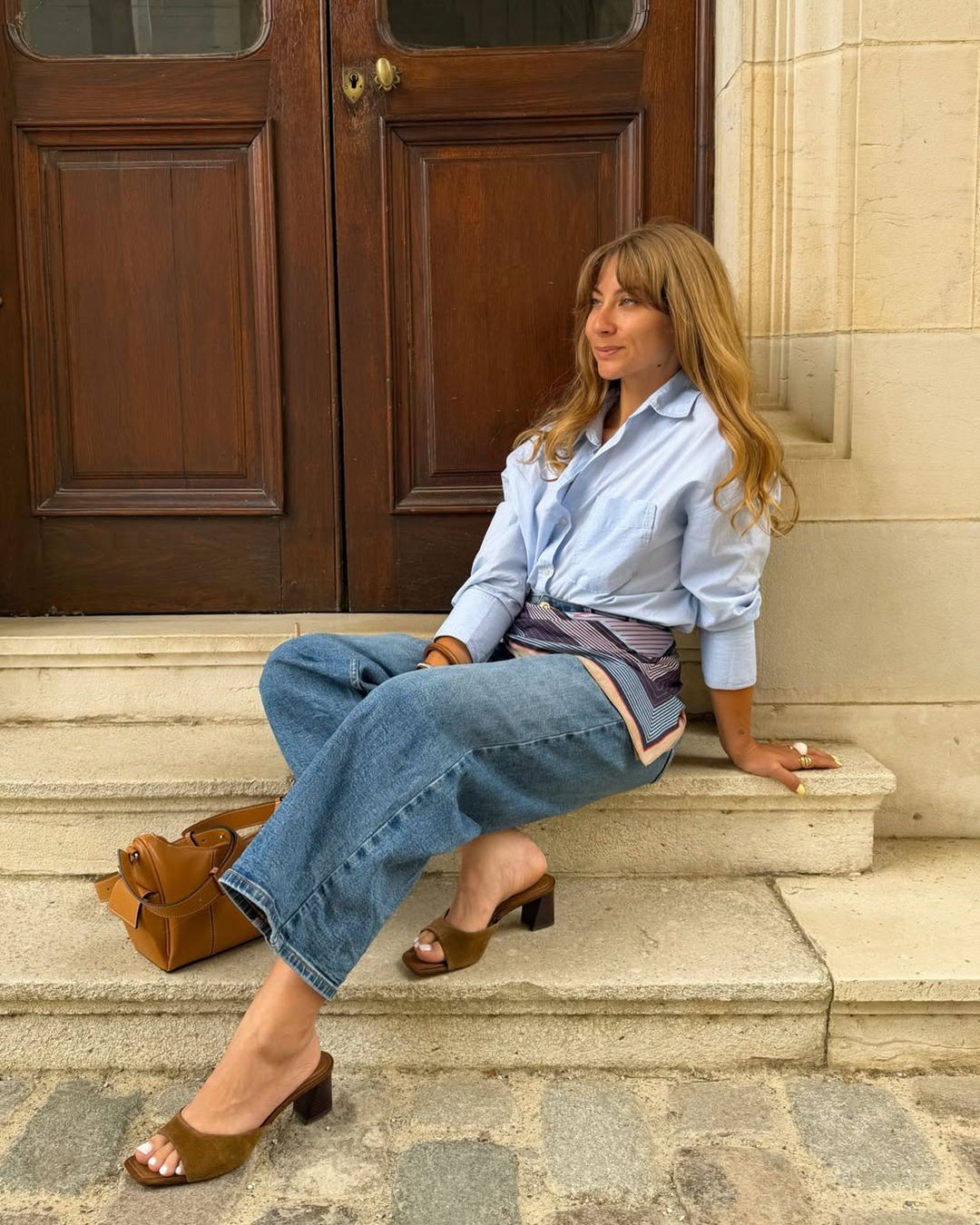
What sets Uniqlo apart from other fast fashion brands is its design philosophy. While many competitors chase fleeting trends, Uniqlo focuses on a minimalist aesthetic, no bold logos, no extravagance, crafted to complement any personal style. Its pieces are modular, easily combined, and remain relevant year after year. A hallmark of the brand is its retail experience. Every store is meticulously curated: items are sorted by size, color, and function, forming color-coded walls that make browsing calm and enjoyable, just like the clothes themselves.
Technology and innovation at the service of function
Uniqlo has built an empire by perfecting fabrics that many brands struggle to replicate, even at higher price points. Visionary founder Tadashi Yanai has steered the brand away from trend-based design and toward universality: clothing that anyone can wear, regardless of age, gender, or country. While brands like Zara or H&M launch new designs weekly, Uniqlo takes a more measured approach, releasing new items less frequently but investing more in textile innovation. AIRism, launched in 2012, is an innerwear line created for maximum comfort, offering a cool-to-the-touch feel, odor control, and moisture-wicking properties, ideal for athletes and hot climates.
HeatTech, on the other hand, is engineered to generate warmth from your own body temperature, making it a staple for cold weather. These are the kinds of pieces that sporting or technical clothing brands sell for triple the price, often with inferior performance.
At Uniqlo’s headquarters in Ariake, Tokyo, there’s even a weather simulation lab featuring two rooms: one simulates outdoor conditions with infrared and UV lamps (temperatures between -40°C and 60°C), while the other simulates indoor conditions (between -10°C and 60°C). Founded in 2017, Uniqlo’s Basic Research Institute is a scientific lab focused on LifeWear’s functional aspects, specializing in biometrics and product performance assessment.
A new way of thinking about fashion
Uniqlo has redefined what affordable fashion can be, showing that simplicity, quality, and functionality can thrive in a market dominated by speed. At a time when consumers crave authenticity and true value, the Japanese brand continues to grow without losing its identity. More than a revolution in fast fashion, Uniqlo represents a course correction: an invitation to rediscover the beauty of the essential, the durable, and the truly needed. And perhaps that’s exactly why it’s here to stay.
