













































The sea improves our health and our skin The benefits of the marine environment for body and soul between science and feminist literature
In the 19th century, a time when any harm to women's mental health was often misunderstood under the label of hysteria, doctors began prescribing seaside stays as an integral part of treatment. These sea cures became a kind of ritual: long walks along the shore, saltwater baths, enforced idleness in chairs facing the horizon. Not exactly the most effective therapy, but sea air is rich in negative ions, which stimulate the production of serotonin, the feel-good hormone, helping to reduce anxiety, insomnia, and mental fatigue.
@lilaclaurels Bring this back #18thcentury #littlewomen #ocean #oceanside #hysteria #mentalhealth #slay WAYAMAYA
Vacationing as a form of care and control for women in the past
If we trace the first records of 19th-century seaside resorts or browse the shelves of feminist literature, we’ll find a cast of women seeking convalescence by the sea. Today, we rightly mock the idea of doctors prescribing a "sea cure" to "hysterical" women as a rejection of female mental health and all its complexities. But social media is asking: beyond the sexism clouding those diagnoses, had those doctors actually discovered something? Though therapeutic, it was still a privilege reserved for the upper classes, and often represented a "gilded exile" more than a true cure. Not everyone could afford weeks at the sea. Holidays were a class-based treatment, and often became an elegant form of control and silencing for women who rejected imposed roles.
@lukemcameron Tokyo day trip idea. The seaside town of Kamakura is the perfect Tokyo day trip, full of restaurants, cafes, temples and a picturesque coastal train ride. You can get to Kamakura easily by train from central Tokyo in just under an hour. #kamakura #japan #japantok #japantravel #tokyo #tokyodaytrip #tokyotravel #tokyotrip original sound - Ghibli Shorts
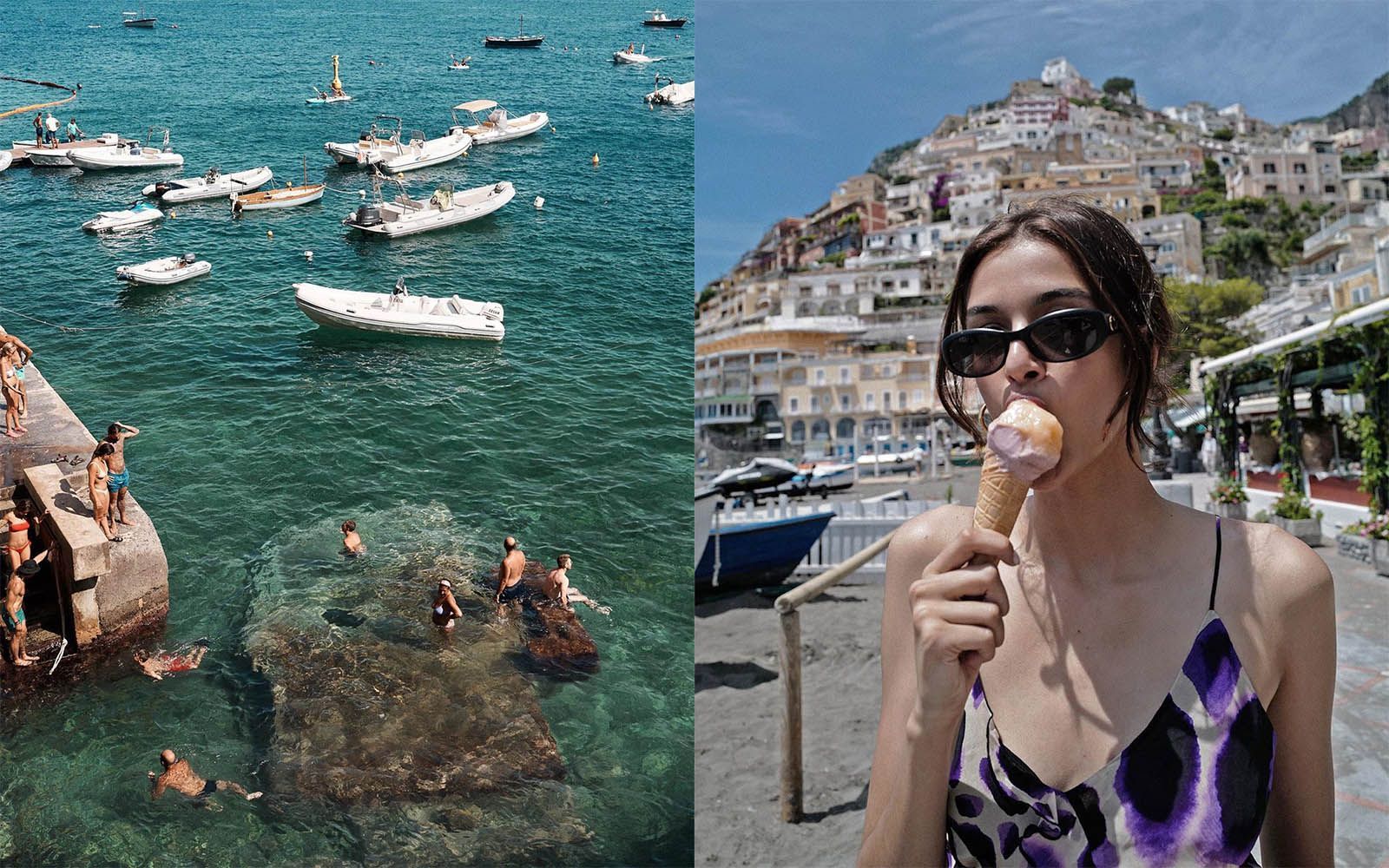
TikTok is now revisiting the story of the "hysterical" woman sent to the seaside and turning the Edna Pontellier core (Edna Pontellier is the protagonist of the novel The Awakening by Kate Chopin) into a subtly humorous trend. After all, who wouldn’t want to spend weeks at the sea as a therapy prescribed and justified by a doctor? Today, this practice even has a technical name: thalassotherapy. These are real treatment centers that use the benefits of seawater, warm sand, and natural aerosols. Much of what was once considered folklore associated with vacationing is now acknowledged by integrative medicine.
The benefits of the sea for the body
Improved respiratory health
Sea air is rich in negative ions and mineral salts (like iodine, magnesium, and sodium), which enhance lung function and help with asthma, sinusitis, and allergies. That’s why many natural products for chronic colds use seawater, such as ampoules for aerosol therapy, which contain a hypertonic solution of pure seawater with decongestant properties. Steam inhalations or "marine vapor inhalations" use the water vapor present in sea air, which can benefit the respiratory system. You simply collect seawater, heat it to boiling at home, and inhale the steam for as long as possible to take advantage of its balsamic and decongestant effects, useful for colds, sinusitis, and bronchitis.
@_savchuk_iryna Take a moment to breathe #peace #sunset #seaview #ocean #beach #nature #waves оригинальный звук - Daria Rudenko
Healthier skin
The sea and the sun, especially together, have powerful effects on the skin, both positive and negative. When exposure is done mindfully and with proper protection, numerous dermatological and systemic benefits can be reaped. Sea salt removes dead skin cells, leaving skin smoother and more radiant. Sand, when gently rubbed, also acts as a natural exfoliant. Seawater, rich in zinc, magnesium, potassium, and iodine, speeds up the healing of small wounds, cuts, pimples, or abrasions, meaning that psoriasis, dermatitis, eczema, and acne often improve. Many products try to recreate this effect, one of the most popular is Rituals’ Salt Body Scrub, rich in sea salt crystals.
Better circulation
The sea benefits blood and lymphatic circulation thanks to a unique combination of natural factors that stimulate the vascular system, improve venous return, and reduce swelling and heaviness in the legs. When you stand or walk in the water, the sea applies gentle pressure on the legs, which:
- Compresses the superficial blood vessels
- Facilitates venous return (blood flowing from the legs back to the heart)
- Reduces lymphatic stagnation, helping with swelling, edema, and cellulite
It’s the same principle used in elastic bandages and compression stockings, but natural. For example, VeraLab’s bandages are saline draining wraps made from single-use gauze soaked in highly concentrated natural salts. They drain excess fluids, detoxify, and slim down critical areas of the body.
A boosted immune system
Contact with the sea, sun exposure, and outdoor physical activity strengthen the immune system through a set of natural factors that affect both body and mind. Immersing yourself in the marine environment, water, air, sun, and movement, stimulates natural defenses and strengthens the body against infections, inflammation, and stress. Salt air brings more oxygen, seawater and its antibacterial minerals reduce inflammation, sunlight and vitamin D boost immune defenses, and most importantly, mental relaxation lowers cortisol. Experts say that even just 3–5 days at the sea can have a positive impact on the immune system, especially if you walk, breathe deeply, sleep well, and gradually expose yourself to sunlight. The sea acts on the human being as a whole. Through the senses (sight, touch, smell, sound), it stimulates the parasympathetic nervous system, lowers blood pressure, slows breathing, and opens mental space. It doesn’t just treat the symptom, it supports the whole system.
@lucybsmithphotographic Slow seaside summers #cornwall #coast #summer #fyp ac aethopia - cerys
The many benefits of the sea for the mind
Many women writers have found in the sea an escape from the limits imposed on their freedom. Virginia Woolf, for example, spent long periods in St. Ives, Cornwall, where the ocean gave her the calm needed to write and think. In The Waves, the sea becomes a metaphor for the flow of life, an element that gives identity and space to the inner voice. Elizabeth von Arnim, in her famous novel The Enchanted April, tells the story of inner rebirth for women tired of city life and social conventions, who find a new breath, a rediscovery of self, on the Ligurian coast. The sea here is not just a backdrop, but an active agent of change. In Little Women, Jo takes a sick Beth to the beach in the hope it will help her recover. The island of Ischia plays an important role in Elena Ferrante’s Neapolitan Novels, where the protagonist experiences her first journey as a young independent woman, and where Lila is sent by a doctor to "work" on her fertility. Grazia Deledda, Nobel Prize winner in Literature, often described the sea as a force that purifies and reshapes. In her stories, women approach the coast to atone for pain, to listen more closely to their conscience, or to uncover a repressed desire.
For the women of yesterday and today, the sea remains a sacred and therapeutic place. Not just to treat the "hysteria" of the past, but to face today’s inner challenges with clarity and strength. Maybe we don’t need to be "hysterical" to deserve a break. And we don’t need a doctor to prescribe it.