














































Why is everyone talking about gelatine? The beauty hack that combines kitchen and skincare
A new beauty secret is going viral on TikTok, sparking curiosity: gelatin, reportedly used by Sofia Vergara to maintain her flawless and youthful skin. Rich in collagen, gelatin is often seen as a skincare ally, believed to improve elasticity and combat signs of aging. But does it really work? Let’s find out.
What is edible gelatin?
Gelatin is a natural substance rich in amino acids, derived from collagen, a protein found in the connective tissues of animals like cattle and pigs. The gelatin commonly used in cooking is a processed form of collagen, available as powder or sheets, and is used to create desserts like jellies, gummy candies, or puddings. As we age, collagen production naturally decreases, leading to skin aging, loss of firmness, and wrinkles. That’s why gelatin is seen as a natural remedy: regular consumption can stimulate collagen production, improving elasticity and firmness. This not only combats signs of aging but also enhances the skin’s radiance and smoothness. Additionally, gelatin acts as a hydration booster for the skin, helping to retain moisture, leaving it soft and well-hydrated. When used in face masks, gelatin forms a film that creates a tightening effect, making the skin visibly firmer and smoother.
How to include it in your beauty routine
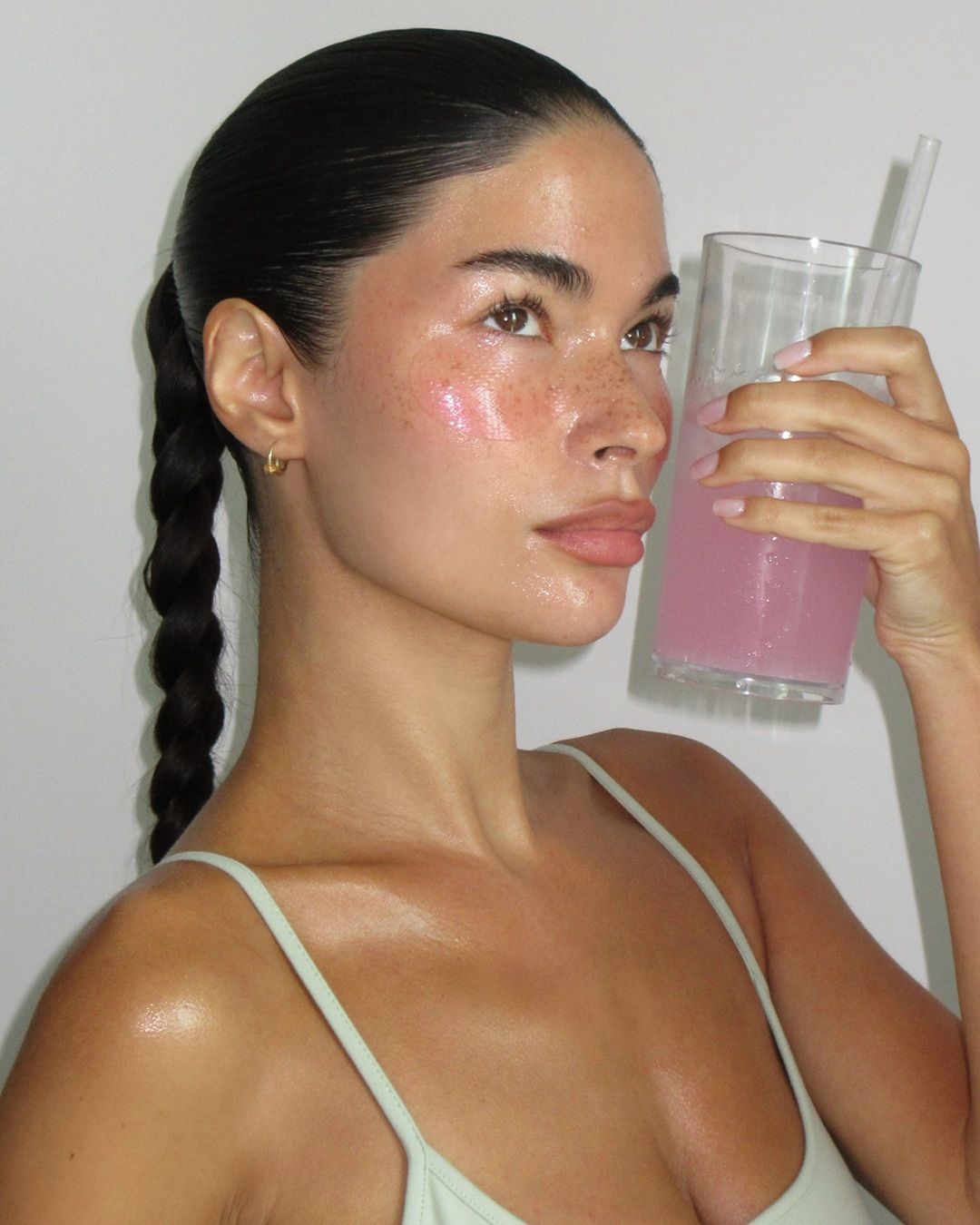
There are many ways to incorporate gelatin into your beauty routine. Some people like to add gelatin powder to their smoothies or drinks to promote collagen production from within. Others prefer gelatin-based face masks, which promise to improve skin elasticity and combat sagging. But the most popular method is eating it as jelly, often with added fruit for flavor. Gelatin isn’t just a skin ally; it can also benefit hair and nails. Its rich collagen content helps strengthen hair, preventing breakage and enhancing shine. It also fortifies nails, helping them grow stronger and healthier.
Is edible gelatin really effective?
While many creators swear by the benefits of gelatin for skin, experts remain divided. Some studies suggest that consuming gelatin or collagen can indeed improve skin elasticity, reduce the appearance of wrinkles, and support joint health. However, not all research is conclusive, and results may vary from person to person. Despite this, gelatin remains a nutrient-rich ingredient that can certainly contribute to overall skin health, enhancing hydration and firmness, especially when part of a balanced diet. Even though definitive proof is lacking, gelatin’s popularity as a natural treatment continues to grow among those seeking simple, readily available solutions.