





















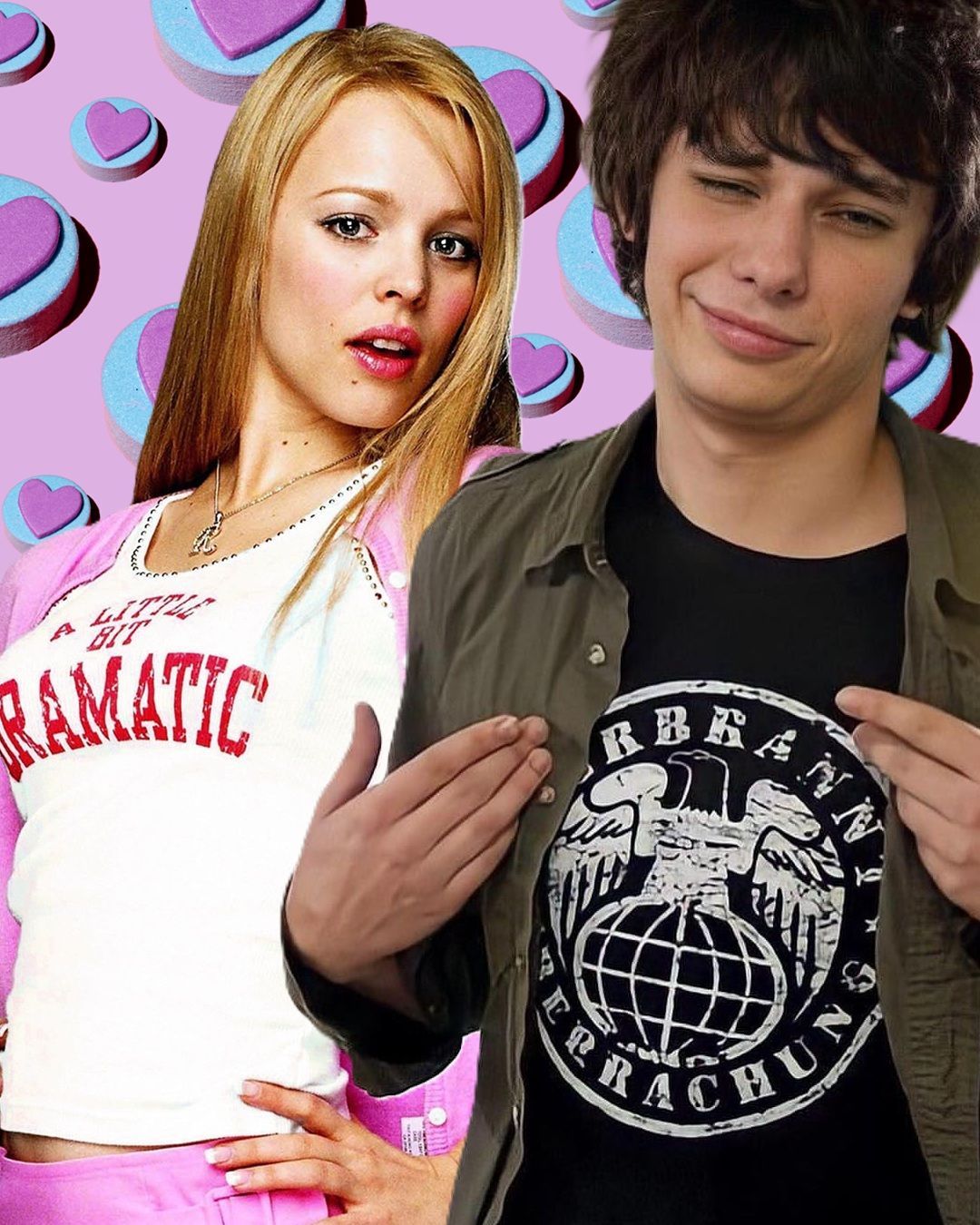
Rodgina and the return of cross-shipping What does this tell us about the future of entertainment and the power of fandom?
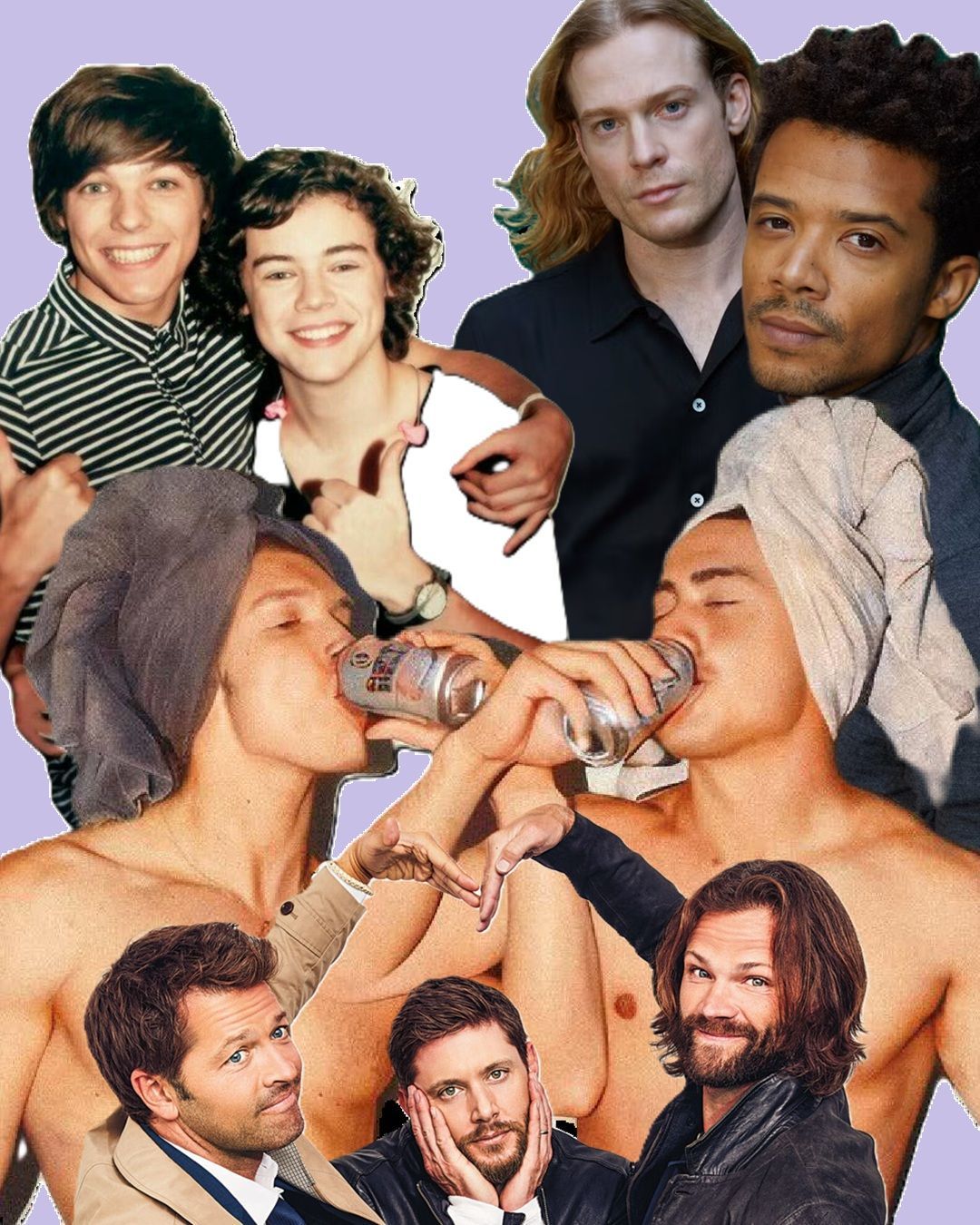
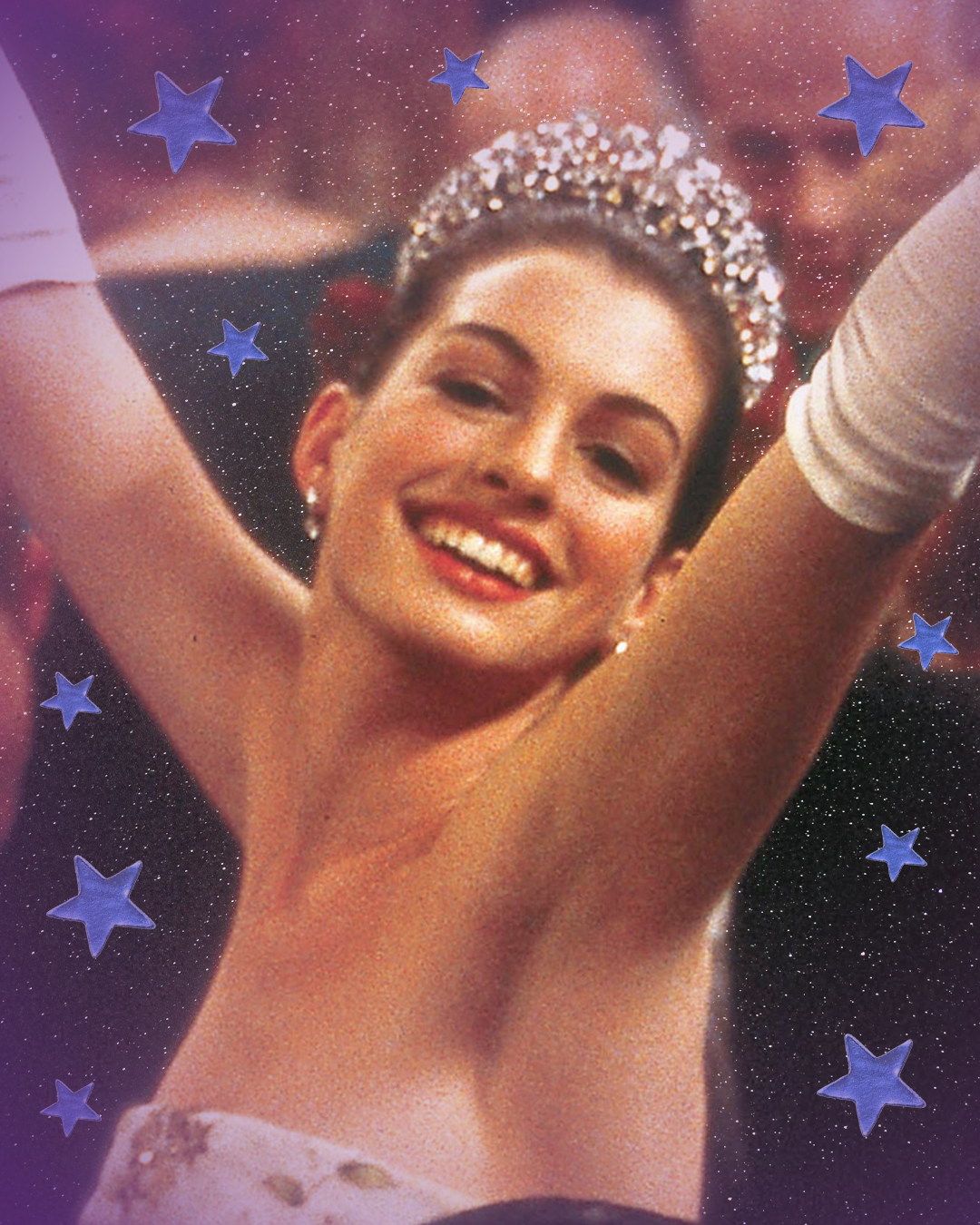
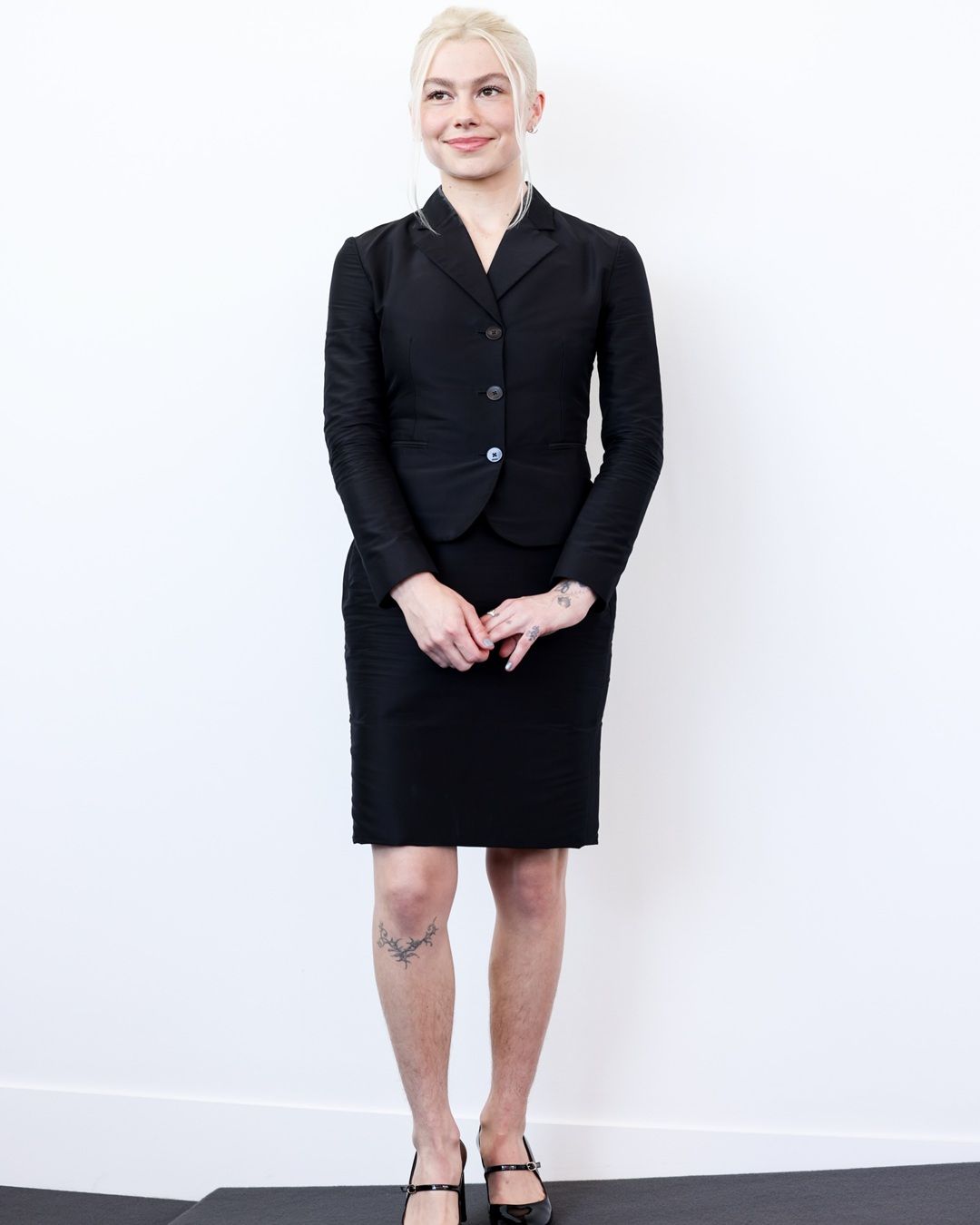
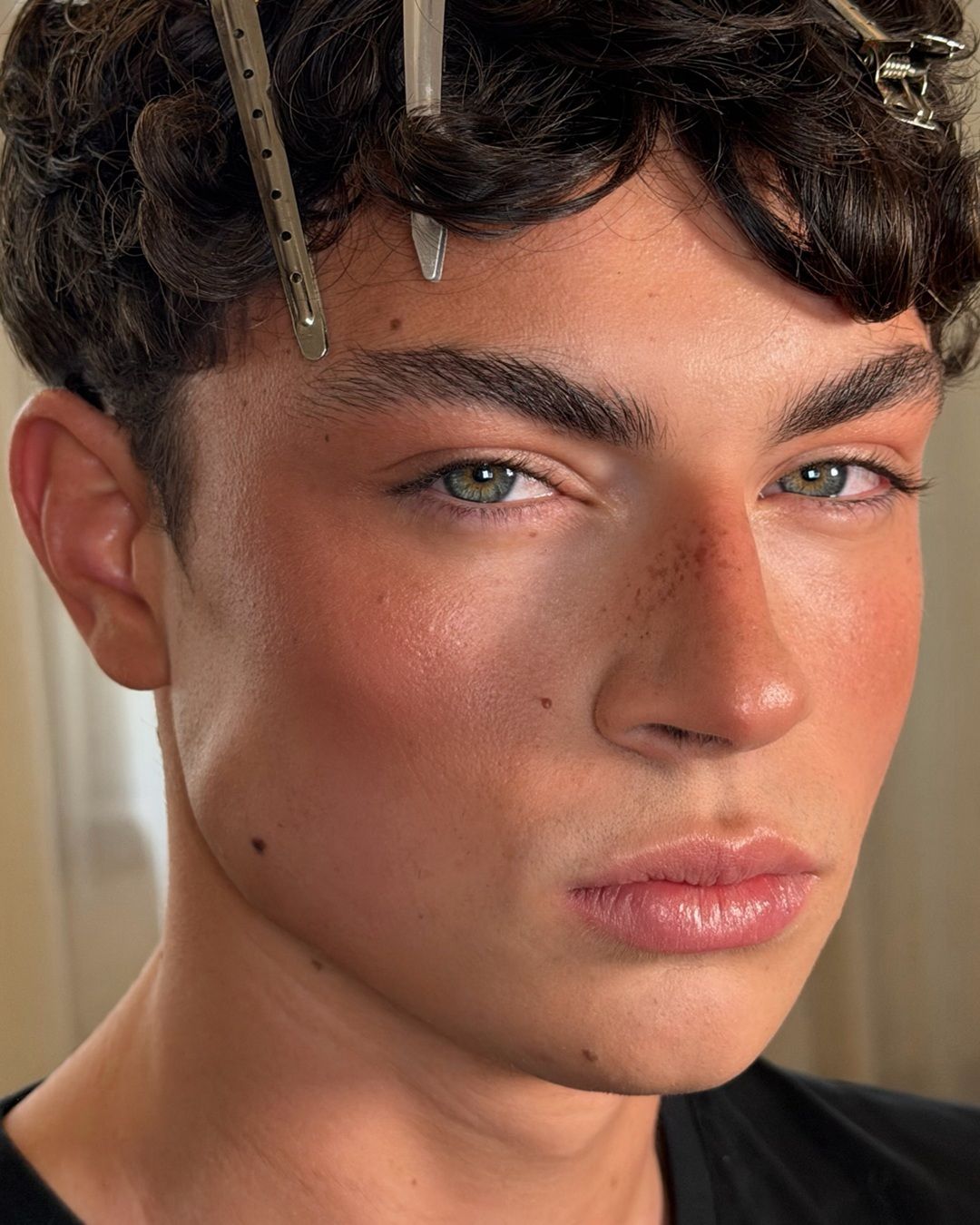
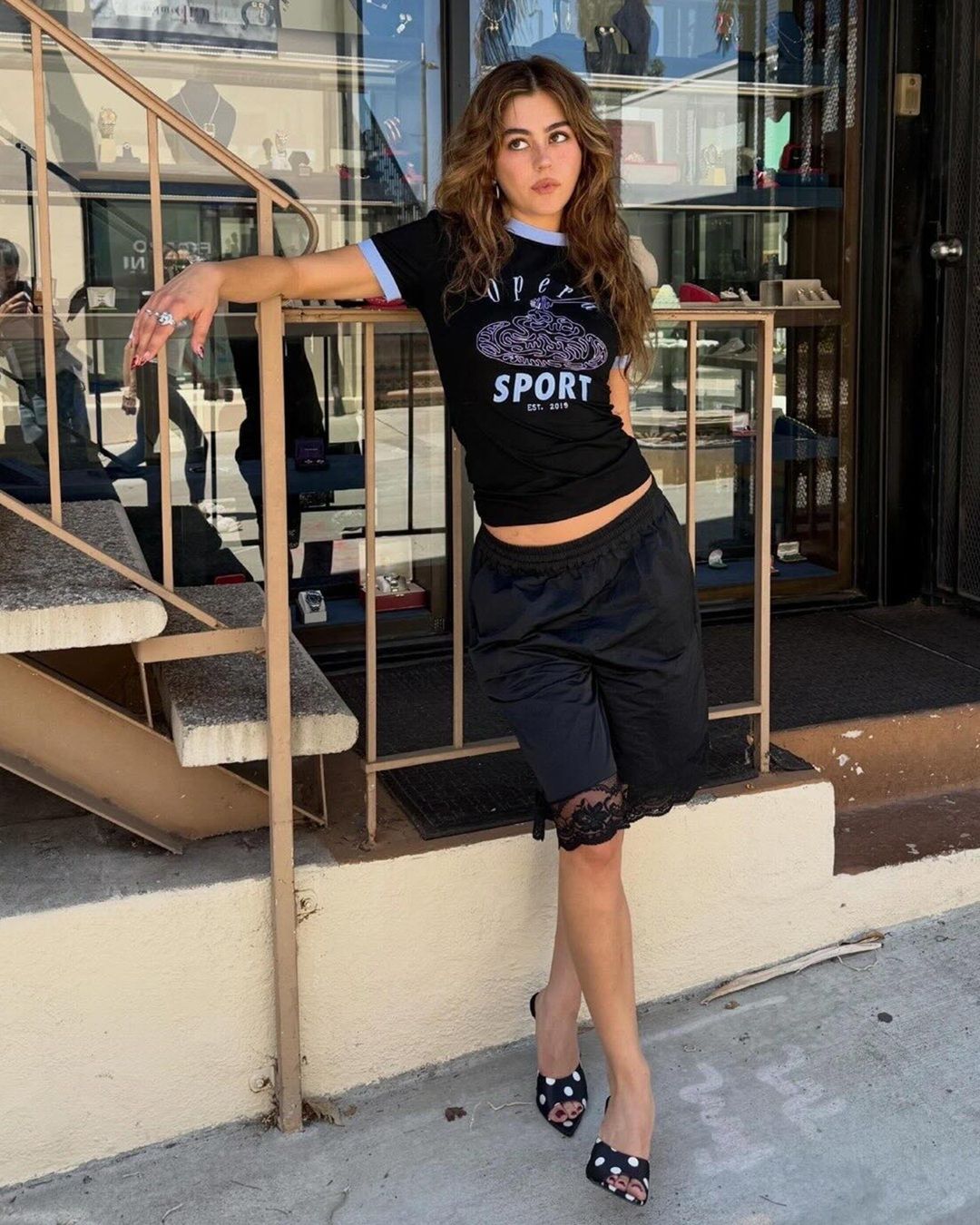
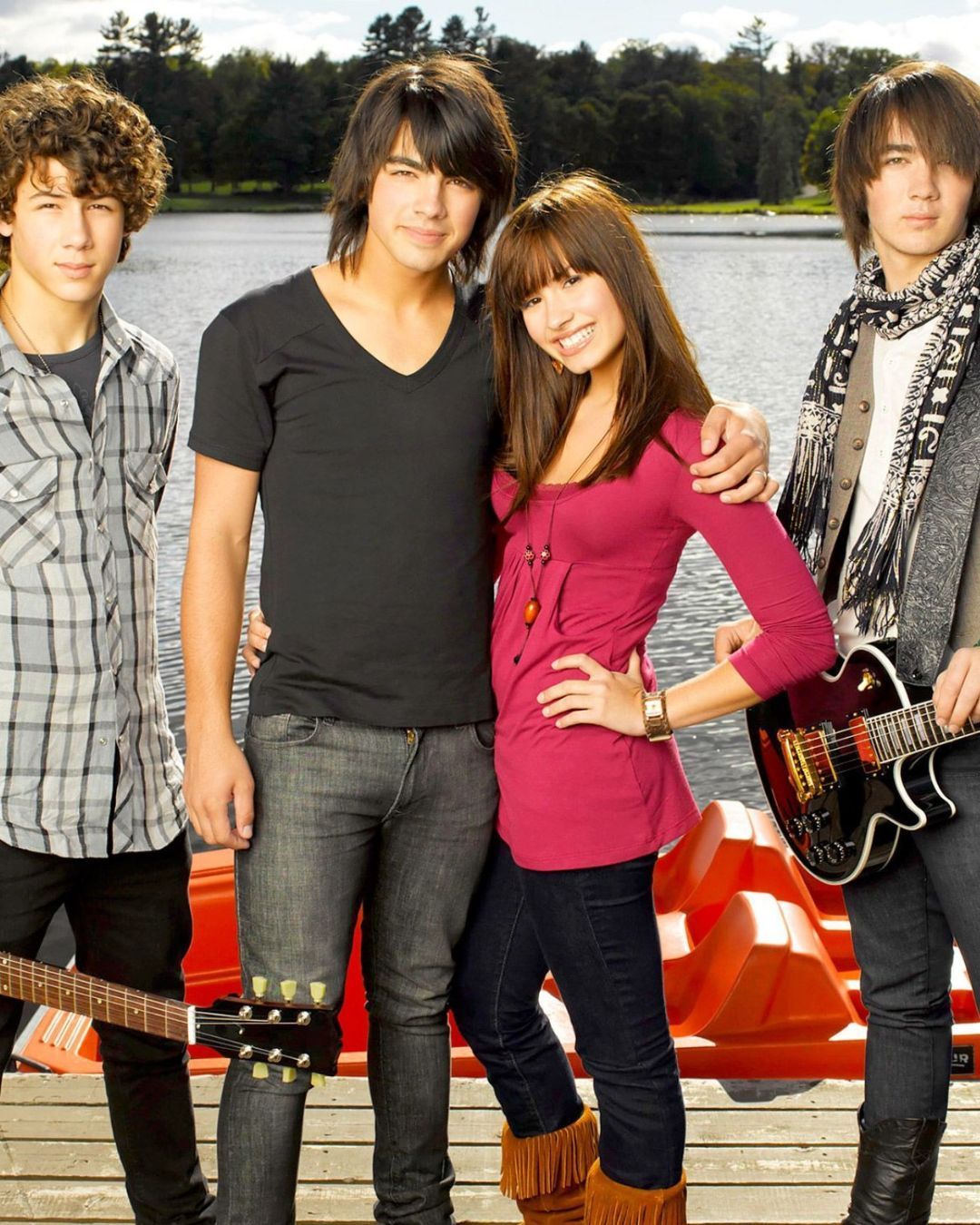
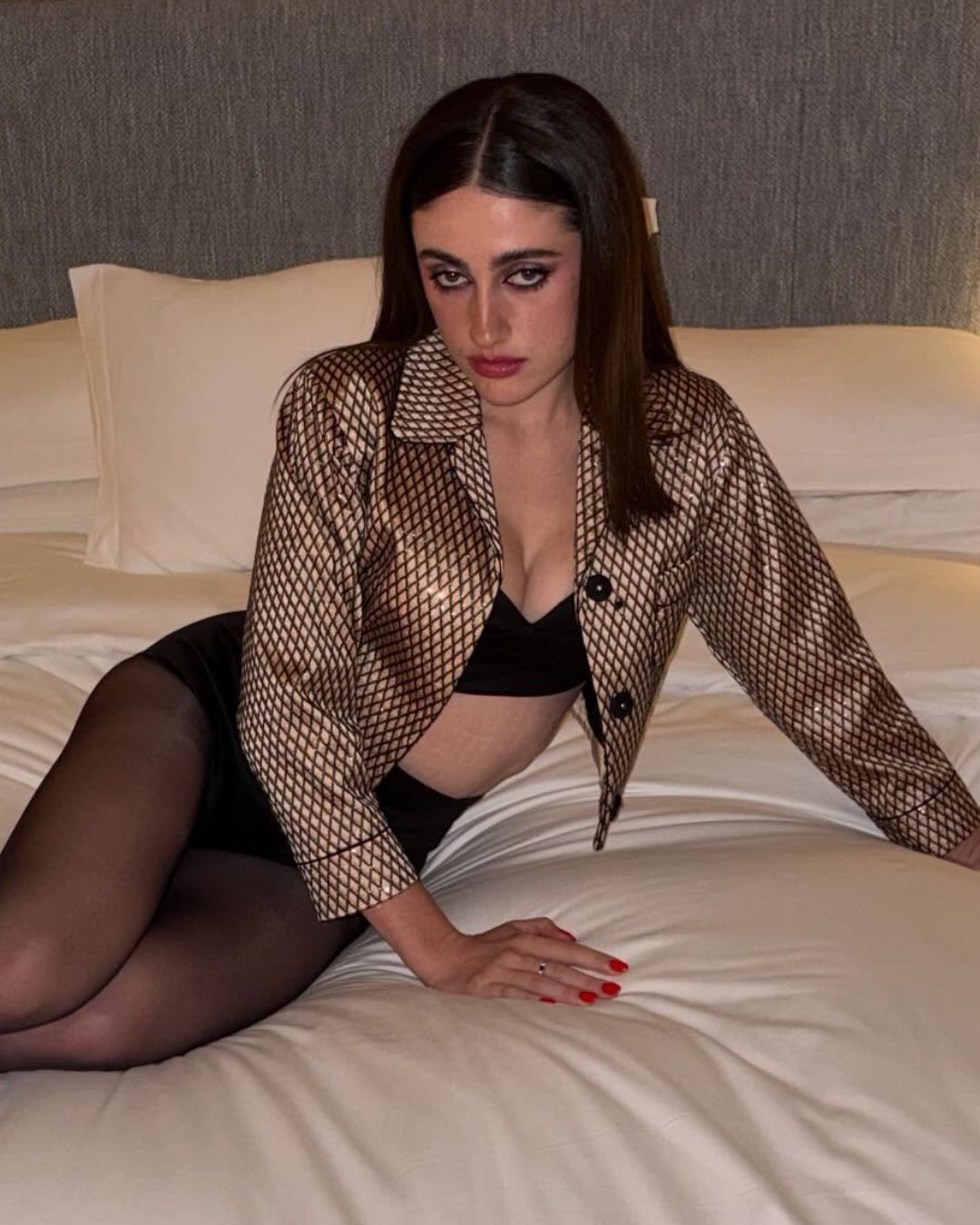
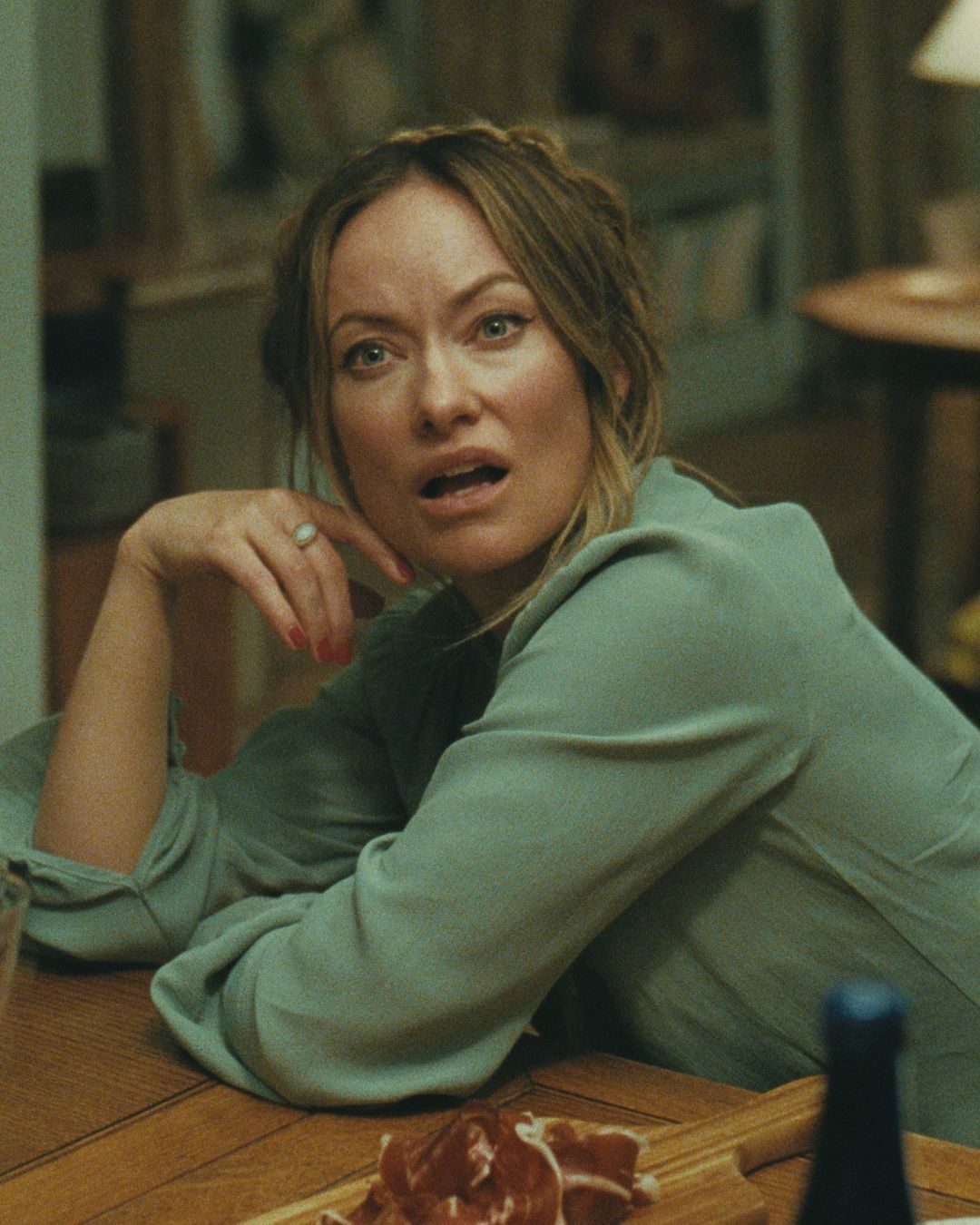
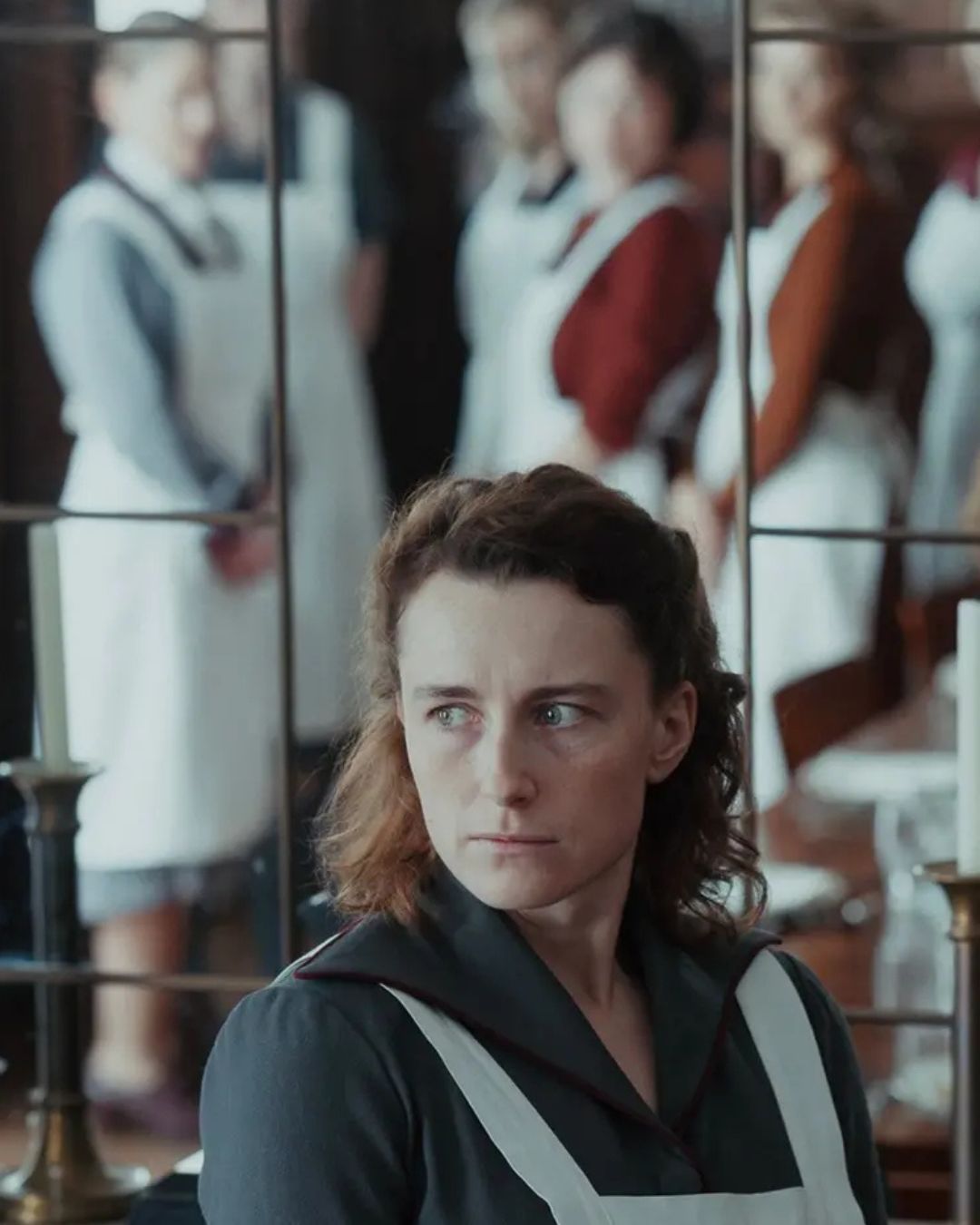
Jack Frost and Elsa walked so Regina George and Rodrick Heffley could run. If you’ve spent any time scrolling through Twitter (or X, whatever), you’ve probably stumbled across fandom’s latest obsession: Rodgina. At first glance, pairing the mean girl and the emo boy might seem an error. But dig a little deeper, and it makes sense, both are characters who weaponize cruelty as a defense mechanism. And with stunning fan art and perfect edits fueling the fantasy, Rodgina feels truly end game. In case you missed the memo: cross-shipping is having a renaissance.
The origins of cross-shipping: from fanzines to shared universes
If the term feels unfamiliar, think of it as the act, or better said art, of creating romantic relationships between characters from entirely different universes. Films, series, books, no world is off-limits, and that’s exactly the fun. According to Marie Nicola, a pop culture historian at Past/Forward, the roots of cross-shipping stretch back to the late 80’s, thriving first in print zines and primarily within slash fandom, a space where fans paired same-gender characters. What began as a clever response to the lack of queer representation in mainstream entertainment evolved into a defining movement for countless other fandoms, changing the way they engage with and enjoy their favorite stories and characters forever. Now, with the emergence of social media, cross-shipping grew far more common, as Nicola puts it, ‘‘keeping the tradition alive,’’ in faster, more visual ways. With audiences driving the cultural zeitgeist, demanding visual symmetry, emotional payoff, and chemistry that feels unmistakably alive, it was only natural for a ship like Rodgina to earn the title of Couple of the Year. But their undeniable chemistry isn’t the sole driver.
Cross-shipping between automation, endless nostalgia, and the desire for novelty
In an era where entertainment is threatened by AI and waves of nostalgia feel endless, viewers are craving something new. According to Tubi surveys from the past year, over 70% of Gen Z and Millennials prefer original movies and TV shows to remakes. ‘‘This is the polite way of saying franchise fatigue is real,’’ Nicola jokes. But more importantly, people are reclaiming authorship. ''They are taking pieces of corporate media and using them to tell their own stories instead of being a passive consumer,'' the pop culture historian explains. Stacy Jones, founder and CEO of Hollywood Brandes, echoes the view, arguing that cross-shipping, human, messy, and emotional, pushes back against the idea that content is becoming too automated due to the rise of AI and the predominance of cliché. ‘‘When a lot of mainstream storytelling starts feeling predictable, fans go create the dynamics they’re not getting,’’ says Jones. ‘‘Cross-shipping becomes a pressure release and a place to explore relationships with more tension and texture.’’ Caleb John, a Resident Evil and Left 4 Dead fan who ships Jill Valentine with Bill from Left 4 Dead, relates to that, adding that cross-shipping is ‘‘a way for the fan community to prove that only people can come up with unexpected and passionate fictional relationship.’’
Fanlore and collective storytelling
But cross-shipping appeal is not only driven by emotional hunger, creativity, a rebellion against AI, or the desire for innovation. As Nicola notes, ships have become an integral part of collective storytelling. ‘‘Fanlore is clearly a collaborative and communal space, designed by fans to support other fans in both shaping and connecting with the content that is most meaningful to them,’’ the pop culture historian explains. By fostering connection and a sense of shared purpose, cross-shipping is fastly redefining fandoms, turning them into ever more united communities, where the story is not just loved, but created and diffused.
The future of entertainment is in the hands of the audience
With fans stepping into the role of storyteller, guided by imagination, the future of entertainment promises more than passive spectatorship. As Jones explains, ‘‘They expand them. They merge worlds, build new arcs, and decide what belongs together.’’ Ultimately, fandom has never been about accepting one fixed canon. And as Nicola puts it, its future ‘‘is about caring less about rigid boundaries set by studios and use technology to bring their own narratives to life.’’ The power of culture now rests with the audience, and studios that pay attention will thrive.‘‘If a fan-created pairing catches fire, it’s telling you where the emotional demand is,’’ Jones concludes. ‘‘The ones who listen will stay relevant, and the ones who fight it will feel out of sync with how culture actually moves.’’