









Why do we like ugly things on the internet? From 0.5 photos to Snapchat, through the "rage" and "me gusta" memes
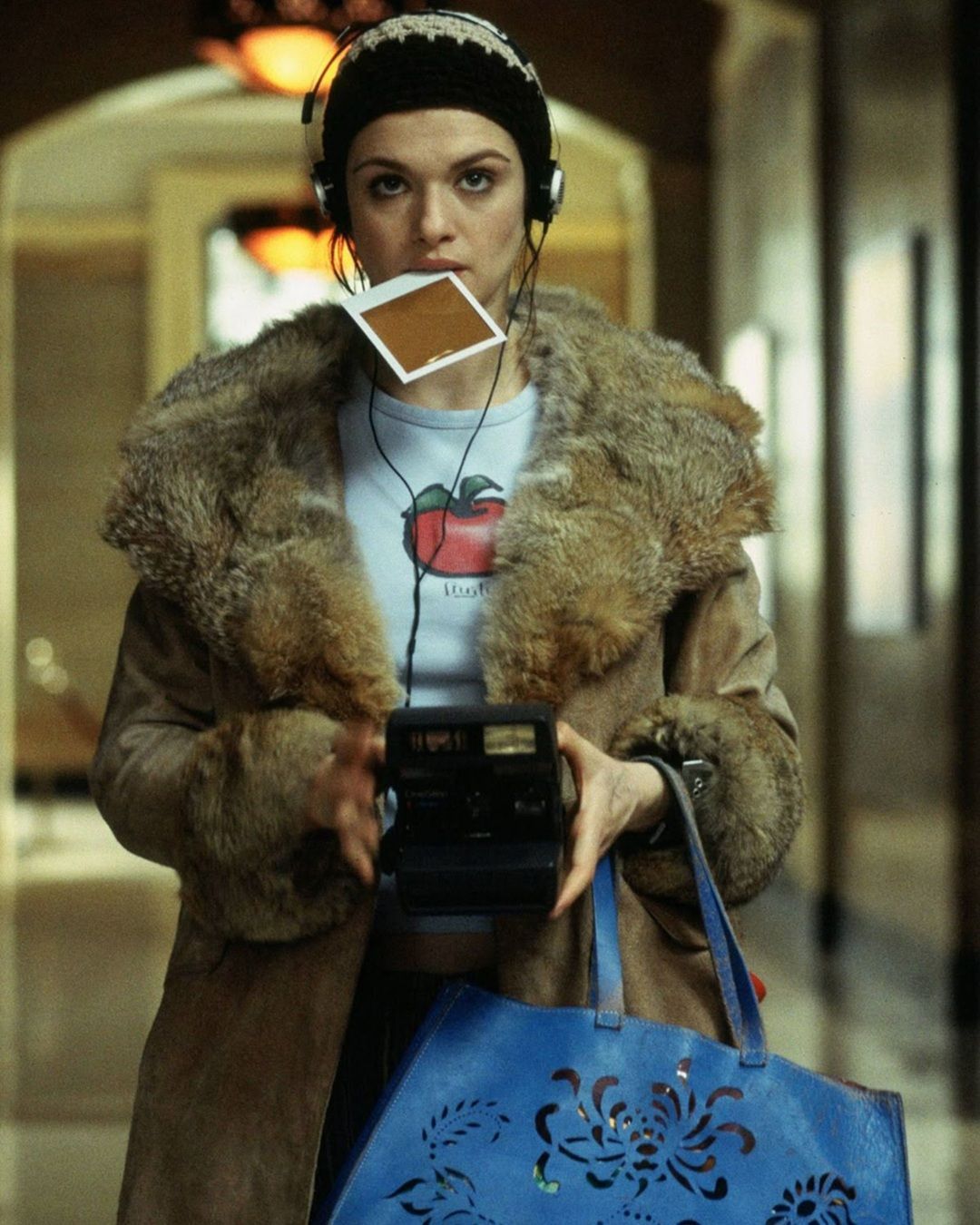
In the summer of 2015, after years of dormancy (or almost), it suddenly became impossible to buy a pair of Birkenstock Arizonas in Italy. They were sold out everywhere. I remember it well because I was in Siena, 21 years old, and I desperately wanted a pair because all the content creators (they were called influencers back then) had them, and because, well, I’ve always liked things that other people considered ugly. That’s right: for years I’ve tried to explain my fascination with things that are ugly-but-full-of-character, the so-called ugly chic. Not just in fashion, which has turned it into a full-on genre, but also in design, film, literature, the way I post on Instagram and photograph the cities I live in or visit. I've never felt as understood as I do online. And that might not be a coincidence.
"Internet is ugly" or why we love aesthetically ugly things online
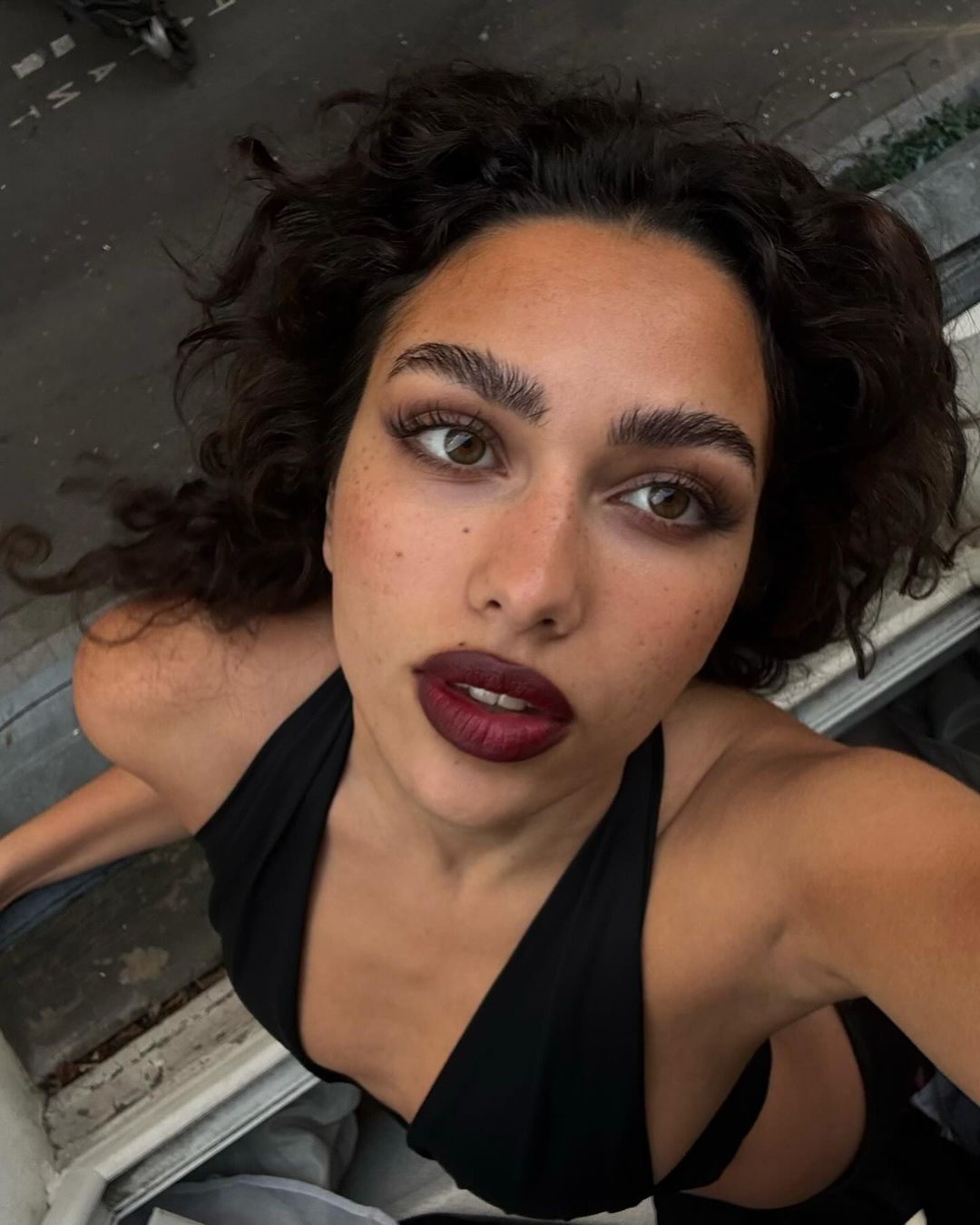
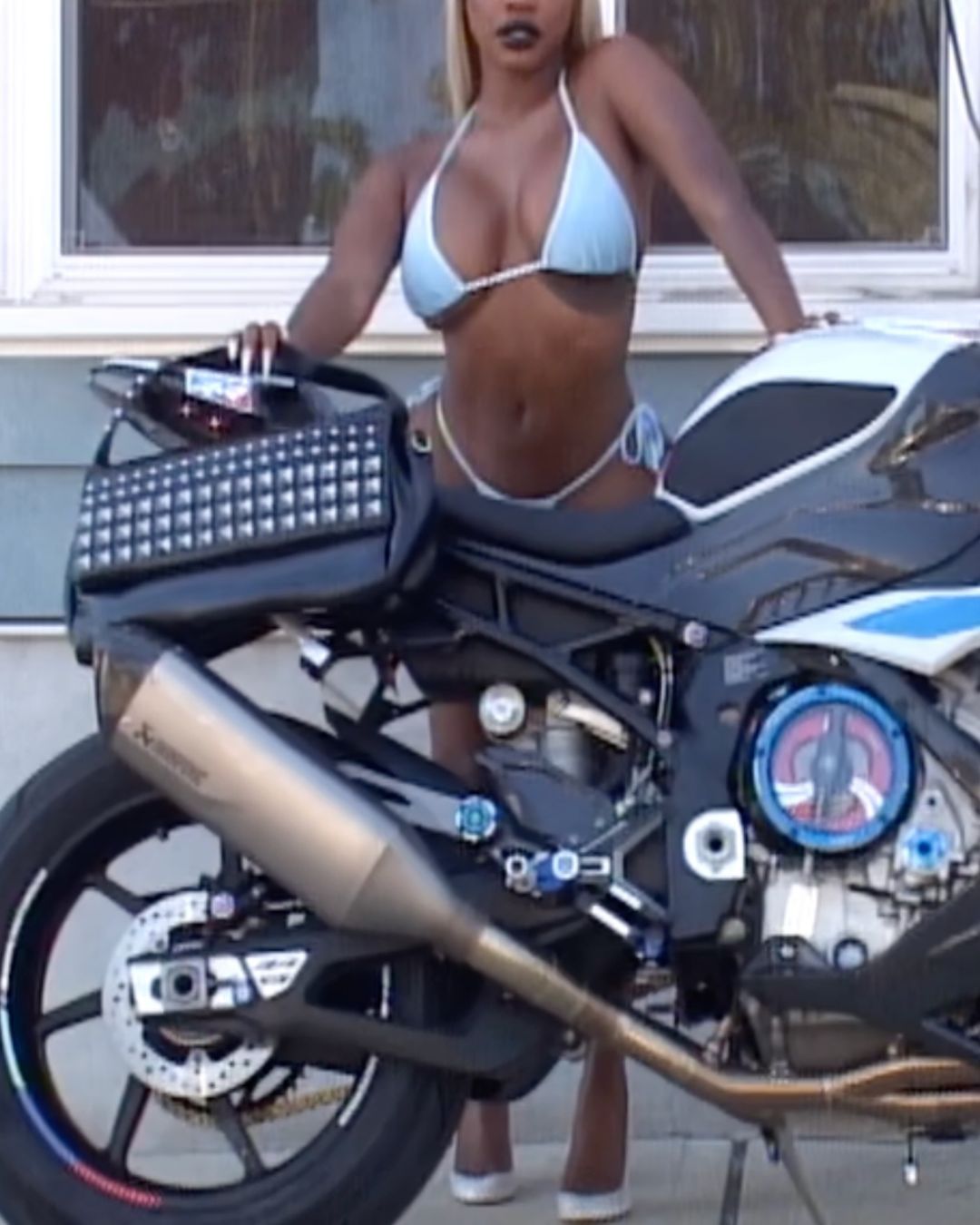
A TikTok creator has actually put forward a real paradigm around the ugliness of social networks and the internet in general. His name is Adam Aleksic, better known as Etymology Nerd, and he wrote a book called Algospeak - How Social Media is Transforming the Future of Language. According to him, in short, the internet will always be a little ugly, because that’s its distinctive aesthetic, it’s part of what it means to be online. Some examples? Those 0.5 selfies that make us all look like big-headed aliens. Or creators who refuse to clip their lavalier mic to their collar and instead hold it in their hand, even though it’s literally designed to be hidden. The roots of this aesthetic go back years, to old-school memes like “me gusta,” “trollface,” and rage comics, to Snapchat screenshots. Even now, amateur-looking content works better because it feels more authentic. Just look at the supremacy of TikTok over Instagram.
Maybe it’s also a natural reaction. We've always been bombarded by over-produced content from TV, cinema, and advertising, worlds traditionally run by professionals. In contrast, ugly content is associated with regular people, amateurs like us, which makes it seem more genuine. As a result, everyone wants to jump on the bandwagon, abandoning curated feeds and studio-style content in favor of imperfection calculated to the millimeter. But the truth of the internet lies in real ugliness, the common kind, not the manufactured one. We just like things that are raw and spontaneous, at least when we’re scrolling through social media.
The memification of ugliness and chaos
As always when talking about the plurality of social networks, balance is fragile. What’s the difference between true ugliness and the fake kind? Between something casually thrown together and something crafted by a digital marketing team and wrapped up in a strategically messy Instagram dump? In truth, real ugliness is the last true bastion of authenticity. Just think of core-core, hope-core memes, and those totally unhinged videos that pop up between polished content, like the Italian brainrot, which uses AI in bizarre, nonsensical, slightly ugly ways. Similarly, our way of speaking and writing is evolving too. Many of the new slang terms we’re seeing now, like "chopped" or "crashing out", are born from the subversion of traditional aesthetic preferences.
Ugliness in the fashion trends of 2025
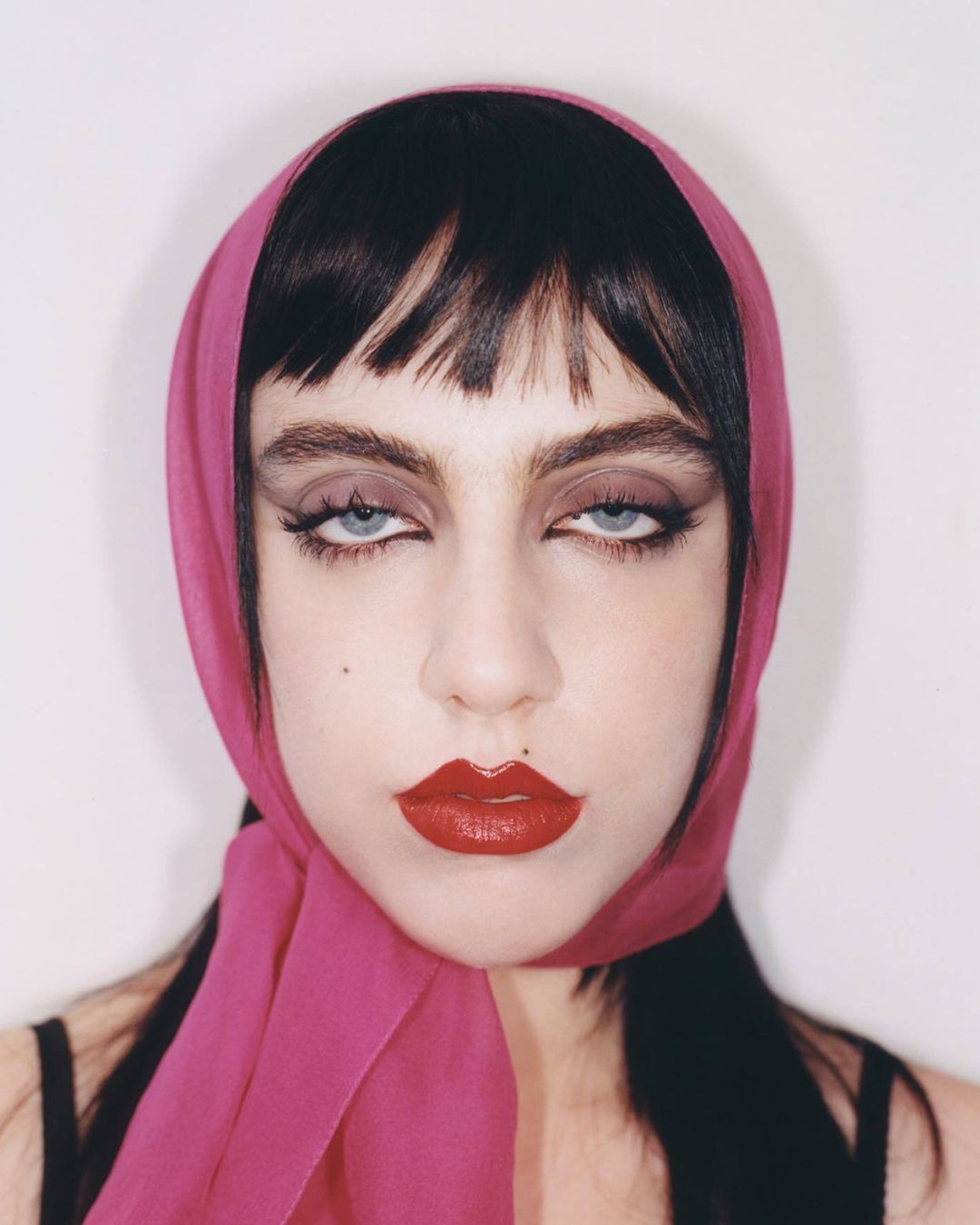
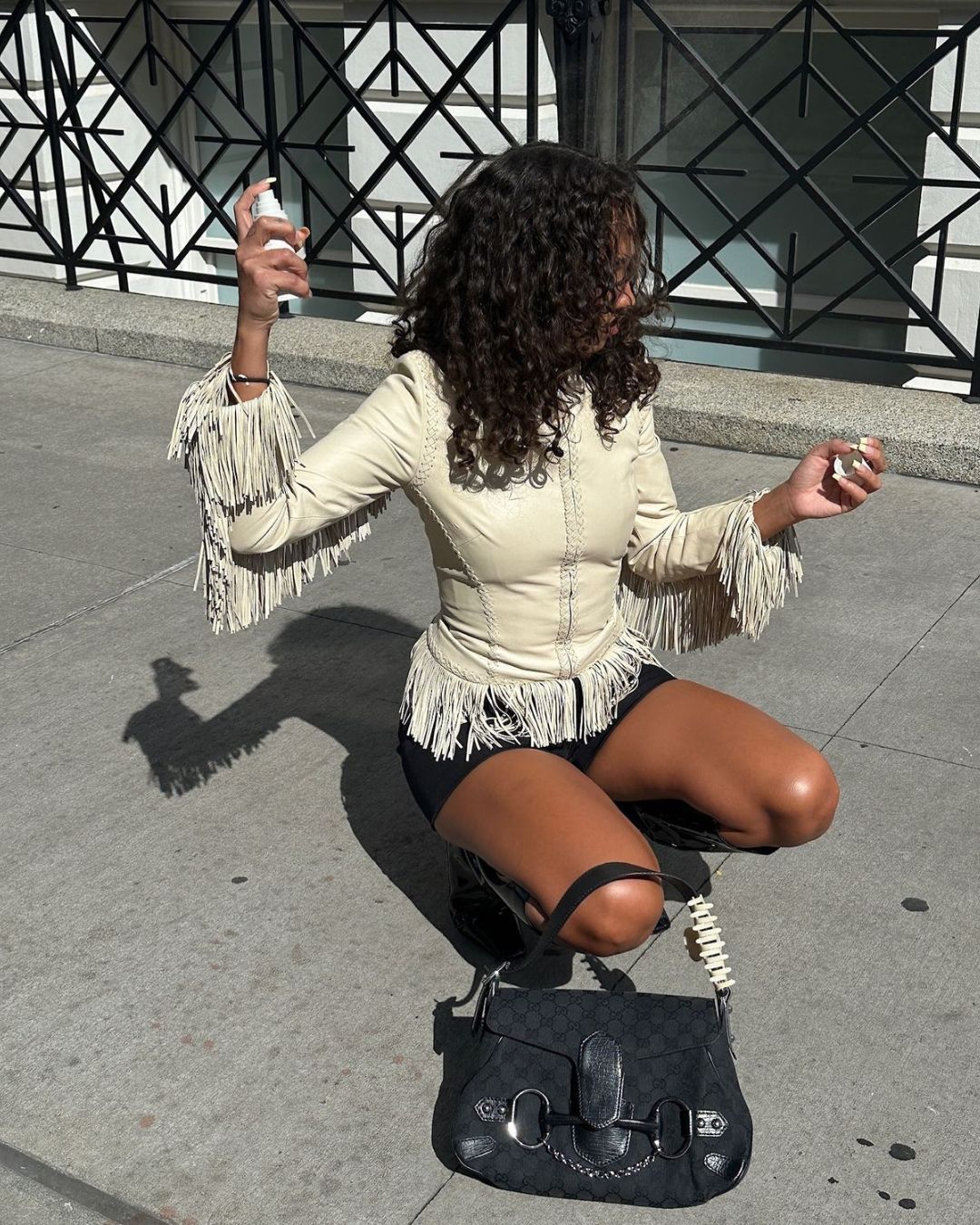
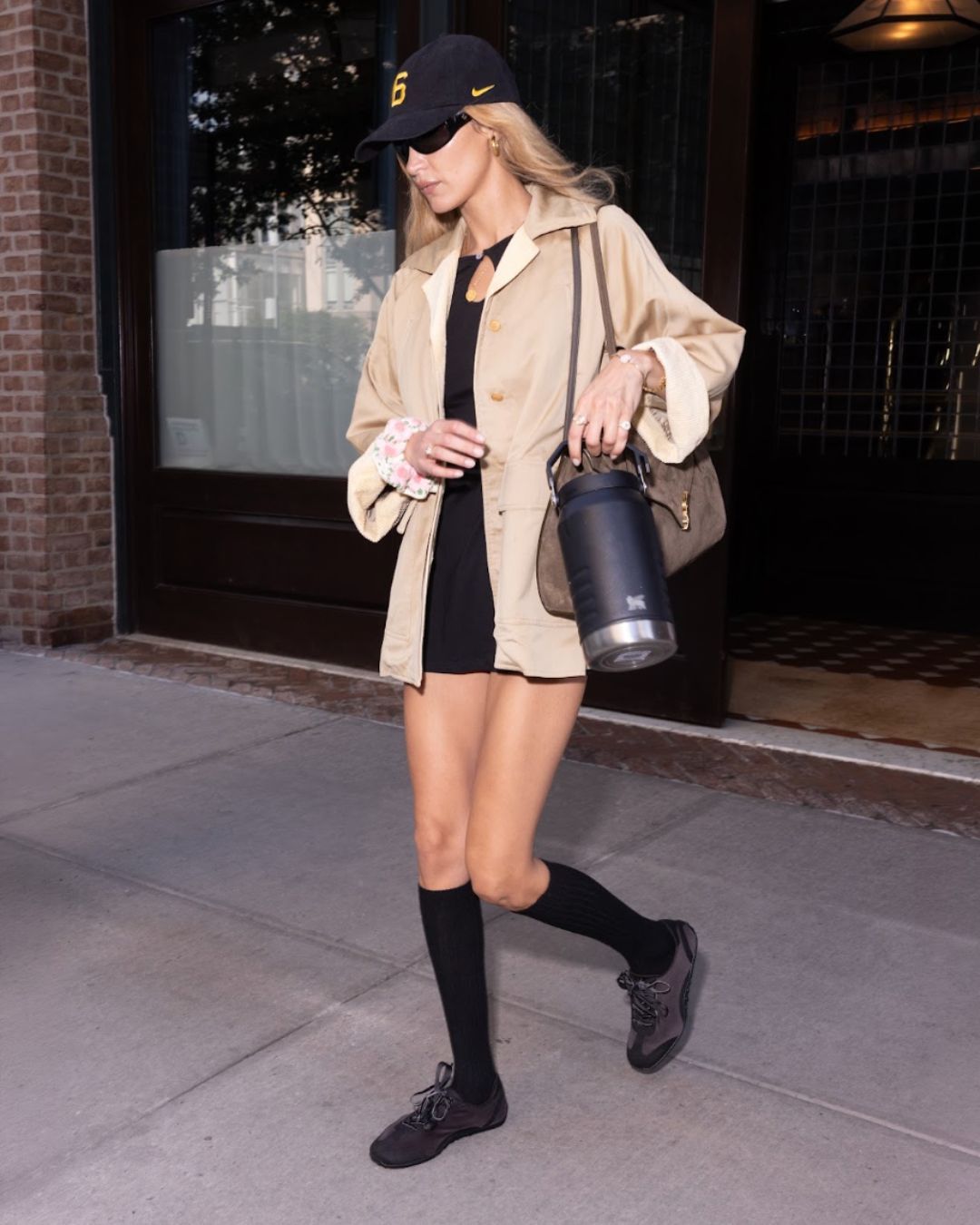
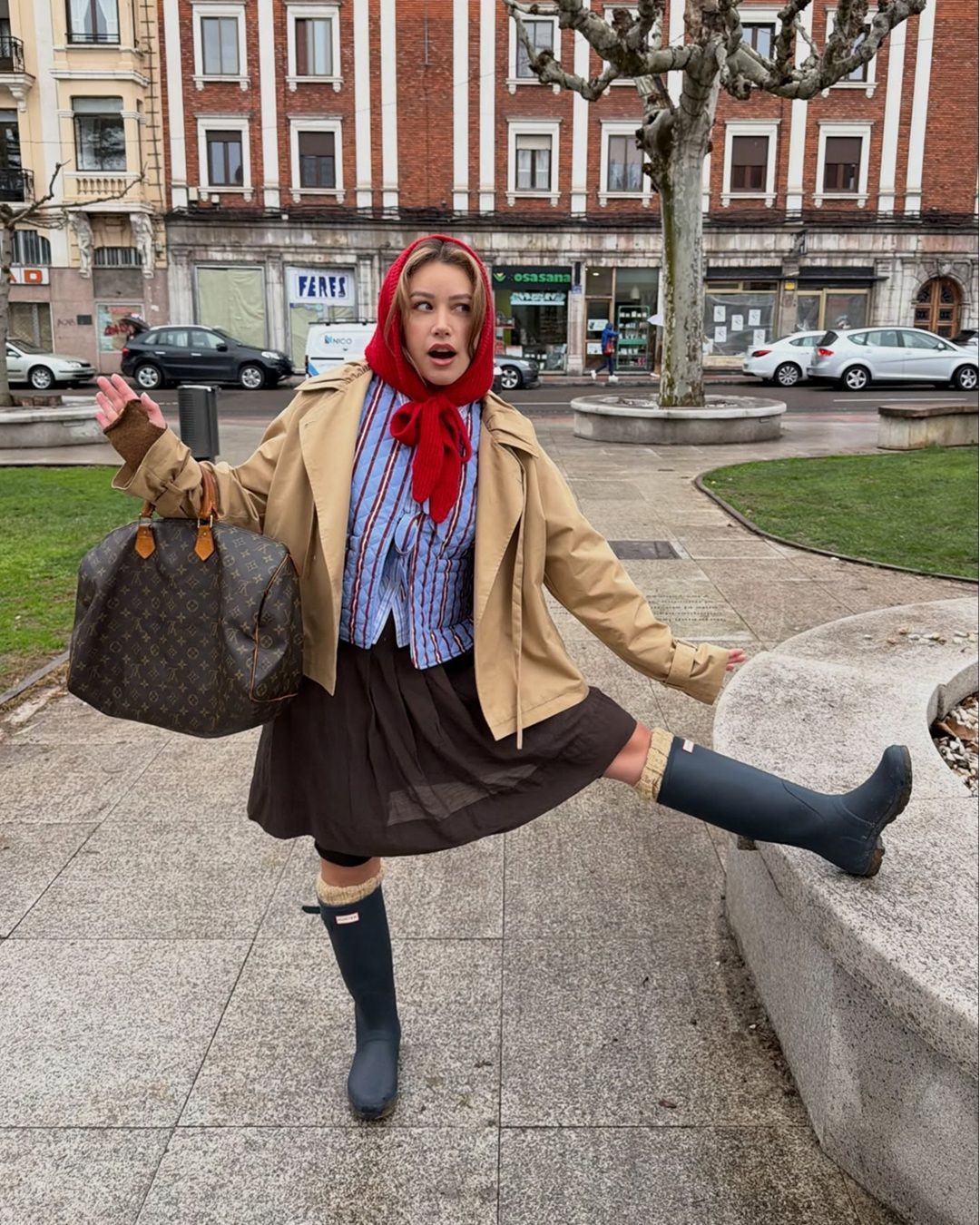
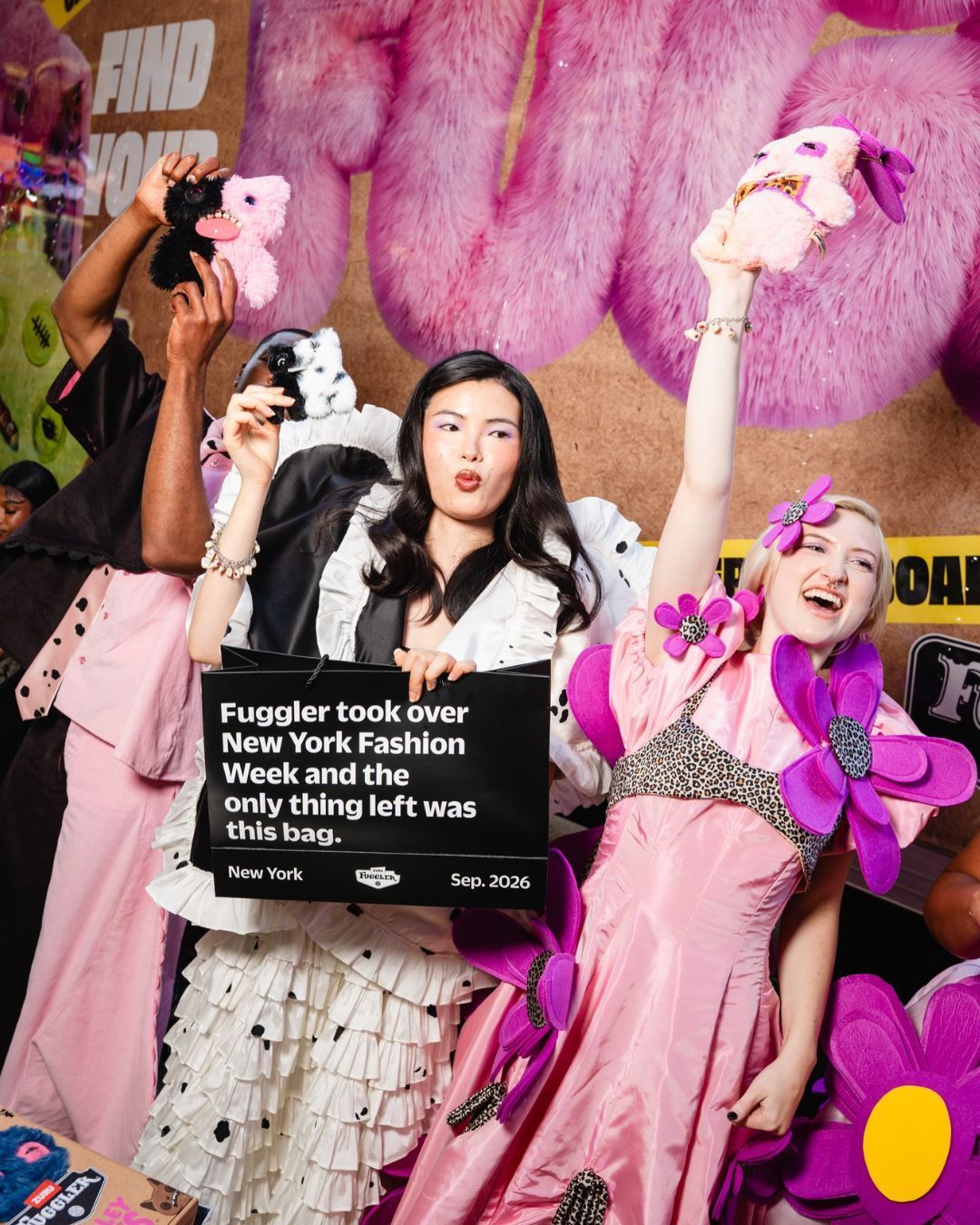
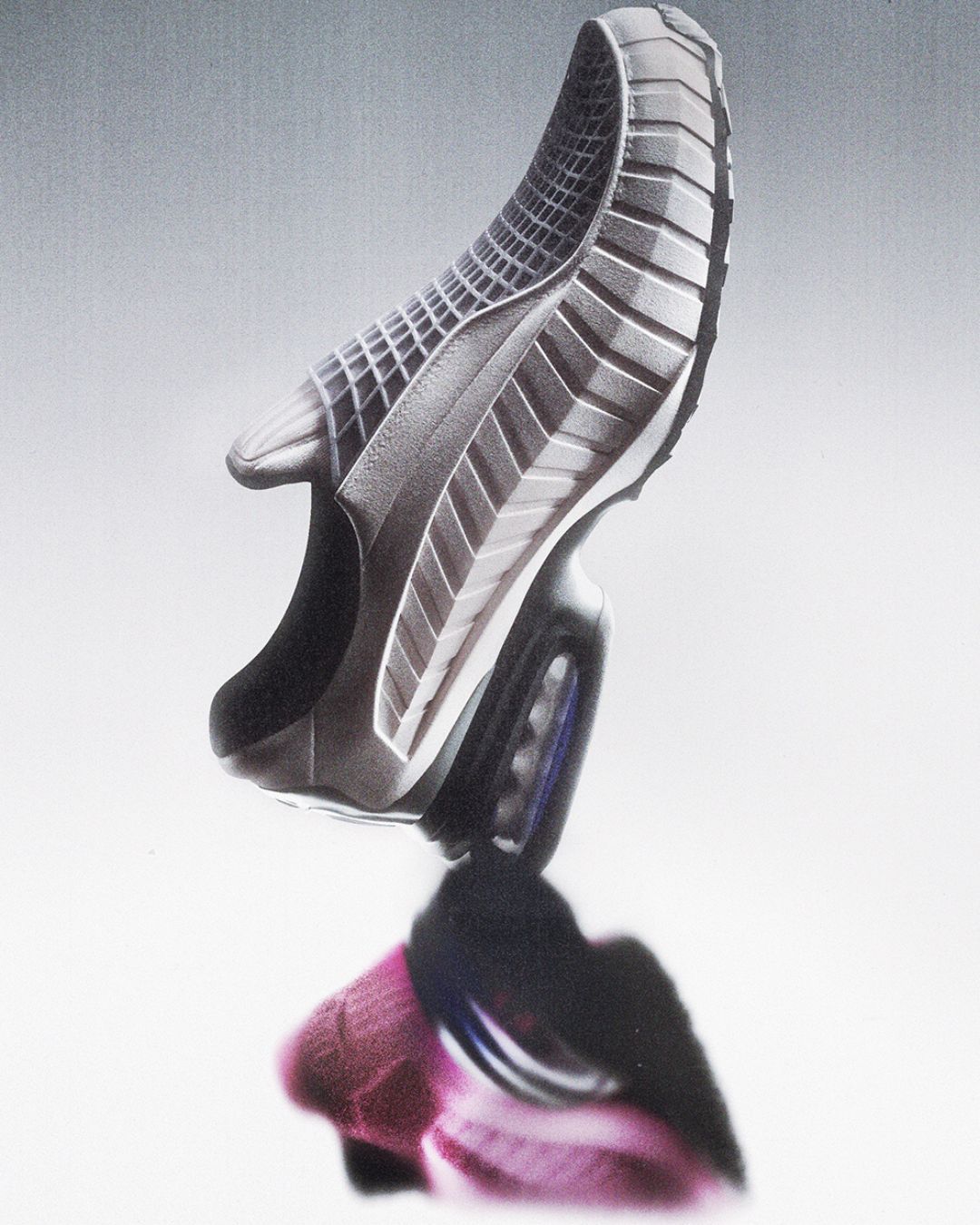
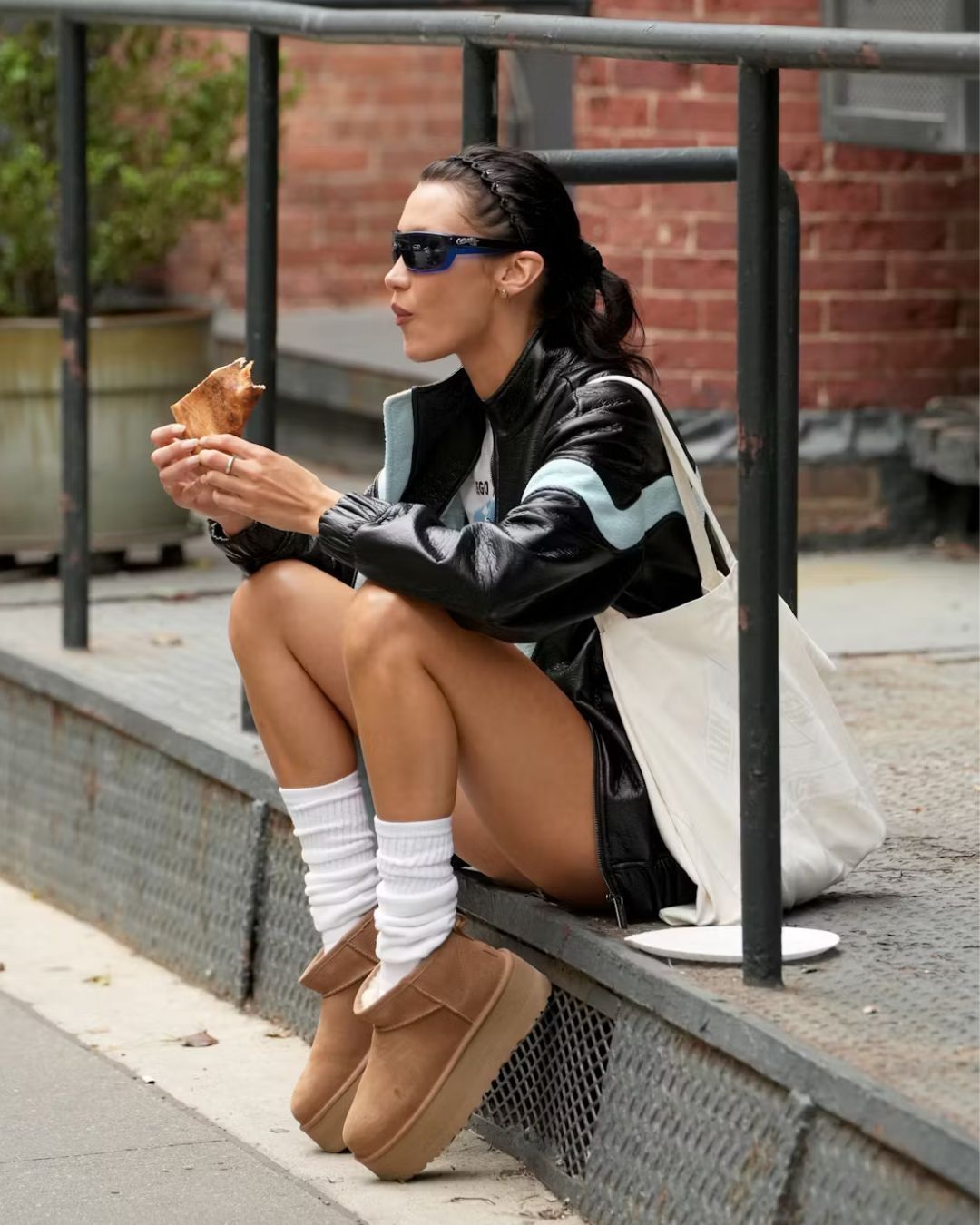
And what if the same applied to fashion? The recent dominance of Martin Margiela’s tabi shoes - alienating and misunderstood in real life but totally normalized online - is a clear example of ugly chic, or unsettling chic, or even the uncanny valley. We could also include the rising obsession with weird perfumes in this trend, scents that include notes of blood, sweat, diesel, and whatever else. And what about Labubu? In short: if life is messy, we want to carry that reminder with us. Maybe to unsettle those around us, or maybe to reclaim a sense of lost normalcy.
