



























Alo Yoga enters the luxury market with $3,000 bags: hype or madness? The brand makes its debut in high-end leather goods. And luxury becomes a lifestyle made up of leggings and detox smoothies
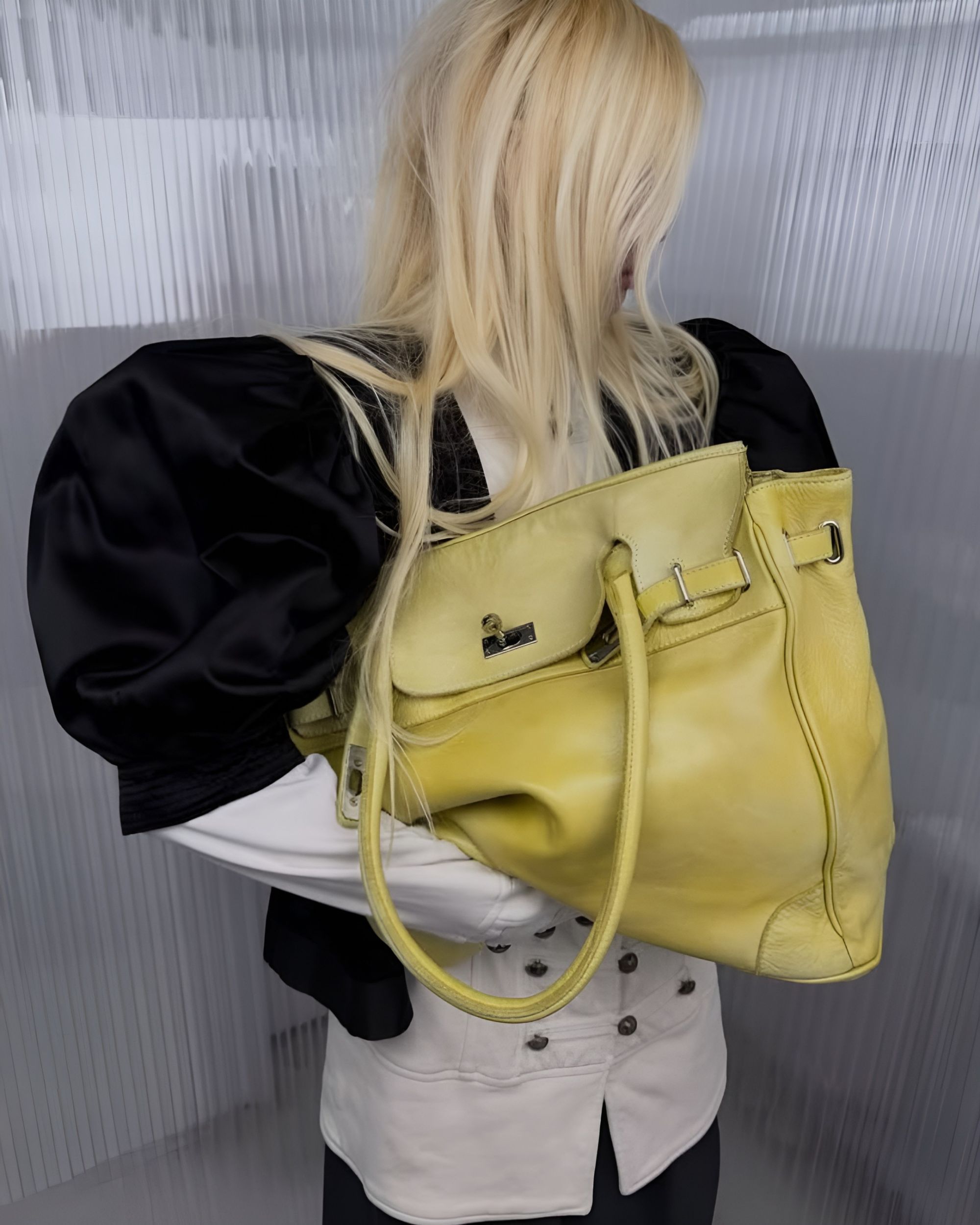
There was a time when leggings were just technical gym wear. Then they became brunch uniforms, Pilates girls status symbols, and Gen Z must-haves on TikTok. So much so that there’s an unwritten rule in the glamorous neighborhoods of Beverly Hills and SoHo: count how many girls in perfectly sculpted leggings, a minimal baseball cap, the inevitable Erewhon green smoothie in hand, and an Alo Yoga tote bag on their shoulder you cross paths with in an afternoon. Today, it’s that very Los Angeles brand attempting its boldest leap yet, transforming into a luxury handbag label. No longer cotton accessories, but Italian-made leather bags, with prices ranging from $1,200 to $3,600. Three models, collectible crystals, limited editions, and an aura reminiscent of sneaker drops. Chanel trembling? Maybe not. But slightly annoyed, yes.
Alo Yoga new bag: wellness is the new luxury (for real)
Alo wasn’t born as a maison. Founded in 2007 as an athleisure brand dedicated to yoga, it quickly colonized the realm of contemporary luxury. First with collections like Alo Atelier, then with the Pilates-girl aesthetic that went viral on TikTok, and now with leather goods. “It’s the perfect step for Alo to enter this category,” CEO Danny Harris told Vogue Business. His pitch is simple: while heritage brands chase wellness trend, Alo starts from wellness and turns it into a status symbol. “Health is luxury,” he repeats like a mantra. And it’s not just a slogan. 2025 is the year the longevity economy attracts billions in investment, when perfect sleep becomes a collective obsession, and when even wellness fragrances promise to extend your life more than seduce on a first date. In a world where Gen Z drinks less alcohol, spends more time in the gym than in clubs, and considers a detox smoothie more of a status symbol than an icy martini, Harris’s strategy feels spot on. In this ecosystem, an Alo bag isn’t just an accessory. It’s a cultural badge people may be willing to spend thousands of dollars on.
The bags debut
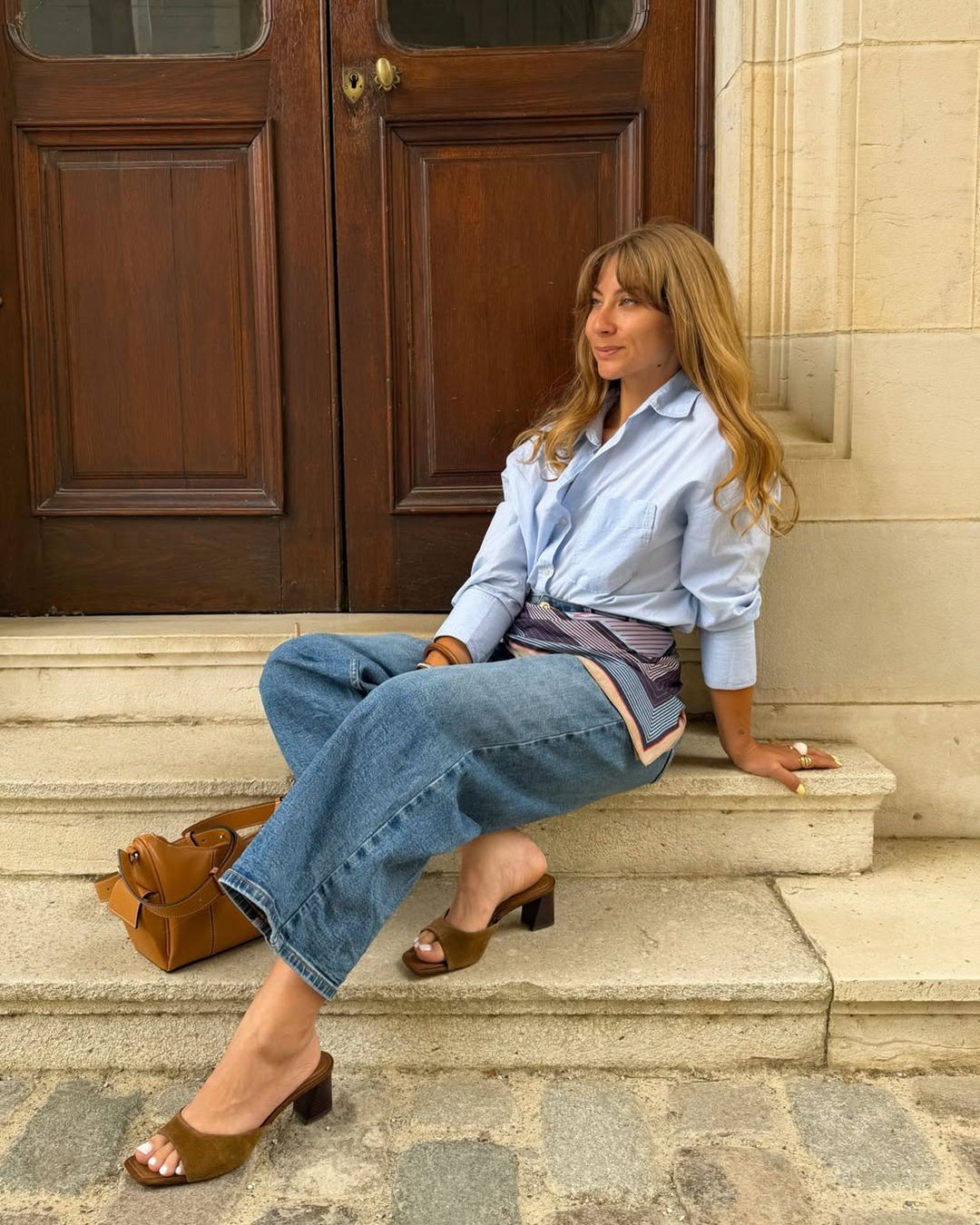
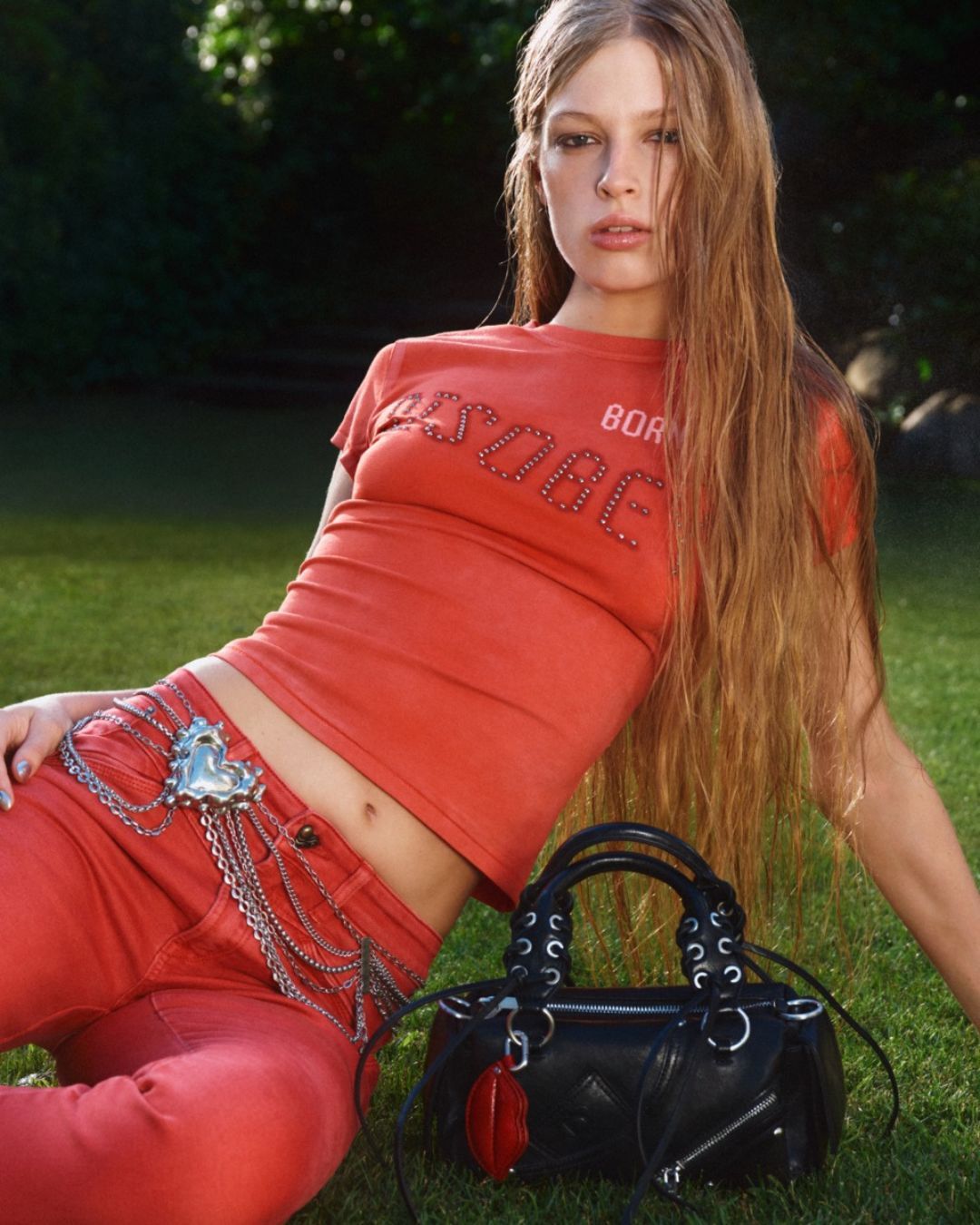
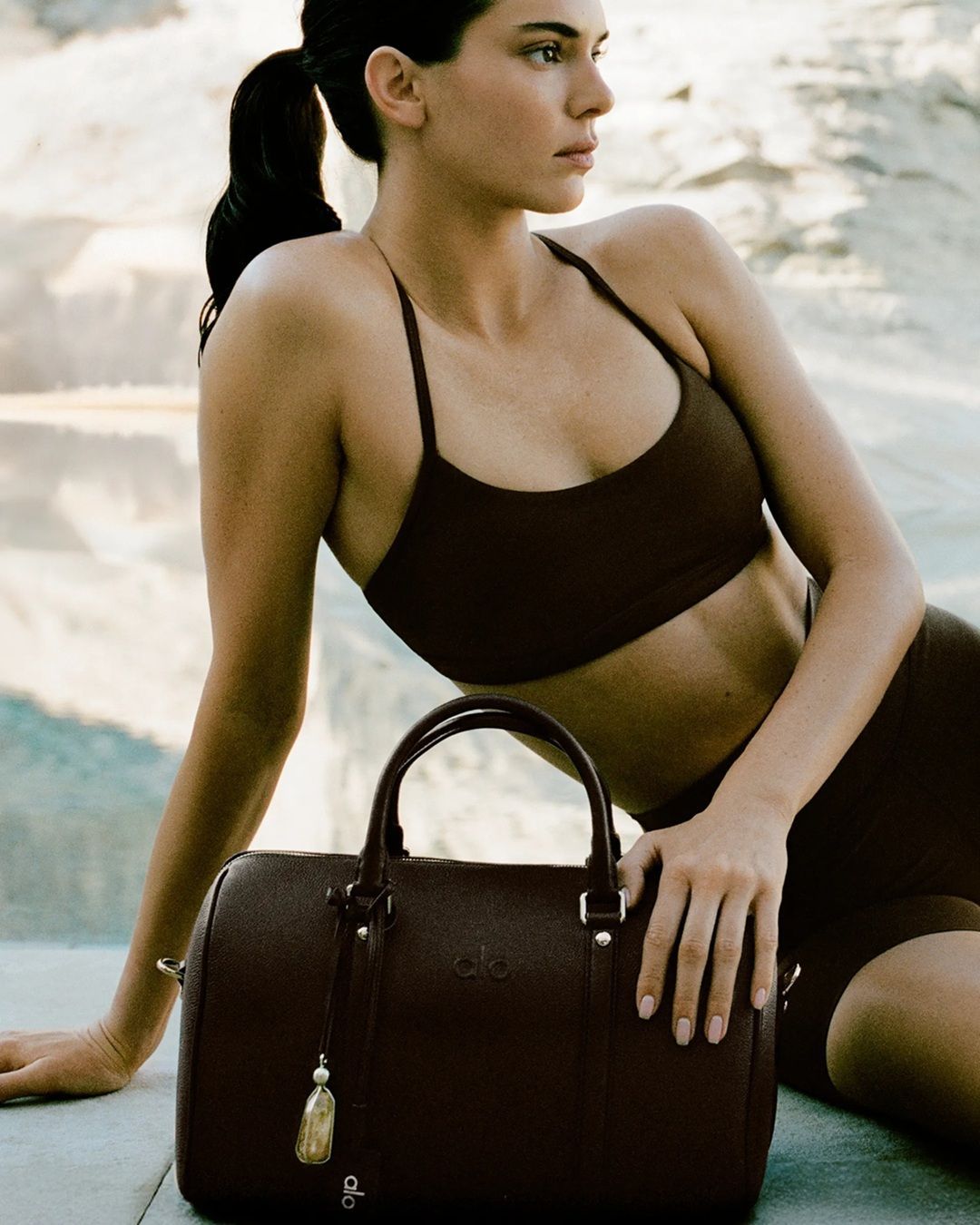
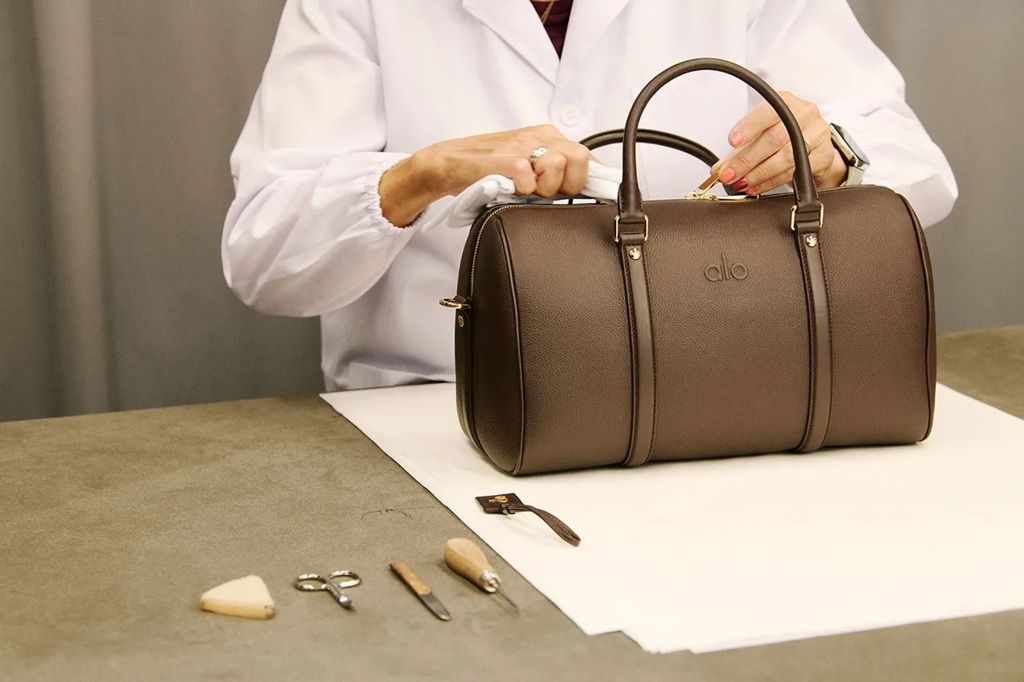
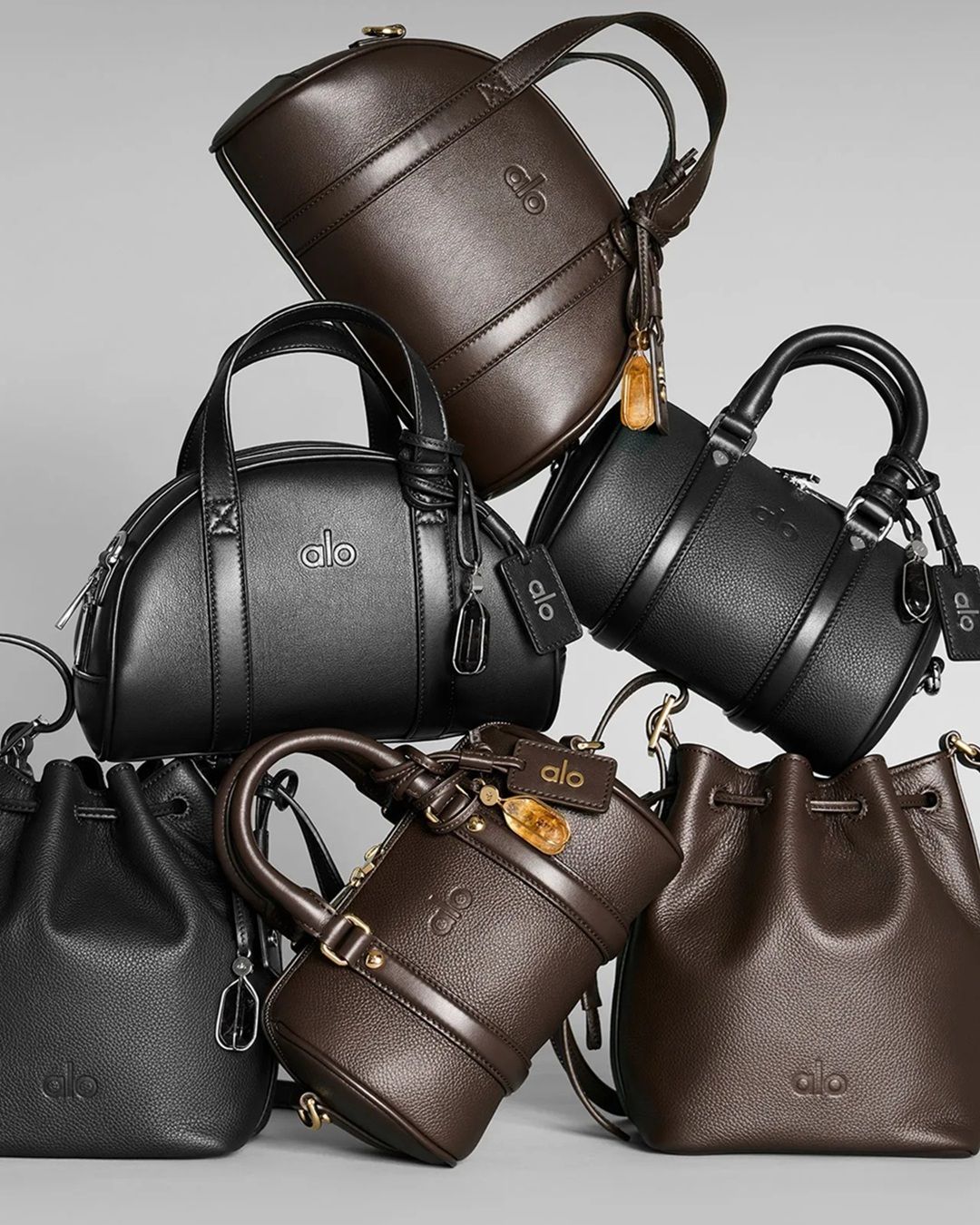
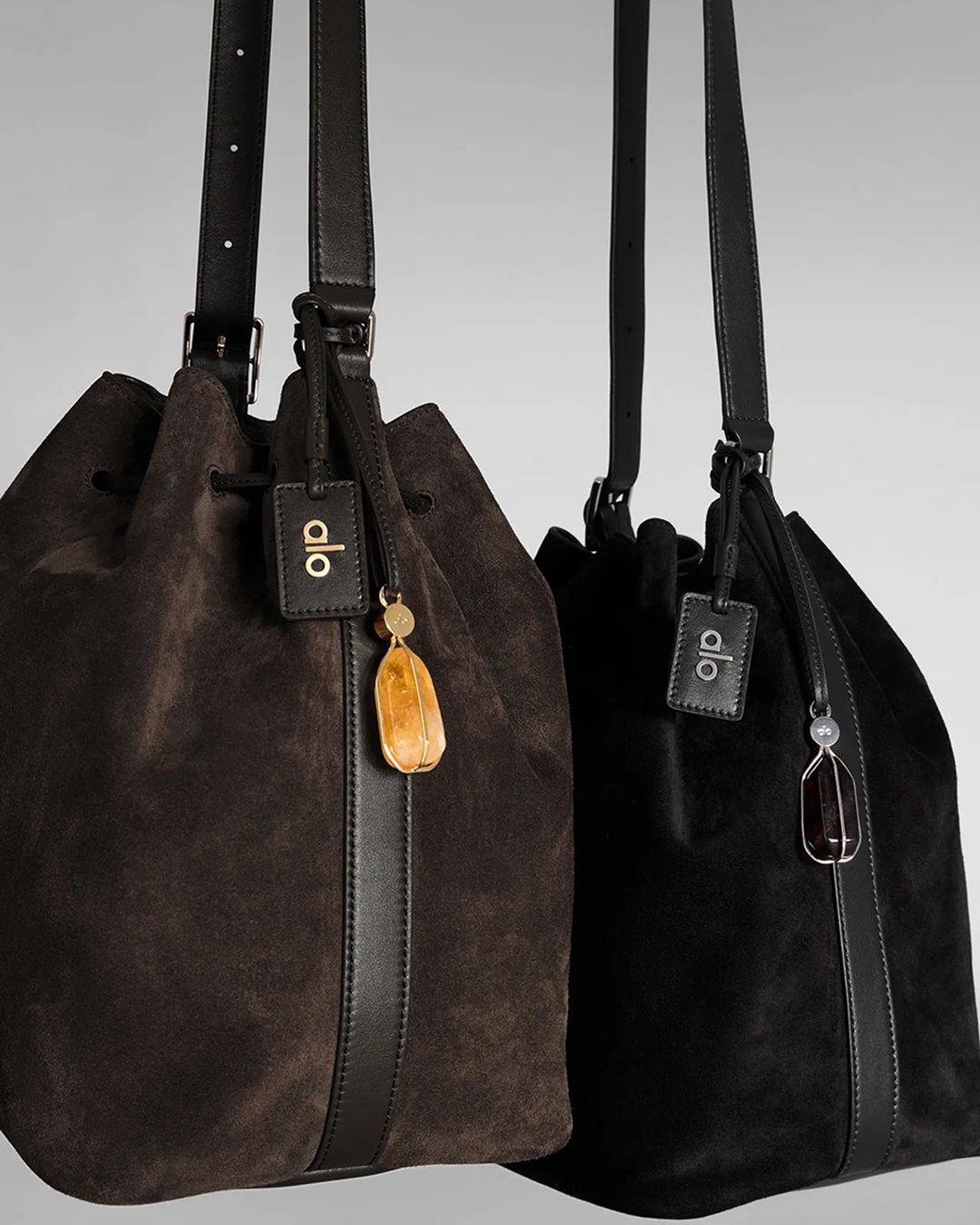
Three models, in Italian leather, crafted by hand with crystals set like amulets to be mixed and personalized. Each new Alo bag will feature a distinctive detail: every model will come with a set crystal, also sold separately to collect and combine. A language that resonates with Gen Z’s soft spirituality, blending astrology, Pinterest mood boards, and wellness rituals as naturally as previous generations paired pearls with skirt suits. Kendall Jenner has already been spotted with multiple crystals on a single bag, turning it into a hybrid between accessory and talisman. The price? From $1,200 to $3,600. A figure that positions Alo in the same league as heritage maisons like Chanel, Prada, or Hermès. Many may call the move crazy, but Harris describes it as a natural evolution: if you wear Alo every day, why not carry one of its bags at night too? The logic is the same Alo applies to leggings: perceived quality equal to that of European maisons, but tied to a different value system. Harris is blunt: “If they were buying Chanel, now they’ll buy Alo. Not everyone, of course. But some. And that’s enough for us.”
Maison strategies, drop DNA
The product is new, but the strategy is as old as luxury itself: limited editions, one-off colorways, prices climbing each year. Yet Alo applies it with a contemporary twist, closer to the sneaker-drop language than traditional boutiques. The launch will be staggered. Pre-orders start September 9, deliveries from the 22nd, but only in 23 select stores Harris calls “sanctuaries”: from Beverly Hills to Regent Street, Aspen to SoHo. Not mere shops, but pilgrimage sites for the community. The choice of a physical experience is no accident. Despite its digital DNA, Harris insists clients must “touch the leather, feel the product, live the material.” It’s a return to the ritual of luxury, wrapped in a social-first frame. For those online, a separate concierge service, distinct from the classic website, adds another layer of exclusivity, marking the distance between an Alo handbag and its $120 leggings. Still, one issue remains: Alo has no heritage. No Parisian ateliers, no black-and-white photo archives, no Coco Chanel to mythologize. For many luxury bag consumers, that’s a weakness, 46% say brand history is what drives them to buy. With less than twenty years of life, Alo has no legacy to tell. But Harris bets Gen Z, who make up 41% of its clientele, won’t care. They’ve already proven they don’t worship historical logos, instead embracing a fluid aesthetic sensibility, ready to jump from piratecore to viral Netflix-fueled Longchamp bags in a single FYP scroll. Authenticity, wellness, and community are its values. “Our community isn’t in bars with a martini in hand, it’s in Pilates class with an Alo bag on their shoulder,” Harris says. It’s a different vision of luxury, less tied to the symbols of the previous generation and closer to the fluid, spiritual aesthetic of digital natives.
Beyond bags: towards a wellness-luxury empire
But handbags are only the first step in Alo’s transformation from athleisure label to global lifestyle brand. Harris confirms that Japanese eyewear and a fragrance are on the way. In 2026, a seven-story flagship will open in the Marais in Paris, with another on the Champs-Élysées, right next to the Louis Vuitton Hotel. Resorts and beach clubs in Capri, Saint-Tropez, and Porto Cervo are also on the horizon. Alo doesn’t want to be just a clothing brand. It aims to become a luxury-wellness ecosystem, accompanying clients from morning yoga mat to evening poolside at a jet-set destination. For critics, it’s too audacious a leap, how can a leggings brand compete with century-old maisons? For fans, it’s the natural culmination of a culture that has long lived and consumed through wellness rituals.
The real question
In the end, the question remains: would you really spend $3,000 on an Alo Yoga bag? The answer depends on what you think luxury is. If you believe it’s about tradition and archives, then it’s a hard no. If you think luxury is a lifestyle, an aesthetic to share on social media, and a community to belong to, then the price makes sense. If you live on Pilates, ionized water, and Pinterest mood boards, maybe yes. In any case, Harris has already won: because whether you love or hate it, the debate has already turned Alo into something more than a leggings brand, propelling it into the conversation about contemporary luxury. And in 2025, being in the debate matters more than selling millions of pieces. Because the only real currency that counts right now is attention.
