











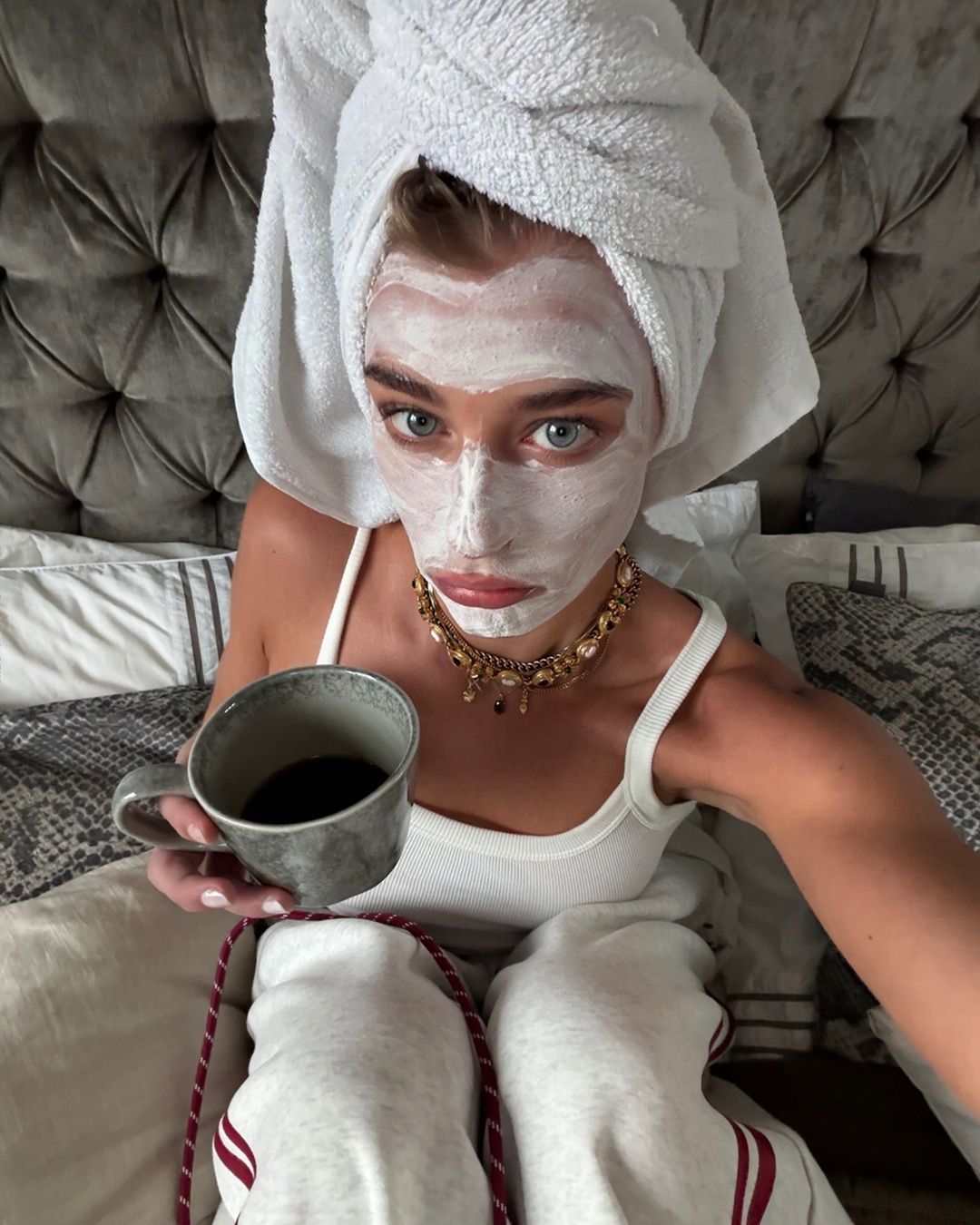





























Let's talk about hygral fatigue: is it really possible? How an excess of hydration can seriously damage your hair
There are moments when your hair seems to go haywire. You wash it carefully, apply nourishing masks, pamper it with oils and leave-ins, but instead of improving, it worsens. It becomes dull, fragile, almost tired, as if it can no longer react. It’s one of those situations where you follow all the rules, yet something goes wrong. Perhaps the problem isn’t what your routine is missing, but what you’re giving it too much of. And yes, the culprit behind all this could be hygral fatigue, a little-known condition that’s actually much more common than you might think.
Hygral Fatigue: what is it?
According to Healthline, hygral fatigue is a type of hair damage caused by the swelling and shrinking of the hair shaft due to excessive moisture. Every time we wash our hair or apply a rich mask, the hair fiber swells and then contracts as it dries. Over time, this constant movement weakens the internal structure of the hair, making it more fragile and less elastic. The result is hair that may look hydrated but is actually fatigued: it loses strength, breaks easily, and appears frizzy and very fragile. It’s the classic case where good intentions - nourishing and hydrating - end up having the opposite effect.
Why it happens and how to balance your haircare routine
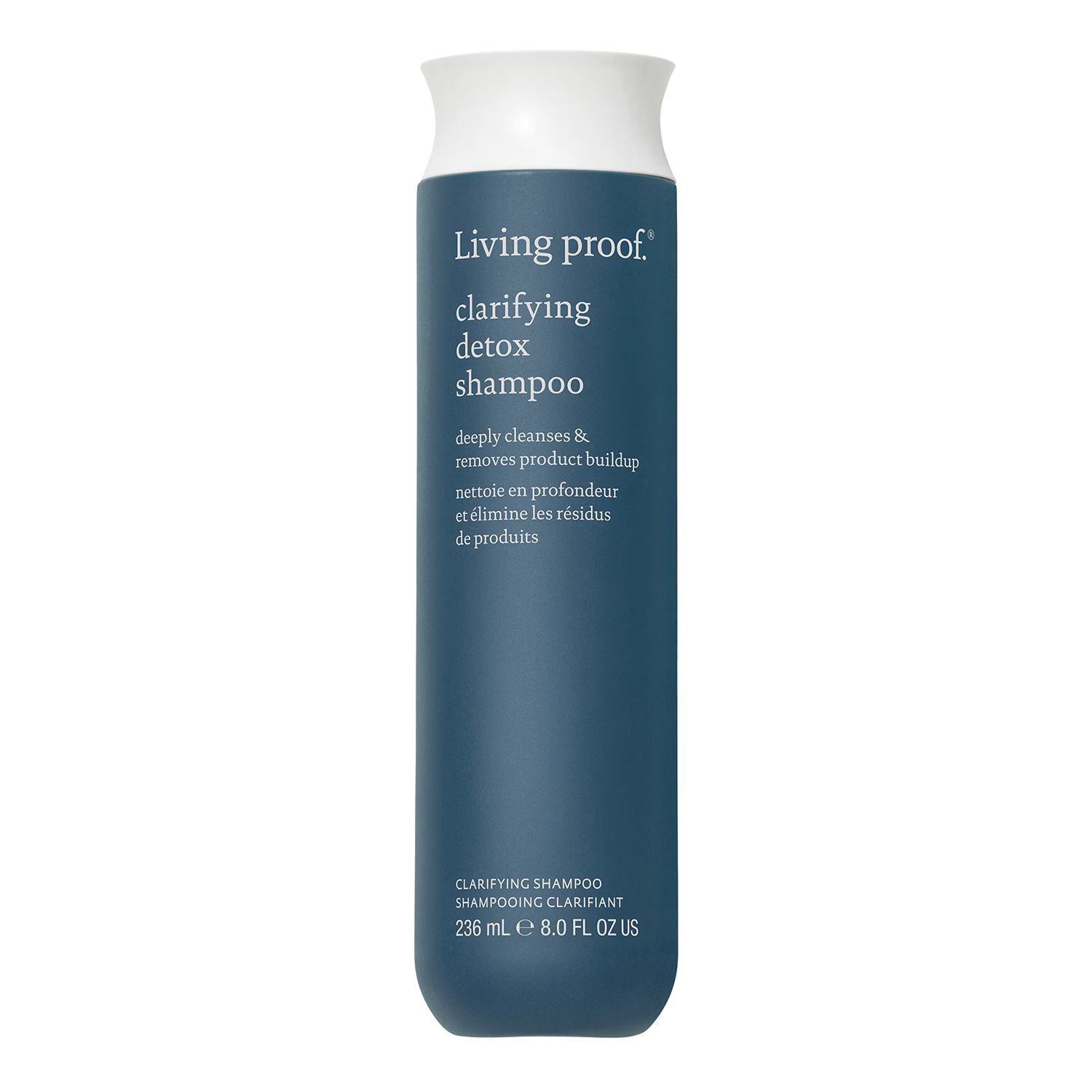
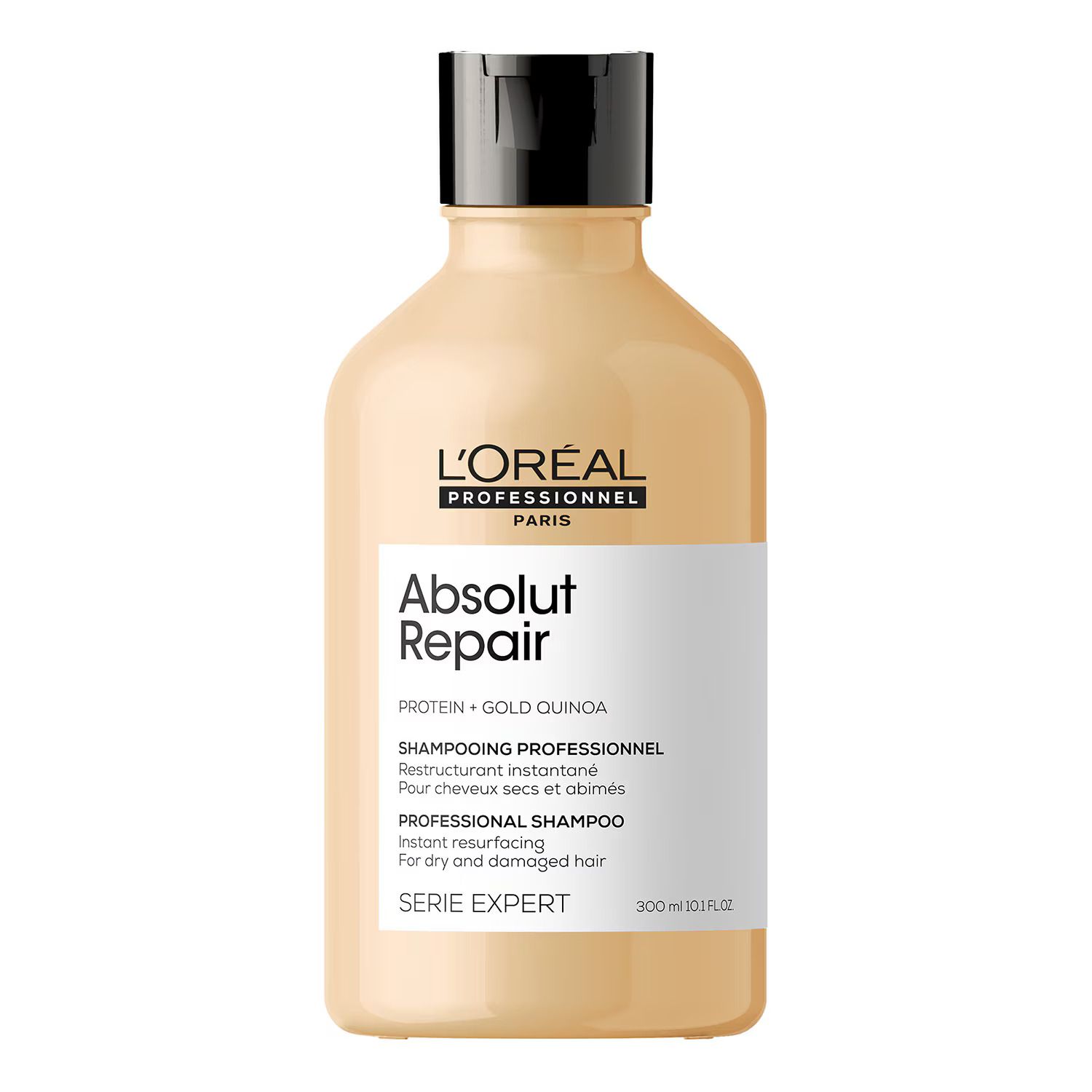
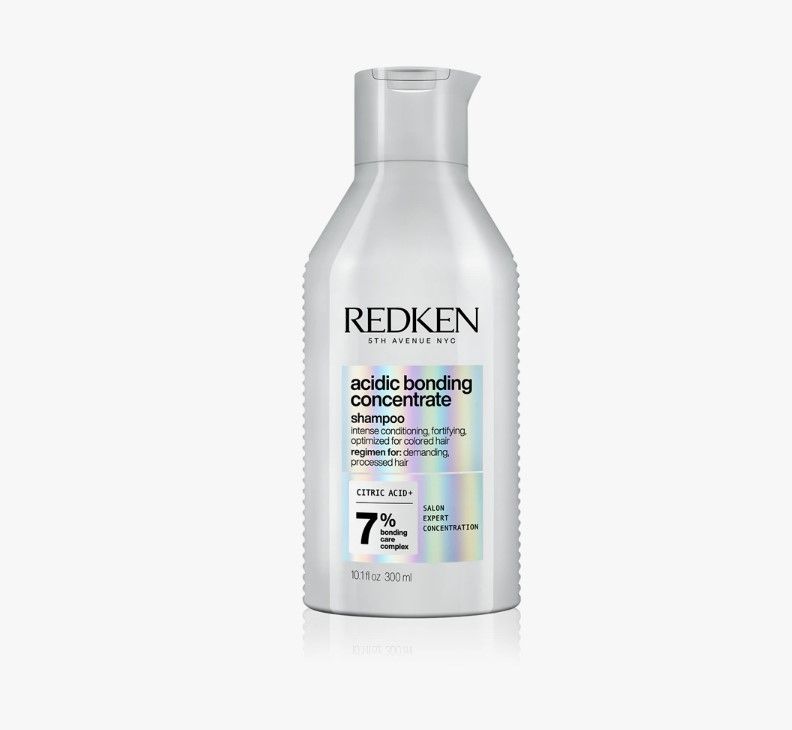
Hygral fatigue mainly affects hair that is already a bit worn out: bleached, straightened, dyed, or subjected to endless routines of super-nourishing masks. When the cuticle (the outer layer protecting the hair) is too open, water flows in and out continuously. This repeated swelling and shrinking weakens the fiber, leaving it fragile, dull, and with that strange slightly gummy and overly elastic texture. In fact, using too many hydrating products on top of each other can leave hair limp and lifeless. The secret, as always, is balance: alternate moisturizing masks with treatments containing proteins and keratin, which strengthen the internal structure and help hair compact itself. And every now and then, let your hair breathe: no masks, no leave-ins, and introduce a detox shampoo to remove leftover product residues. For a little extra help, try using a pre-shampoo oil: it reduces protein loss and creates a natural barrier against water. Finally, avoid going to bed with wet hair or delaying drying, as fragile hair will break more easily. With a bit of consistency (and maybe a trim of the most damaged ends), hair can become strong and visibly healthy again.
What to read next

Raye is the protagonist of Zalando's most ambitious cultural project ever
It's called Access All Areas (AAA) and it will take place on April 25 in Berlin