

































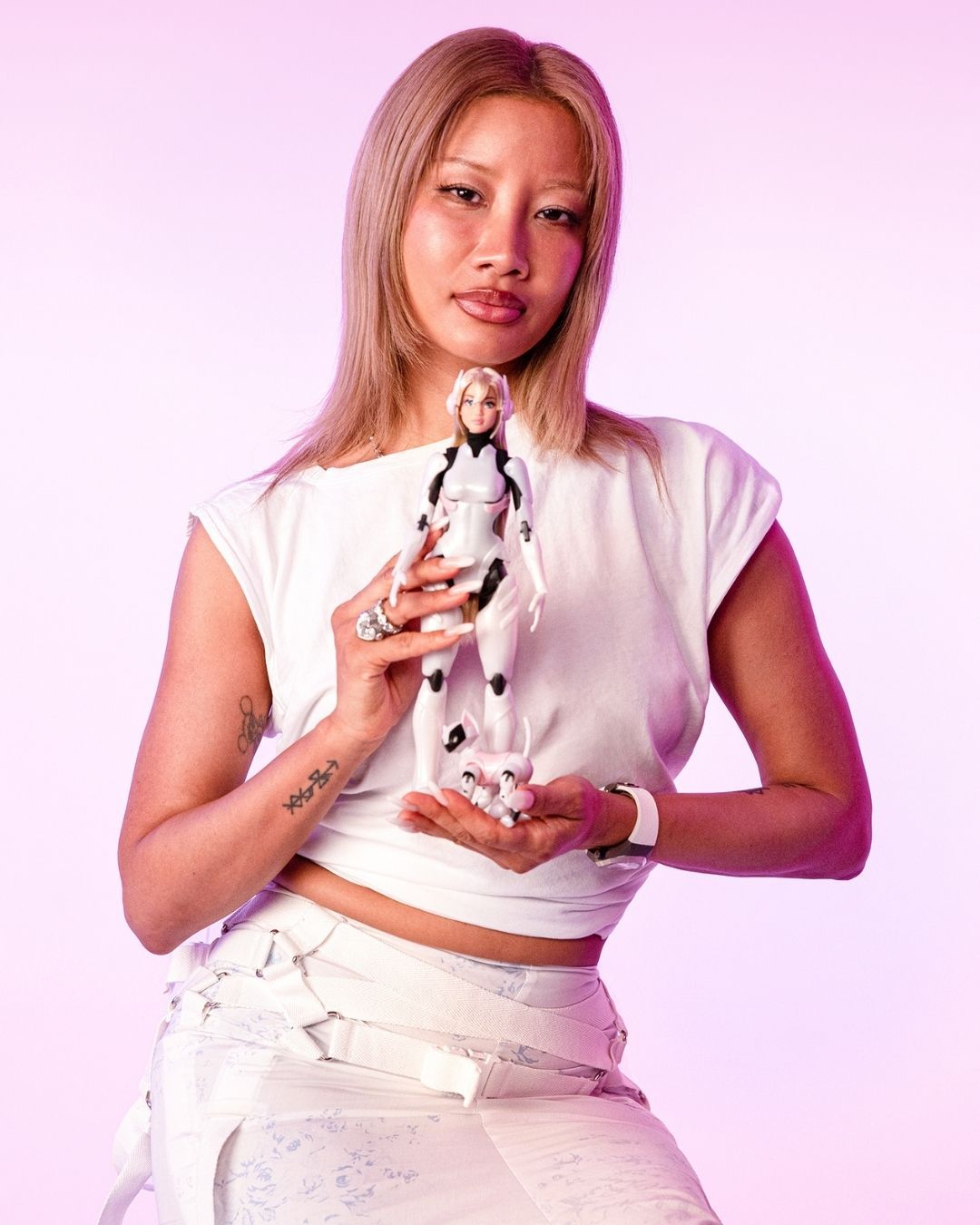



Honoka Takahashi: "Makeup and jewelry are the same, at their core" Interview with the designer of the jewelry label Gagan
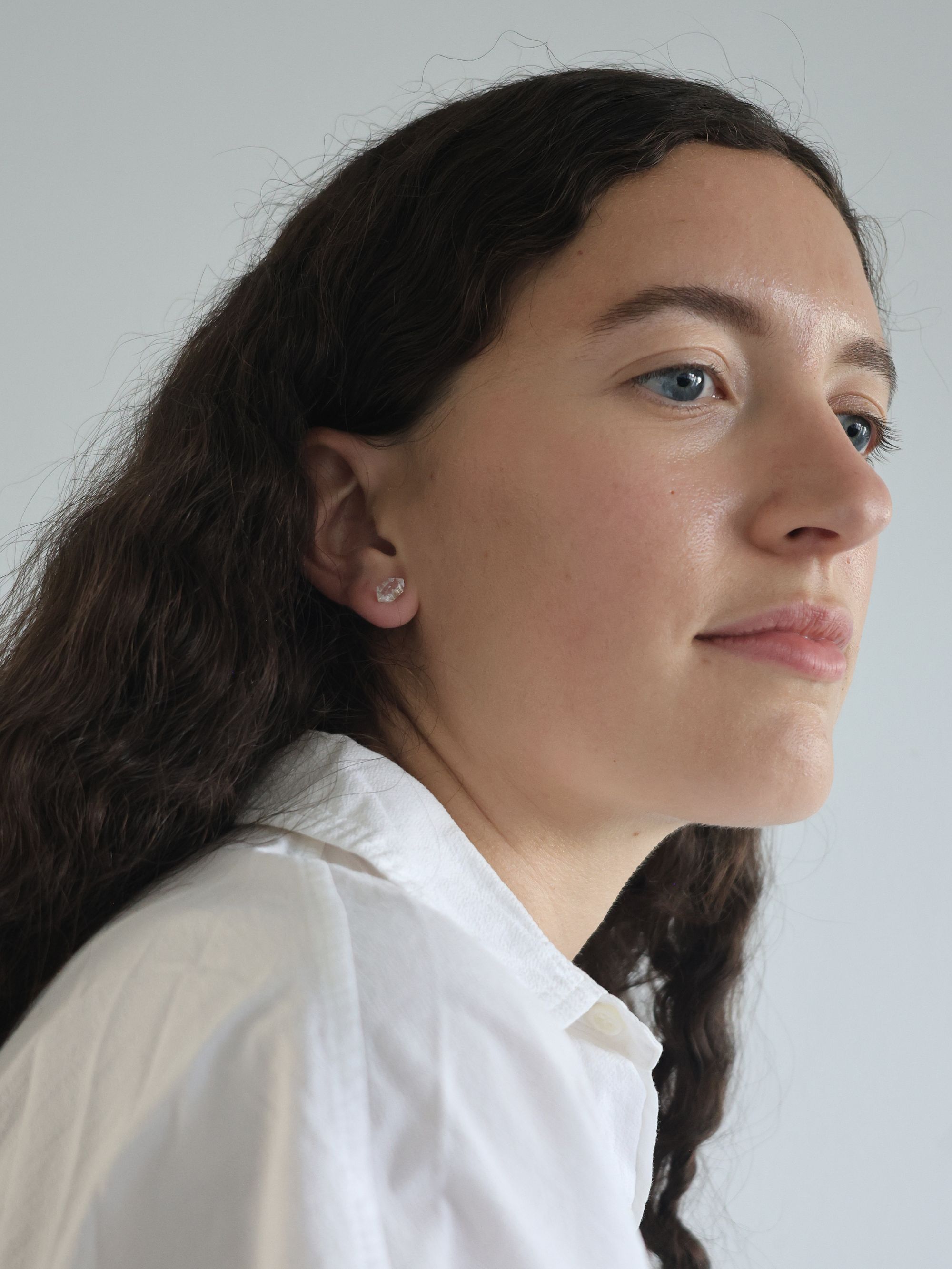
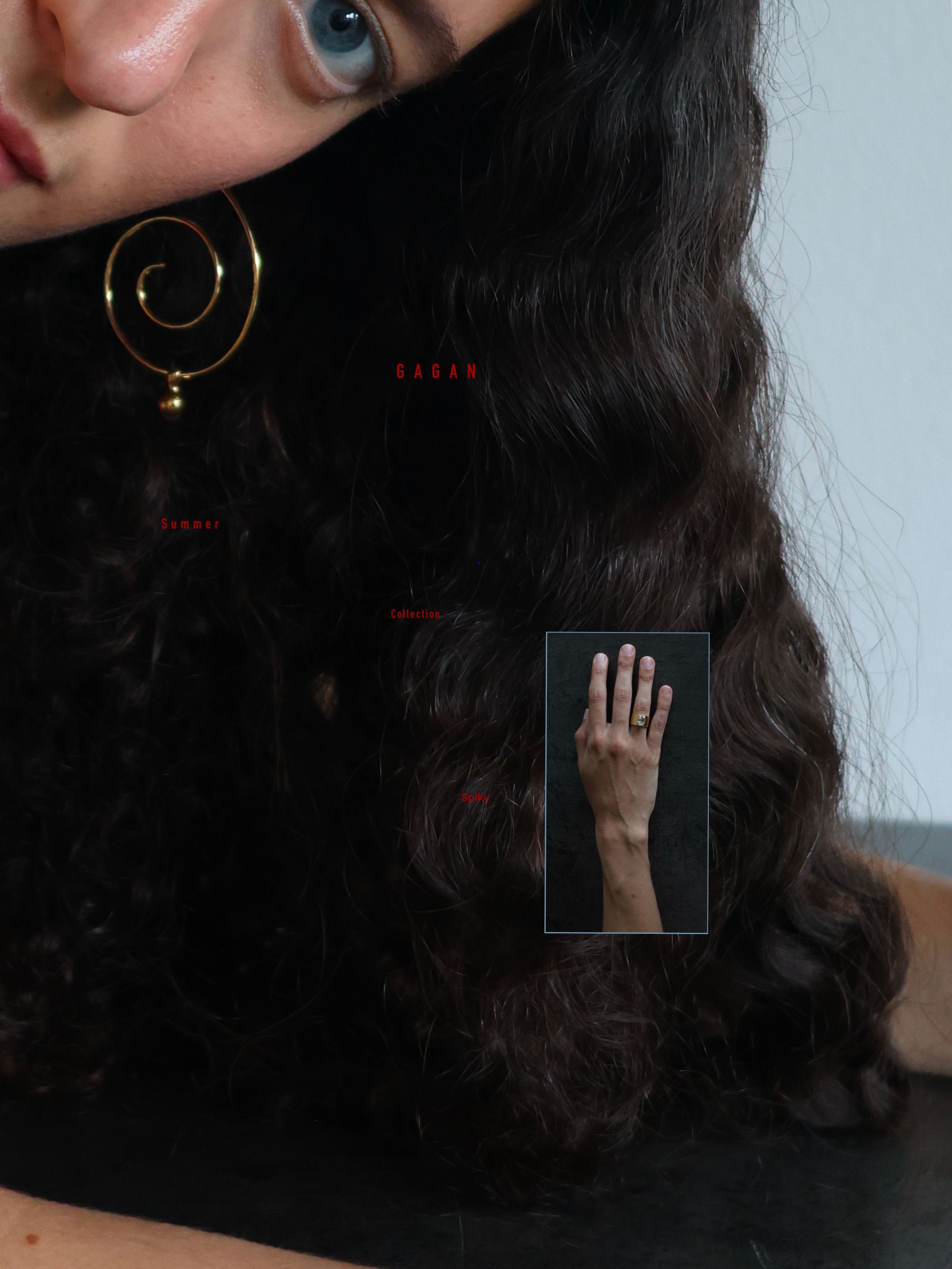
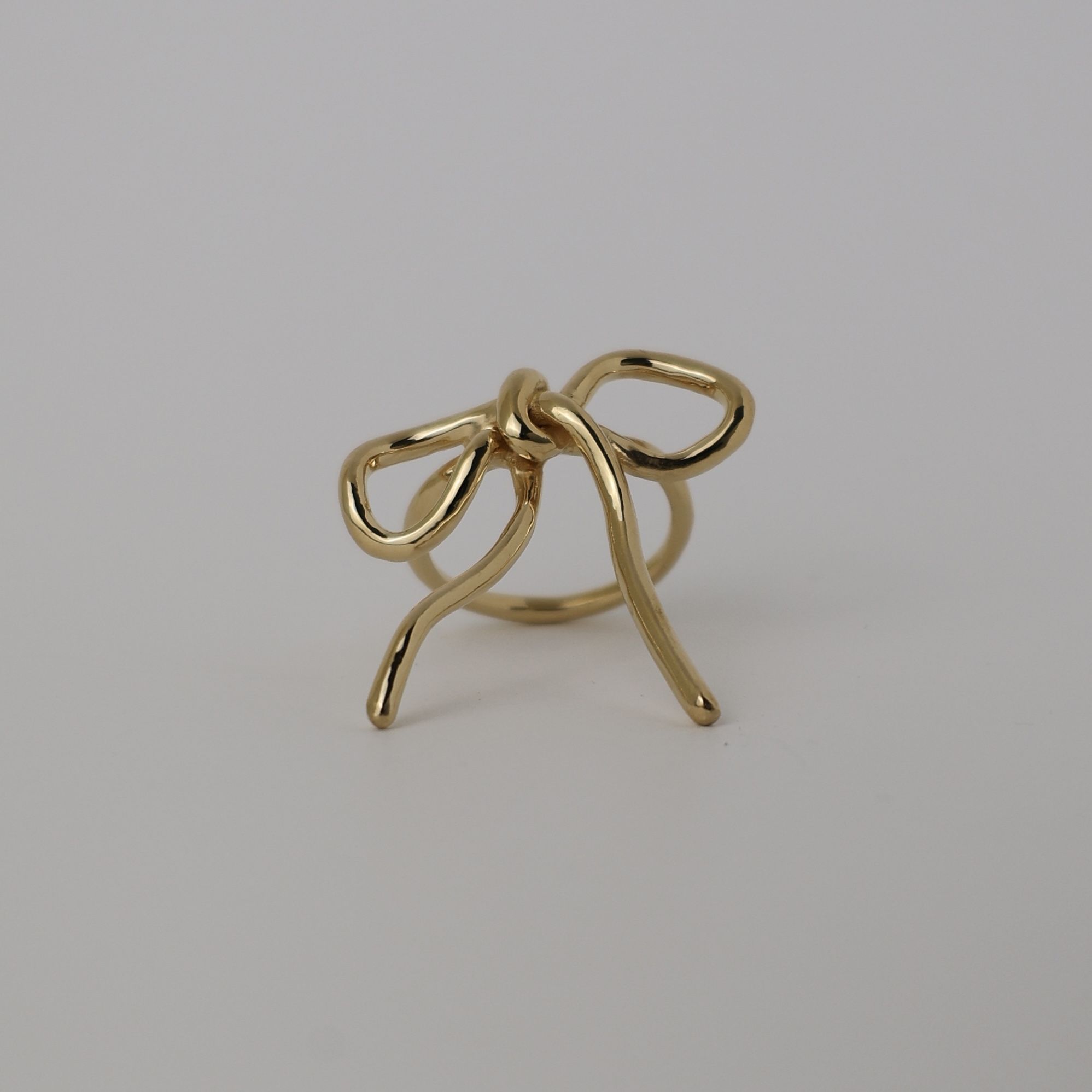
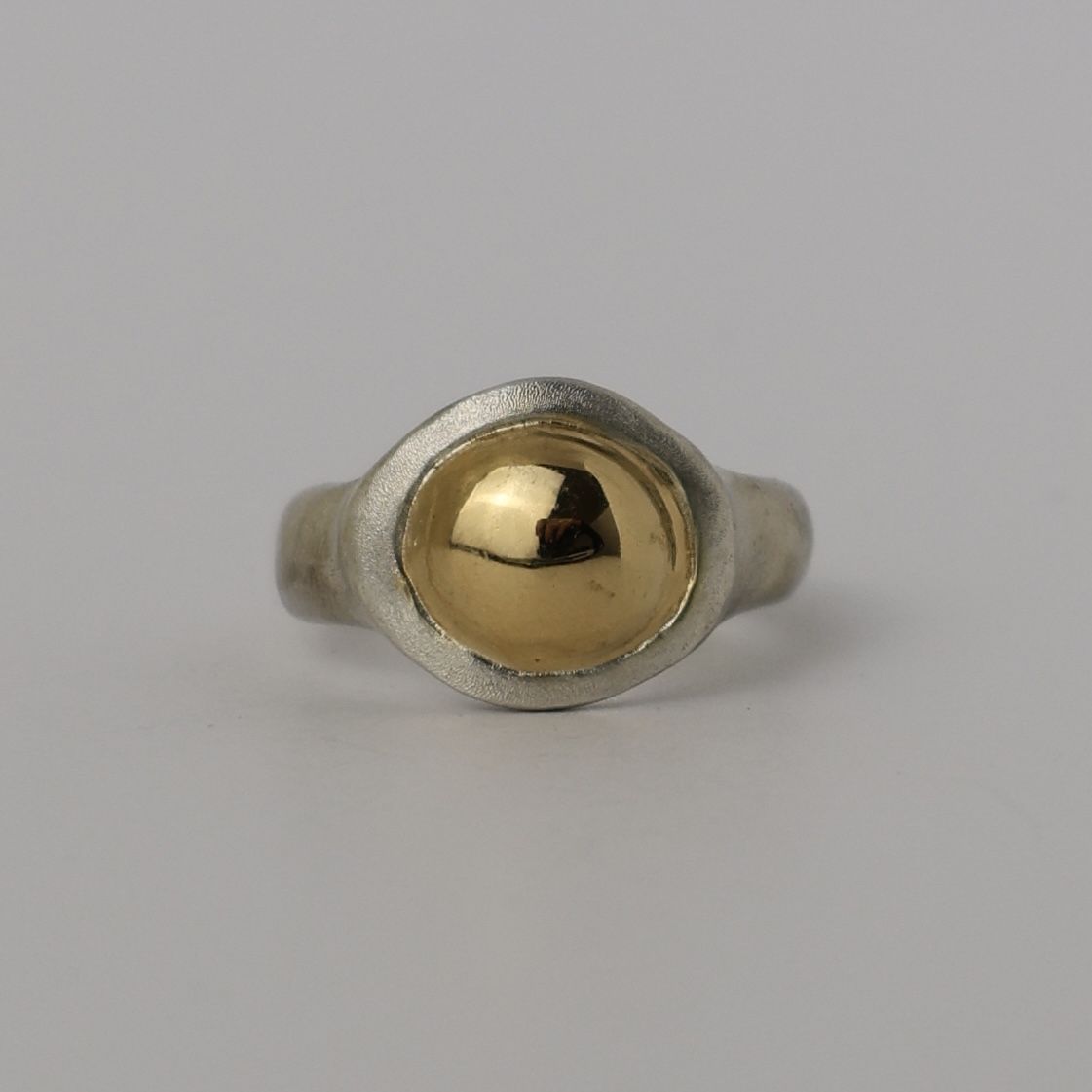
Gagan is a contemporary jewelry label founded in Tokyo in 2019 by Japanese designer Honoka Takahashi. Rooted in a philosophy of revealing the beauty in imperfection, its genderless collections are marked by refined irregularity and an acute understanding of the sacred flaw in all things. Each piece is hand-crafted at the atelier in Tokyo’s Setagaya neighbourhood by a single artisan from beginning to end.
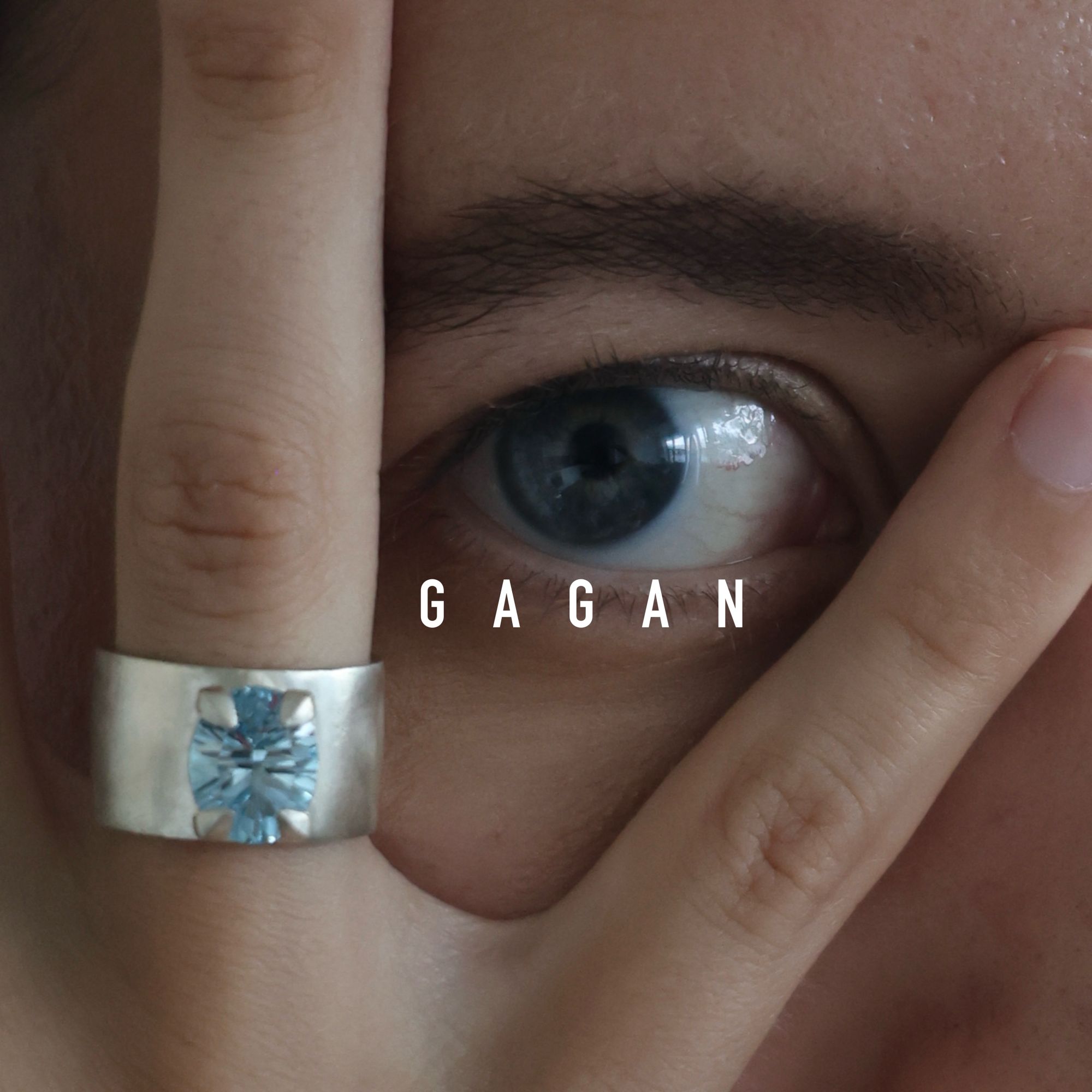
Takahashi’s previous experience as a makeup artist led her to discover an affinity with jewelry design. Shaped by a lineage of care (from designer to maker to wearer) the collections are designed with longevity in mind, using responsibly sourced high-quality materials such as silver 925, 18k gold plating, solid platinum, 18k gold made-to-order, and natural semi-precious stones, alongside services of repair and re-coating. For Gagan, jewelry is a connector: a chain that carries the designer’s intent through each artisan’s rhythm and touch before being released into the world to be passed down through generations: memory cast in metal.
Interview with Honoka Takahashi, the designer of Gagan
You started in makeup. How did the tactile language of skin and face translate into jewelry design for you?
For me working with makeup is about bringing out the natural beauty someone already has, enhancing their self-love without being swayed by trends or the values of others. I believe jewelry is the same at its core. Jewelry stays in contact with the wearer’s skin over time, creating this deepened attachment as they share their lives together and I think that accumulation becomes a source of strength that lifts you up in everyday life.
Makeup is temporary, jewelry can be eternal. Was the move to jewelry a way to create permanence out of emotion?
Makeup prioritises the comfort of the person in front of me, paying attention to conversation and gestures while completing the work in limited time. There’s little time to fully immerse myself, but jewelry is different. I can hold the metal or stone, view it from different angles, and persist until I’m satisfied. Because I can pour my emotions and originality into the piece, I can create a form I’m truly proud of-something meant to last.
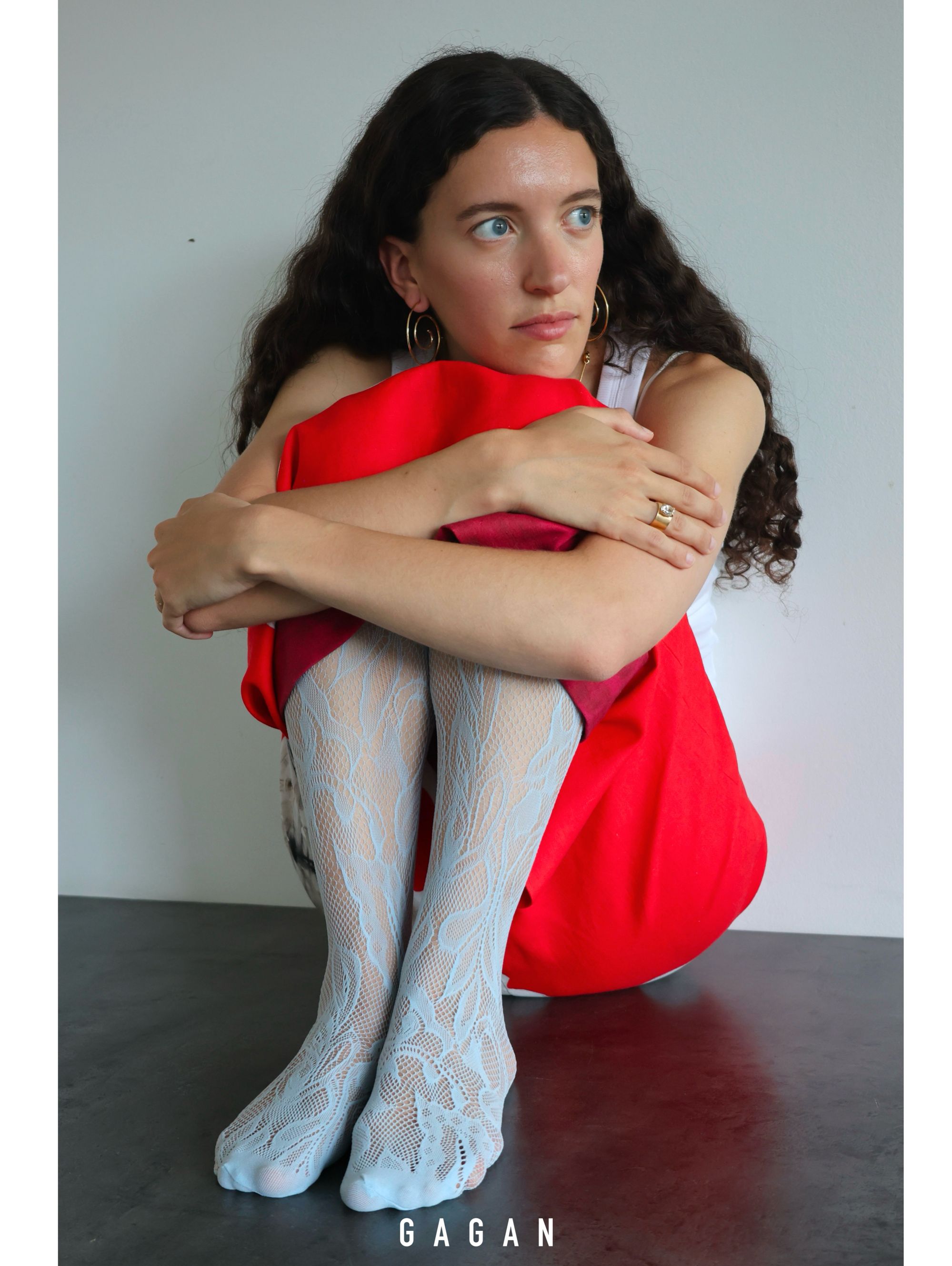
You see jewelry not as an object, but as a ritual. What do you believe a ring or necklace can say that words can’t?
Jewelry is special in both materials and process. Choosing a piece and wearing it daily is not just decoration, but a habit of treating oneself with care. It carries subtle emotions, like the small decision of' I’ll spend today with this ring,' or the wish to stay connected with someone dear; feelings that are hard to put into words.
How do you imagine the emotional life of a Gagan piece once it leaves your atelier and becomes part of someone’s daily ritual?
From the moment it leaves my atelier, that piece begins a new story. Anniversaries, travels, the smiles and tears of everyday life, it quietly remembers fragments of a person, changing the way it shines and feels over time. It weaves an irreplaceable story that only its owner knows.
Gagan’s jewelry is genderless. How do you think jewelry can help dissolve traditional boundaries of masculinity and femininity?
For me jewelry is a tool that transcends gender, allowing anyone to freely express themselves. What suits someone isn’t defined by rules, but by their own sensibilities. The comfort and sense of authenticity one feels when wearing it can help bring out their personality to the fullest.
In your view, what is the most powerful thing jewelry can do for a person?
I think it’s illuminating a sense of pride in yourself. When your eyes fall on a ring or you catch sight of earrings in the mirror, it becomes a small reminder to affirm yourself. If it’s a gift, the sentiment behind it can push you forward; that little emotional connection can change the course of your whole day.
Your work echoes elements of Japanese aesthetics like wabi-sabi and kintsugi. How consciously do you draw on those traditions?
Very consciously. I’m drawn not to perfection, but to the beauty found in imperfection and the traces of time. Like kintsugi, which doesn’t hide chips or cracks but transforms them into a new charm; that spirit is at the core of my work.
Setagaya is your creative base. In what ways does Tokyo as a city shape your design language?
Tokyo is fast, stimulating, and full of diverse values. Within it, Setagaya still holds warmth and moments with space to breathe. The coexistence of urban sophistication and human softness naturally finds its way into my work.
As Gagan enters the international stage, what are you hoping people abroad will understand or feel about your work?
I want people to feel the 'quiet passion' that runs through Japanese aesthetics. Something that stays close to daily life yet holds the power to move the heart. When they hold a piece, I hope they sense the stories and human warmth that lie within.