Is woke so back? Emily Green, the Grammys and the blue wave Five nominations and a name on the cover
On November 16, the Recording Academy announced the nominations for the 2026 Grammys, and among the most talked-about surprises is a Brooklyn band that until recently was a cult favorite for a select few: Geese. Five nominations in total: Best New Artist, Best Rock Performance, and Best Rock Song for Trinidad, Best Alternative Music Performance for Au Pays du Cocaine, and Best Alternative Music Album for Getting Killed.
Who is Emily Green, the Geese guitarist nominated for the 2027 Grammys
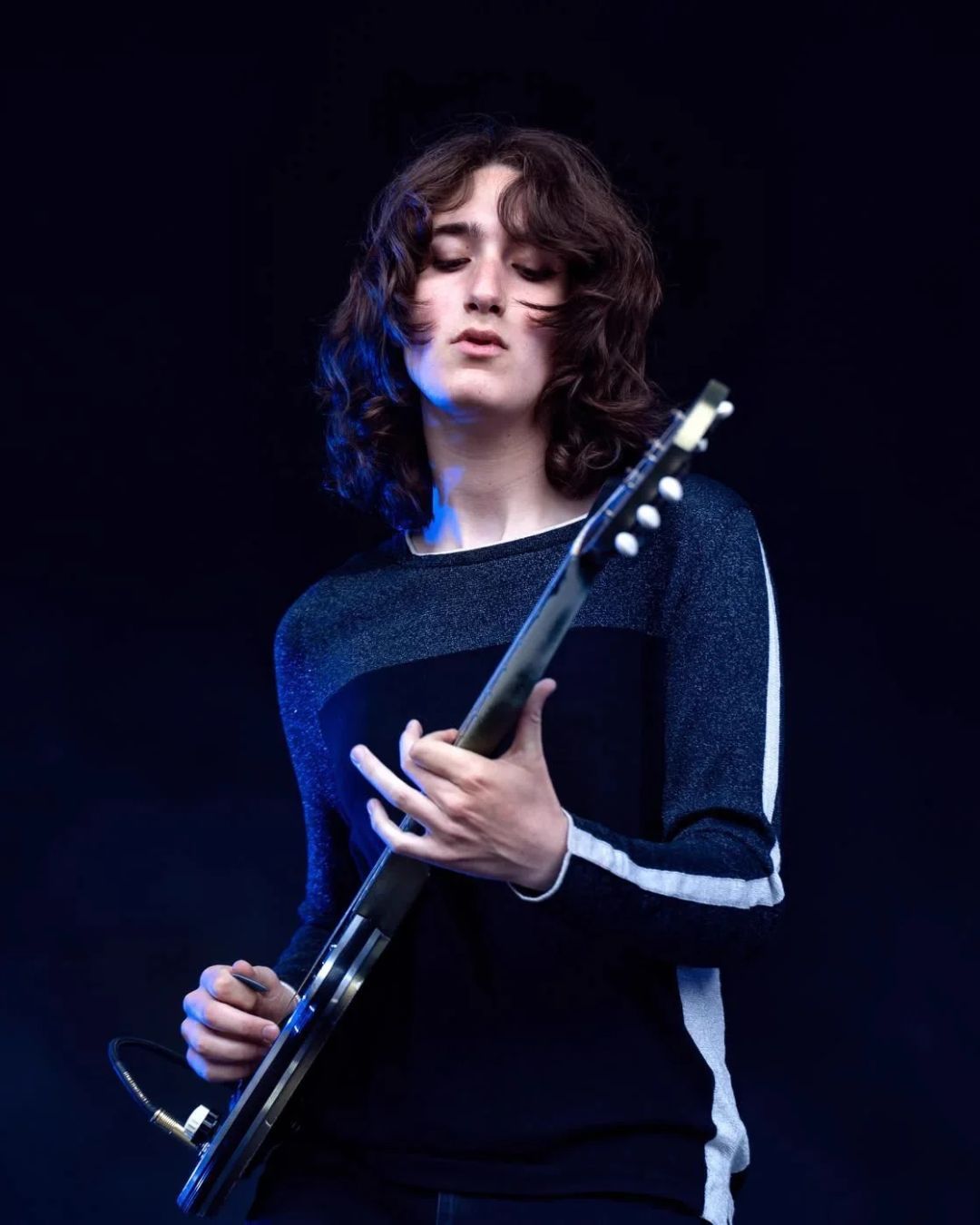
On lead guitar is Emily Green, 24, who co-founded the band in 2016 alongside Cameron Winter, Dominic DiGesu, and Max Bassin. Even the band's name comes from her, inspired by her childhood nickname: Goose. Emily is a trans woman. She came out publicly in 2024. Not with a press conference, but simply through a name printed on an album cover. On social media, especially in Brazil, the post celebrating her milestone went viral; in fact, Emily Green is believed to be the first trans woman in history nominated in the rock and alternative categories. Before her, other trans artists made Grammy history. From Wendy Carlos, who won back in 1969 before coming out publicly, to SOPHIE, and Kim Petras, the first openly trans woman to win in 2023. Never before, however, in rock, a historically male-dominated, conservative genre where women were treated like guests for decades. The ceremony will take place on February 7, 2027, in Los Angeles. Whatever happens that night, the mark has already been made.
The blue wave in the US midterm elections
The news comes at a telling moment. On November 3, the midterm elections handed Democrats control of both chambers of Congress. In the Senate, they flipped Republican seats that once seemed untouchable, including Texas, where James Talarico defeated Ken Paxton, as well as Ohio, North Carolina, and South Carolina. In the House, according to NBC News projections, Democrats are set to hold their largest majority in nearly twenty years. For months, the American right poured millions into anti-trans ads, convinced the same playbook from 2024 would work again. It didn’t. Sarah McBride, the first openly trans person elected to Congress, won re-election in Delaware. Zooey Zephyr, the lawmaker censured and barred from the Montana House floor for defending trans people, was re-elected. Alabama, one of the most conservative states in the country, elected its first trans state representative, Allison Montgomery. Washington state elected the first Black trans woman to its House, Jaelynn Scott, and DeSantis’s Florida elected its first trans lawmaker, Quinnie Perez. Chris Pappas also became the first openly gay man elected to the US Senate.
So, is woke so back?
On election night, one phrase flooded TikTok and X: "Woke is back." The right immediately cried foul over the return of the “dictatorship of political correctness.” The reality, however, is quite different. As the Irish Times noted, many young people use the phrase ironically: poking fun at the excesses of the 2020 era, with its policed language and relentless cancellations, while still voting left. Democrats didn’t win by talking about pronouns. They won by talking about rent, prices, wages, and war. Class struggle before culture war.
Here is the point that parts of the left, including in Italy, still struggle to grasp: the two things are not at odds. Anti-trans ads failed to sway voters because most people don’t experience other people’s rights as a threat. What they experience as a threat is the rent they can’t afford to pay. When the left speaks to real, everyday life, civil rights stop being framed as "an elite issue" and return to being what they have always been: rights for everyone.
What to read next

We're witnessing the rebirth of Demi Lovato
Is it possible to reinvent yourself starting from nostalgia?

The return of rebel teens in cinema says a lot about how we cope with reality
Just in time for the new installment in the Hunger Games saga, Sunrise on the Reaping