






































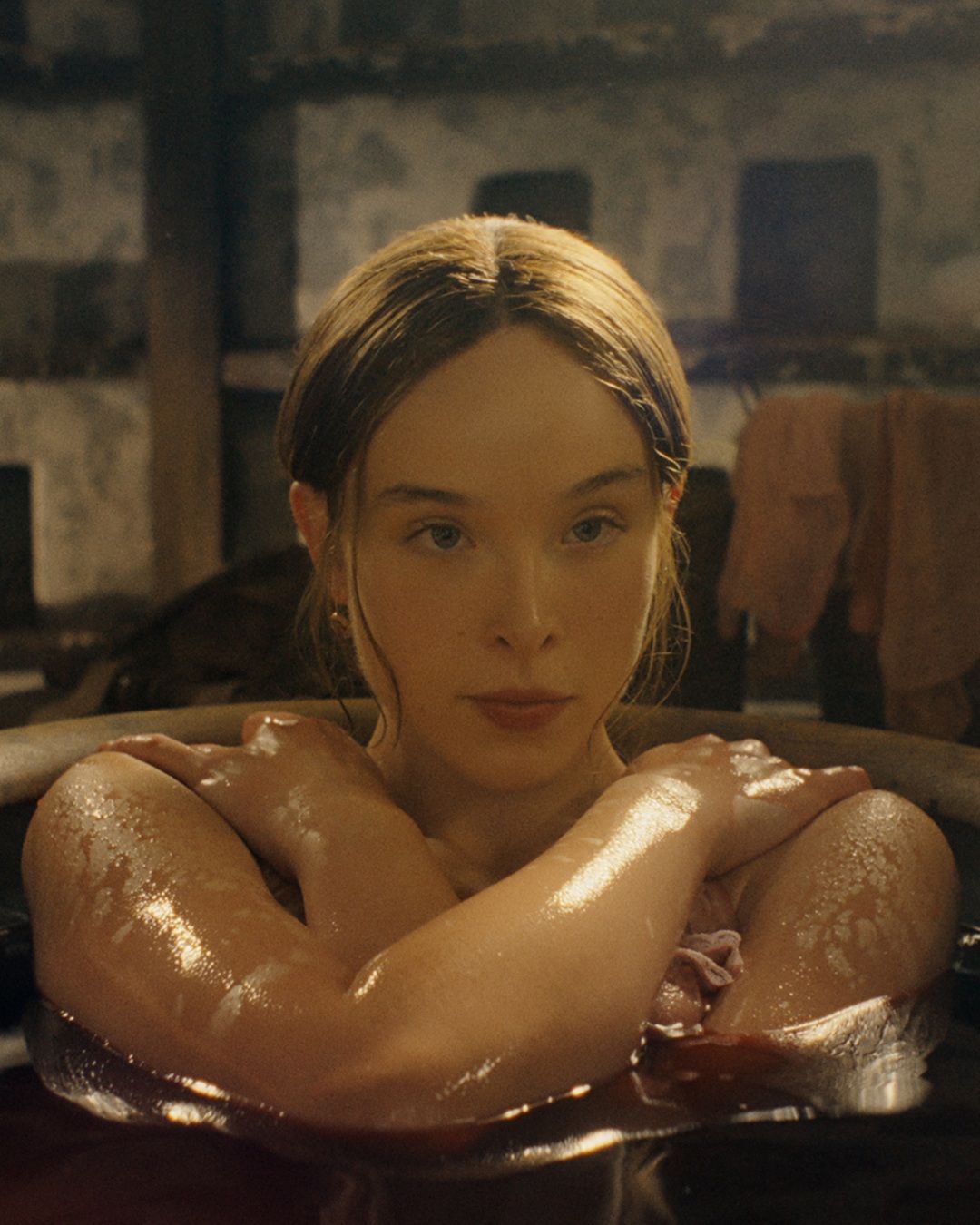
Monster is not just the story of Lizzie Borden, but of female rage through the centuries The fourth season of Monster is now available on Netflix
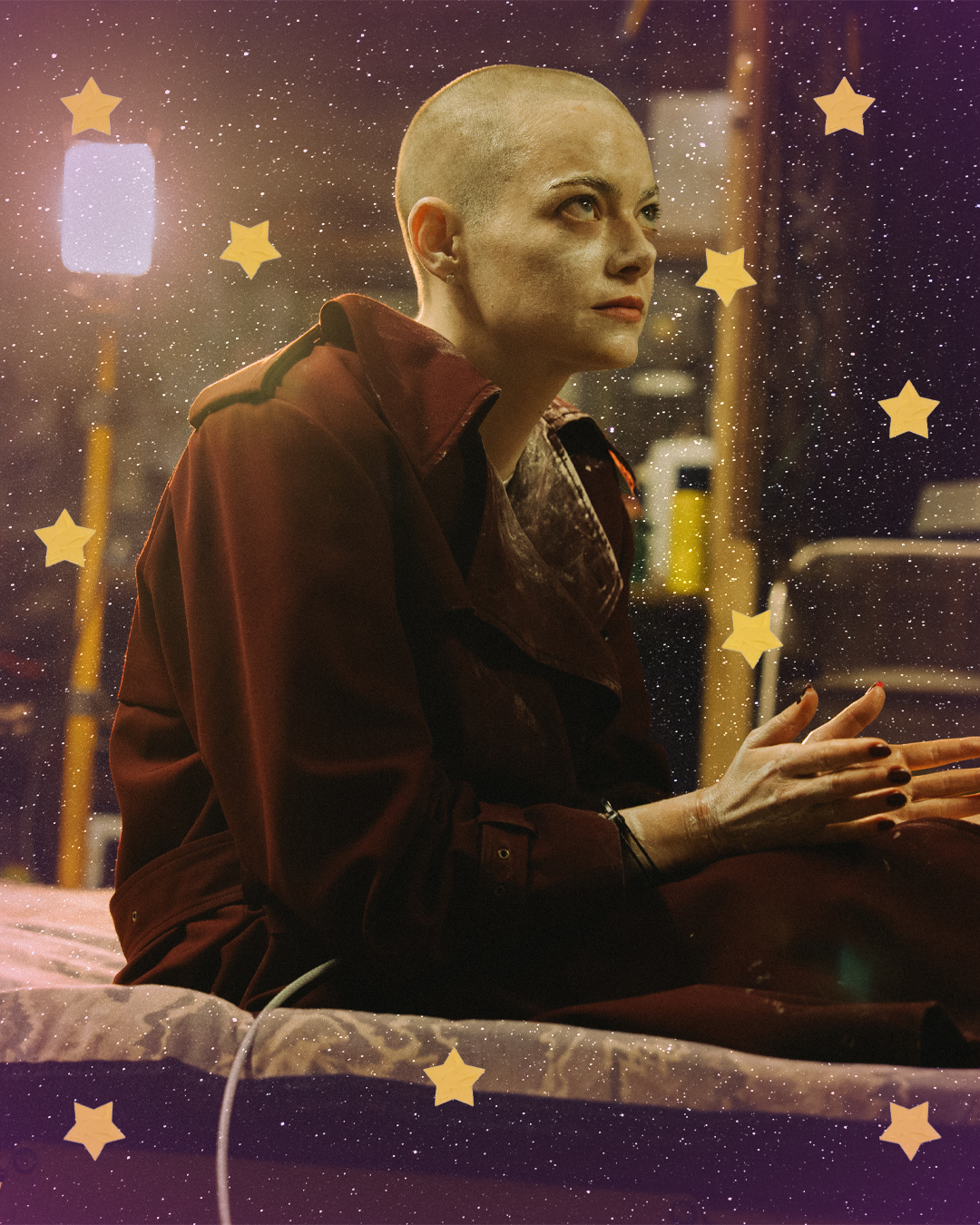
In its fourth season, the anthology series Monster has decided to focus on its first female protagonist. A necessary change of pace if the show wants to keep audiences interested, offering new perspectives rather than repeating itself and looking for original ideas that can still intrigue viewers. The presence of a female protagonist, however, inevitably brings with it assumptions and baggage that cannot tell, as in the case of the male characters, simply the story of one individual. Instead, they carry a legacy that is embedded in the DNA of the female experience when it comes to behaviours adopted and repeated within social dynamics.
Lizzie Borden and the origins of female rage
It is no coincidence that the murderer chosen is Lizzie Borden, who lived between the 19th and 20th centuries. She was a figure whose alleged, but plausible, involvement in the murders she was accused of carries with it reasons connected to her restrictive family circumstances and limited possibilities. A form of repression that, inevitably, erupts into a kind of female rage passed down from generation to generation, stretching from a past that can become almost mythological, like that of the bloodthirsty countess whose story Lizzie reads, all the way to the more contemporary story of Aileen Wuornos, whose 2003 film was itself titled Monster.
When monstrosity becomes a female story
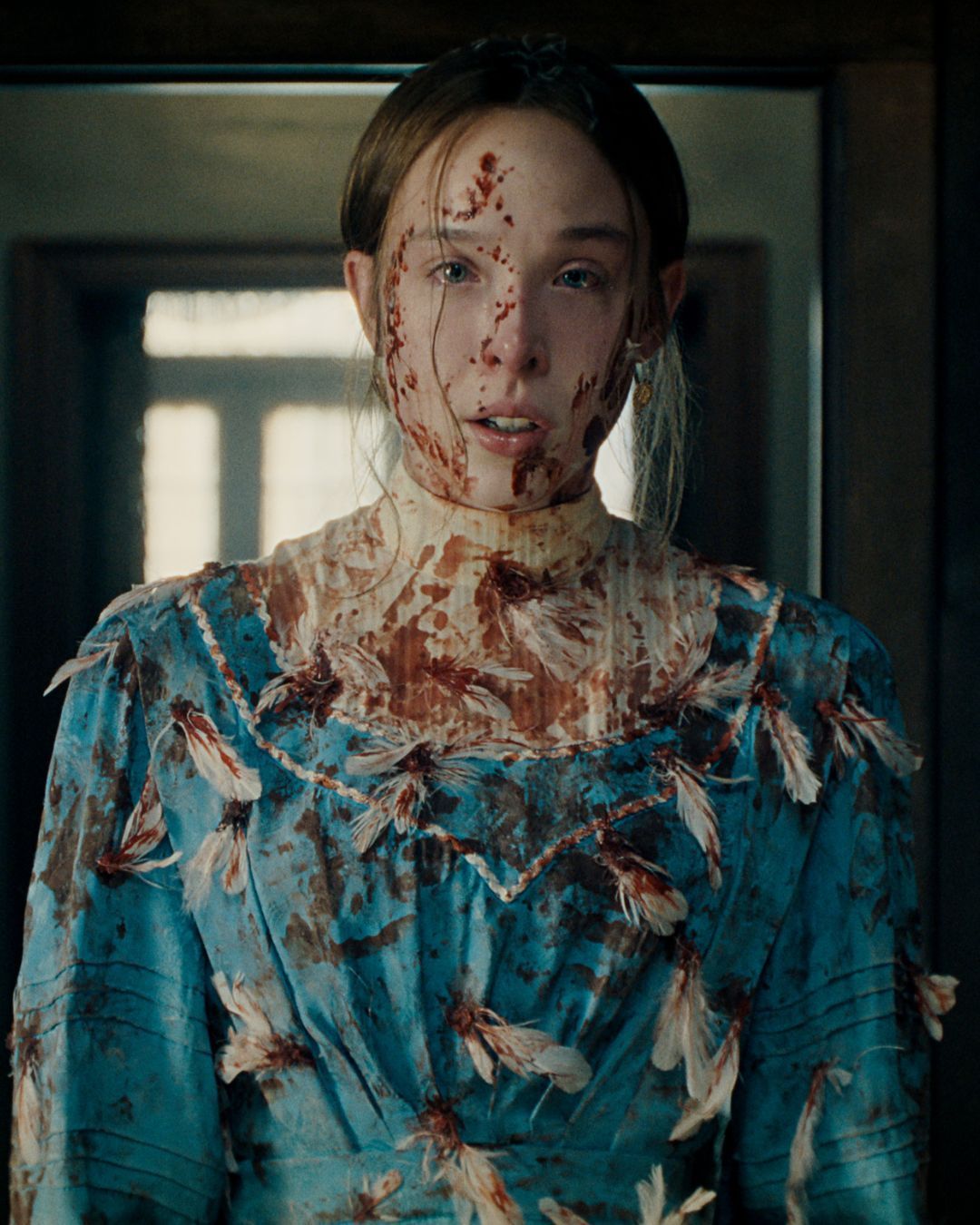
Monstrosity therefore changes paradigm in the fourth season of the anthology series created by Ian Brennan and Ryan Murphy. Being monstrous is no longer simply about the disturbed mind of someone who commits unlawful or immoral acts, even though the show has always attempted to contextualise the origins of violence, attracting criticism along the way, particularly with its first season about Jeffrey Dahmer. The story of Lizzie Borden thus becomes a patchwork that brings together the lives of different women, all converging in the figure of its protagonist, as if to demonstrate that there is a common thread connecting women who have repeatedly endured brutality and now want to fight back. The desire is to rebel against conventions that demand composure and silence, rules that are not followed by the maid played by Vicky Krieps in the series.
Bridget Sullivan, the emancipated woman
Employed to serve and attend to the Borden household, Bridget Sullivan becomes a disruptive presence within the rules established by the family, rules that were then, and perhaps still are today, imposed on women in the world beyond the home. Determined but never rude, firm in her beliefs without being impolite, the maid refuses to submit to the shame and contempt that were considered perfectly acceptable ways of treating a woman, especially one perceived to belong to a lower social class. Her knowledge, her ability to navigate society and her growing awareness of her own independence, inevitably connected to financial autonomy, make Bridget an example of an emancipated woman whose presence can only disrupt the humiliating and hateful daily existence Lizzie has been forced to endure. The young woman is not only considered unsuitable for marriage, but is constantly insulted for her appearance and supposedly limited intelligence, with her father and stepmother treating her as “stupid”.
“I’m not stupid”: Lizzie’s awakening
“I’m not stupid,” Lizzie tells Bridget. A realisation of who she is that had never quite found the spark it needed to ignite and push her to change her circumstances. Her encounter with the maid, fictionalised for the series and with the queer dimension hypothesised in the real-life story brought to the forefront, becomes the definitive moment of awareness: Lizzie was not the one who was wrong, and it was not her fault that her family held her in such little regard. Learning that a woman could speak, express opinions, support herself and understand that money could be a path towards a kind of freedom that had seemed impossible for so long leads the young woman to commit the most deplorable of acts. But mitigating circumstances are fundamental to Monster, and perhaps even more so in the story of Borden.
Blood, violence and centuries of female suffering
There is, of course, no justification for the murders committed by the woman. Her sense of guilt, explored throughout the episodes, cannot simply be excused, just as there is no way to absolve Aileen Wuornos. What Monster does by intertwining its three narrative threads, with Lizzie Borden at the centre while looking backwards to the legend of Countess Erzsébet Báthory and forwards to Wuornos, is turn blood into more than the life force Bridget talks about. It becomes a thread connecting centuries of violence and telling the story of what women have had to endure. The countess’s abuse has consequences for her psyche, which in turn reverberate through Lizzie’s suffering and the sexual violence experienced by Aileen Wuornos. Everything women have been forced to endure carries weight in a story that seeks to trace the origins of female anger, an anger often produced not by simple sadism, but by circumstances from which a degree of peace could only be achieved through resistance.
Monster and the possibility of female freedom
Borden, Báthory and Wuornos should therefore not be taken as examples to follow. Through Monster, however, they can become vessels carrying us towards an understanding of the condition women have endured, and continue to endure today. Their stories can be read as expressions of self-defence or revenge that no longer need to involve axes or guns, but can instead be armed with greater and more immediate awareness: a consciousness capable of anticipating violence, resisting it and ultimately allowing women to be free in every sense of the word.