Yet another celebrity beauty brand has arrived And honestly, we really didn't need it
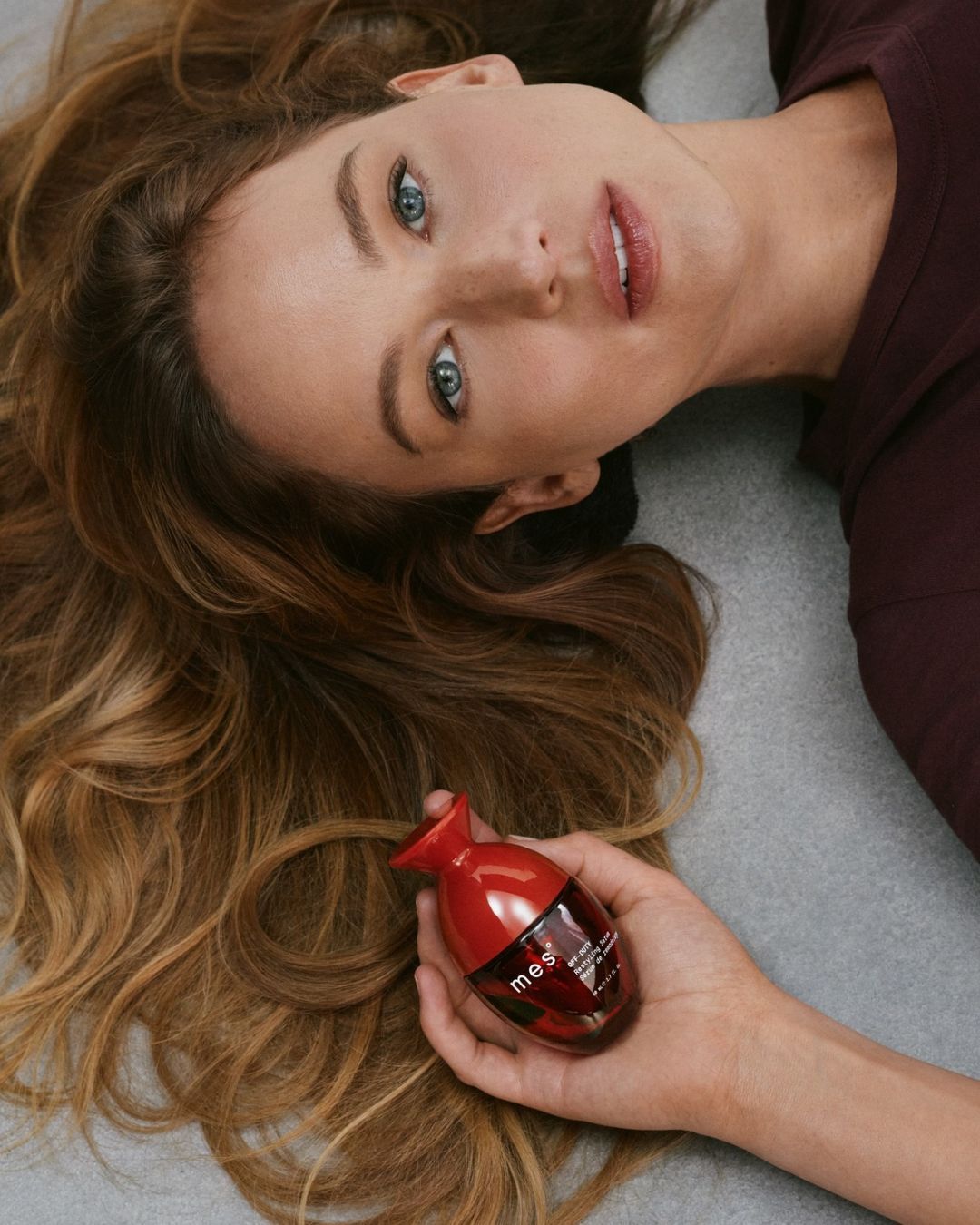
You might already know this, but Jennifer Lawrence has joined Instagram. She had remained one of the few Hollywood stars to resist the pull of the social network, staying true to that slightly unconventional image that has always set her apart from her peers, at least until she decided to do one of the most predictable things a celebrity can do in 2026: launch her own beauty brand. Her Instagram debut, initially met with enthusiasm by the more than 9 million followers she racked up in no time, actually served a fairly specific purpose: promoting mes°, her new haircare line. A launch strategy that turned what looked like an unexpected move to get closer to fans into yet another personal branding exercise.
What is mes°, Jennifer Lawrence’s new beauty brand
Launched on October 27, mes° is built around a philosophy centered on the concept of Unbothered Beauty: letting go of the pressure to have flawless hair all the time and ditching overly complicated beauty routines. "Beauty should fit into your life, not the other way around," reads the brand’s website. The idea stems from the actress’s personal experience, having spent years subjecting her hair to constant washing, bleaching, and styling on film sets. The solution? Three multitasking products designed to simplify everyday haircare, developed alongside Arcaea, a beauty biotechnology company founded by biologist Jasmina Aganovic. It’s a project rooted in scientific research, taking an approach defined as biodesign.
Why do celebrities keep launching beauty brands?
On paper, then, mes° seems to have a story to tell. Still, the question naturally arises: did we really need yet another celebrity-founded beauty brand? "I think the market is already overcrowded and we’re witnessing a kind of launch inflation," notes Martina Ricca (@smibie), a communications and marketing expert. "Every week there seems to be a new celebrity unveiling a skincare, makeup, or haircare line. As a result, the news itself no longer surprises anyone." Yet, she explains, the reasons this model continues to appeal to famous faces are quite tangible: fame can easily be converted into a commercial opportunity, especially in a sector like beauty, where a satisfying product can become part of someone’s daily routine and drive repeat purchases. On top of that, platforms and distribution channels have made launching a brand far more accessible than in the past. Getting to market, in short, is easier than ever. Standing out is another story entirely.
Why mes°’s messaging falls short
This is precisely where the Jennifer Lawrence case becomes more interesting. A charismatic, witty actress perceived for years as an outsider to Hollywood conventions, Lawrence has never been someone we instinctively associated with the beauty world. The positioning of mes°, with its nods to effortlessness and beauty freed from aesthetic expectations, clearly aims to extend that persona. Yet there’s a paradox: the brand invites us to break free from image obsession with slogans like "Come as you are" and "Unbothered Beauty," only to sell us yet another pricey routine to buy in order to achieve that supposed freedom. Three products that promise to simplify haircare, yet still end up entering a market already saturated with solutions meant to improve, fix, and enhance how we look.
Disinterest in beauty is just a strategy to sell us beauty: Martina Ricca weighs in
Disinterest in beauty, in the end, has simply become a new way to sell it to us. There is also the matter of alignment between founder and product. As Martina Ricca points out, a celebrity brand works when there is a credible link between the person behind it, what they’re selling, and why audiences should care: "With Fenty Beauty, Rihanna brought a conversation around inclusivity to the market that aligned with her identity and filled a real gap. The same goes for Negin Mirsalehi with Gisou, because Negin originally rose to online fame specifically for her gorgeous hair, and the brand grew out of a product her community had implicitly been asking her for over the years." In Lawrence’s case, however, the connection feels less immediate: when we think of the actress, her hair is hardly the first thing that comes to mind. And in an industry where imagery is an integral part of the product, that is no minor detail.
When fame isn’t enough
Over the past few years, we’ve seen a proliferation of beauty brands claiming to revolutionize the industry, tap into unmet needs, and offer formulas never seen before. The result is growing indifference toward messaging that frames every single launch as groundbreaking. When everything is marketed as a revolution, it becomes hard to tell what actually is one. In fact, the issue goes well beyond Lawrence: the main flaw of these brands is confusing the ability to generate attention with the ability to build a business built to last. Fame can guarantee a splashy launch, but it cannot replace formula quality, product efficacy, or the power to convince someone to buy a second time. Above all, standing out requires a concrete reason to exist, something that goes beyond the founder’s name and justifies putting yet another product on shelves. Because, as Ricca concludes, the goal should be building a brand capable of outgrowing the fame of the person who created it. Who knows if anyone will ever know mes° before Jennifer Lawrence.
What to read next
The phenomenon of erotic audio dramas starts from Pop culture
Why do all our favorite actors lend their voices for an erotic audiobook?

Brain stacking: the new antidote to brain rot?
Analog hobbies to break your scrolling habit and regain your focus