






Beauty is bought by touch Jelly, whipped, milky, bouncy: when a product's texture becomes more important than the product itself
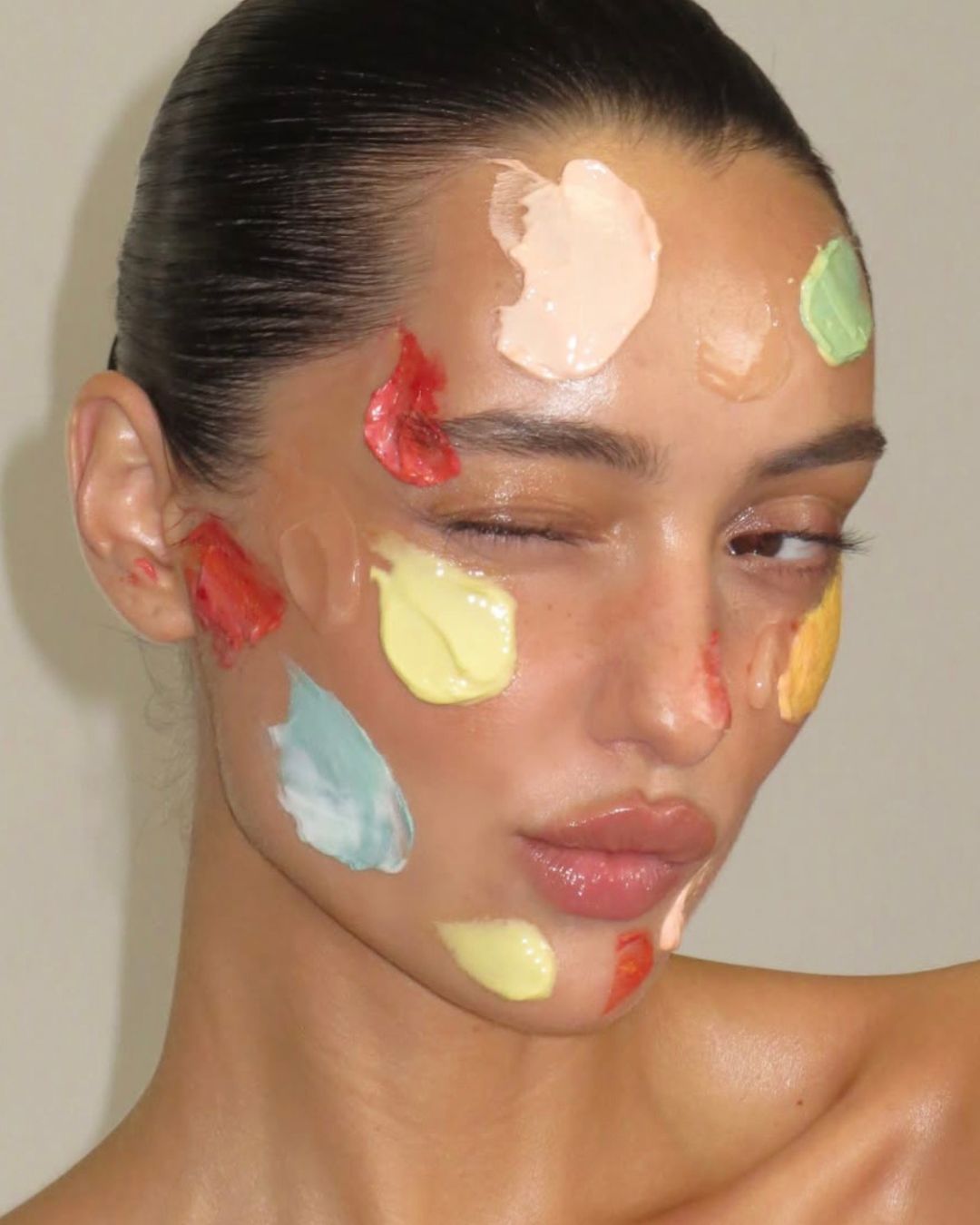
I don’t know about you, but lately, rather than buying skincare products, I feel like I’m looking for the ingredients to make the perfect dessert: jelly, whipped, milky, bouncy, balm, mousse. I open a beauty website or walk into a store and find myself wondering not only what a product will do, but what it will feel like between my fingers. And it’s not a coincidence: more and more brands are using branding and communication to make us imagine a texture before we’ve even tried it, turning words into a sort of tactile preview. Texture, in other words, no longer seems like a simple detail of a formula, but part of the way a product is presented and, consequently, desired. But when did it become so important in beauty?
Beauty is bought through touch
The new beauty vocabulary
@danicolexx Entering ASMR skincare
All it takes is a look at the beauty vocabulary of the past few years to realise just how sensory it has become. A lightweight cream, for example, is now milky; it’s not just a soft cream, but whipped; not a gel, but jelly. These words don’t simply describe a product, they try to make us imagine what it will feel like to use it. A jelly suggests something fresh and lightweight on the skin, while a balm feels rich and substantial: texture is translated into a language we can understand even before we’ve actually experienced it. And the more precise this vocabulary becomes, the more texture stops being just another characteristic of the formula and becomes part of its identity. Sometimes, in fact, texture almost seems to take over from the product itself: think of the latest mousse creams or cleansers, where that soft, whipped consistency becomes an integral part of the product’s appeal, almost as much as, if not more than, what it promises to do for the skin.
The rise of ASMR
@facetheory take a scroll break and watch these skincare textures #asmrtiktok #asmrskincare #facetheory #skincareuk #textures original sound US - SOME BY MI
Today, all it takes is opening TikTok or Instagram to see fingers sinking into cream, capsules being popped and balms melting at the slightest touch. Simple gestures that, thanks to the ASMR aesthetic, have become an integral part of the way a product is presented (and sold) online. Texture is no longer just something you experience once you open the packaging, but something that can be watched, heard and desired through a screen. And this is probably one of the reasons why in recent years we’ve started seeing more and more formulas built around a precise sensory experience. A cream that makes a little pop when you open it, a gel that bounces on the spatula, a product that changes consistency as you spread it: these are details that work perfectly on video because they make the product instantly recognisable. Texture thus becomes a kind of beauty performance, satisfying enough to stop the scroll and distinctive enough to stick in your mind and make you want it.