The US Congress gets a whole new look First Black female governor, first Native American woman senator, and first trans representative in Alabama elected
For two years, we were told America’s future was already set in stone. Run by wealthy, elderly white men legislating over women’s bodies, erasing trans people from public records, and framing minorities as a public order hazard. Then came Tuesday’s midterm elections for the United States House and Senate. The Democrats flipped the Senate by flipping seven Republican seats and secured the House with their largest majority since 1993. For Trump, halfway through his second term, it marks a devastating blow. Yet the defining takeaway lies beyond the sheer numbers: it’s about who will actually fill those seats.
Historic firsts of the U.S. midterms
In Georgia, former Atlanta mayor Keisha Lance Bottoms made history by becoming the first Black woman elected governor in the entire history of the United States, a milestone 250 years in the making. In New Mexico, Laguna Pueblo leader Deb Haaland became the first Native American woman elected governor of any state, having previously served as the first Native cabinet secretary. In Minnesota, Peggy Flanagan became the first Native American woman elected to the U.S. Senate. In Texas, Gina Hinojosa ousted Greg Abbott, in office since 2015, becoming the state’s first Latina governor. In Ohio, Amy Acton was elected its first female governor, defeating Trump-backed candidate Vivek Ramaswamy. Come next term, three Black women will serve concurrently in the Senate for the first time. The trailblazing doesn’t end with women: in New Hampshire, Chris Pappas became the first openly gay man elected to the Senate, while Michigan sent Abdul El-Sayed to Capitol Hill as the state’s first Muslim senator.
Sweet Home Alabama: Allison Montgomery is the first trans woman in state legislature history
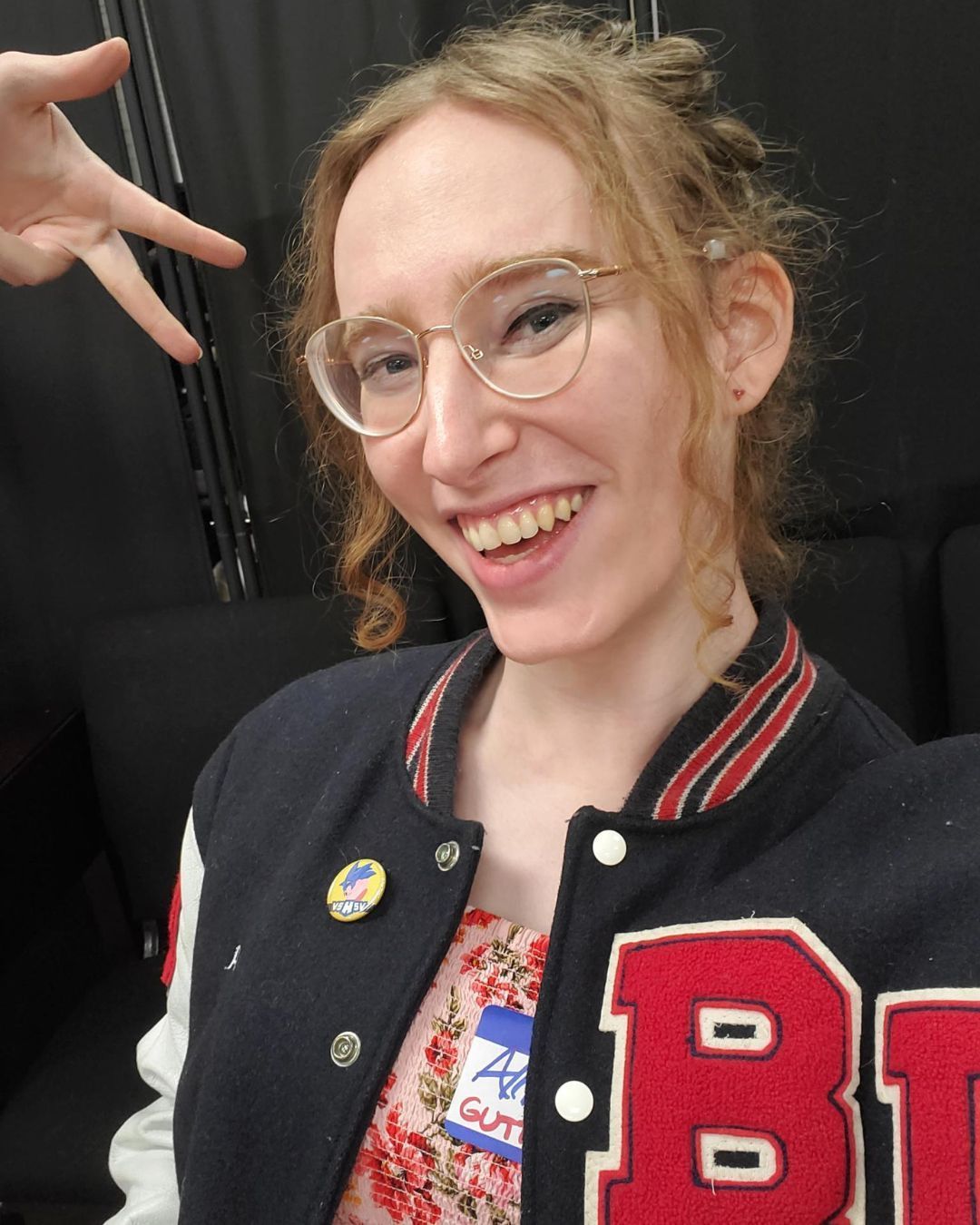
Alongside these victories, the race that speaks loudest about this cycle comes straight out of Alabama, one of the nation's deepest-red strongholds. Allison Montgomery, a software engineer from Huntsville and an openly trans woman, ran in District 25, a seat held by Republicans for two decades. On the campaign trail, the chairman of the Alabama Republican Party slurred her and another trans candidate as "men with a mental disorder." Her opponent, backed by a massive fundraising advantage, spent the final sprint of the race targeting her gender identity. Montgomery fired back by focusing squarely on healthcare, schools, struggling rural clinics, and gridlocked local roads. She prevailed with 53.2% of the vote, becoming the first openly trans lawmaker in Alabama legislative history. On election night, she urged supporters not to be swayed by media sensationalism: for her, the real headline is that a grassroots campaign built on practical policies can prevail even in Alabama, reminding everyone that culture wars exist solely to pit people against one another while someone else picks their pockets.
The gender gap remains massive
There is no reason to mistake one celebratory night for a completed journey. In the outgoing Congress, women hold just 150 out of 535 seats: barely 28%, despite representing over half the population. The partisan divide remains stark: women make up 42% of congressional Democrats compared to a meager 15% of Republicans. Every milestone reached is a glaring reminder of just how long the road has been, and proof that the fight is far from over.
What to read next

The trauma of being socialized as a woman is far more layered (and cute) than you think
And it filters through adorable imagery, in a memification of pain explored in the book Traumacore


What pushes a complete non-runner to sign up for the Rome Half Marathon?
It's Zalando's fault, mainly