

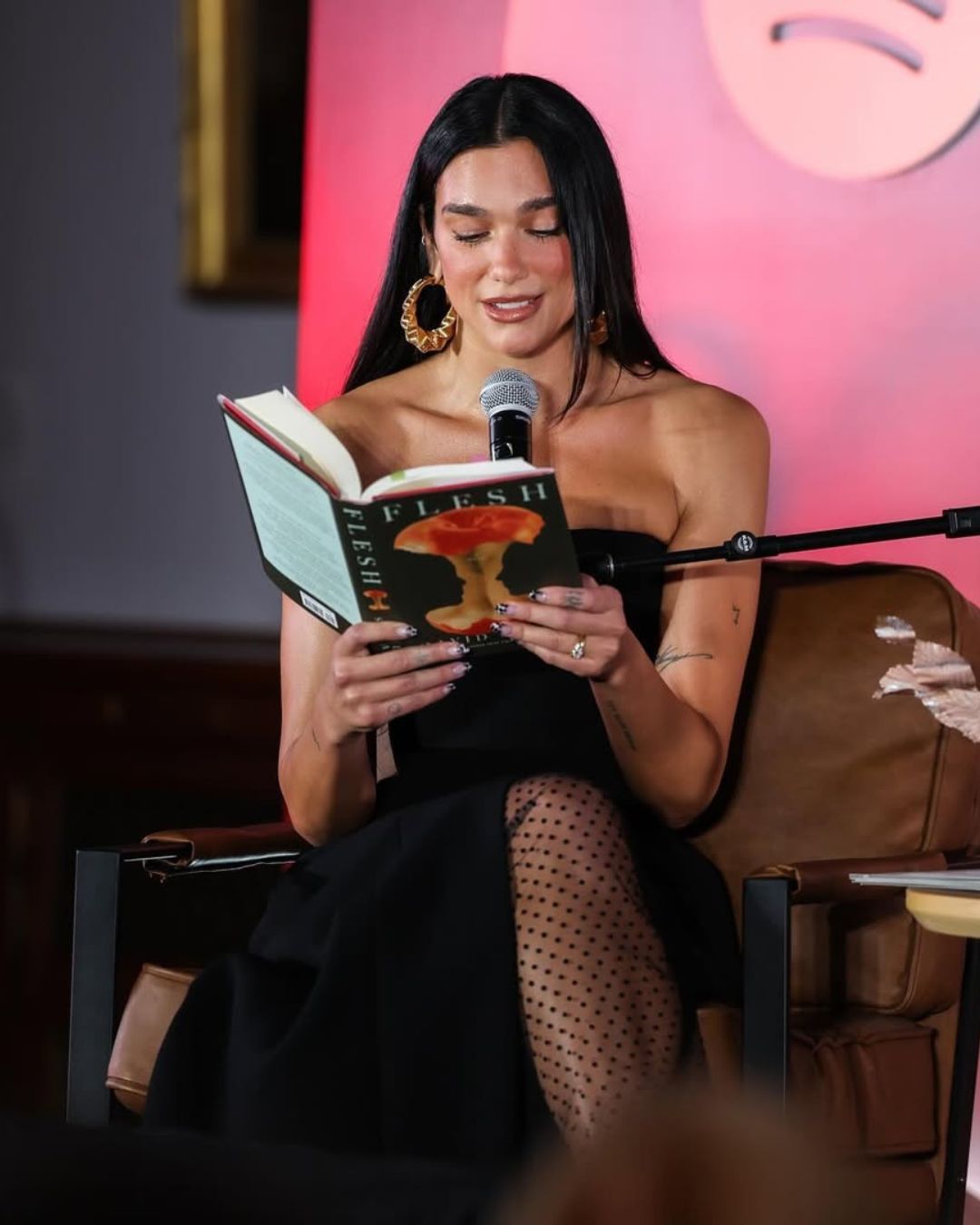
The books to read in autumn To experience the present from different perspectives
Fall is the perfect season to return to reading and, above all, to go beyond the most visible titles. What I want to talk to you about today are the treasures that can also be found by searching the catalogs of independent publishers and smaller publishing companies: books capable of telling the present from different perspectives.
The books to read for fall 2026
Factanza - Feeling good in a world that runs
We live in a time where we are constantly being reminded that we should be better. Sleep more, work better, be more productive, manage anxiety, limit ourselves with social networks, take care of ourselves. But what if the problem is not only individual? Feeling good in a world that runs, written by Factanza Media and Lorenza Bernardi and published by Il Castoro, starts precisely from this question. The book tries to read well-being not only as a personal responsibility, but as a social, cultural and systemic phenomenon. Anxiety, burnout, FOMO, productivity, work and social networks are addressed through a path that brings together history, neuroscience, philosophy and contemporary culture.
Lorenzo Gioielli - Pocket Guide to Imperfect Miracles
Pocket Guide to Imperfect Miracles by Lorenzo Gioielli (Kalós) is a coming-of-age novel set in Rome in the Eighties. The protagonist is a young aspiring actor who wants to transform his passion for theater into a profession. Around him are his family, his youthful loves, his first successes and his first disappointments, but also some of the great names in Italian theater and cinema, from Eduardo De Filippo to Vittorio Gassman and Giorgio Albertazzi. The city is not only the background of the story but a real presence, a Rome made up of squares, alleys, suburbs and theaters that accompanies the growth of the protagonist and helps to define his identity. Published in 2026, the book is a real declaration of love for the capital, for the stage and for an idea of art lived as a vocation.
Randa Ghazy - The West is dead in Gaza
With The West, he died in Gaza. Israel and Palestine: The Sleep of Reason (Solferino), Randa Ghazy proposes to change the lens through which the Palestinian question is told. The starting point is a fundamental consideration: to understand what is happening today, it is not enough to start from October 7, 2023. The book traces the story that led to the current situation and collects testimonies with the aim of restoring centrality to the experiences and lives of Palestinians. The story, the author argues, is essential to understand the present and to avoid a narrative reduced only to the most recent events.
Judith Hermann - Back in Time
In Back in Time (L'Orma Editore), Judith Hermann starts from some minimal traces such as a photograph or a faded tattoo to try to reconstruct the story of her maternal grandfather, who was a member of the Waffen-SS during the Second World War and was in Radom, Poland. What emerges is not only a portrait of a man, but that of a family void built over generations. The book thus becomes a personal research that is transformed into a broader reflection on memory and on the possibility, or impossibility, of coming to terms with one's family's past.
Jacqueline Harpman - Judgment Day
In Judgment Day (Blackie Editions), Jacqueline Harpman imagines a surreal situation. A woman dies and, on the other side, she meets God. The problem is that God presents himself in the guise of a fascinating, authoritative and, above all, half-naked man. The protagonist, however, is a convinced atheist. God pretends to be worshiped and tries to convince her to follow him into the heavenly kingdom. The result is an ironic and philosophical clash that focuses on a far from simple question: how willing are we to give up our convictions and our intellectual freedom?
Memoirs of the Flood - Saleem Haddad
Across continents and decades - from Baghdad in the 1950s to contemporary London, from the Tigris River to Yemeni refugee camps - Memories of the Flood (and/or editions) is at the same time an intimate family drama and, due to its scope, a modern epic. Saleem Haddad's novel involves us in a profound and overwhelming multigenerational reflection on art, exile, memory, the long-term effects of conflicts and on what it means to belong, to create, to resist.