
































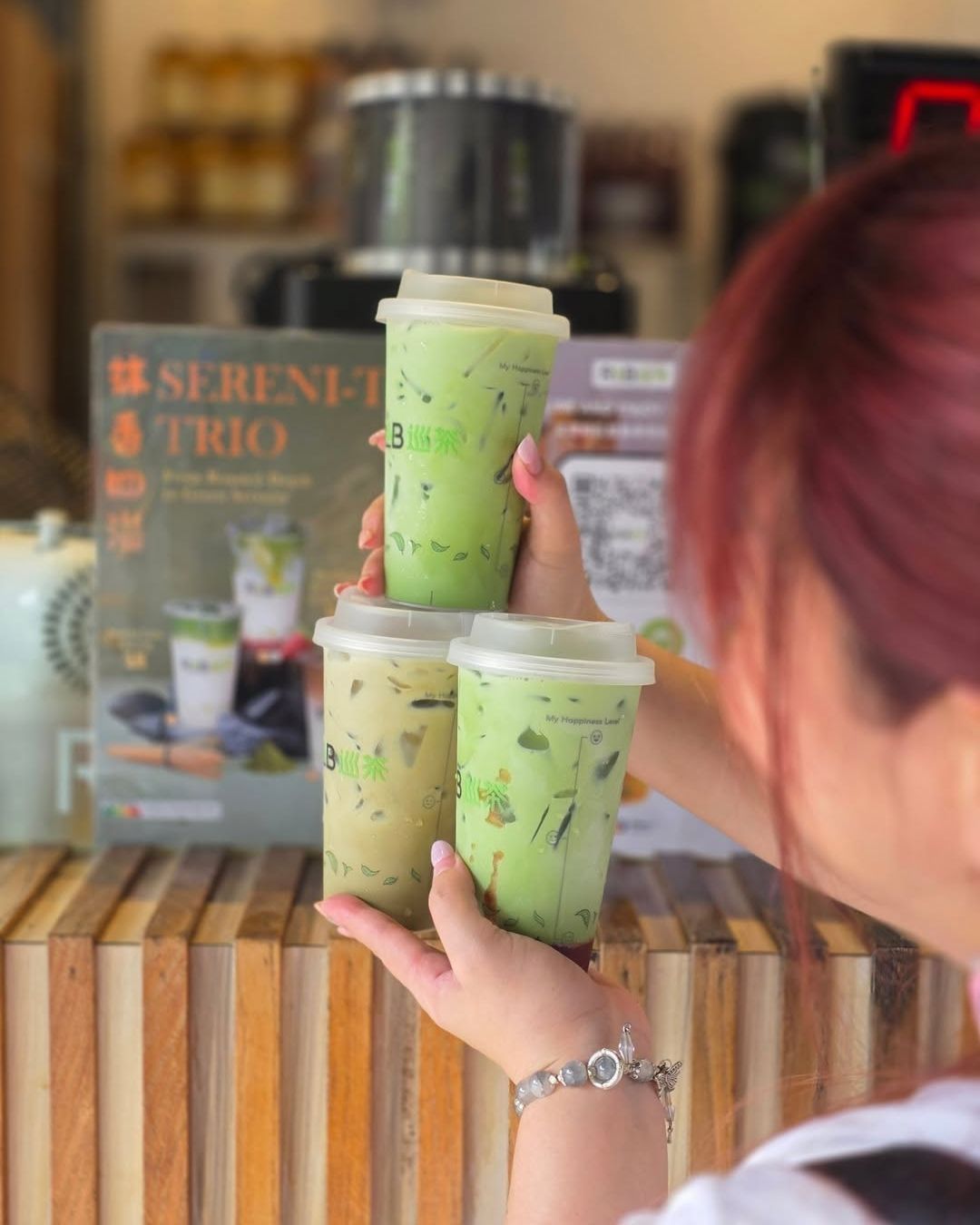
We are crazy for hojicha latte We are white and we like to drink Asian drinks, we live in a big city and we are victims of fetish objects and status symbols
Maybe it’s the fault of the Americanization (or rather, the U.S.-centric nature, though it just doesn’t sound right) of the media we consume. Maybe it’s because Milan, more often than not, becomes Italy’s gateway for international trends that make us feel cool. Or maybe it’s because, at the end of the day, what is life if not a long sequence of curated poses? Whatever the reason, we absolutely love strutting around with a busy air and, in our right hand, a giant cup of something exclusive, symbolic, overpriced, that immediately crowns us the most international and on-trend person in the room, or on the subway. The latest cup of glamour? The hojicha latte, which is poised to dethrone matcha in the fierce battle for the most hyped drink of the capitalist West. Tell me you caught the irony.
What is a hojicha latte?
Let’s start with the basics. A hojicha latte is similar to a matcha latte. It’s a hot beverage made with roasted Japanese green tea (hojicha, to be precise), water, and a type of milk. In summer, it comes chilled over ice. The easiest way to make one is by using tea powder, which unlike matcha powder, is brown rather than green. The final look, therefore, resembles that of an iced latte, completely lacking the super-on-trend-green hue typical of its unroasted sibling. Sweeteners are optional. The flavor is grassy, roasted, and nutty. If the powder is high quality and sugar is kept in check, you might even taste hints of cocoa and caramel.
@tatiimatcha choose your fighter: team hojicha vs team matcha #matcha #matchatok #foodtips #homemade #matchatutorial #matchalover #matchalatte #hojicha #hojichalatte #morningroutines original sound - tati
Why do we like it?
The most obvious and honest answer is: because we’re slaves to the hype and trendy cafés. Dig a little deeper, though, and you’ll find that in 2025, food (and the places where it’s made, served, consumed, flaunted) has become both a fetish and a status symbol. There are restaurants, bistros, coffee shops, and cocktail bars whose entire brand identity and public image are built around this hyper-specific targeting, so much so that once inside, you’re likely to find only people who are just like you. Food, too, is caught in the trend cycle. Just think of avocado toast, Emily Mariko’s salmon bowls, or the craze for strawberries and tomatoes. The latest trend? Hojicha lattes. And who are we to deny them a chance? No one, that’s who. Even if it means triggering global shortages or depriving the communities that invented - or adapted - a version of it, only to see it inevitably bastardized in its Western reinvention. Of course, there’s always the chance we just... like how it tastes. Guilty as charged.
this pic reminds me of when someone on here said that high‐quality food could soon become a way for people to signal their wealth and value https://t.co/k1OvJ4Dqje
— ︎ DUH! (@mugIerette) March 17, 2025
When a drink becomes an accessory in a recession
What happens when food becomes an accessory? Or more accurately, when does a Japanese beverage turn into a marker of status, identity, or taste? Apparently, during an economic recession. And it makes sense. A small luxury - even a tiny one - feels bigger, more important, and worth flaunting if it’s harder to afford. A €6 tea-based drink is a small luxury, but it’s not necessarily accessible, especially on a daily or weekly basis. That’s the same logic behind Erewhon’s $20 smoothies made in collaboration with Hailey Bieber, luxury handbags shaped like celery or leeks, social media users proudly posting their farmers market hauls. And yes, even going to the market has become an aesthetic for Instagram Stories. Why? Because we’re getting poorer, we can afford less and less, and yet we still want to signal something. Terrifying, right?