
























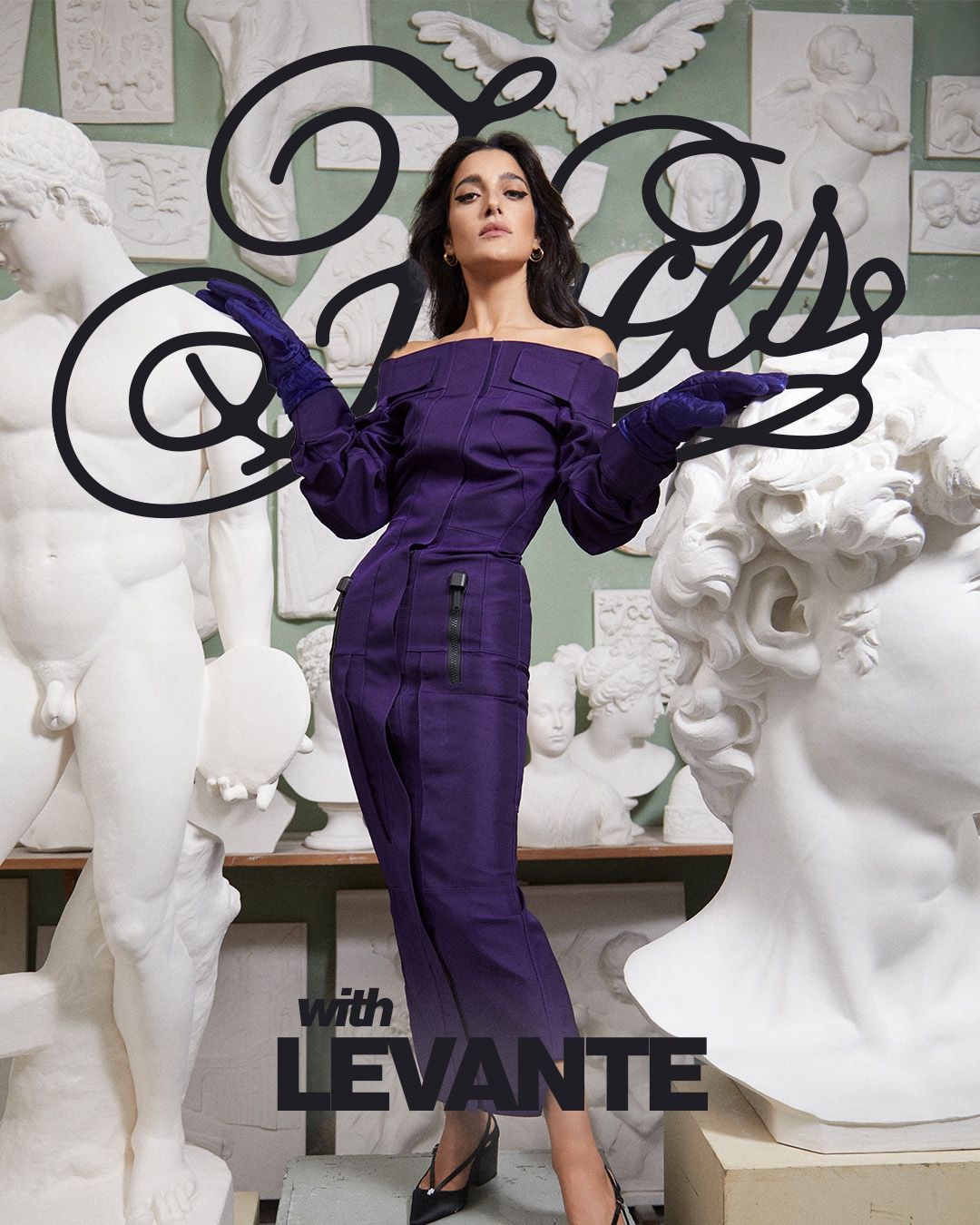














Giulia Elettra Gorietti: "In hindsight, I wouldn't have started acting so early. However, now I am happy" Actress, mother, and against patriarchy. In the movie Dedalus, she is an influencer mom, but in real life she hates injustices
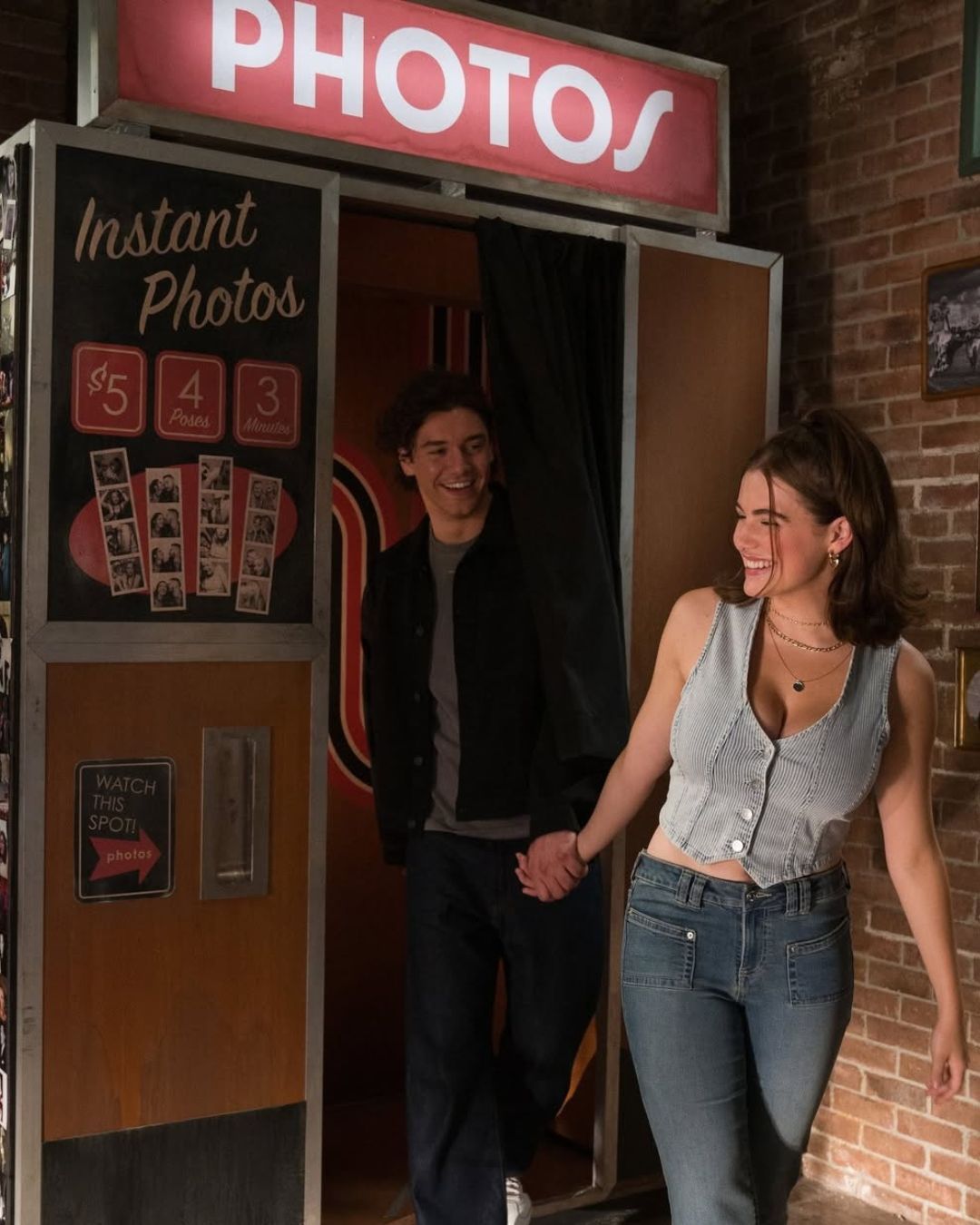
Being a mom is hard. Being an influencer mom is even harder. Giulia Elettra Gorietti knows this well — not because she is one, but because she plays one in the thriller Dedalus, a story of revenge and social media directed by Gianluca Manzetti. “After my first meeting with Gianluca, I decided to do it,” says the actress, born in 1988, who made her debut in 2003 with Caterina in the Big City and later became a cult figure in Three Steps Over Heaven. “When we rehearsed the scenes, we immediately agreed on one thing: Tiziana is not a bad person, she’s just taken her anxieties to the extreme. I can totally relate. I’m full of fears too, from hypochondria to agoraphobia to claustrophobia. Gianluca and I really connected over that. Weeks before filming, we were both anxious about shooting in caves. But letting those obsessions out also allowed us to laugh about them. In real life, though, therapy has been a lifesaver.” A bundle of anxieties poured into her role as a mother, even if the Tiziana in Dedalus is very different from the real Giulia Elettra: “Even though I’ve occasionally posted videos with my daughter, I think overexposure can be problematic. I was even asked to do a photoshoot with her, but I didn’t feel comfortable. Sometimes it happens, there are sponsors offering good money, but I need to feel safe and, above all, so does my daughter. And the way I’m wired, I’ve approached motherhood my own way, with all its flaws and strengths, and a certain anarchy that’s always been part of me. I didn’t base the character on anyone in particular. With the director, we shared a few influencer mom profiles that made us laugh, and then exaggerated them, especially in how Tiziana talks to her followers.”
Social media in Dedalus, starring Giulia Elettra Gorietti
At its core, Dedalus explores how social media today is used to talk about everything, perhaps too much. The story kicks off with a contest that brings together a group of influencers, who must face a series of challenges to win fame, fortune, and maybe a few hundred followers, only to discover that the trap they’ve walked into hides deadly twists. It’s a bit like our own Squid Game: “Yes, that comparison made me laugh a lot,” says Gorietti. “Even though I haven’t watched the latest season. I’m not in the mood. With everything going on in the world, I need a break from violence, at least the kind I can avoid on screen. Still, to unwind, I end up watching intense films about iconic figures striving for greatness or changing the world. My friends always ask: Don’t you ever switch off? Apparently not.” She also never backs down when it comes to raising awareness of social issues, such as gender equality, an issue she regularly advocates for through Amnesty International and as a signatory of Dissenso Comune, a manifesto by actresses and female entertainment workers fighting gender injustice and pay gaps. “I’ve been fighting against violence on women since I was eighteen,” she explains. “I come from a matriarchal family. My grandmother was a feminist and her fight for empowerment resonates in me. Social media can be a powerful tool, a megaphone that shouldn’t follow the algorithm, but shine light on what really matters.”

“Recently, a man shouted at me and my dog on a train, as if I were an object. It was obvious he felt entitled to use that tone. Naturally, I called out his behavior, and his wife apologized on his behalf. But that’s unacceptable. I told her she wasn’t the one who should be apologizing. I hoped her husband would take a long, hard look at himself. Sometimes you think there’s no point reacting, but that moment sparked something: a woman held my hand for comfort, and another one behind me was explaining to her husband why the man felt he had the right to treat me that way.” Gorietti often reflects on not conforming to societal norms, especially in her long-distance relationship with her husband Pietro Iemmello, a footballer for Catanzaro, often away for work, while she chose to stay in Rome with their daughter. “There are conventions I’ve never followed, and for a long time that made me feel strange, like the fact that I don’t live with Pietro. So many people feel entitled to comment on it. But I’ve come to the conclusion that the best thing for a child is seeing parents who love each other and are both fulfilled.”
These reflections come from Giulia Elettra Gorietti’s professional journey, something she’s deeply pondered over the years, especially about starting to work so young. “I used to do competitive sports, training every afternoon. Then one day someone stopped me on the street and asked if I’d be interested in acting. So I made a deal with my parents: if I did well in school, I could be in the film. Looking back, I wish things had gone differently,” she admits. “I don’t regret anything, even if I suffered. I love what I do and think it’s the best job in the world. But I’ve realized over time that I didn’t have the tools to navigate this industry alone. I wasn’t a woman yet, I didn’t have the right mentors, and I believed I had to be perfect all the time. If I had started later, I might have avoided a lot of pain and pressure. It would’ve been a healthier choice.”
Now, however, Giulia Elettra Gorietti is happy. While Dedalus is currently in theaters, her next project (Compulsion, directed by Neil Marshall) is already on the horizon. And even though after Gianluca Manzetti’s film one might want to take a break from social media, the actress still sees a glimmer of hope: “I don’t want to demonize it entirely. There’s a positive side. Without social media, many injustices would go unheard. Sure, I’m afraid words may never lead to action, but if knowledge and culture can spread through a phone screen, then that’s something good. Of course, there should be proper education - from families and schools - whether it’s about emotional and sexual awareness or even learning how to navigate the web, to protect ourselves from its dangers.”