Coty extends Marc Jacobs Beauty's license by 40 years Coty bets on the future of Marc Jacobs Beauty, balancing nostalgia with new ambitions
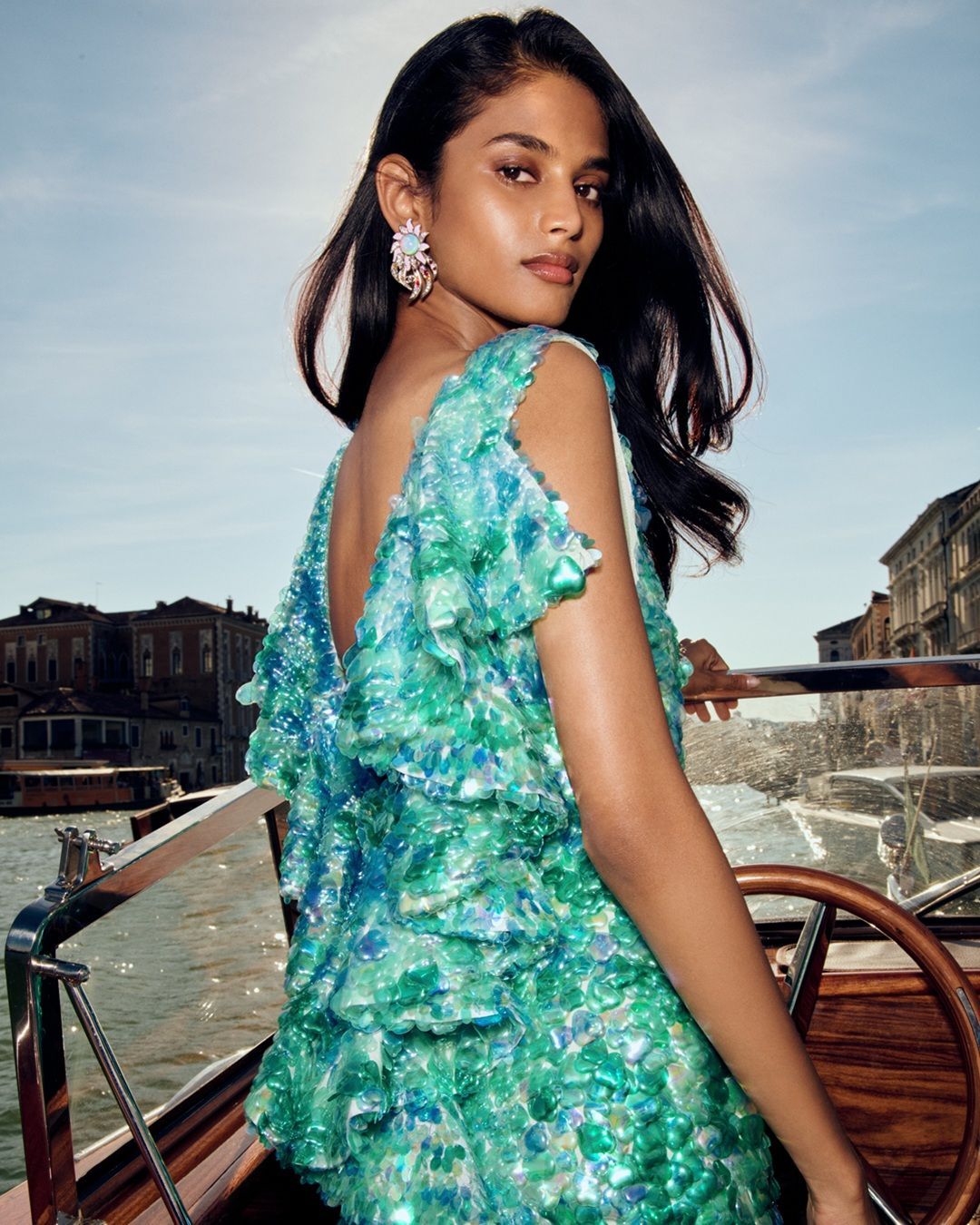
Beauty licenses are a bit like romantic relationships: when they work, it’s better not to break up. Coty has decided to apply this philosophy on a decidedly more ambitious scale, announcing the extension of its Marc Jacobs license for a total term of 40 years. The agreement with WHP Global and G-III Apparel Group, the brand’s co-owners, strengthens a partnership that began in 2003 and secures one of the strategic assets in the Coty Prestige portfolio for decades to come. Translated from corporate speak, this means the group doesn’t want to simply produce fragrances we can recognize with our eyes closed, but invest in the potential of a brand capable of transcending generations, aesthetics, and consumption cycles. The timing is no coincidence. Following the acquisition of Marc Jacobs by WHP Global and G-III, completed in September 2026, the fashion house is entering a new phase of international development. And in this scenario, beauty represents one of the most promising territories for building value and maintaining a lasting relationship with consumers.
From Daisy to the return of Marc Jacobs Beauty
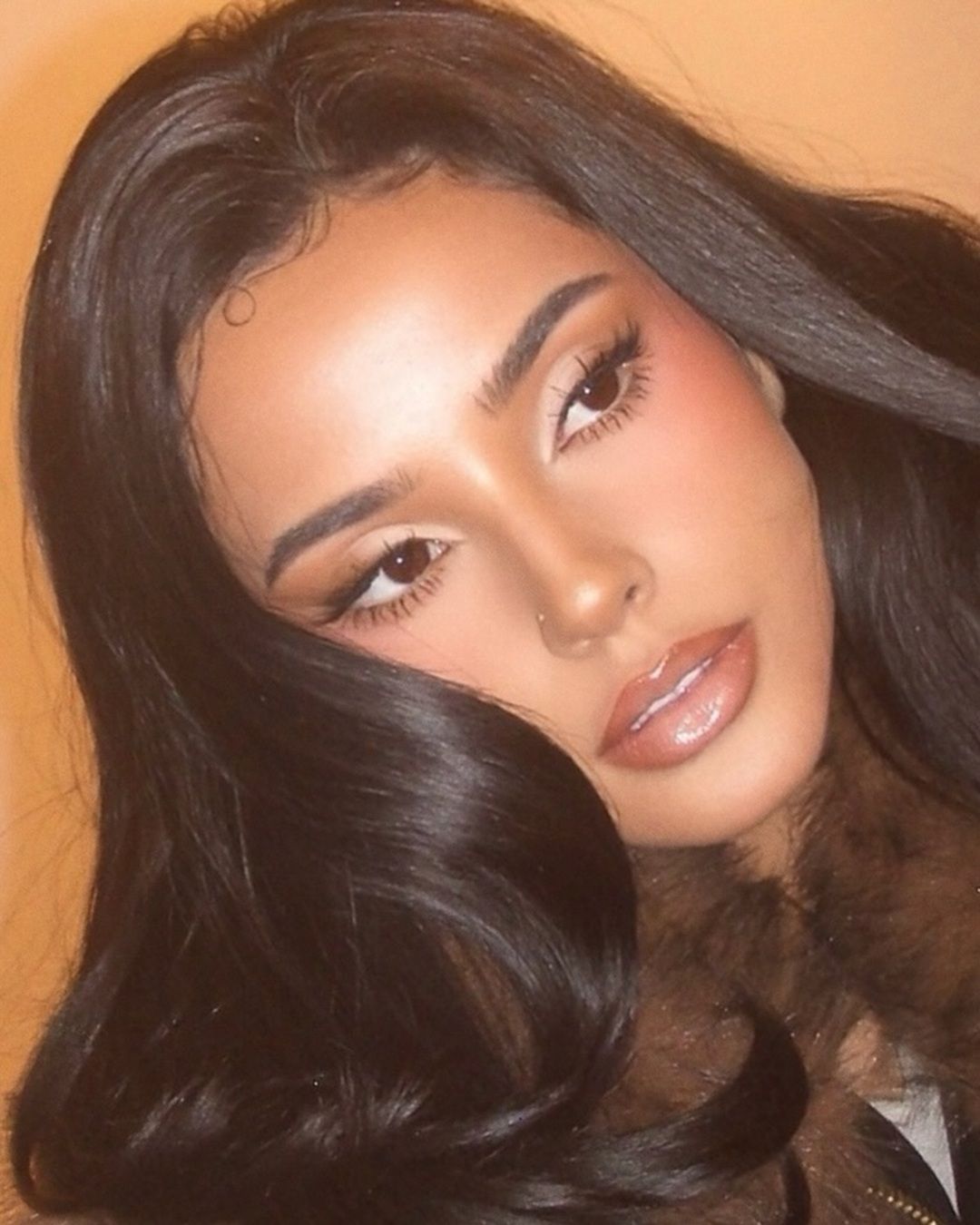
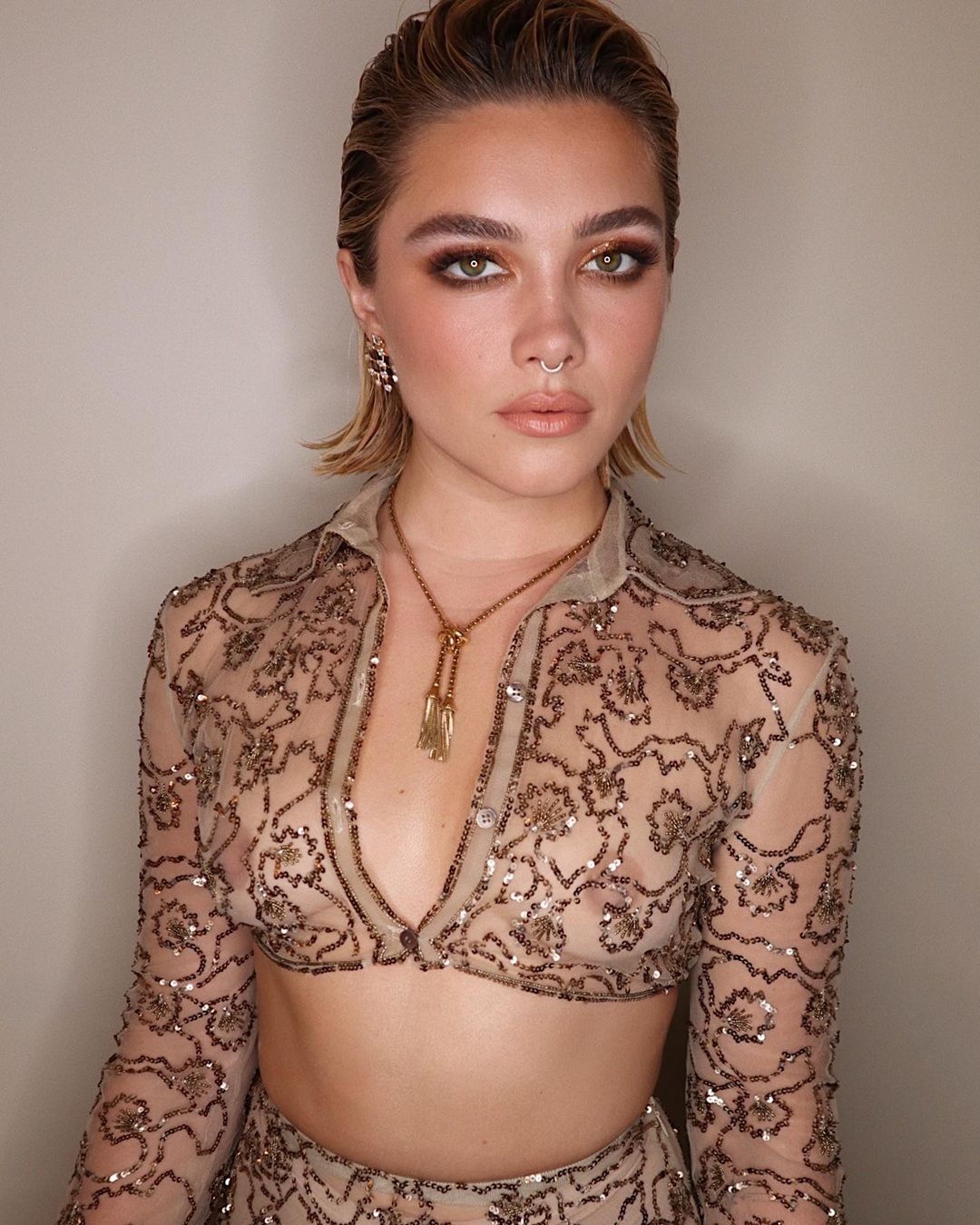
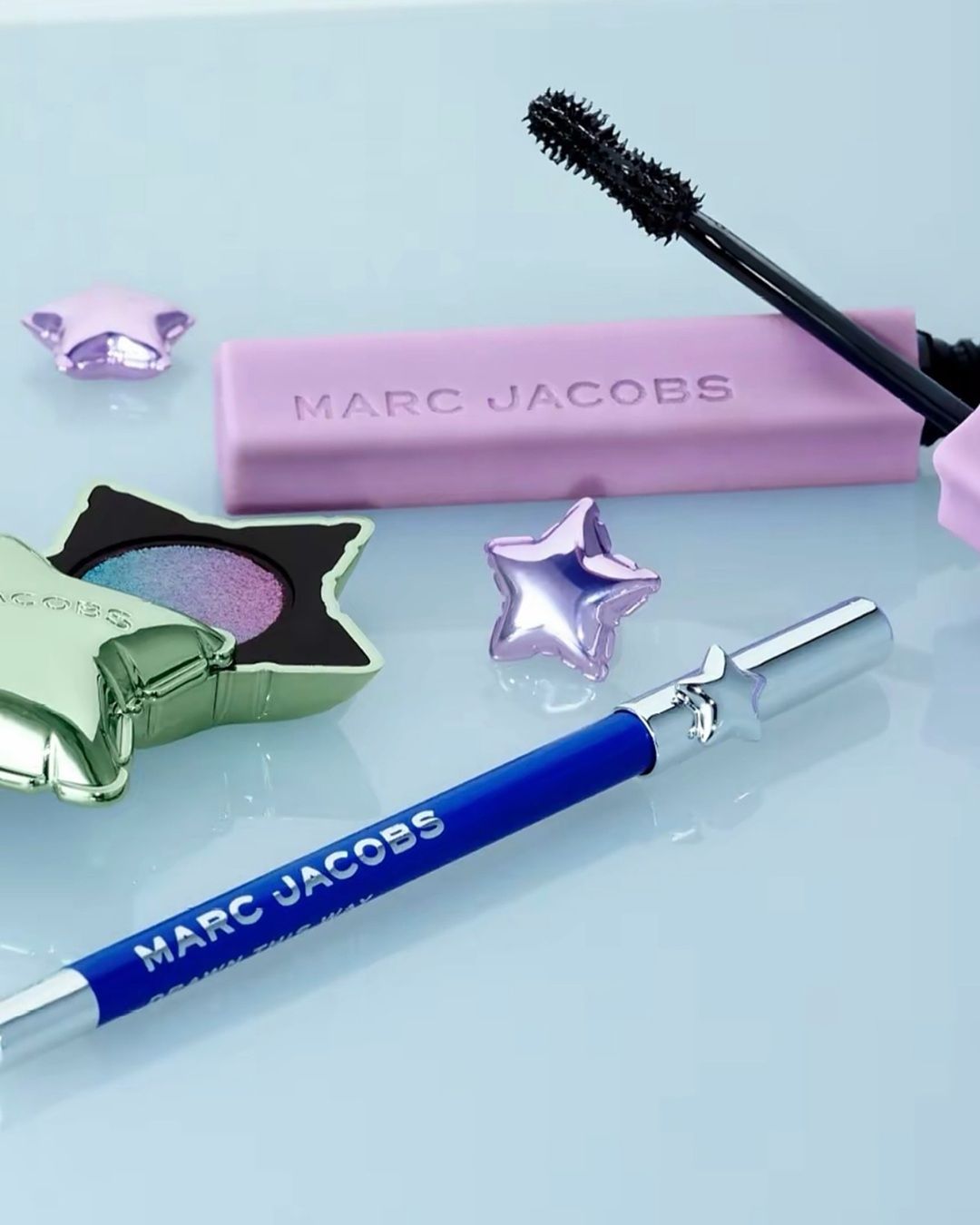
The Marc Jacobs and Coty partnership has already produced a string of bestsellers. Daisy Marc Jacobs arrived in 2007, destined to become one of the most recognizable women’s fragrances in the prestige segment, followed by Perfect Marc Jacobs in 2020 and Daisy Wild in 2024. The latter claimed the number-one spot among fragrance launches in the United States just months after its debut, and in the UK during its launch year. According to Coty, Marc Jacobs fragrances currently rank among the top 10–15 prestige women’s fragrances in the United States, the UK, Canada, and Australia. But the real plot twist is the return of Marc Jacobs Beauty, relaunched in 2026 after a lengthy hiatus and welcomed by a community that had never stopped calling for its comeback. Available at hundreds of Sephora stores across the United States, the UK, Australia, and Canada, as well as online, the Marc Jacobs makeup line is already exceeding the company’s stated sales targets. According to WWD, the brand ranks among Sephora UK and Australia-New Zealand’s top 20 makeup brands, while its eyeliners and eyeshadows are among the top five in the United States. Rounding out the expansion are the Daisy Hair & Body Mists, launched in 2026, which tap into the growing interest in scented products that extend fragrance into everyday routines beyond the traditional eau de parfum.
Forty years of licensing, a beauty strategy to build
The extension isn’t simply about nostalgia for a cult eyeliner or the desire to bring back a palette that seemed destined for the archives. For Coty, the renewal represents a bet on the future of luxury cosmetics and the possibility of turning Marc Jacobs Beauty into a global business by expanding its distribution, categories, and markets. The license provides a platform to accelerate the growth of color cosmetics, a segment in which the brand can leverage its creative identity and the recognition it has built in fashion. Markus Strobel, Coty’s executive chairman and interim CEO, described the agreement as confirmation of the group’s position as a leading partner for luxury fashion and lifestyle brands. WHP Global and G-III also emphasize the strategic importance of beauty in the relationship between Marc Jacobs and its audience. The broader context is particularly interesting: as Coty reorganizes its licensing portfolio, including the early transfer of Gucci Beauty to Kering and L’Oréal, Marc Jacobs is taking on an even more central role in its Prestige strategy. Forty years is a practically sci-fi time horizon for an industry in which trends, formulas, and desires change at the speed of a TikTok video. The challenge is precisely to turn a recognizable fashion identity into a lasting beauty presence without letting the revival burn out in its own enthusiasm. Because a viral comeback is one thing; building an icon that survives the next algorithm is an entirely different story.
What to read next
Makeup has something to say
A new generation of creators is choosing makeup slogans to express their identity, dissent, and marketing