





















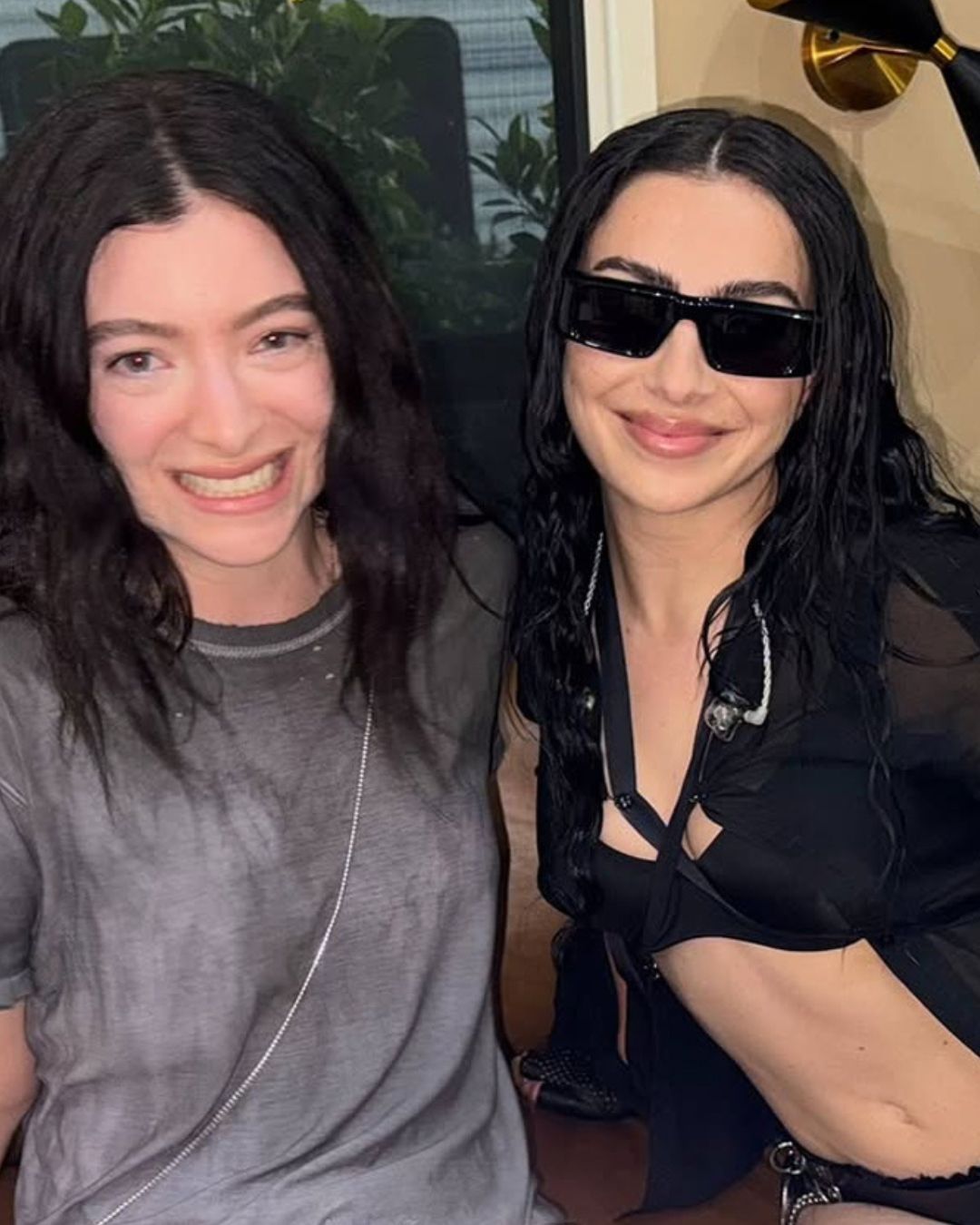
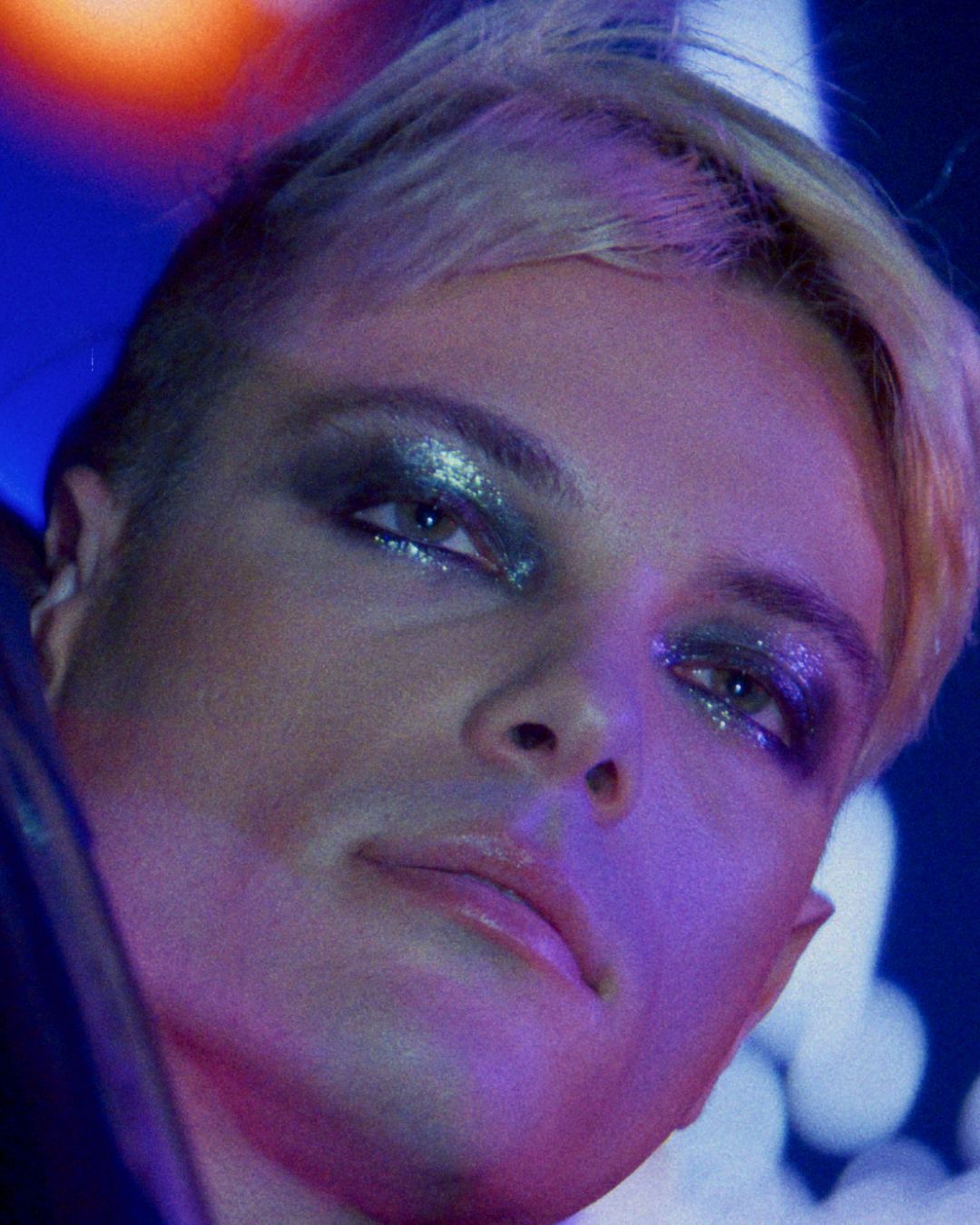

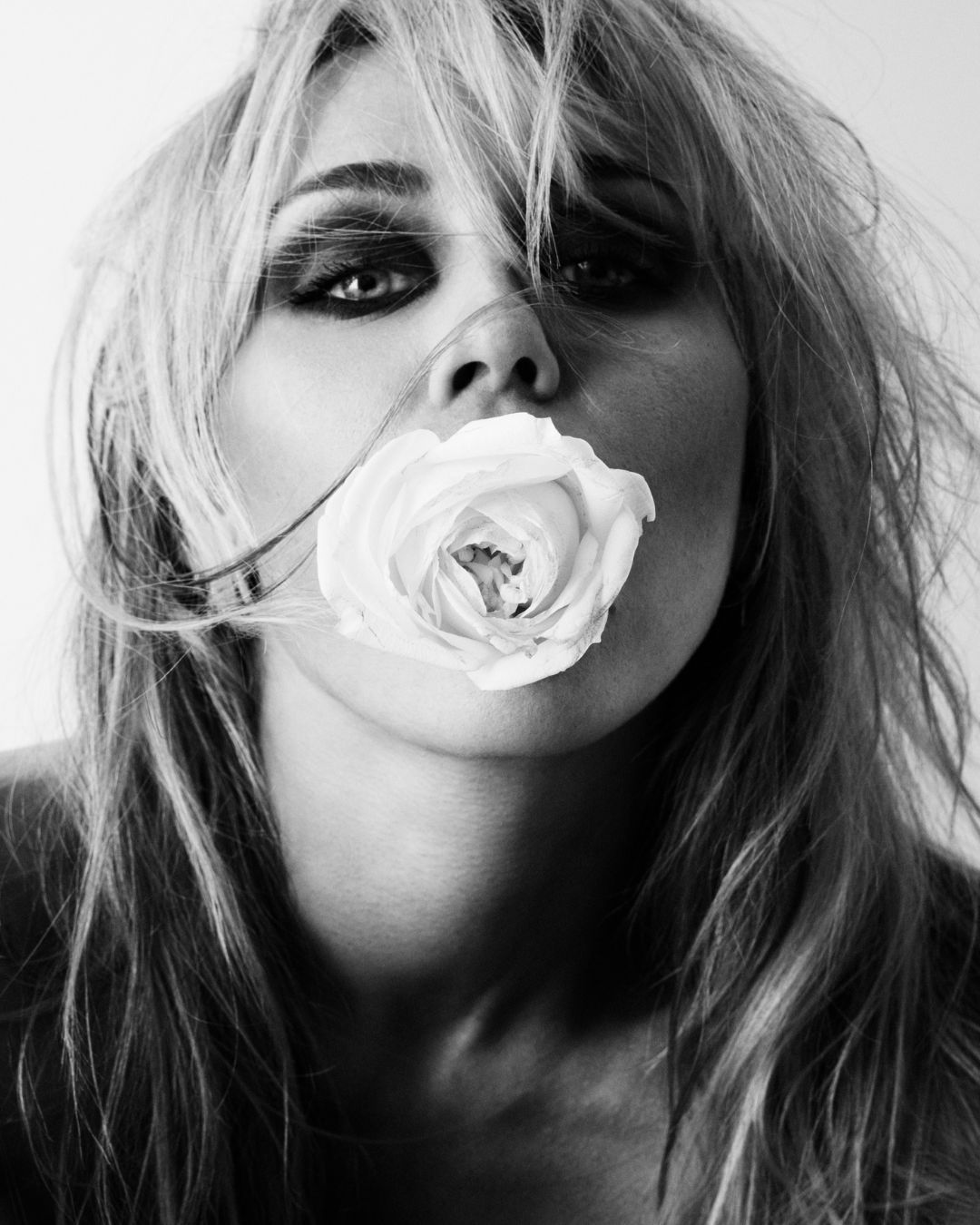

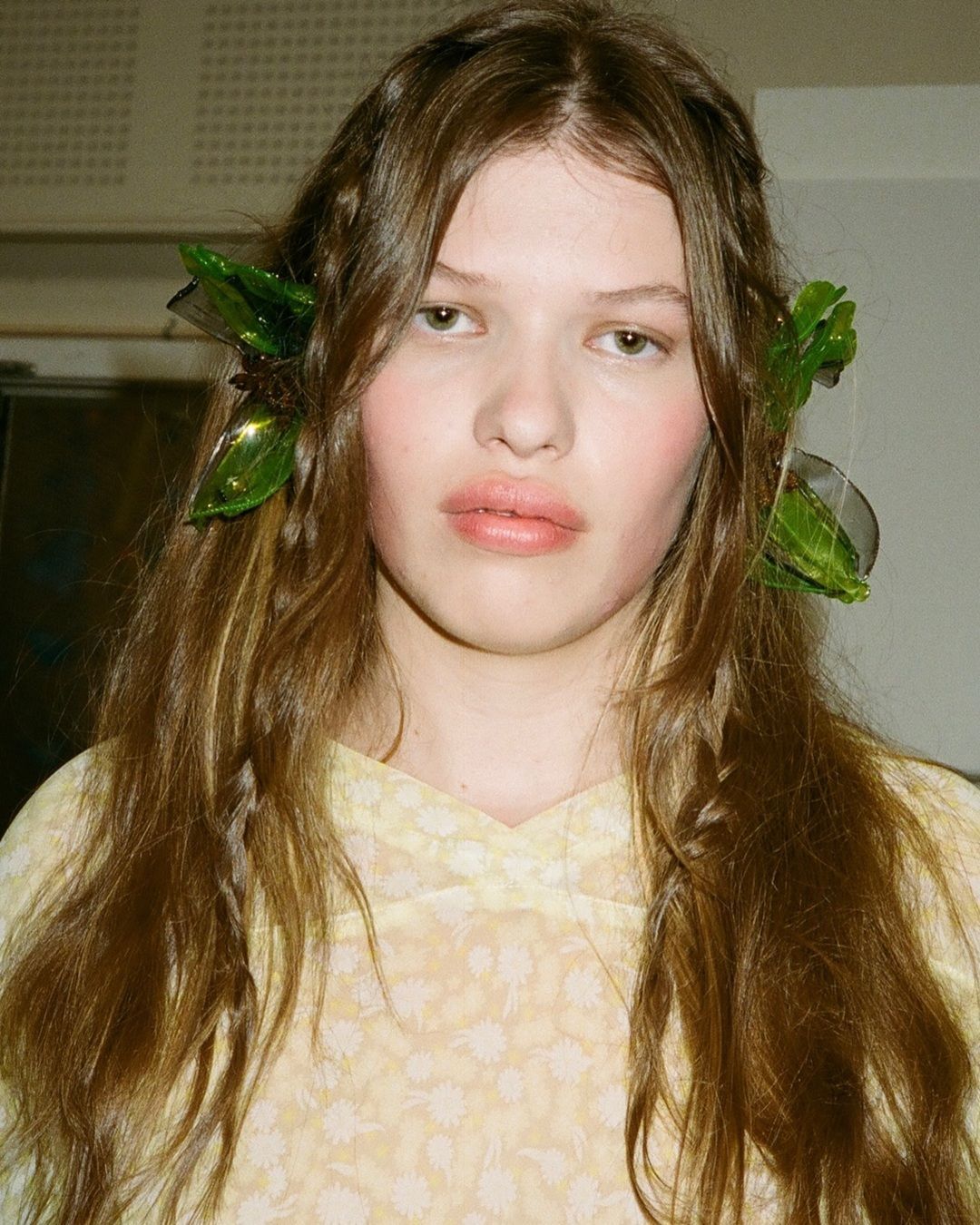
What is wind-swept blush? A new beauty trick for applying blush comes from Copenhagen Fashion Week
Behind the scenes at fashion shows, a quiet revolution is taking place across make-up artists’ stations. Every time a new technique, dreamed up by an expert hand, emerges from an interview or tutorial video, we’re ready to take notes. Now it’s the turn of wind-swept blush, which mimics the patchy flush typical of sensitive skin.
Why is it so interesting?
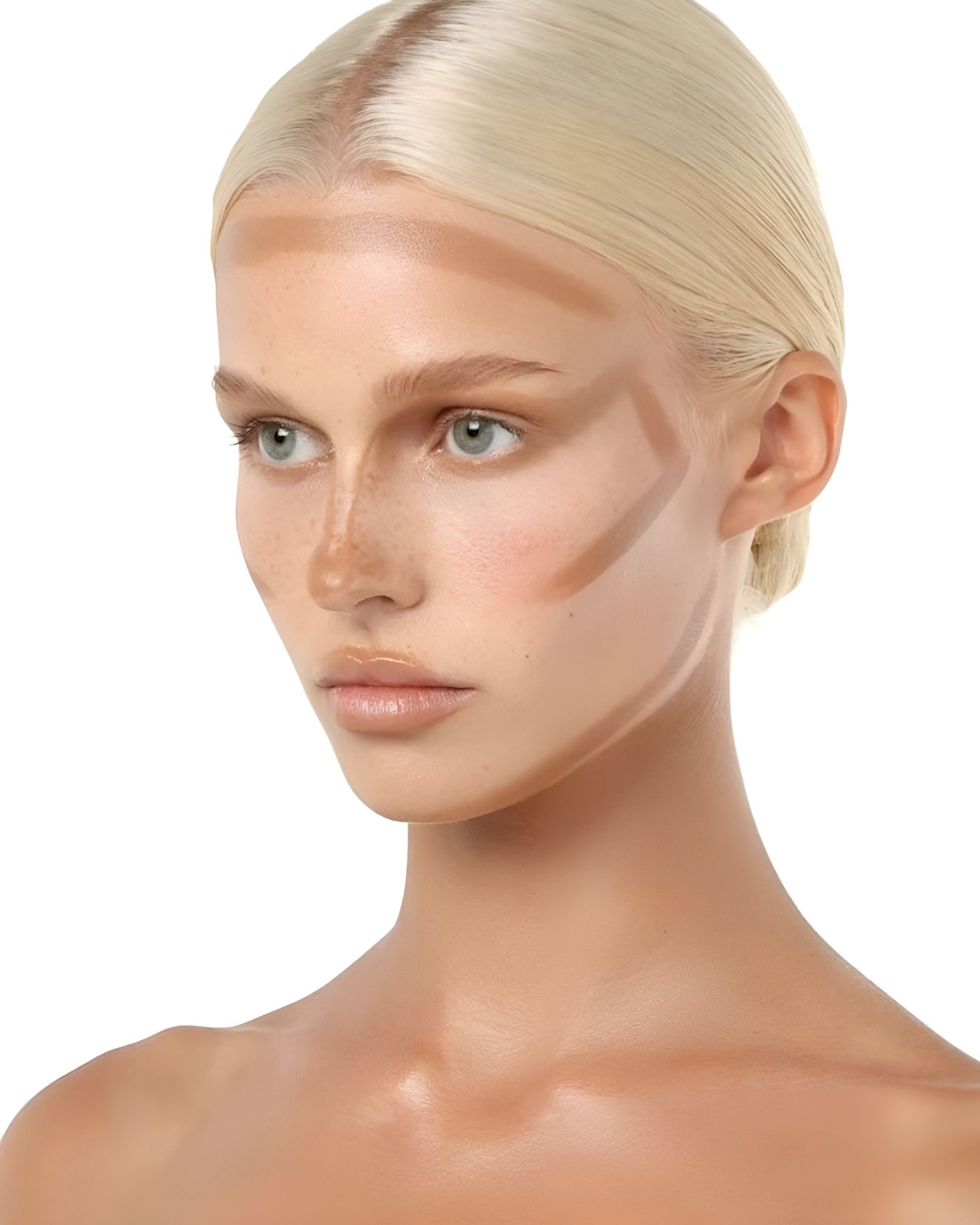
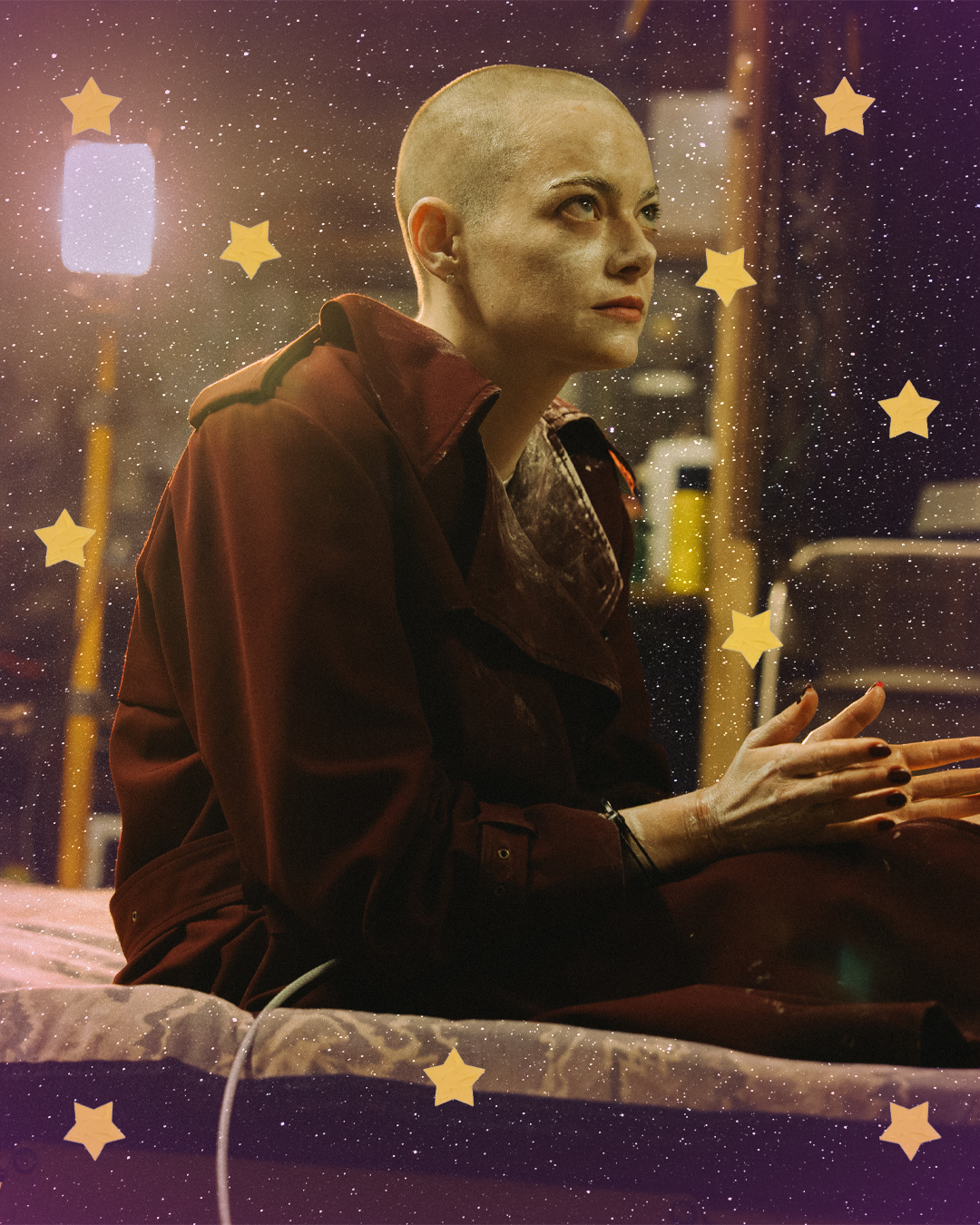
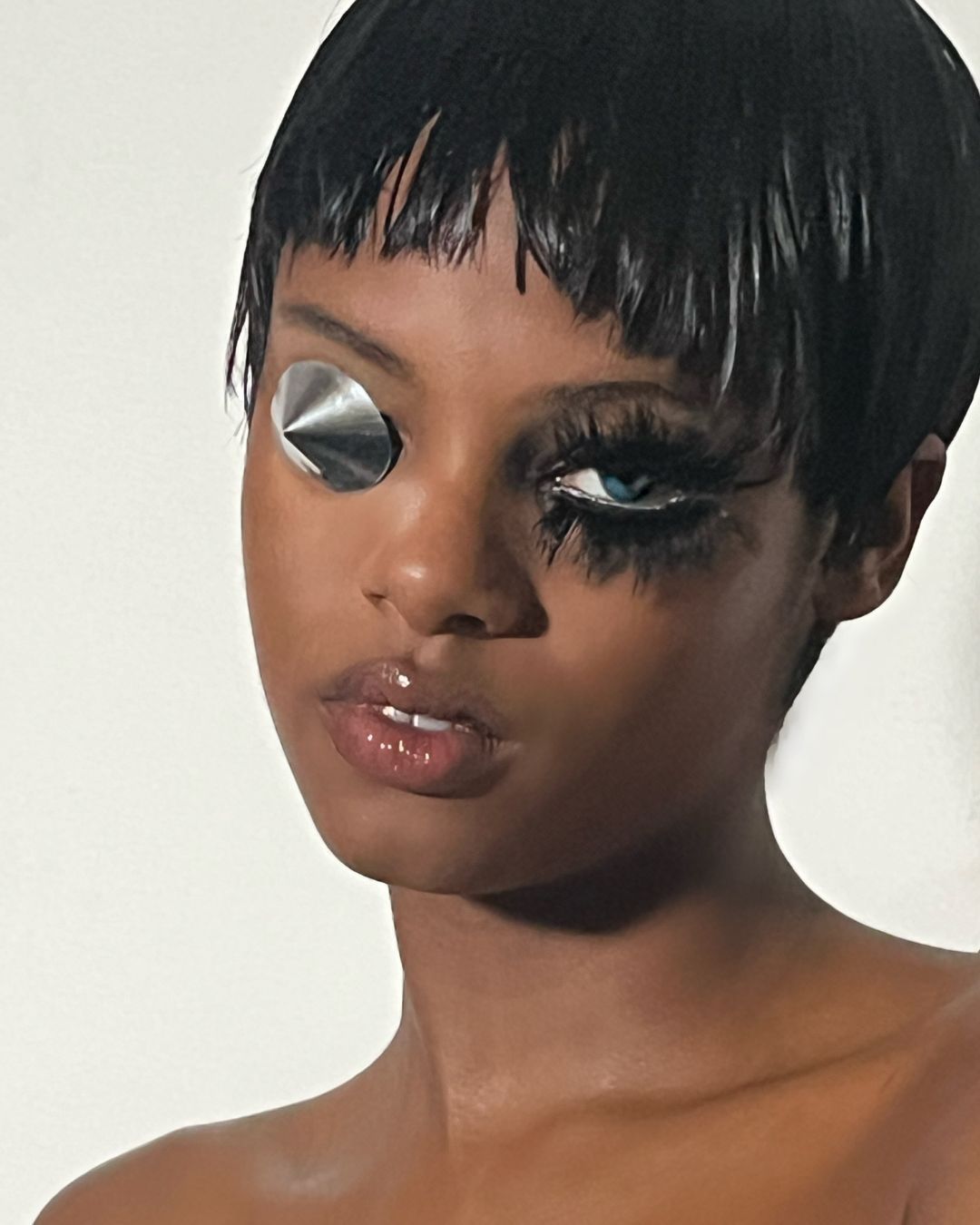
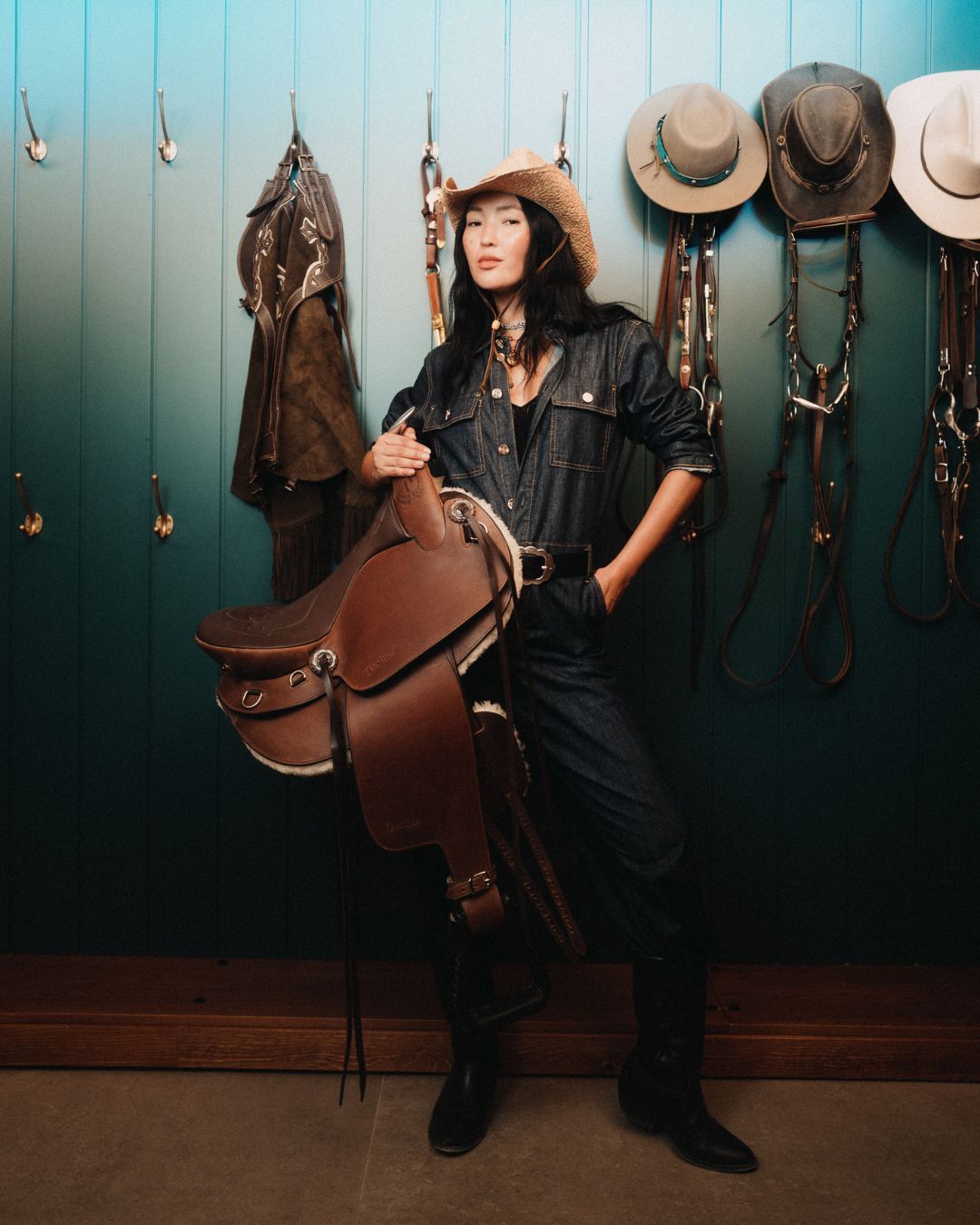
Unlike the beauty trends we’ve seen so far, such as sunset blush, which mimicked the blended gradient of a sunset, this technique doesn’t involve a seamless blend starting from the cheekbones or upper part of the face. The “wind” blush effect isn’t meant to look perfect or precise, but deliberately uneven, creating the impression of irritated skin rather than a traditional almond-shaped blush. The look, created by Norwegian make-up artist Vilde Feste during Paolina Russo’s Spring/Summer 2027 show at Copenhagen Fashion Week, took social media by storm, bringing a breath of fresh air to the beauty-verse.
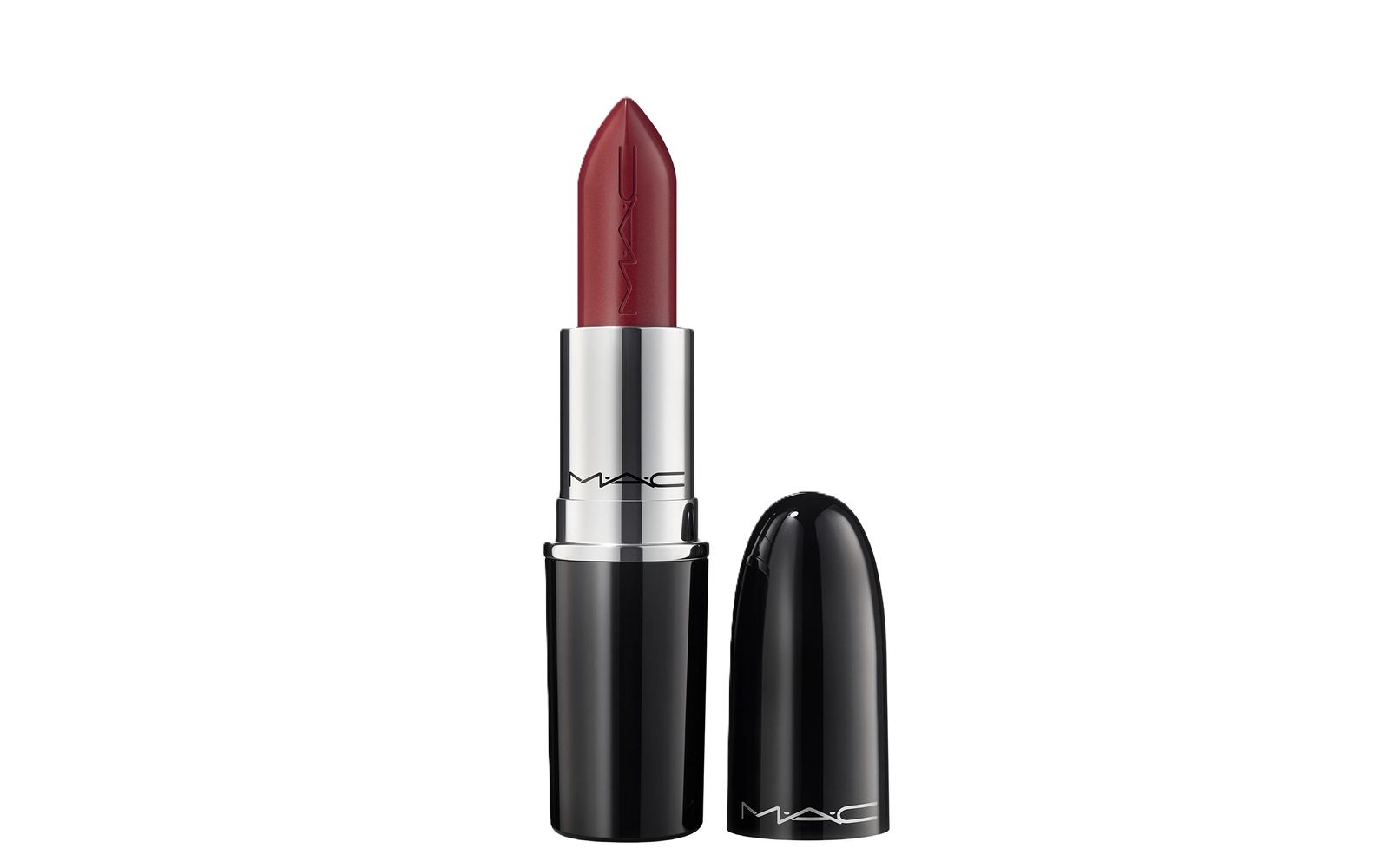
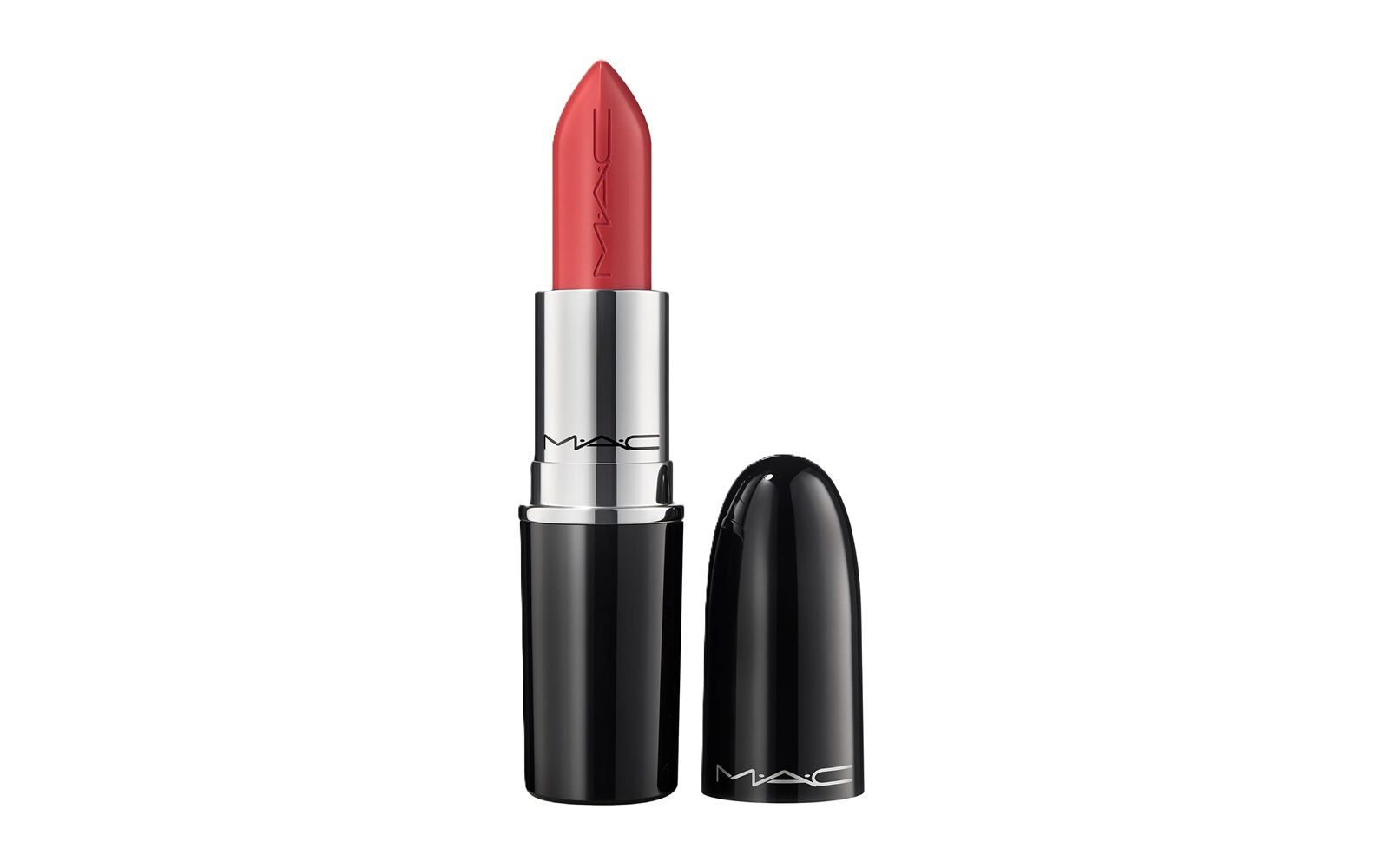
MAC - Lustreglass Sheer-Shine Lipstick See Sheer
29,99€
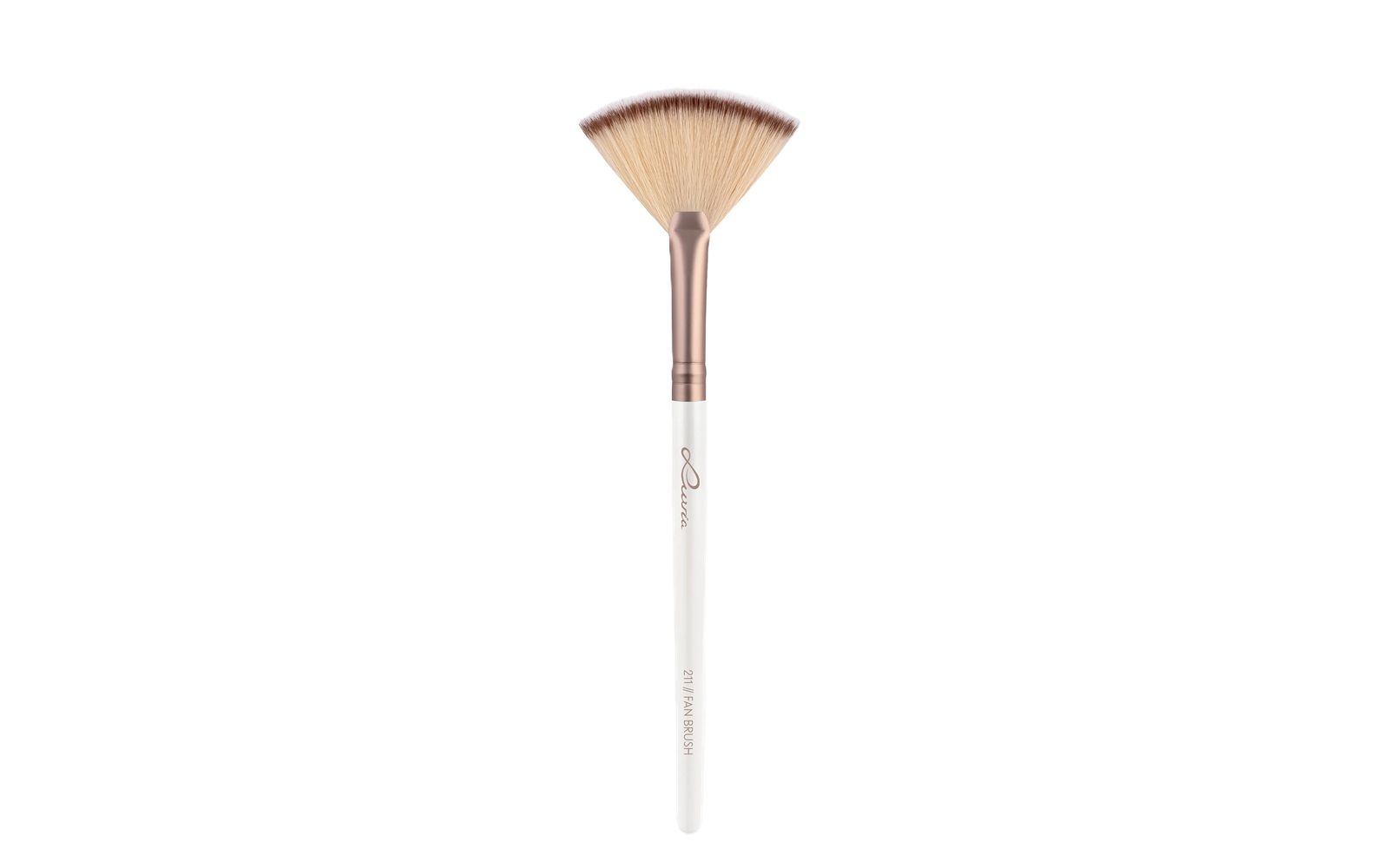
A practical guide to wind-swept blush
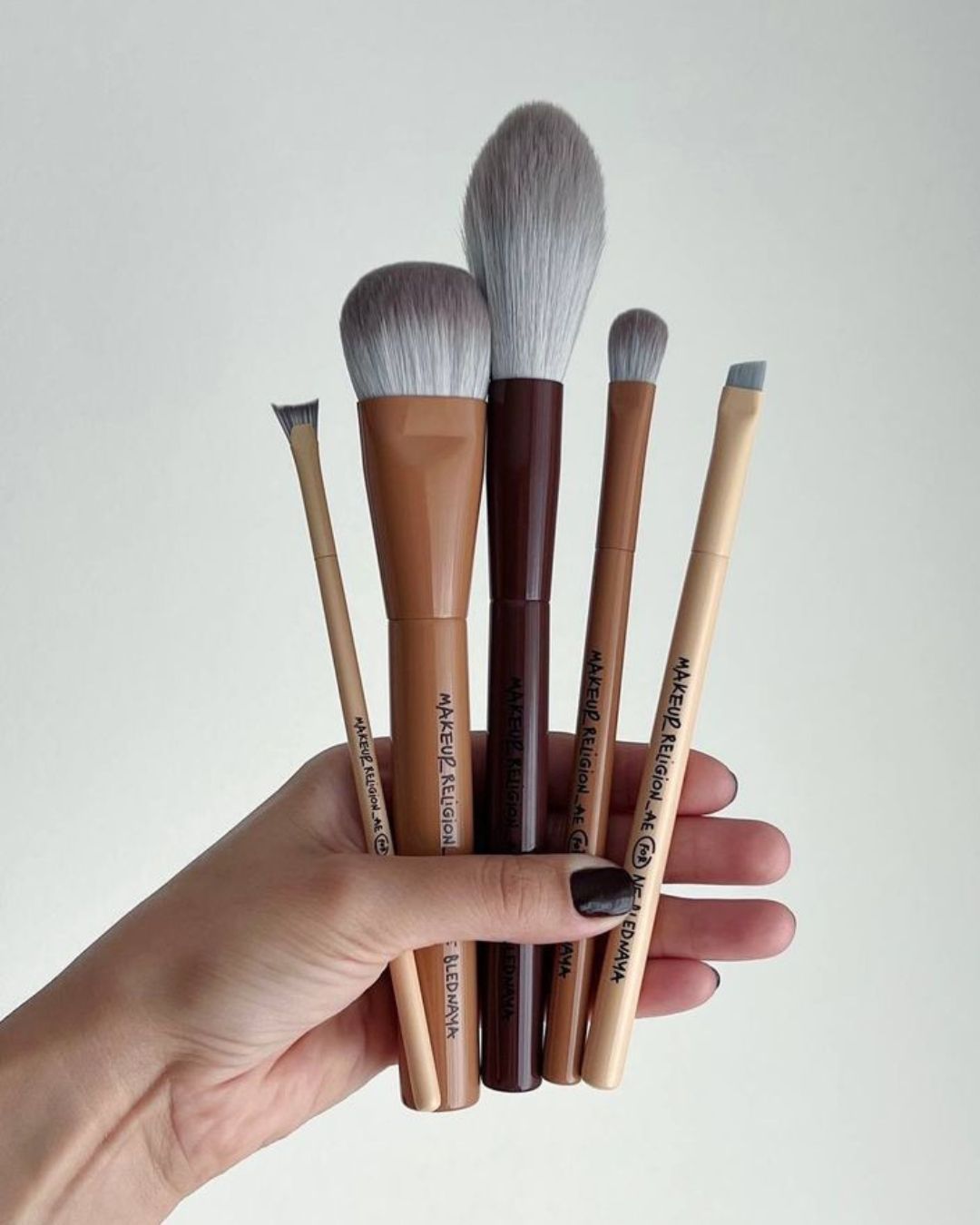
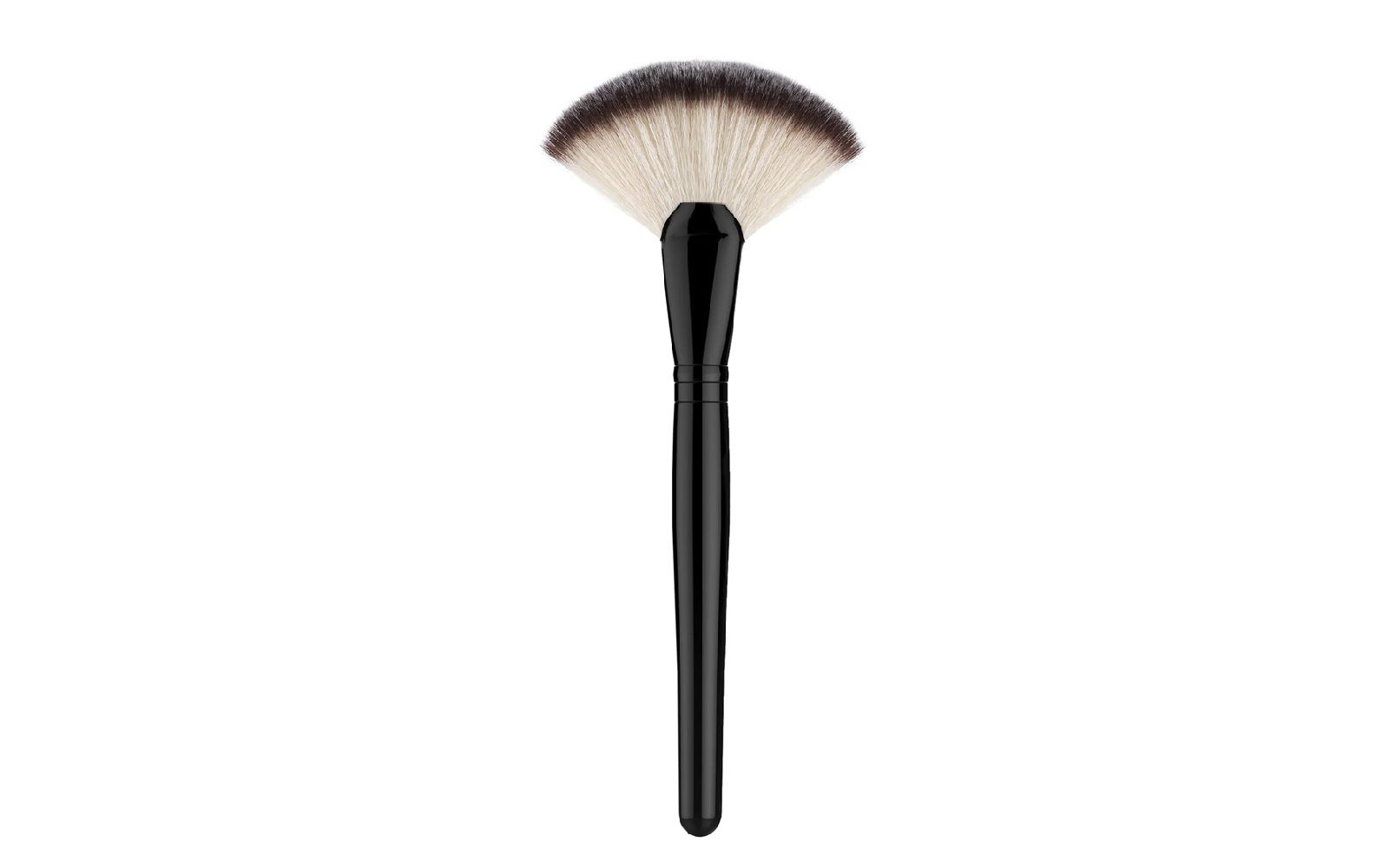
The brand’s goal was to “bring together the post-skate glow atmosphere with a soft warrior princess style”, and Vilde brought this meeting point to life through the glam, too. What caught everyone’s attention was the choice of products, but also the tools used to apply them. The keyword? “Unusual.” Traditional blushes, whether powder or stick formulas, were set aside to make room for ultra-creamy lipsticks. To complement a luminous, hydrated base, the make-up artist chose MAC’s Lustreglass Sheer-Shine lipsticks in the shades “Kissing Strangers” and “See Sheer”: respectively, a muted pink with a delicate pearlescent finish and a medium-intensity rosy coral with a warm undertone. But let’s talk application: the name “wind-swept” comes from the fan brush used to distribute the product, skimming across the skin to recreate the movement of gusts of wind. The technique itself is surprisingly simple: starting at the centre of the cheek, the brush loaded with lipstick is moved first diagonally and then horizontally downward towards the jawline, using very quick strokes. The result is a watercolour-like effect that gives the face a fresh, playful look, perfect for the runway, but just as good for an afternoon in the city.