

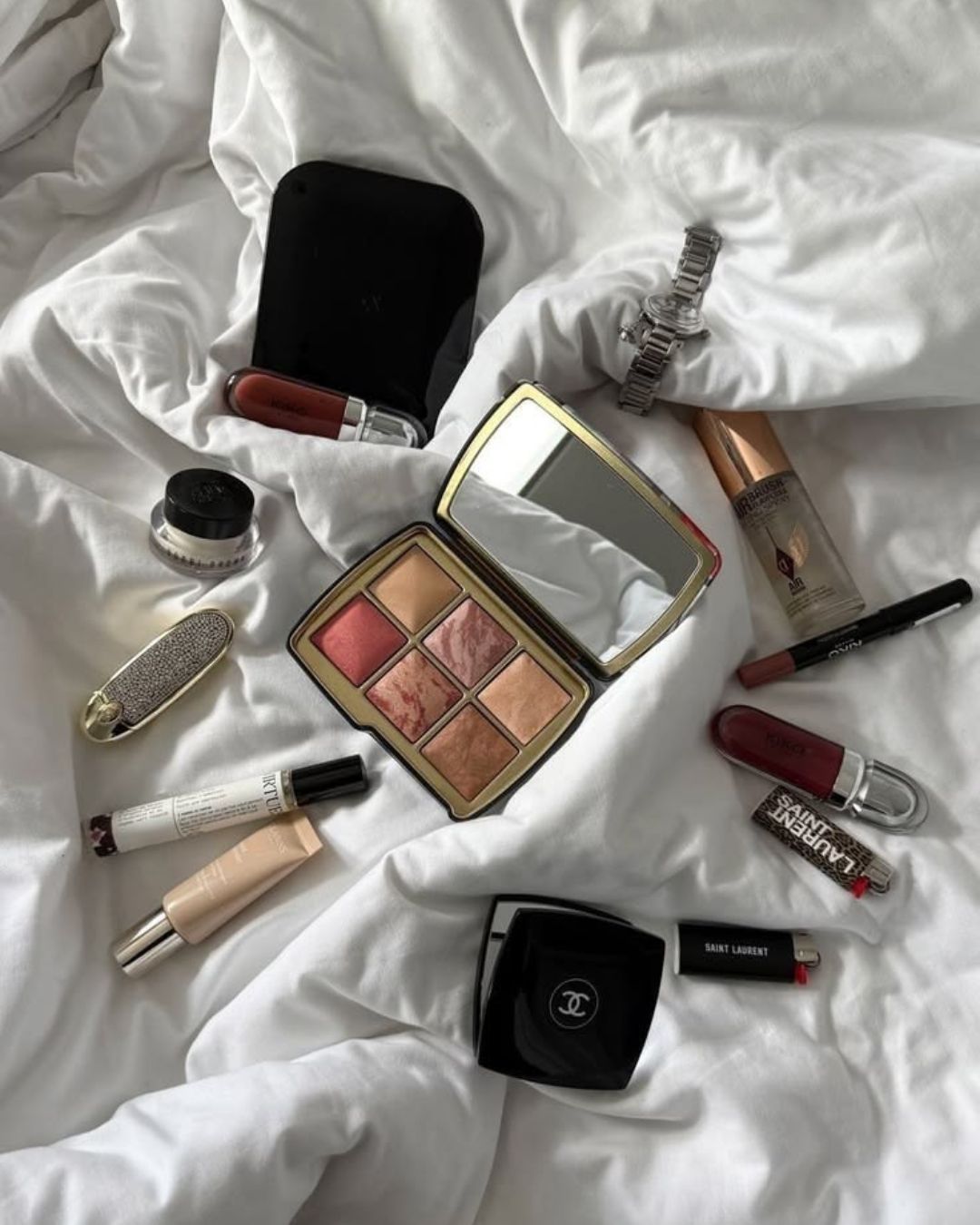
Can we really make our makeup routine more sustainable? From the controversies around refillable products to possible solutions
When we talk about sustainability in beauty, the conversation almost always ends up focusing on the materials being used: recycled plastic, glass, paper, packaging that is easier to dispose of. Much less attention is paid to what happens to packaging once the product is finished. A mascara or lipstick may last a few months, while the container that holds it remains for much longer. And when we think about the number of cosmetics sold every year, from palettes and foundations to blushes and mascaras, the packaging problem becomes rather difficult to ignore.
Can we really make our makeup routine more sustainable?
How much does packaging really matter?
According to the British Beauty Council, more than 120 billion units of packaging are produced every year for the beauty industry, with packaging accounting for around 70% of the sector’s waste. A figure that highlights just how much material is used for products that, in some cases, are used up within a few months. Choosing one material over another, however, is not enough to understand how sustainable a package really is. The impact of packaging needs to be assessed throughout its entire life cycle, from production and transportation to use and disposal. This is also one of the principles behind ecodesign outlined by Cosmetica Italia, which includes strategies such as reducing the weight and volume of packaging, effectively using less material. This is also the direction indicated by the new European regulation on packaging: from 2030, the weight and volume of packaging will have to be reduced to the minimum necessary to ensure its functionality. The regulation also lists double walls, false bottoms and unnecessary layers among the elements to be avoided when they only serve to increase the volume of the packaging. But we know that in beauty, packaging is not only there to contain and protect a product. Its size and construction also contribute to making it feel more valuable and credible. A heavy box or particularly elaborate bottle can make a product feel more important before we have even used it, contributing to the way it is perceived by customers.
Is refill really a solution?
@allisonturquoise no more clunky refills please! #beautypackaging #cosmeticpackaging #beautyindustry #beautyinnovation #cosmoprof2026 @cosmoprofworldwide original sound - Allison Turquoise
Refill is one of the approaches the beauty industry has been experimenting with for some time. Instead of buying the entire product again every time, the outer container is kept and the part containing the formula is replaced. In makeup, this system works particularly well and is already common for blush, bronzer and eyeshadow, where the pan can be inserted into a reusable palette, but it also exists for foundation and lipstick. The point is that, in many cases, the refill is already a product in its own right. The refill can also be used without the outer container, which ends up functioning almost like a cover. For the system to really make sense from an environmental perspective, therefore, the refill itself should also use as little material as possible and be designed to replace the purchase of an entirely new product. The British Beauty Council includes refills and reuse among the strategies the industry should adopt. But simply calling a product a "refill" is not enough: we need to look at how much packaging is actually saved each time we choose a refill.
What if there were simply less packaging?
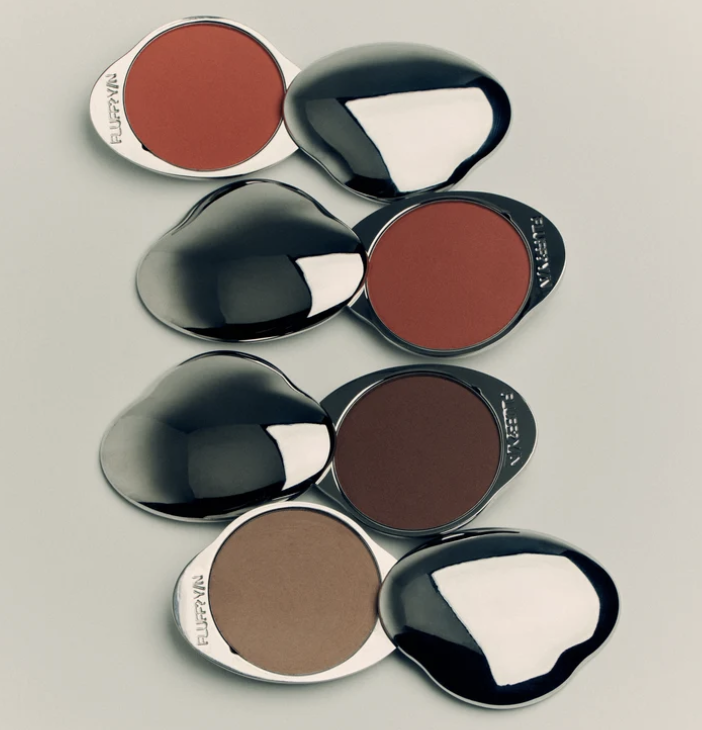
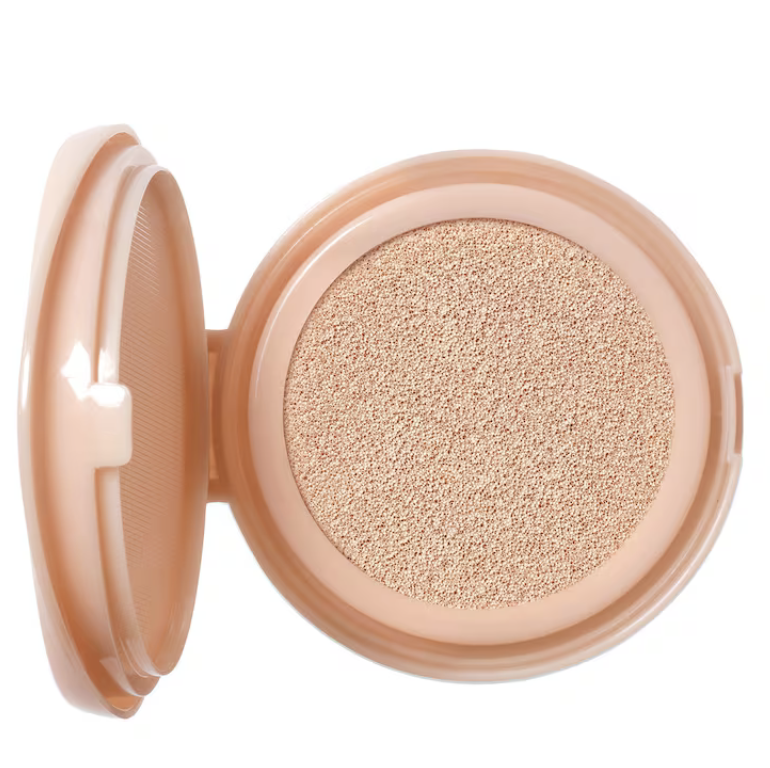
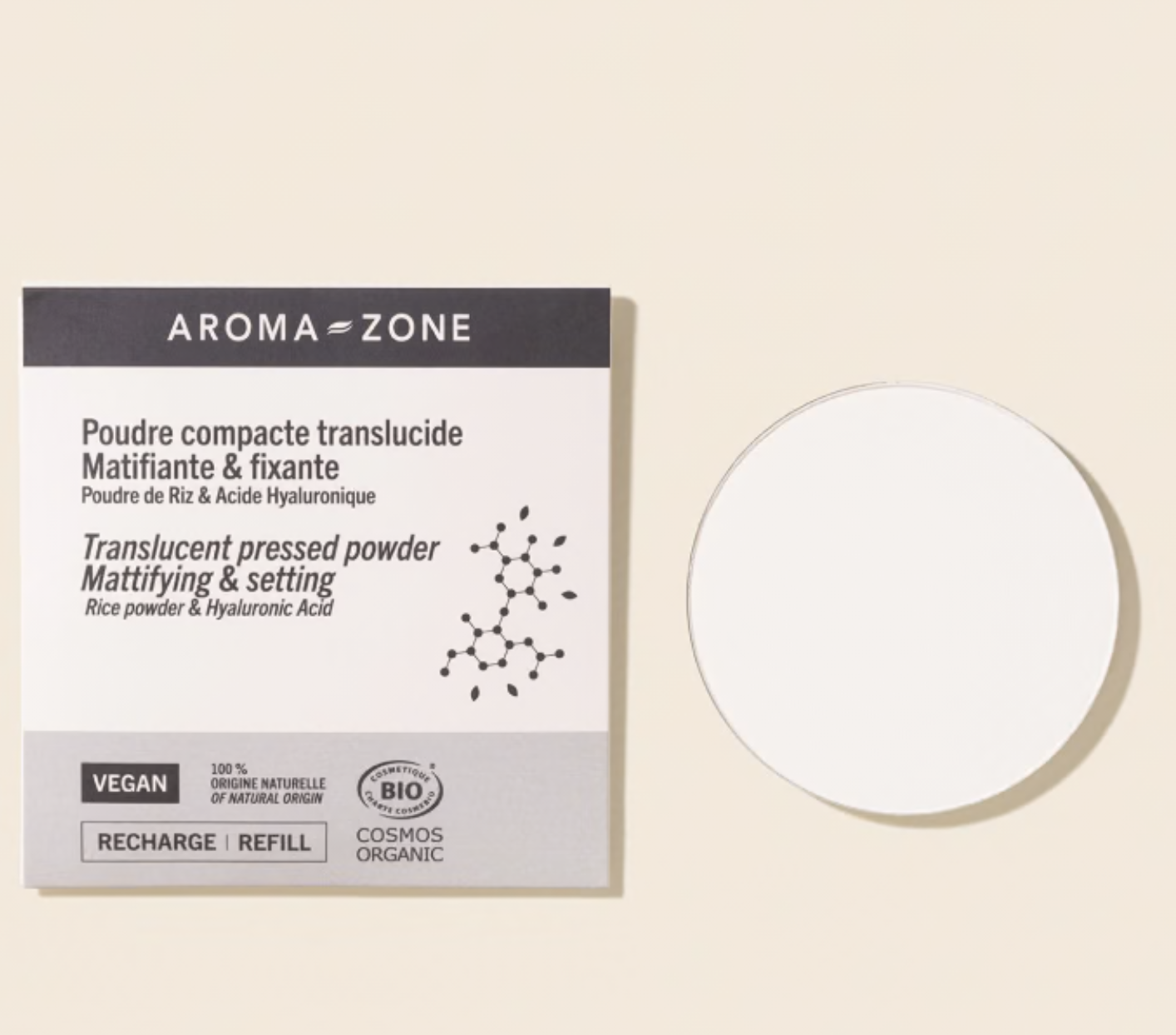
The British Beauty Council also talks about "naked products", meaning products sold with minimal packaging or without packaging. In makeup, this is a concept that can work particularly well: a pan, for example, can be sold without a complete palette and placed in a reusable container that can be kept over time. This does not mean, however, that eliminating plastic is always the solution. Paper, glass and aluminium also require resources and energy to produce, transport and dispose of. The question, then, becomes understanding which packaging is actually necessary for a particular product and which, instead, mainly adds to its aesthetics and desirability.