

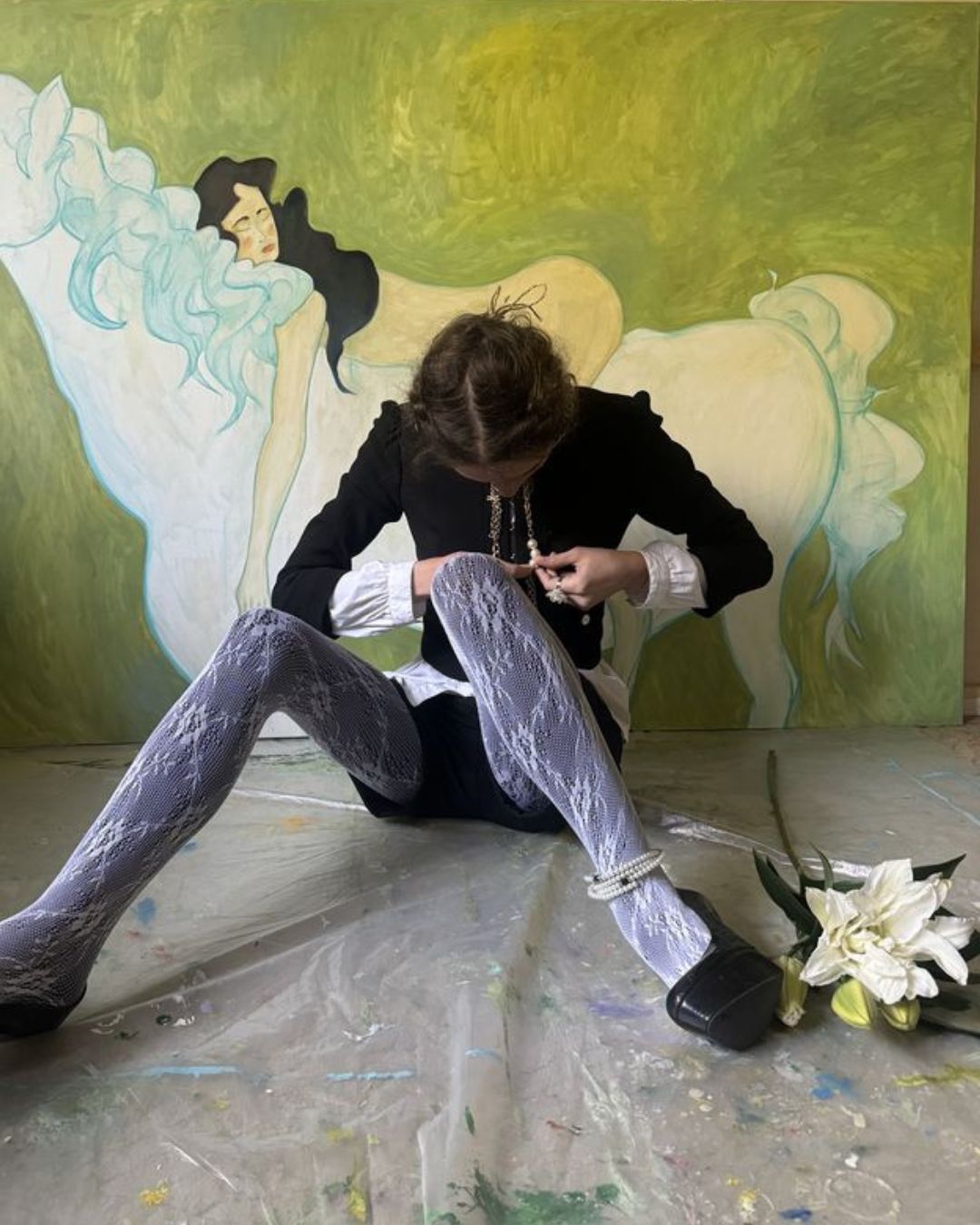
What if art could be smelled? When art and fragrances come together
G-Club
September 15th, 2026
September 15th, 2026
How many perfumes do we know that take inspiration from a memory, a place or a person? What if I told you there’s a small but significant category of fragrances that takes inspiration from what art makes us feel? After all, painting and perfumery aren’t worlds that are so far apart. An image, a feeling, an atmosphere can easily be translated into a scent, turning what we see into something we can also smell. And no, I’m not just talking about beautiful bottles, which are often works of art in their own right. In these cases, it’s the artwork itself that becomes the starting point for the fragrance.
What if art could be smelled?
Interlude Black Iris by Amouage

Interlude Black Iris by Amouage takes inspiration from the famous painting Black Iris by Georgia O’Keeffe from 1926. A close-up of the flower that the artist transforms almost into an abstract image, drawing attention to just how detailed and beautiful nature can be. The fragrance also starts with iris, surrounding it with other green notes, aromatic accords and deeper tones. It opens with violet leaf, rosemary and bergamot, followed by a heart of iris, frankincense, myrrh, amber, labdanum and vanilla. At the base, we find leather, oud, sandalwood, patchouli and cedarwood.
Saint Rémy by Fugazzi
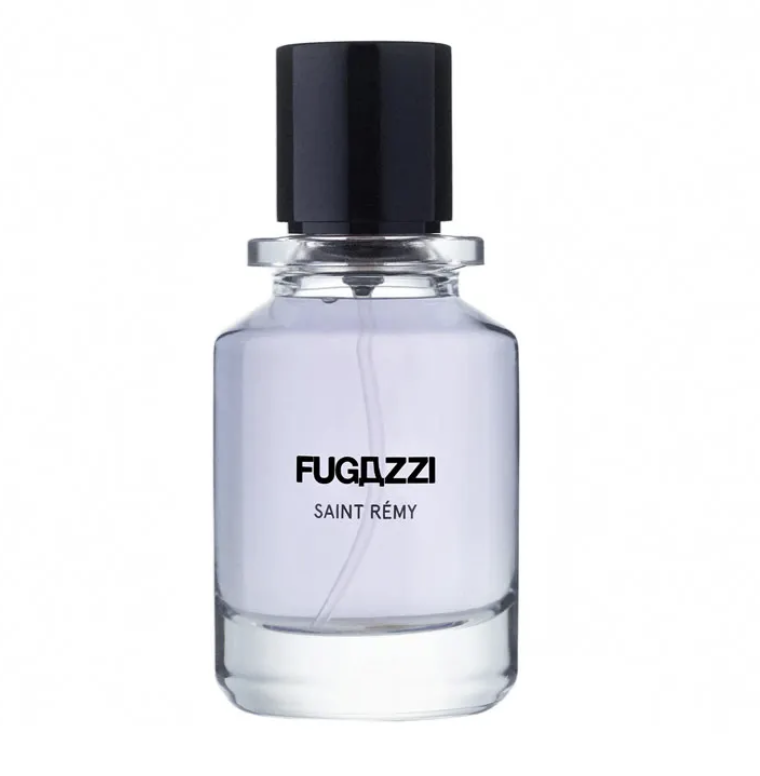
Iris seems to be the favourite flower of many artists, as well as many perfumers, because Saint Rémy by Fugazzi also takes inspiration from a painting in which the flower takes centre stage. We’re talking about Iris by Vincent van Gogh, painted in 1889 during the artist’s time in Saint-Rémy-de-Provence. In this fragrance, iris is paired with juniper berries, ginger, pink pepper and bergamot in the opening notes. At the heart, it is joined by leather, amber and magnolia, while the base features vetiver, cedarwood, sandalwood and tonka bean.
Artemisia G. by Coquillete Paris
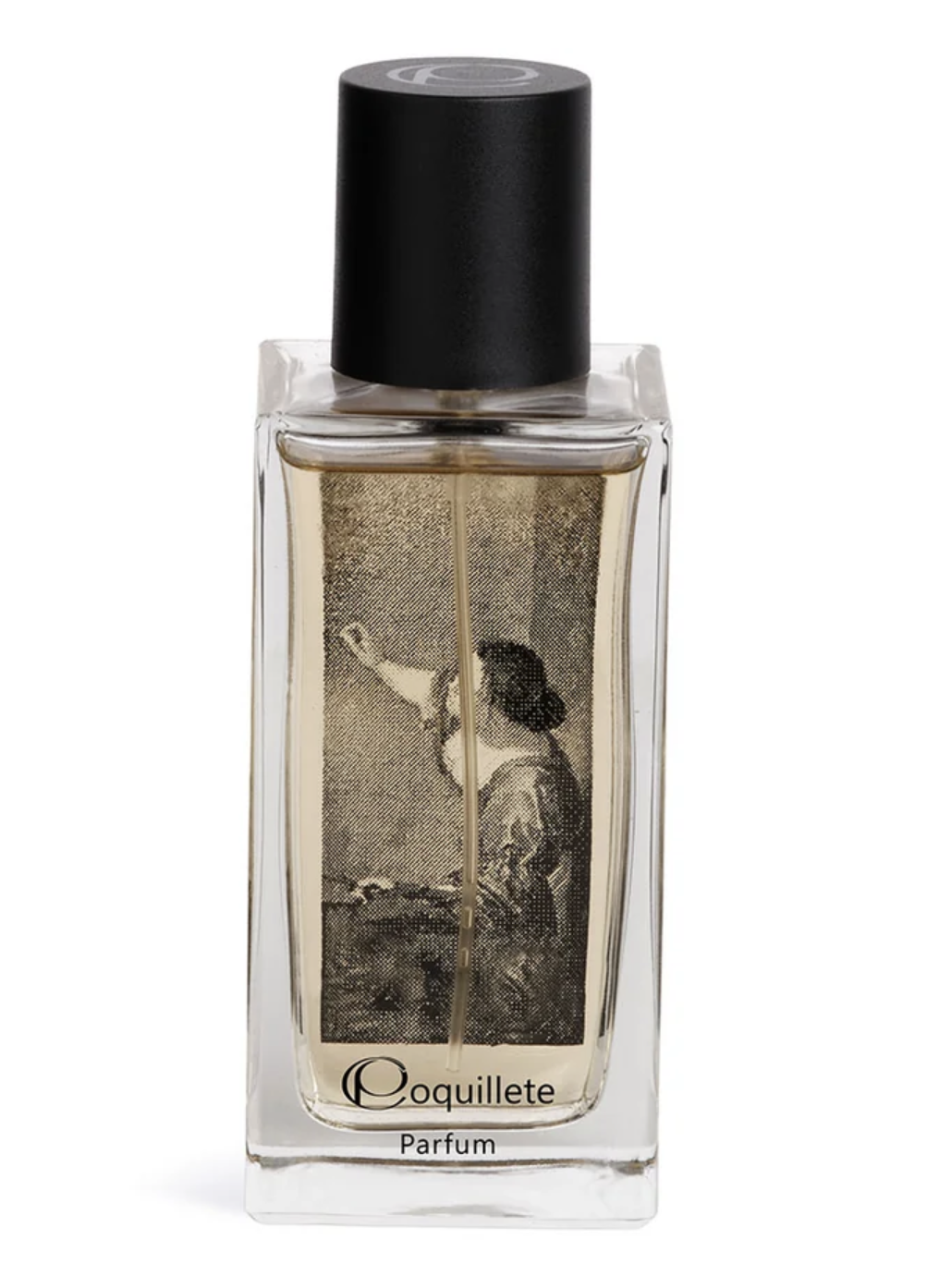
Artemisia G. by Coquillete Paris takes inspiration not so much from a painting, but from an artist: Artemisia Gentileschi, one of the most important painters of the Italian Baroque, known for its strong contrasts between light and shadow that can also be found in the fragrance. She was also one of the first women to establish herself in a world - art - largely dominated by men. The opening notes feature wormwood, herbal notes and bergamot, followed by a heart of leather, tobacco and labdanum. The base becomes even deeper with wormwood, tobacco, amber, patchouli, oud, castoreum, cedarwood, guaiac wood and vetiver.
1+7 by D'otto
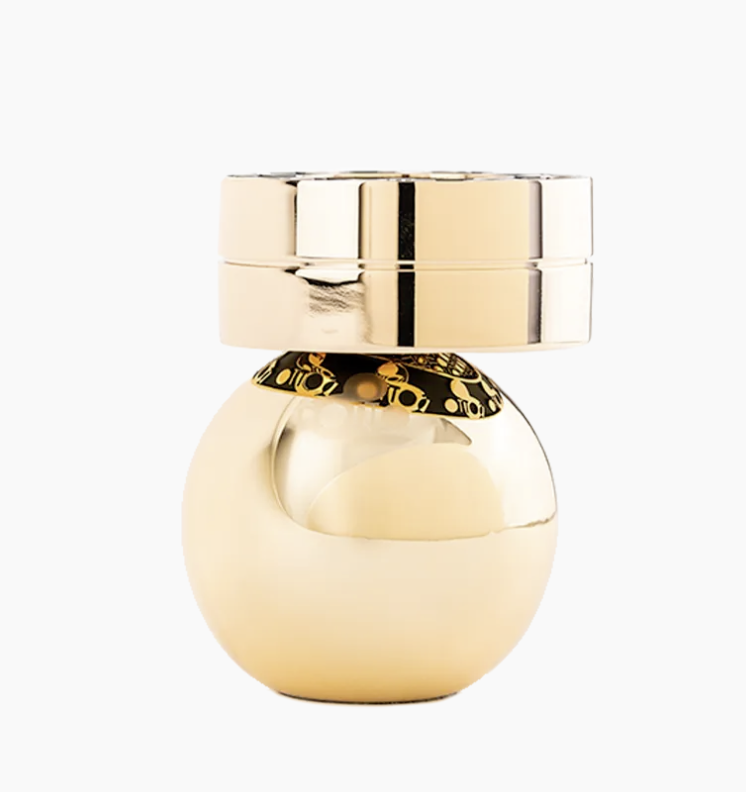
1+7 by D’Otto takes inspiration from Number 31 by Jackson Pollock, one of the most famous works of Abstract Expressionism. At first glance, the canvas looks like nothing more than a collection of splashes and brushstrokes, but Pollock was actually searching for a balance between chaos, rhythm and energy. The fragrance captures this particular balance. The opening features Sicilian grapefruit, Sorrento lemon, Calabrian bergamot and petitgrain, followed by a heart of orange blossom, sage, Garda lavender and thyme. The base features sandalwood, Tahitian vetiver, musk, ambergris and Cambodian oud.
Danaë by Argos
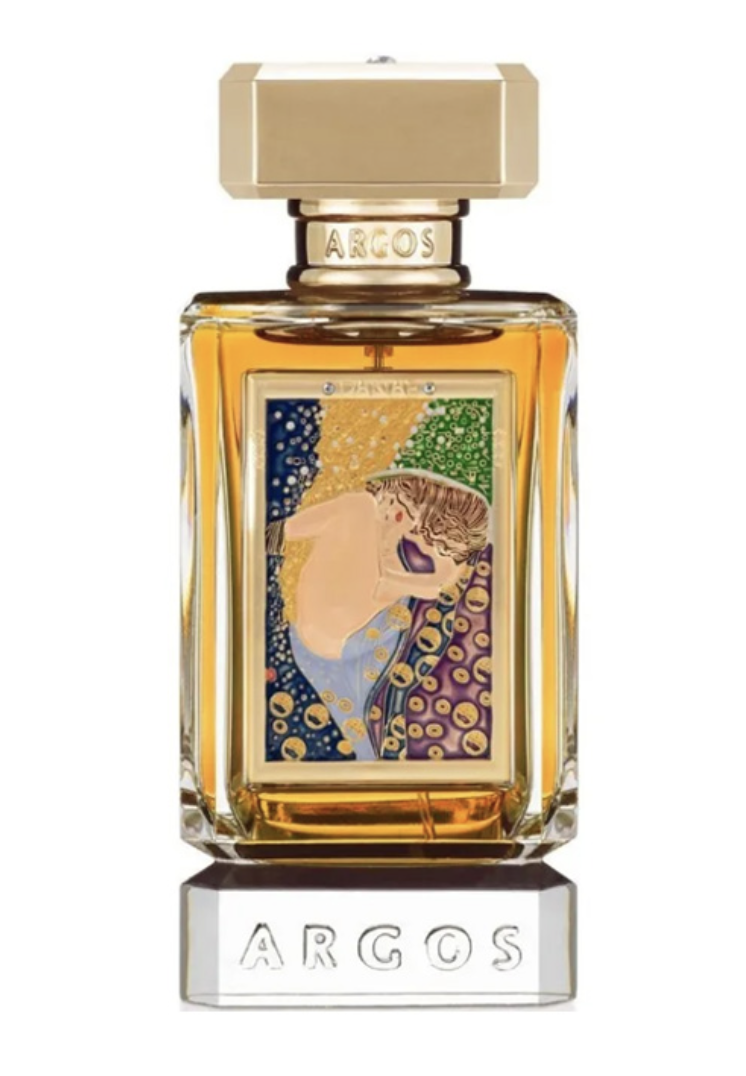
Danaë by Argos takes inspiration from the painting of the same name by Gustav Klimt from 1907, one of the artist’s best-known works and a prime example of his Symbolist period. At the centre is Danaë, wrapped in a purple veil and reached by Zeus’s golden rain, in a scene that speaks of desire, sensuality and transformation and draws on the famous myth of the nymph, also told in Ovid’s Metamorphoses. Argos has attempted to turn this atmosphere into a fragrance: the opening features bergamot and Sicilian lemon, followed by a heart of pink pepper, guaiac wood, cedarwood and cashmere wood. The base features cistus, patchouli, Mysore sandalwood and musk.