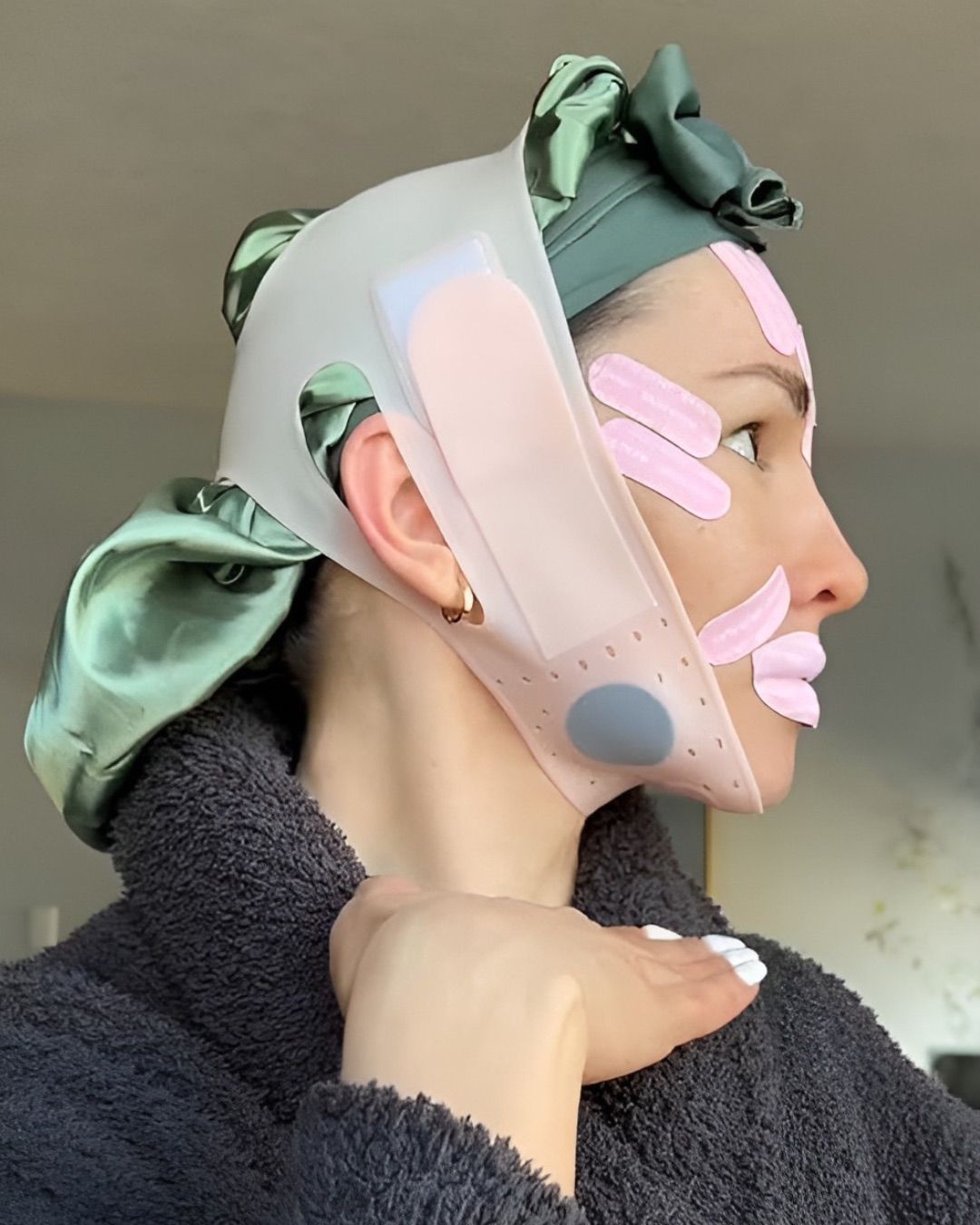
Everything you need to know about wrinkle patches Are we sure they really work?
We're all familiar with expression lines, no introduction needed. They appear on the forehead, around the eyes and between the eyebrows. Sooner or later, they show up, and as much as we might love our skincare routine, no cream can make them disappear at the snap of a finger. One of the latest solutions to hit the beauty scene is wrinkle patches: small adhesive patches applied to the face, often before going to bed, that promise smoother-looking skin and less visible lines. But do they actually work, or are they just another skincare purchase we could easily do without?
Everything you need to know about wrinkle patches
What are wrinkle patches?
Wrinkle patches are cosmetic patches designed to be applied to areas of the face where wrinkles tend to form, such as the forehead, glabella (a new word for your vocabulary: the area between the eyebrows), eye area and décolleté. They come in silicone, sometimes enriched with anti-ageing ingredients, or in hydrocolloid formulas, and work in two main ways: they help lock moisture into areas marked by fine lines and keep the skin taut, limiting movement and the formation of creases during sleep. And that's precisely the point: while we're asleep, we don't exactly have control over how we rest our faces on the pillow or the expressions we make unconsciously. We spend hours with one cheek pressed against the mattress, our forehead furrowed by yet another nightmare playing out in our heads, or simply in positions that can encourage the formation of so-called sleep lines. That's where patches come in: they help limit these movements and keep the skin smoother throughout the night.
How do you use them?
Wrinkle patches should generally be applied to clean, dry skin, without creams or oils that could prevent them from sticking properly. How long should you leave them on? It depends on the product: some are designed to be worn for just a few minutes, while others are made to stay on throughout the night, until you wake up. A little extra care is needed if you have sensitive skin: adhesives can cause redness, irritation or contact dermatitis, especially if removed too abruptly.
So, do they actually work?
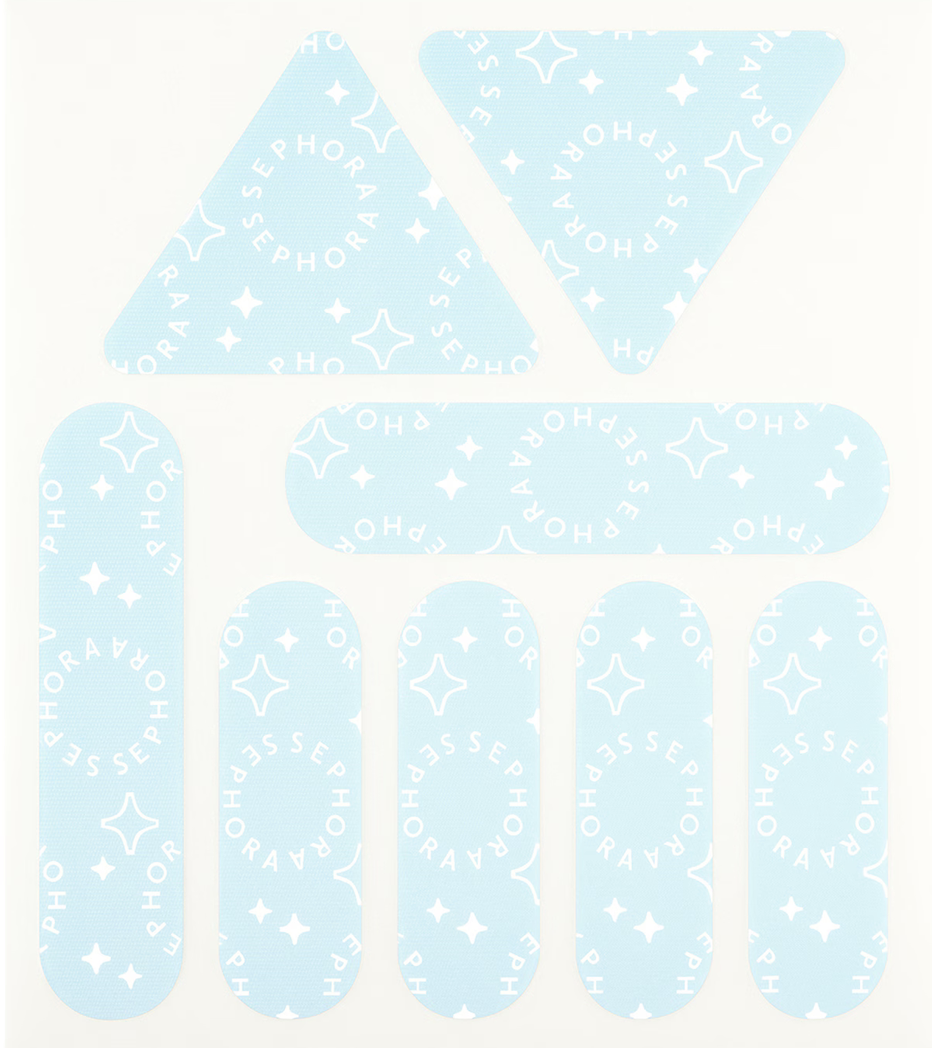
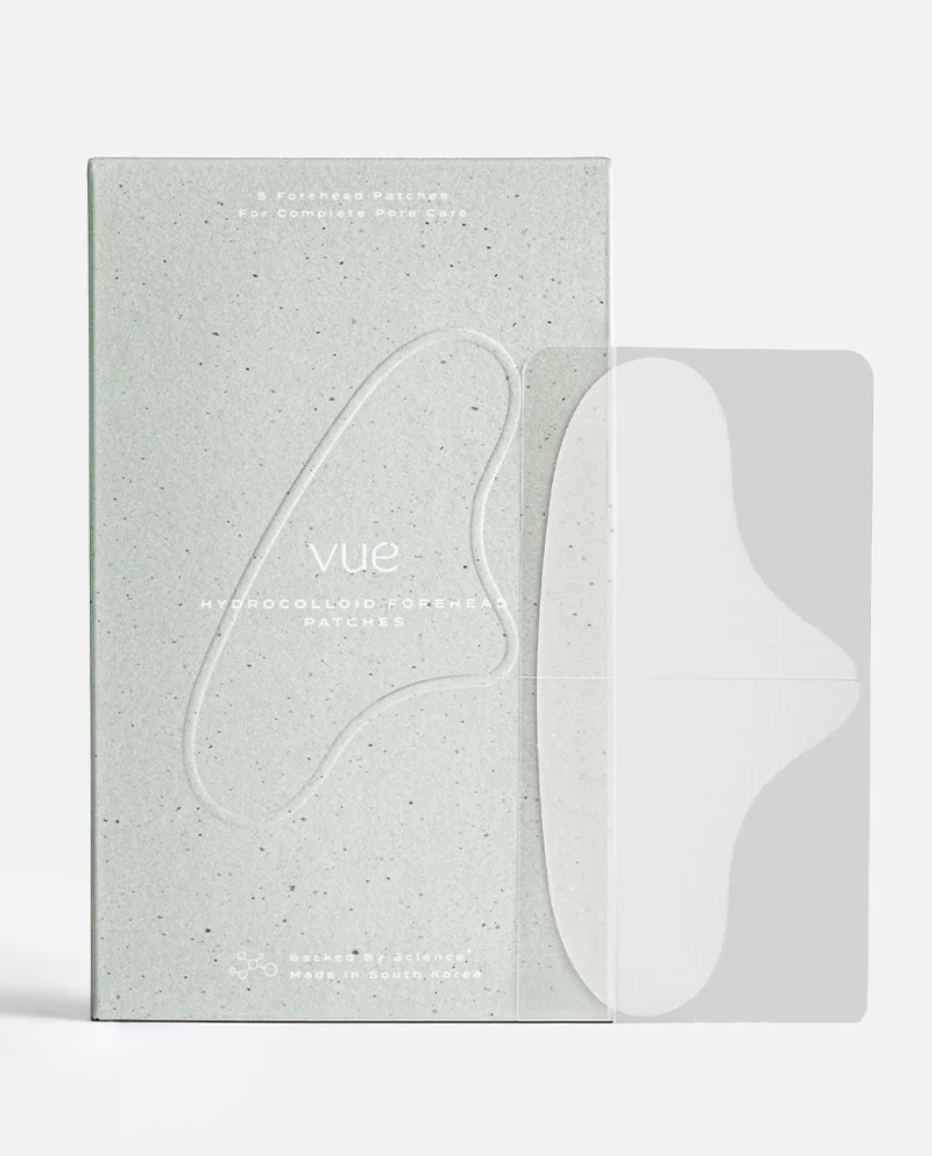
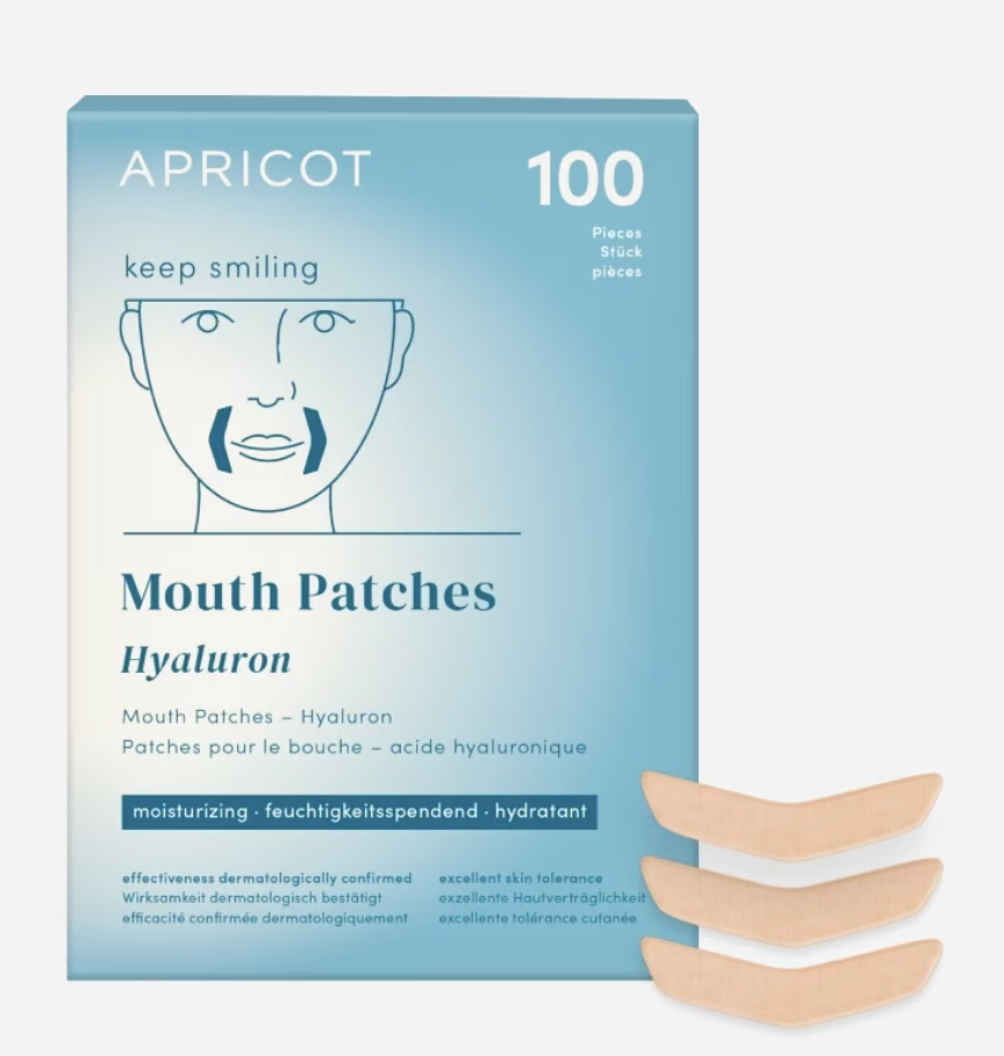
The short answer is yes, but don't expect miracles. Wrinkle patches can make skin look temporarily smoother and fine lines less noticeable. They won't erase existing wrinkles, though, or affect the processes that cause them to form in the first place. On their own, they can only do so much: if the goal is to prevent signs of ageing, the real essentials remain daily sun protection and a skincare routine featuring proven active ingredients, such as retinoids. Patches can be a nice addition to your routine, particularly when it comes to limiting compression lines overnight, but it's best to think of them as a little extra support rather than a solution.