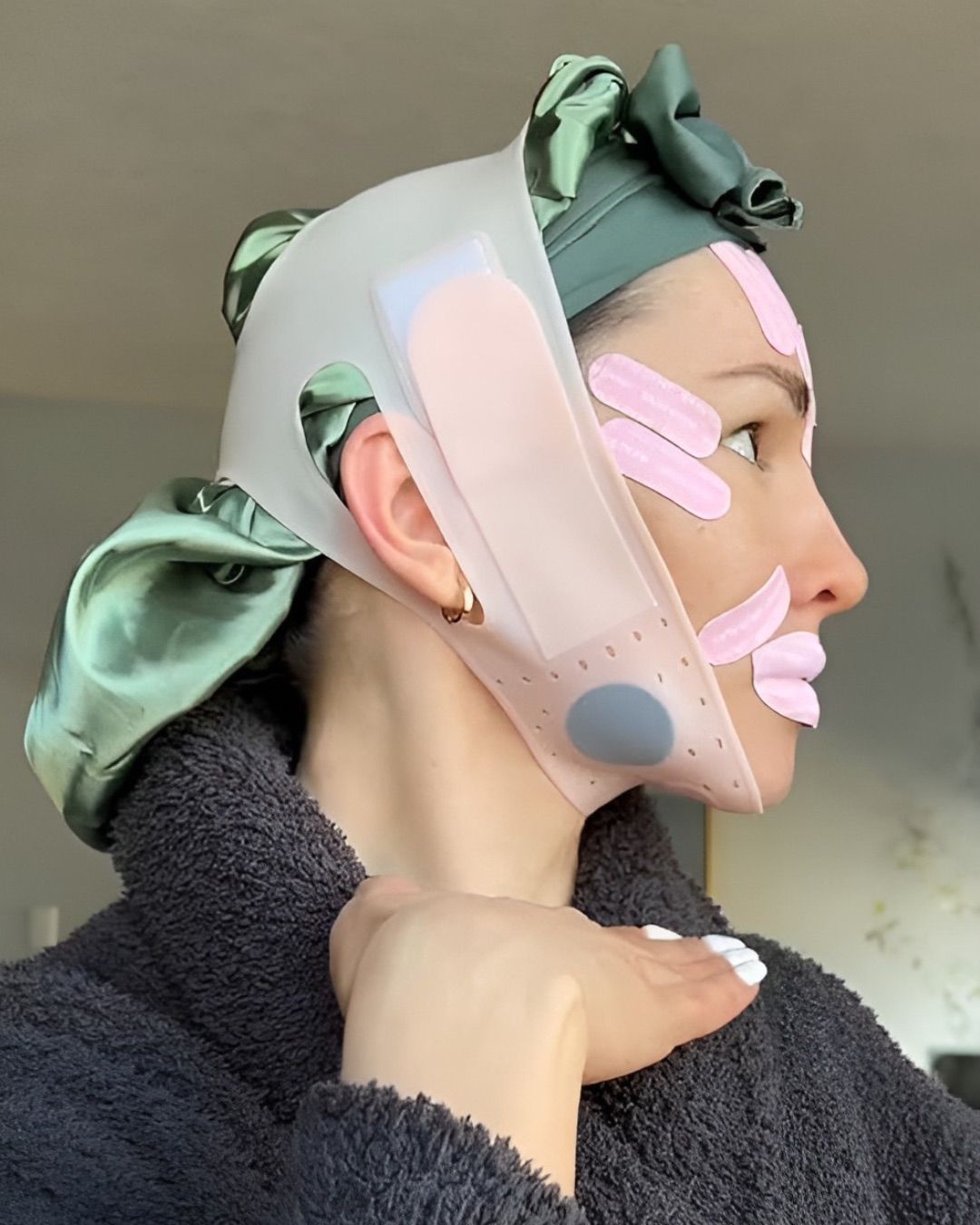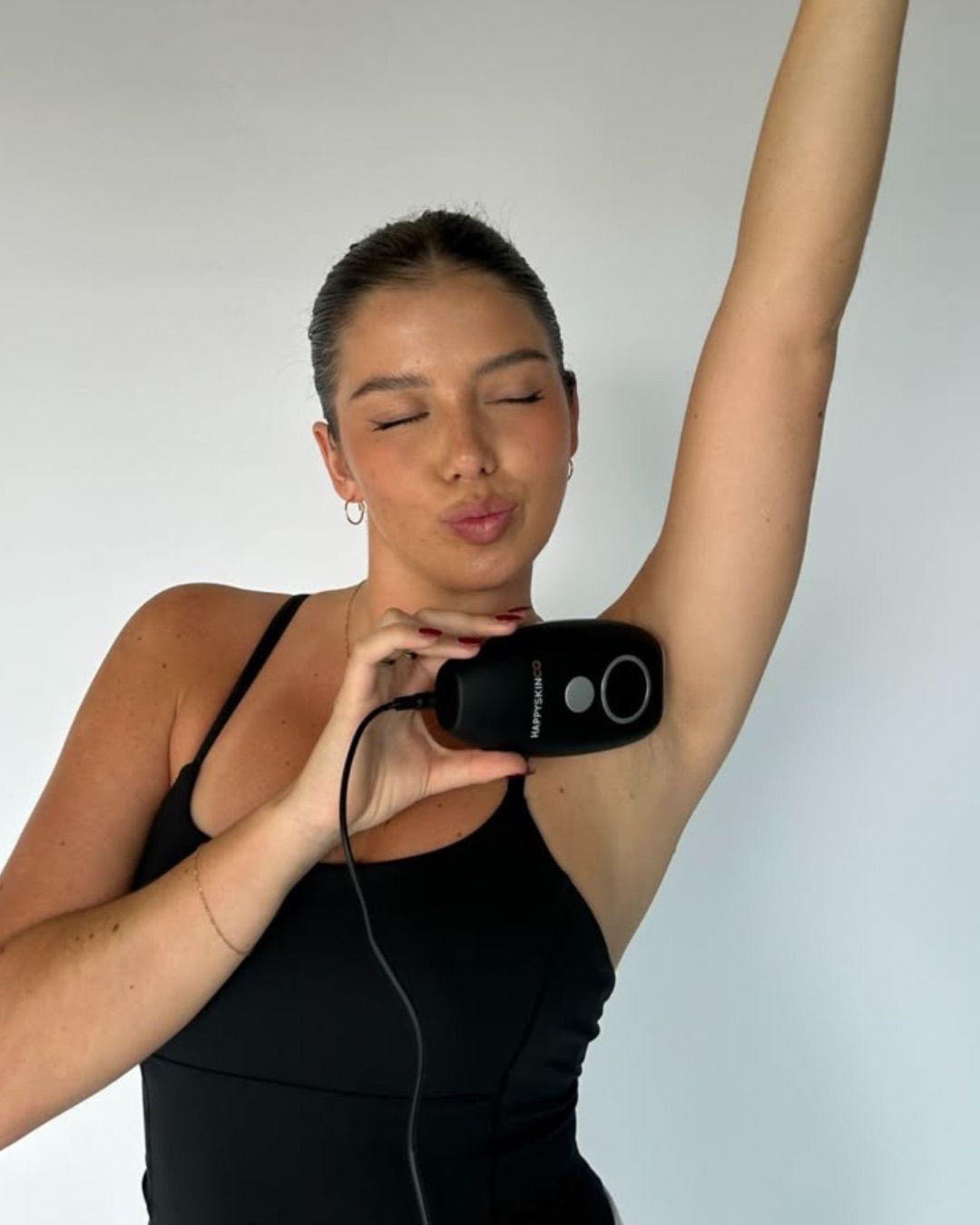
It's the perfect time to start pulsed light hair removal at home A brief guide on how it works and how to use it
Thinking about hair removal when your legs are still safely tucked away under jeans might seem a little premature, but it's actually the best time to get started. Winter is the ideal season to begin an IPL hair removal routine, whether at home or at a specialist clinic, without having to worry about sun exposure as much. Here's why, and what you need to know before getting started.
Why winter is the perfect time to start IPL hair removal at home
How does it work?
Intense pulsed light, better known as IPL, uses light energy to progressively slow down hair growth. There are several devices on the market, but they all work on the same principle: they emit short pulses of light that are absorbed by melanin, the pigment responsible for hair colour. This energy is then converted into heat, which reaches the hair follicle, weakening it and slowing regrowth. Session after session, hair becomes finer, sparser and less visible. This doesn't mean getting rid of it forever, though: to maintain the results, you'll need to continue with occasional maintenance sessions.
How do you use it?
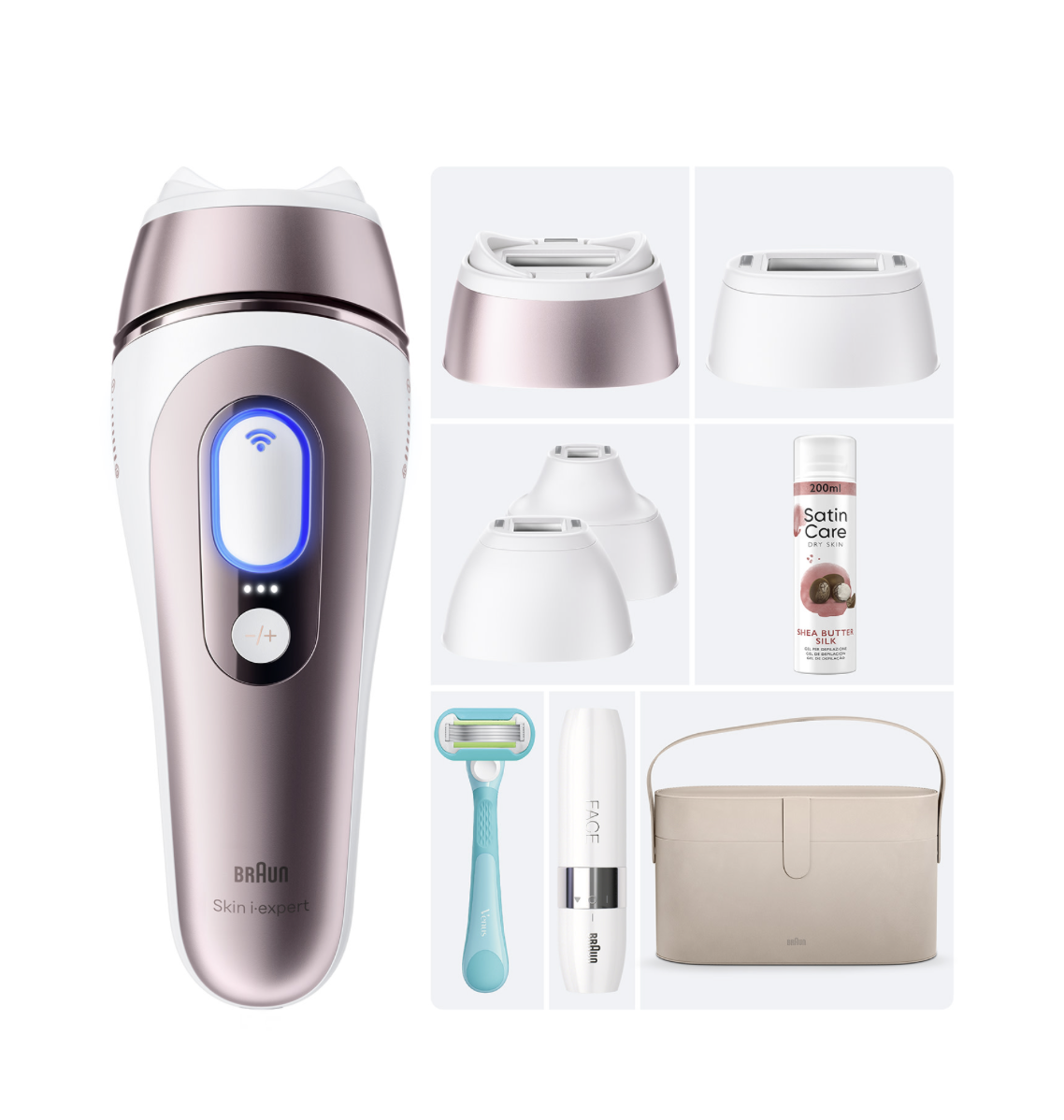

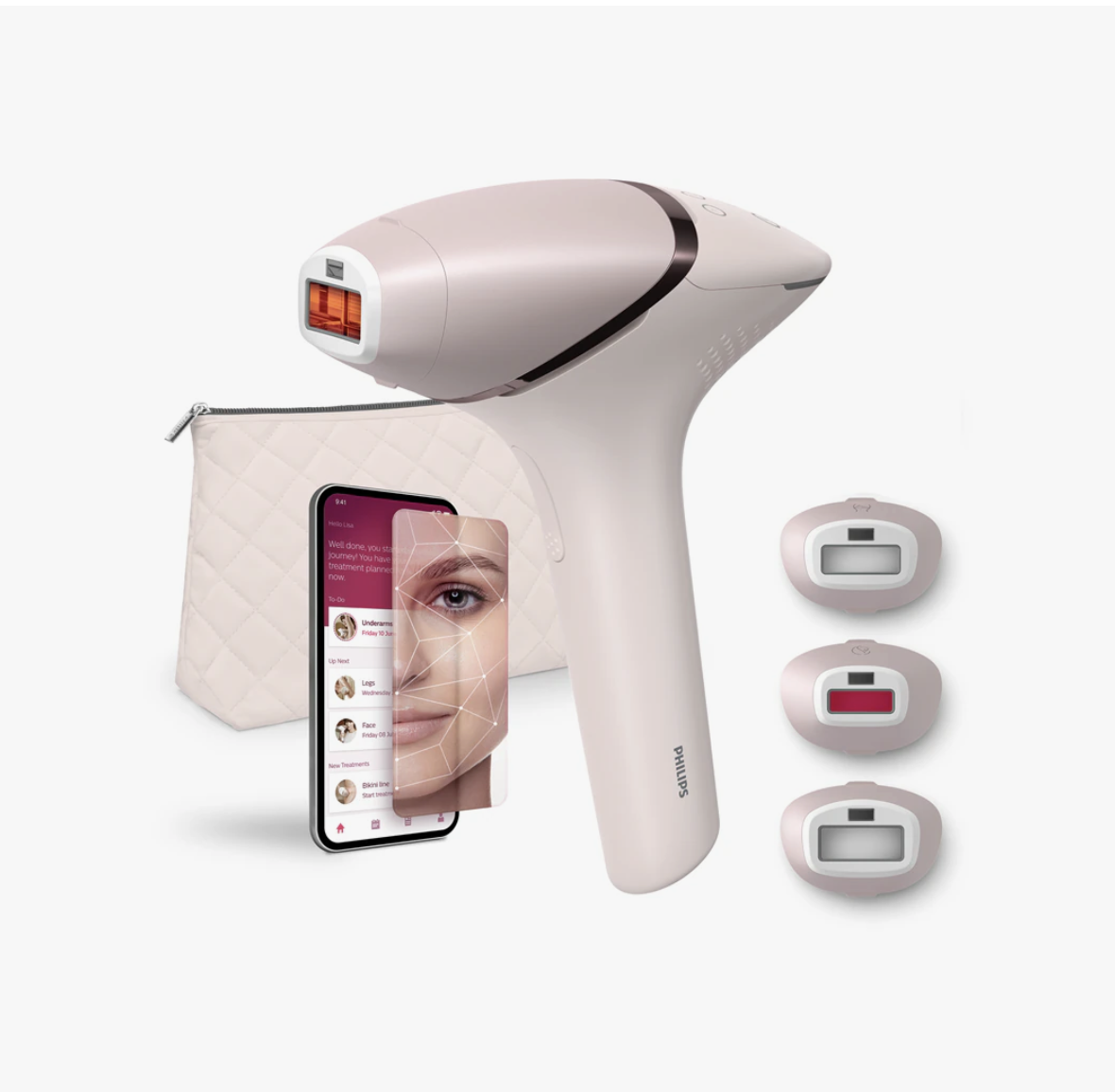
Before getting started, it's important to check that the device you plan to buy or use is suitable for your skin tone and hair colour. IPL works best on dark hair, which contains more melanin, and is generally less effective on white, grey, red or very light blonde hair. Skin tone matters too, as some devices are not suitable for darker skin tones. Once you've checked that the device is compatible, you can get down to business. First, though, make sure to read the manufacturer's instructions carefully: each device comes with its own settings and safety precautions. As a general rule, skin should be clean, dry and shaved, with no traces of creams or oils. Waxing, tweezing and epilators are off the table, of course, as they remove hair from the root, leaving IPL with no target to act on. It's also a good idea to carry out a patch test on a small area before your first session, to make sure your skin reacts well. Finally, you'll need plenty of patience and consistency. Every device comes with a specific treatment schedule, and skipping sessions or cramming them all into a few days certainly won't speed up the results.
Why start in winter?
Here's the million-dollar question: why winter? Simple: there's less sun, which makes it easier to avoid tanning. Treating tanned skin or skin that has recently been exposed to the sun can increase the risk of irritation, burns and other pigmentation changes. Starting during the colder months makes it easier to stick to your treatment schedule without having to work around the usual summer plans: days at the beach, sunny mountain hikes and weekends by the pool. That way, by June, regrowth should be slower, your legs smoother and your razor practically forgotten.
What to read next

The phenomenon of erotic audio dramas starts from Pop culture
Why do all our favorite actors lend their voices for an erotic audiobook?