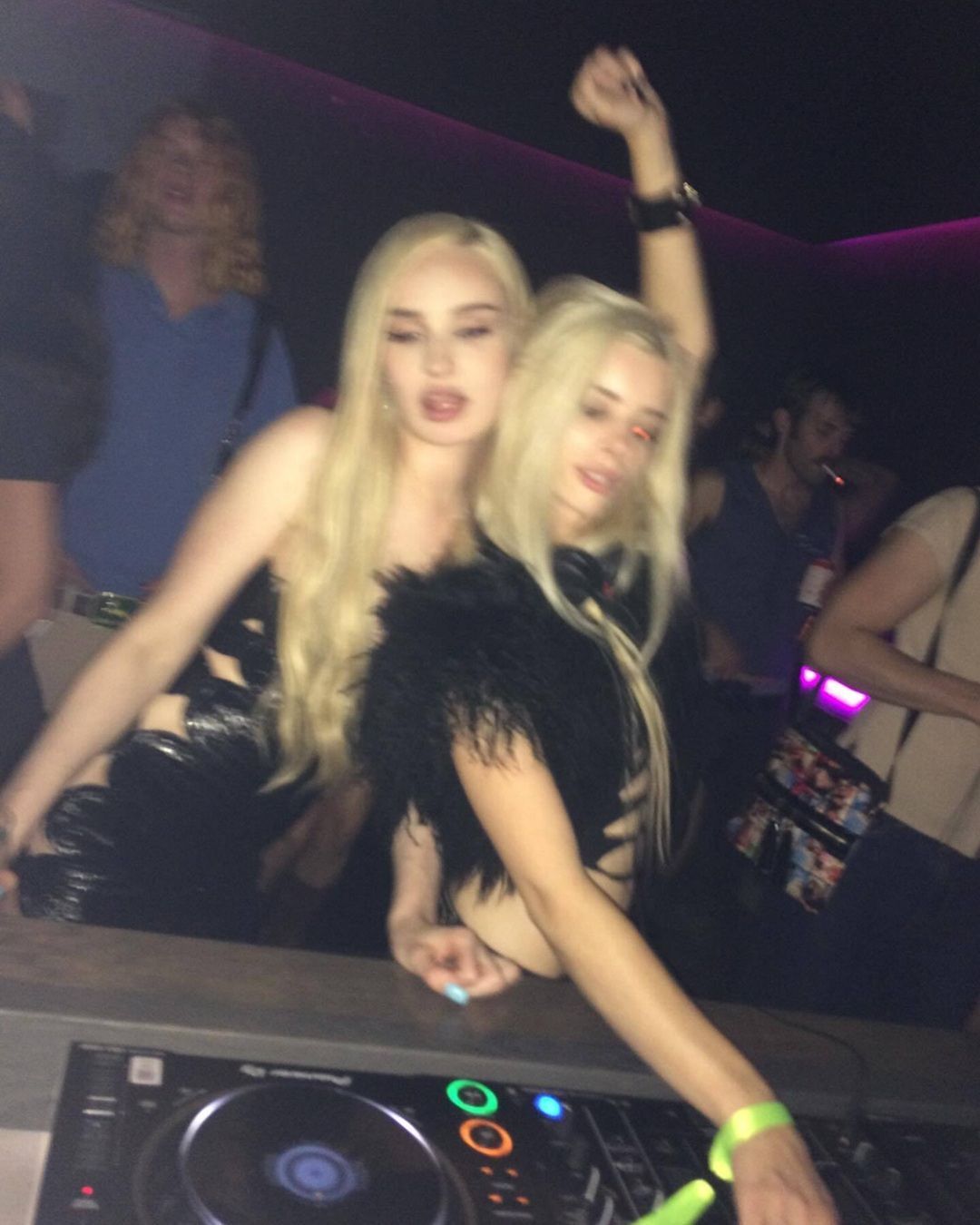
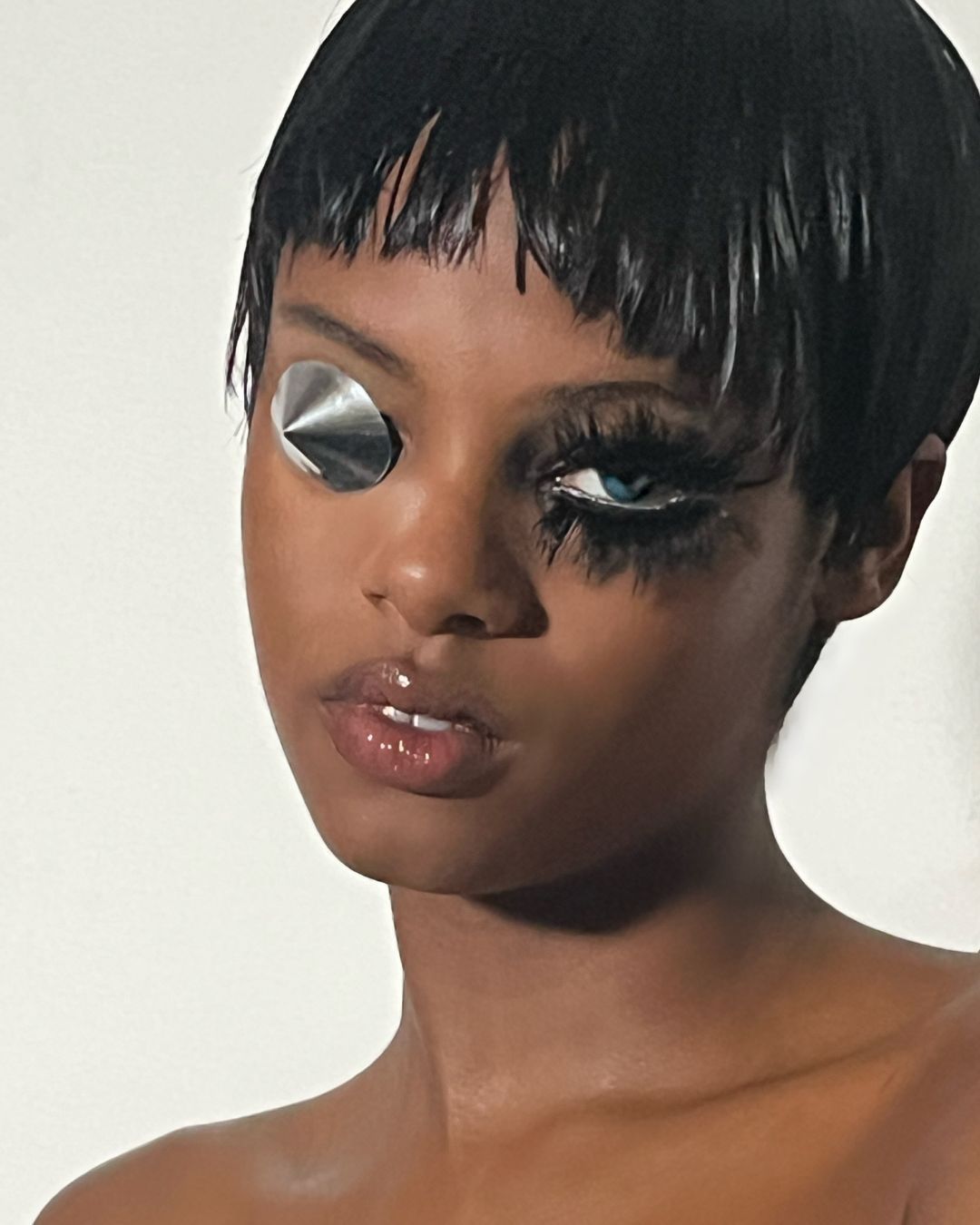
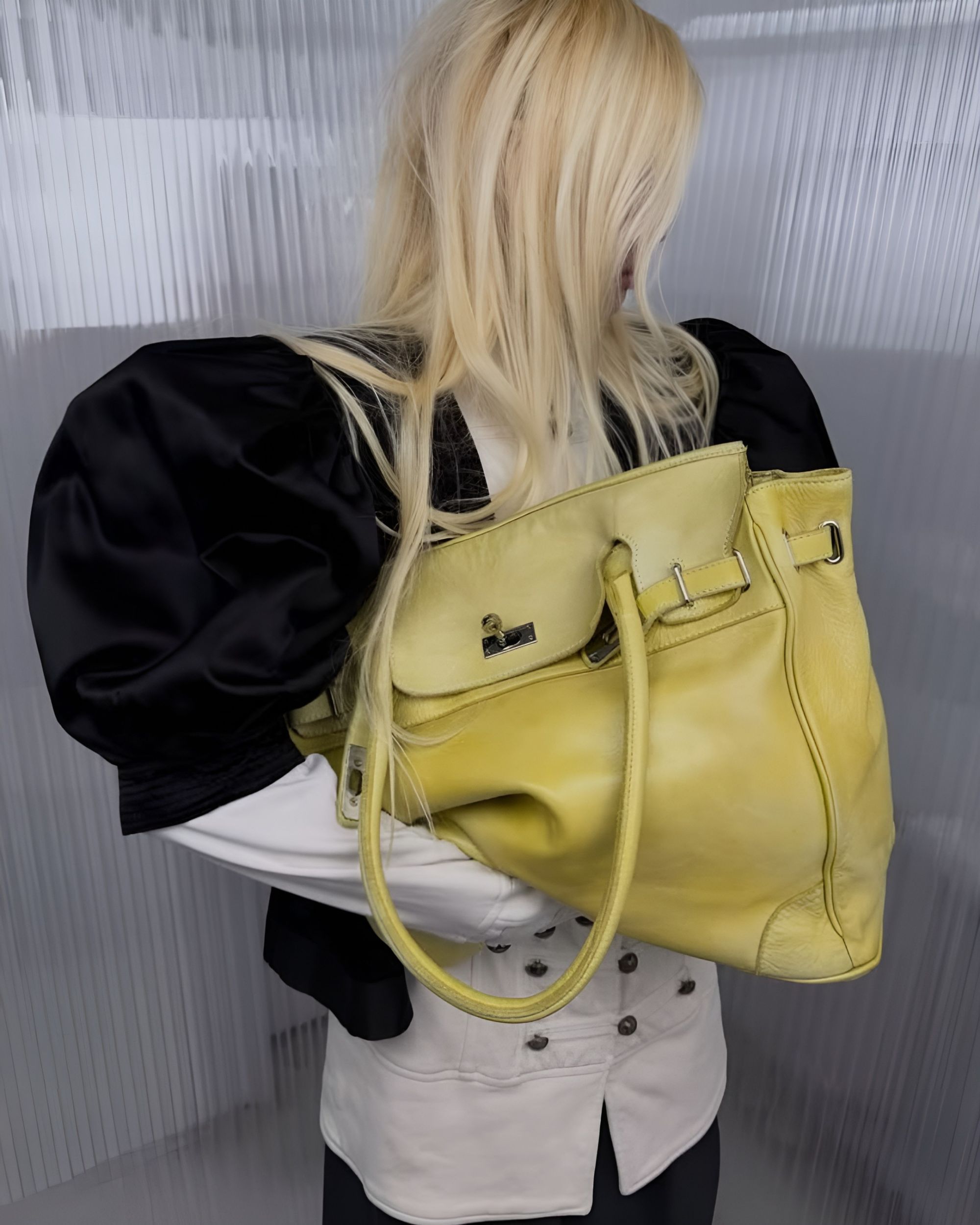
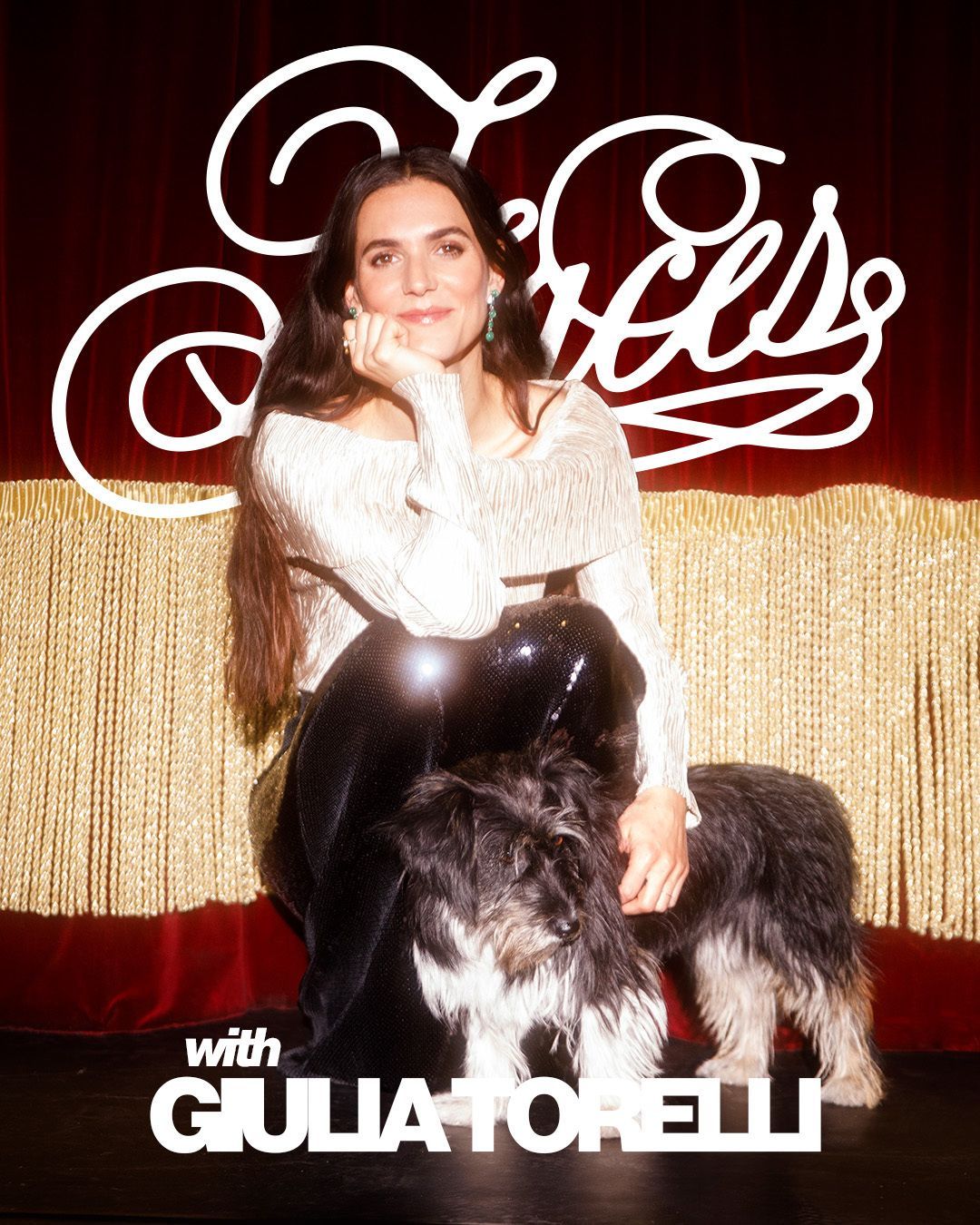
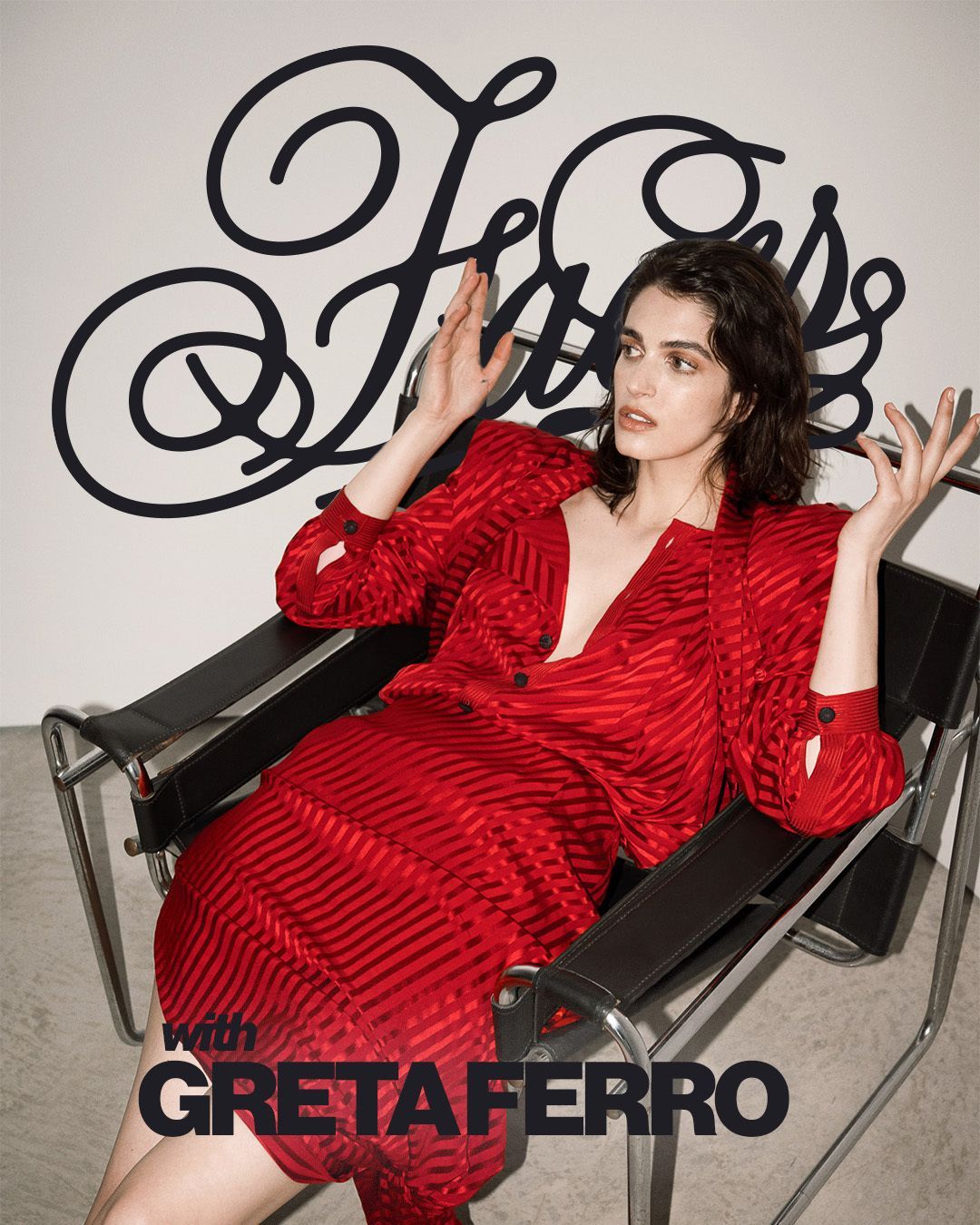
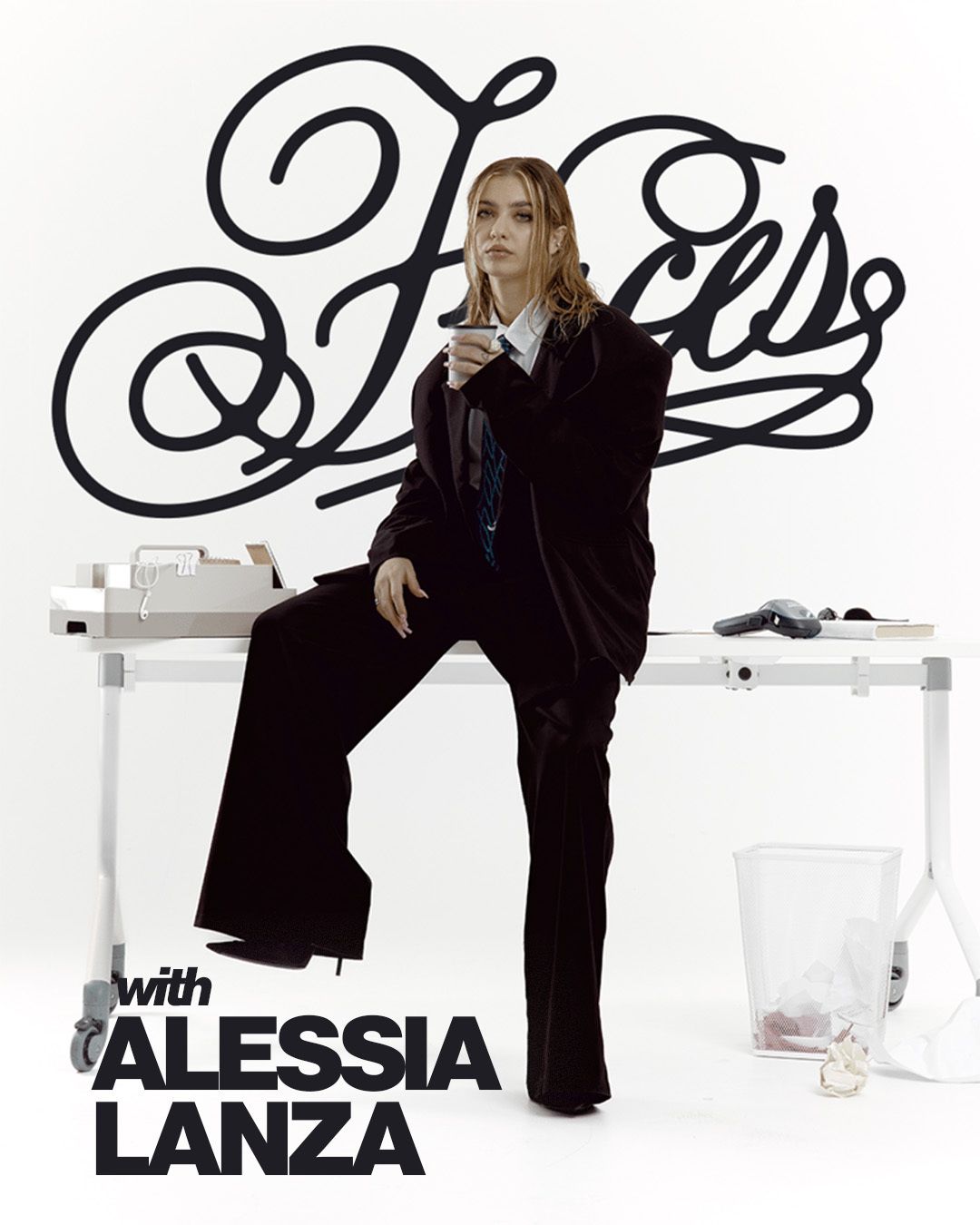

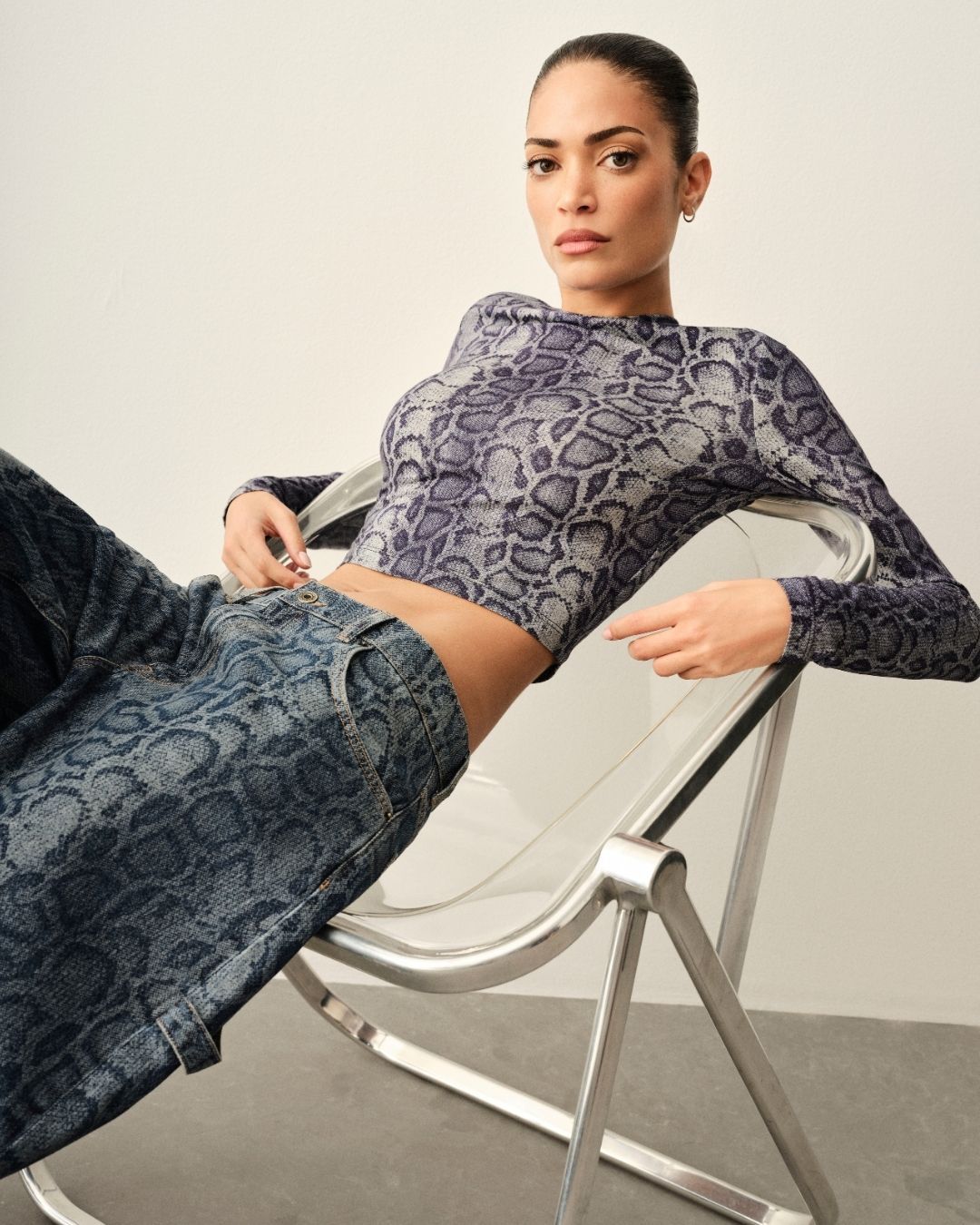
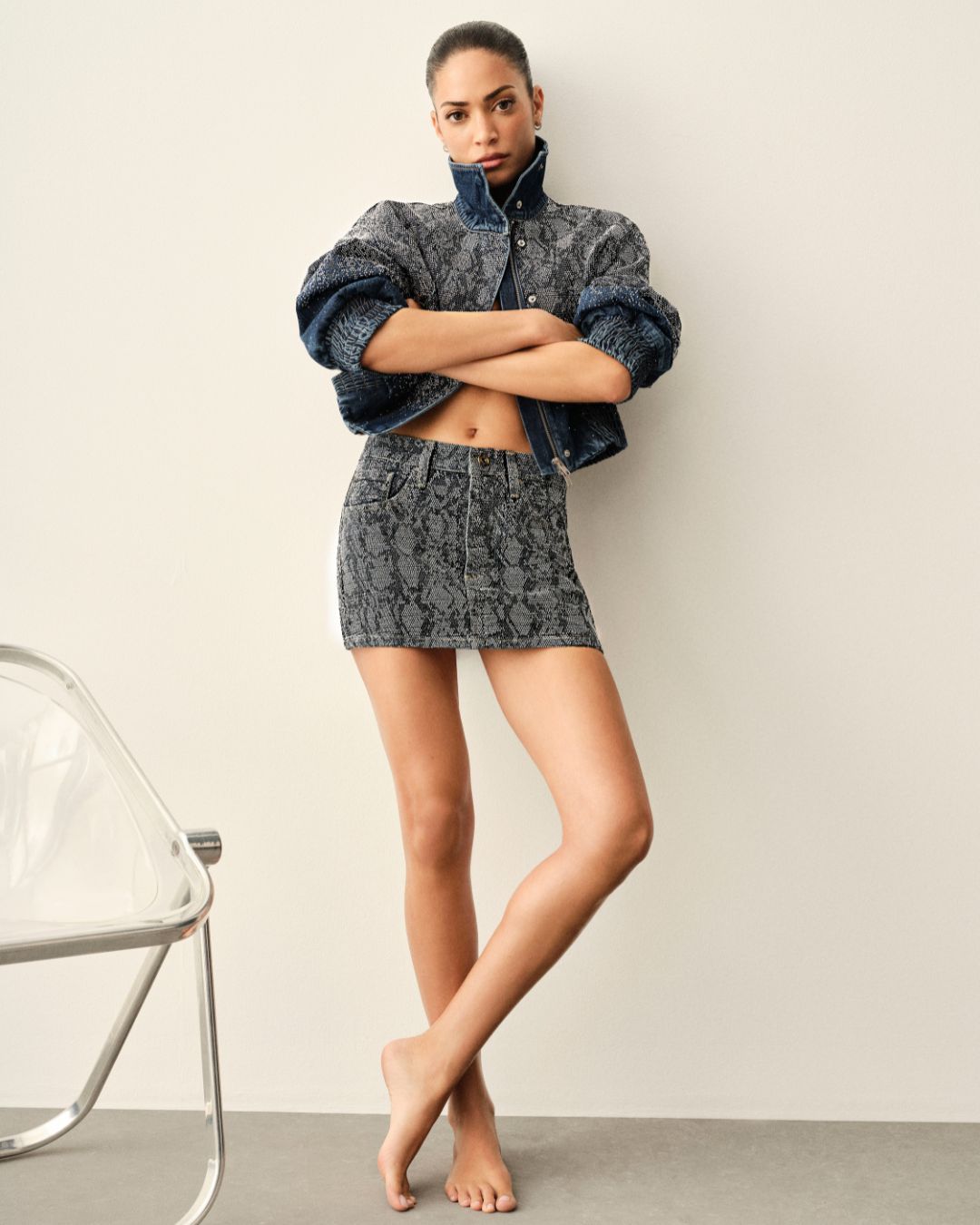
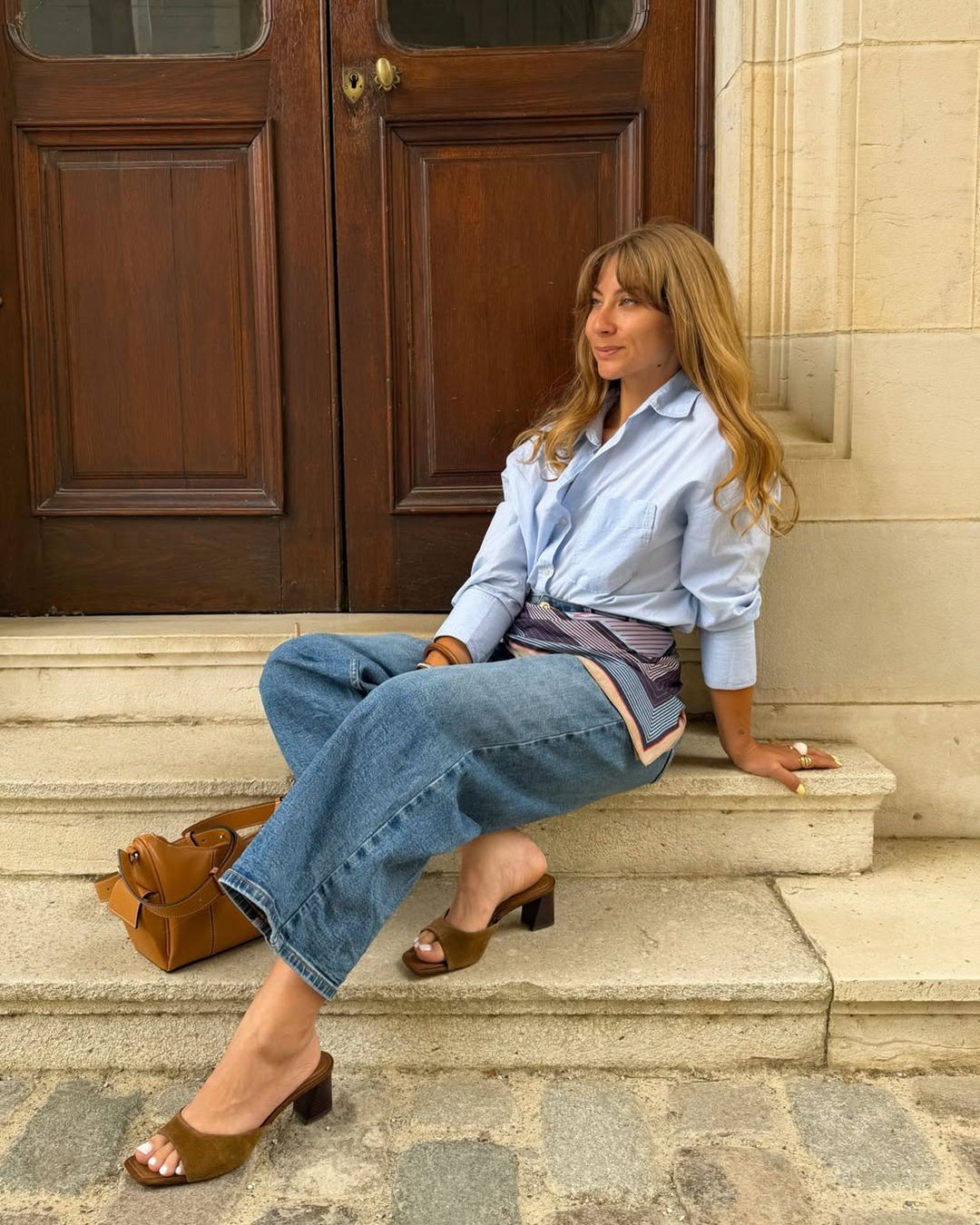
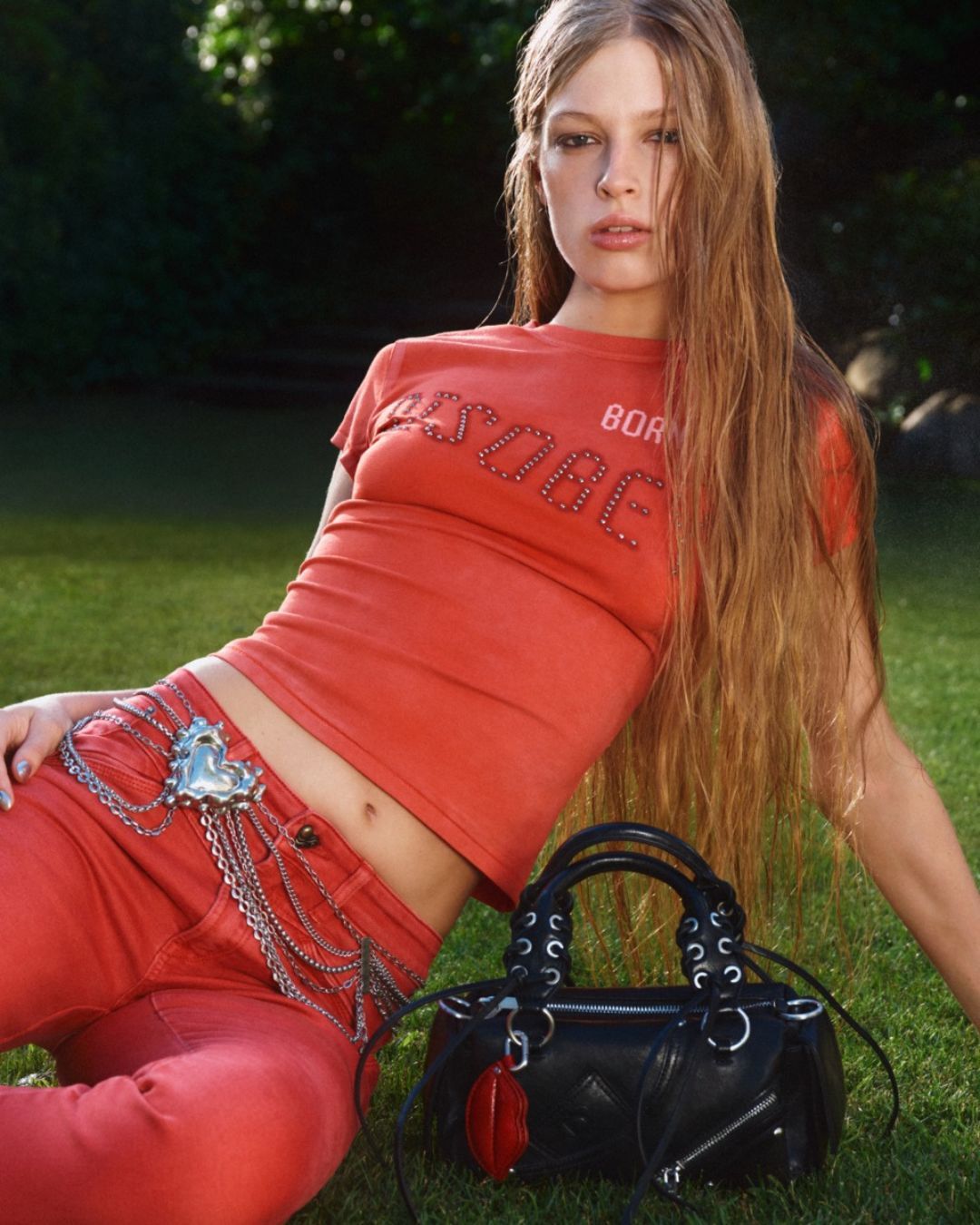
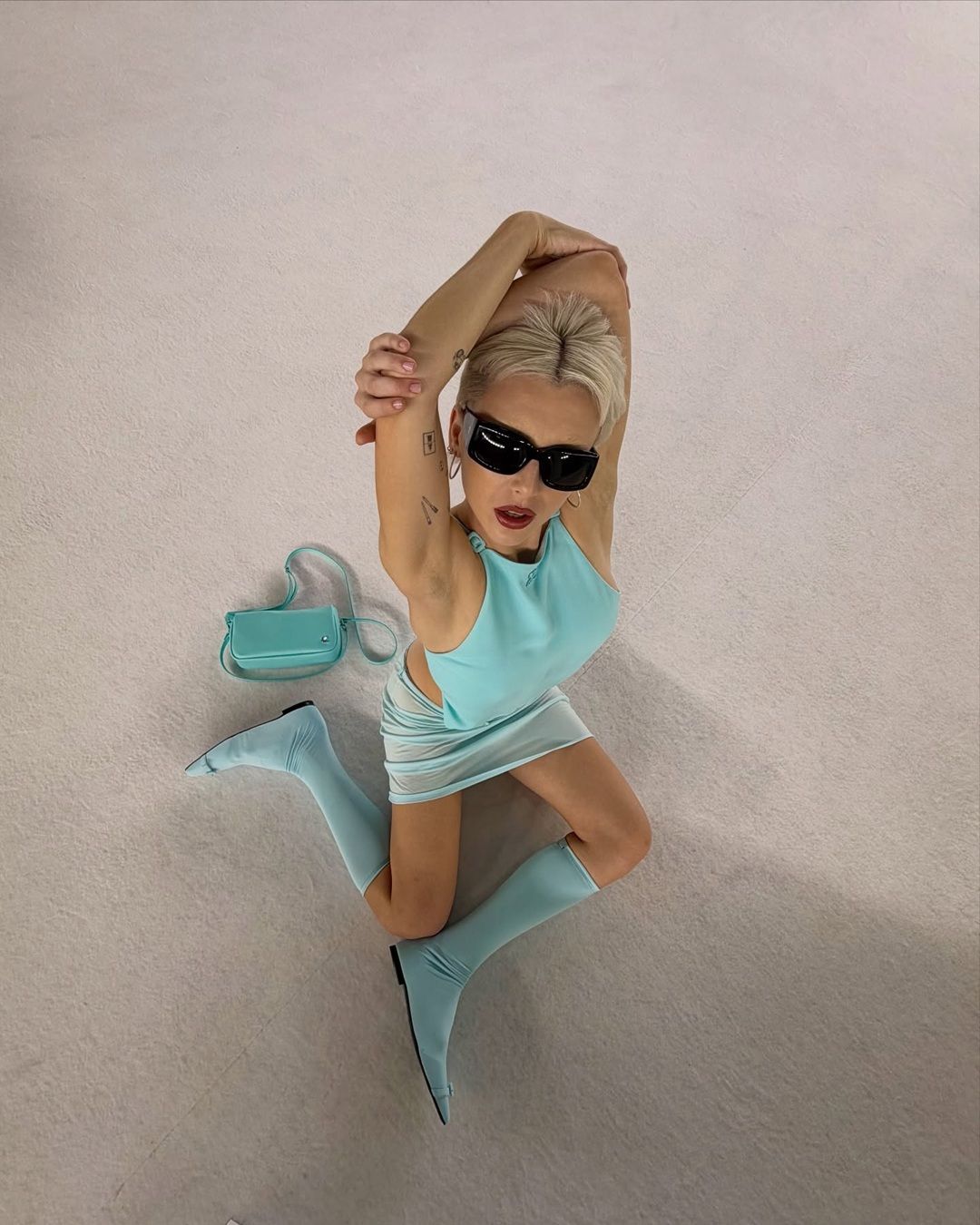
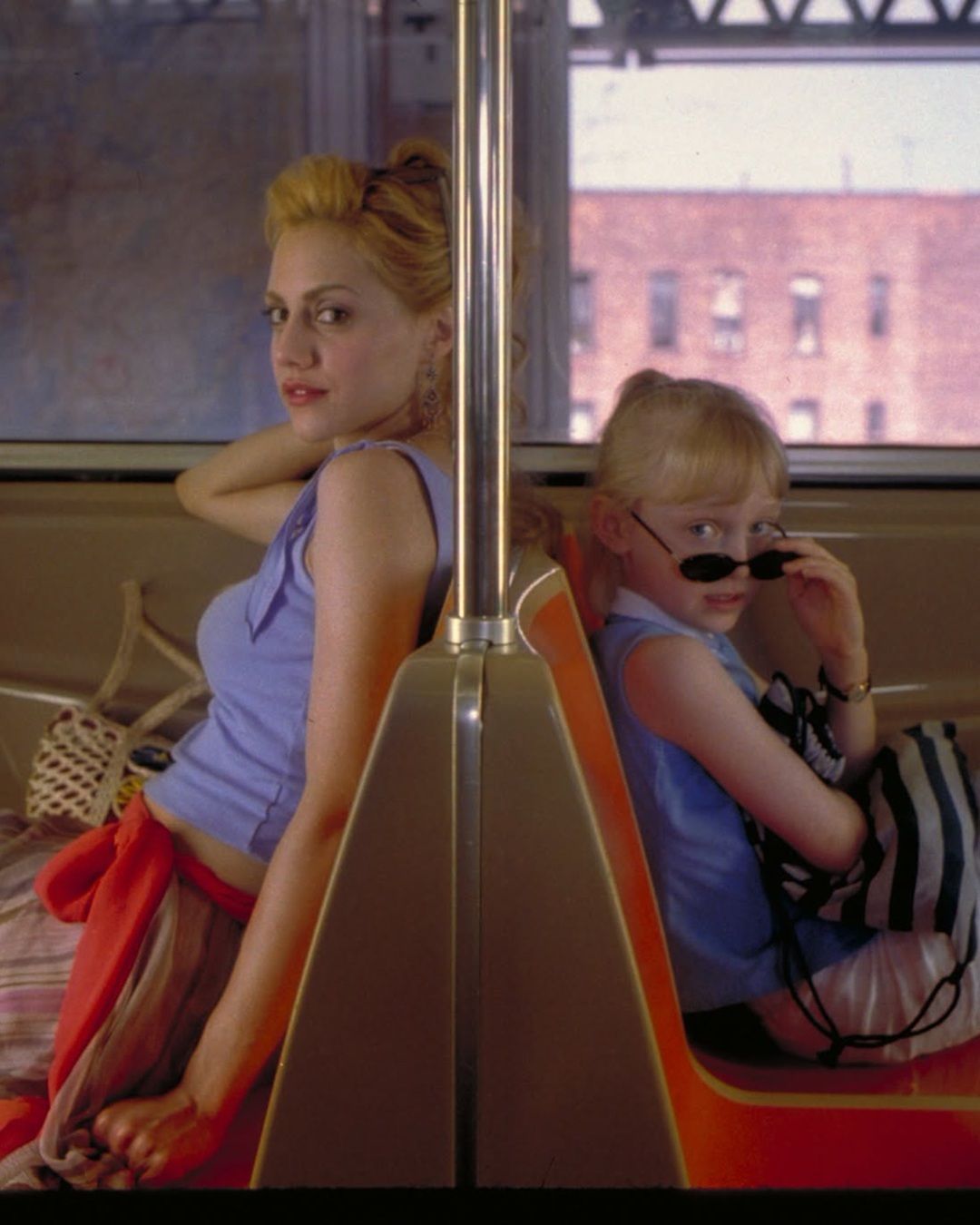
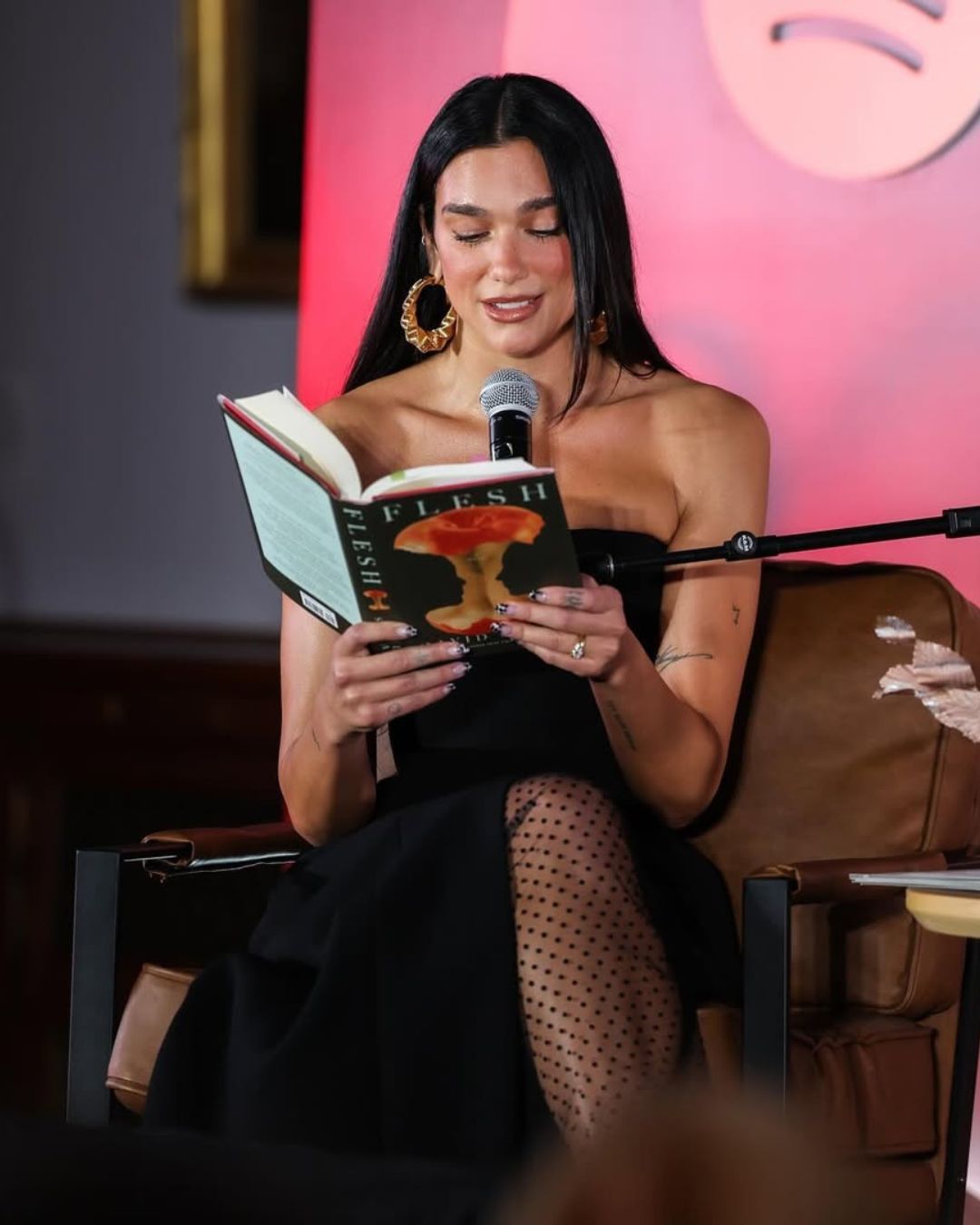
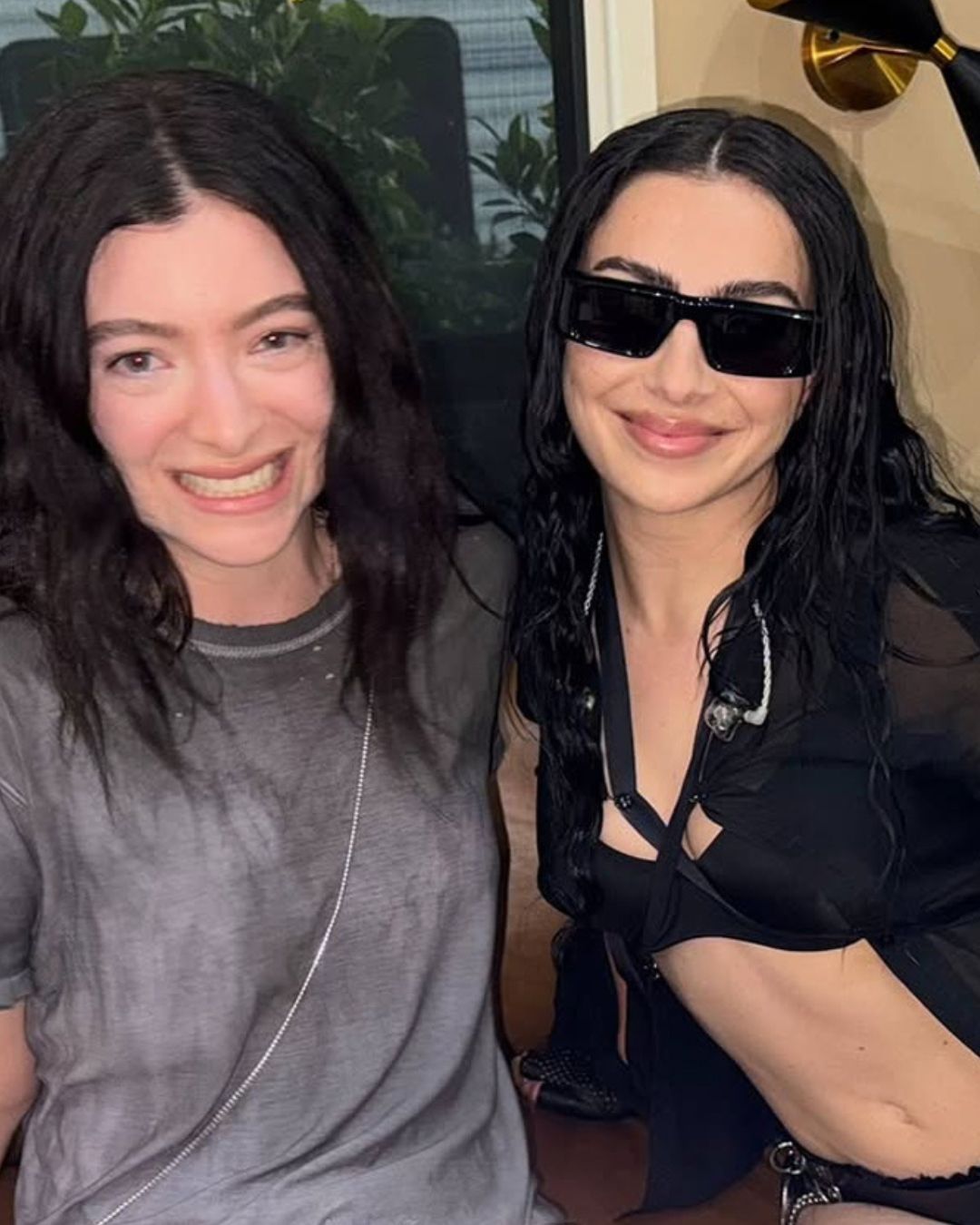
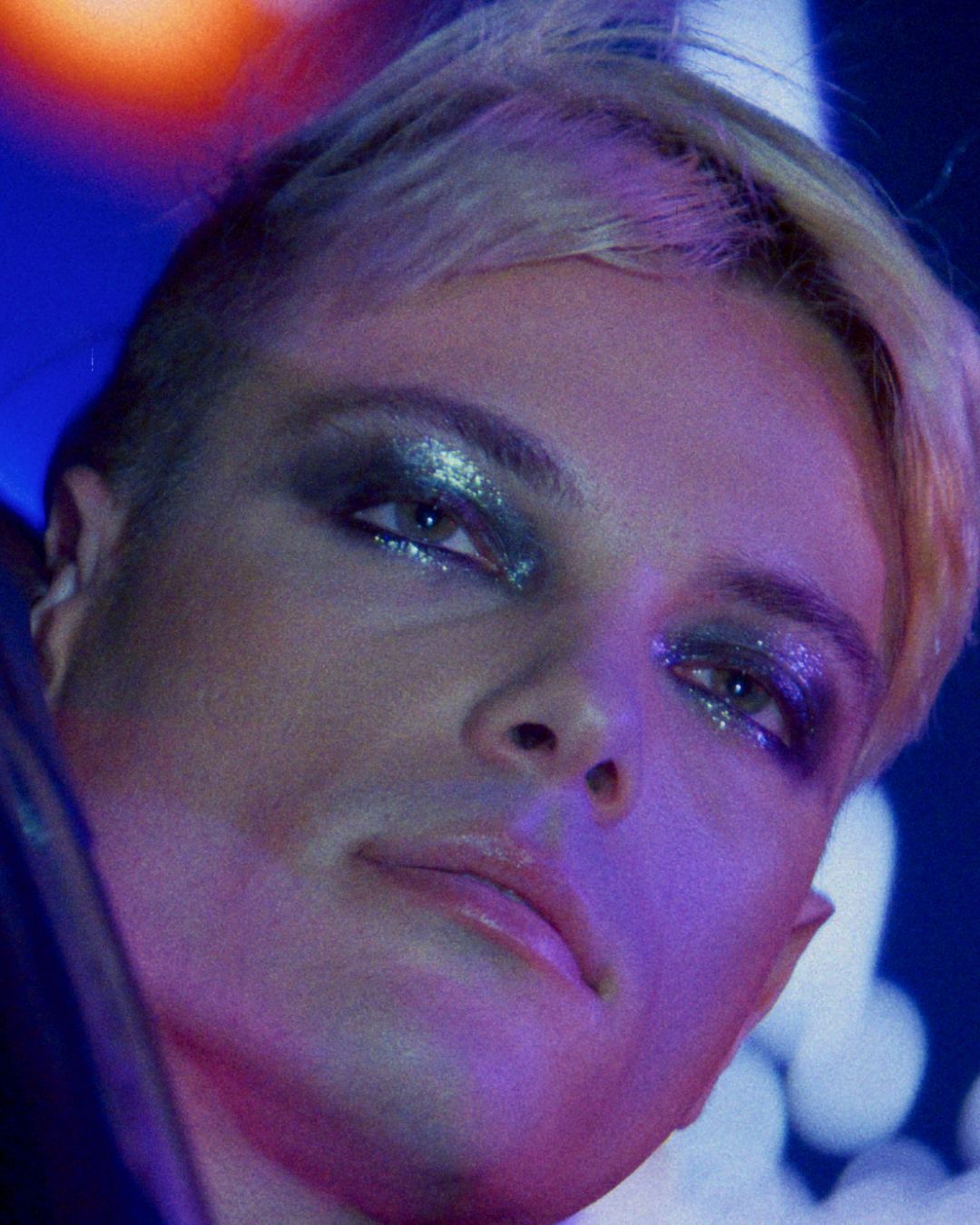
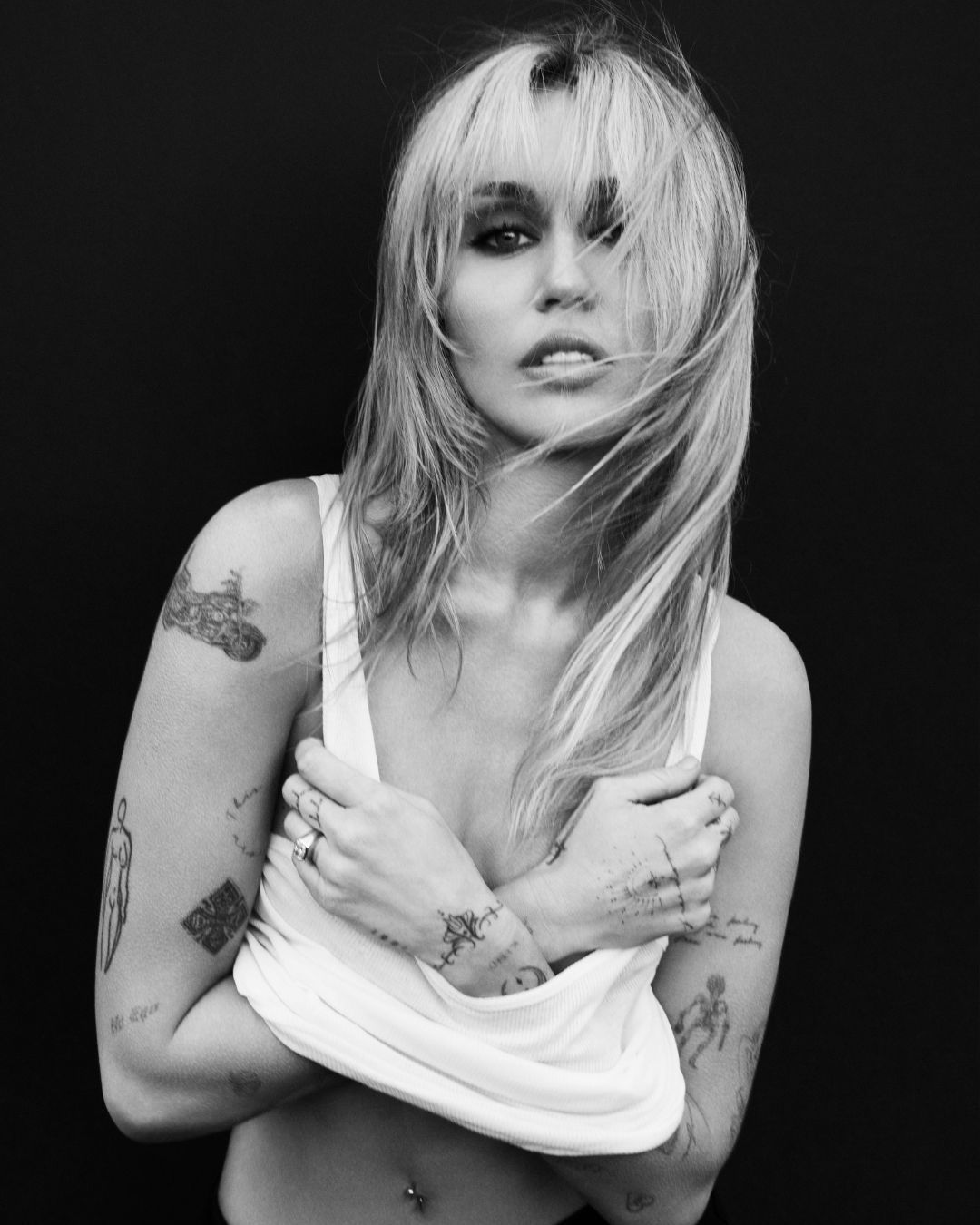
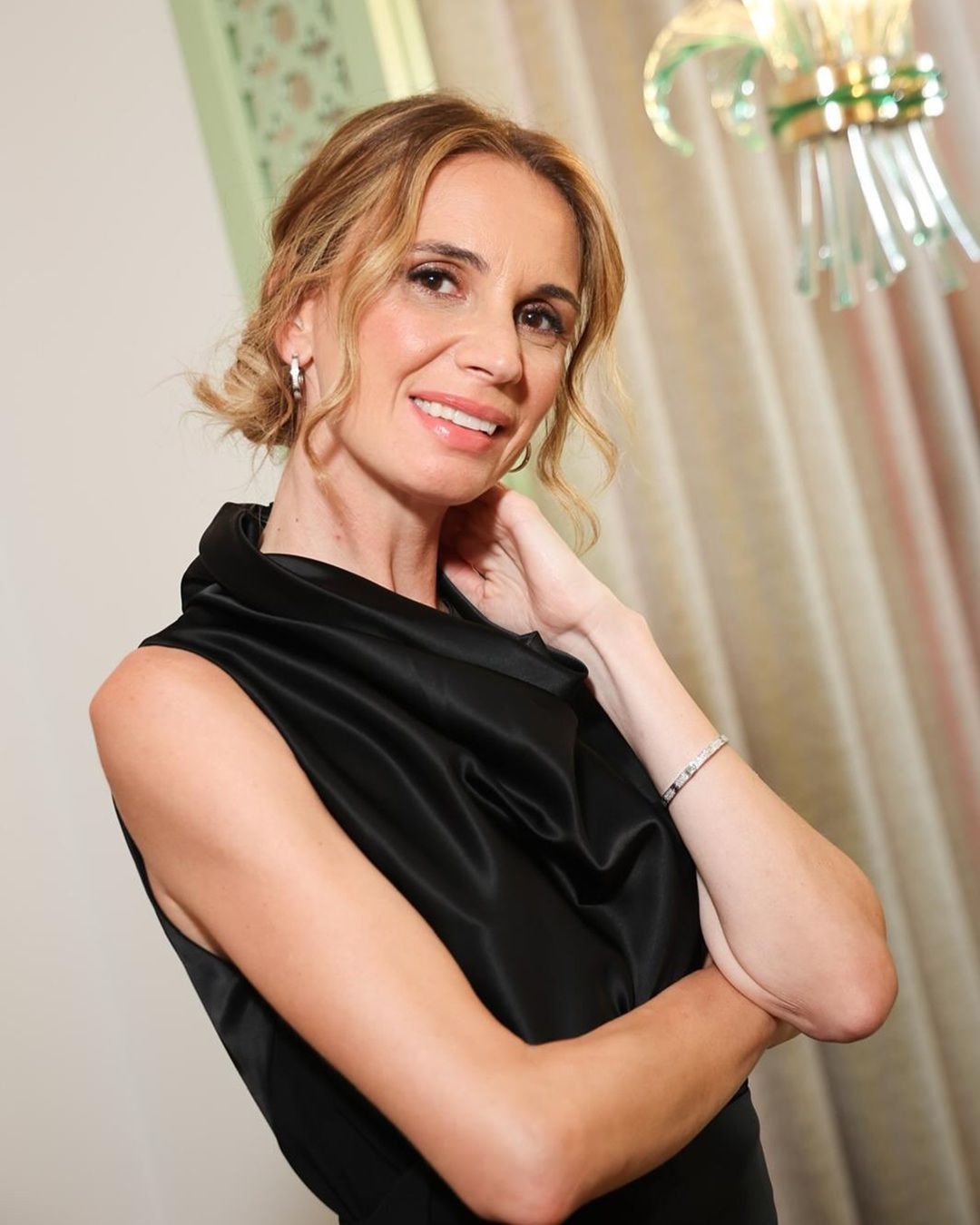
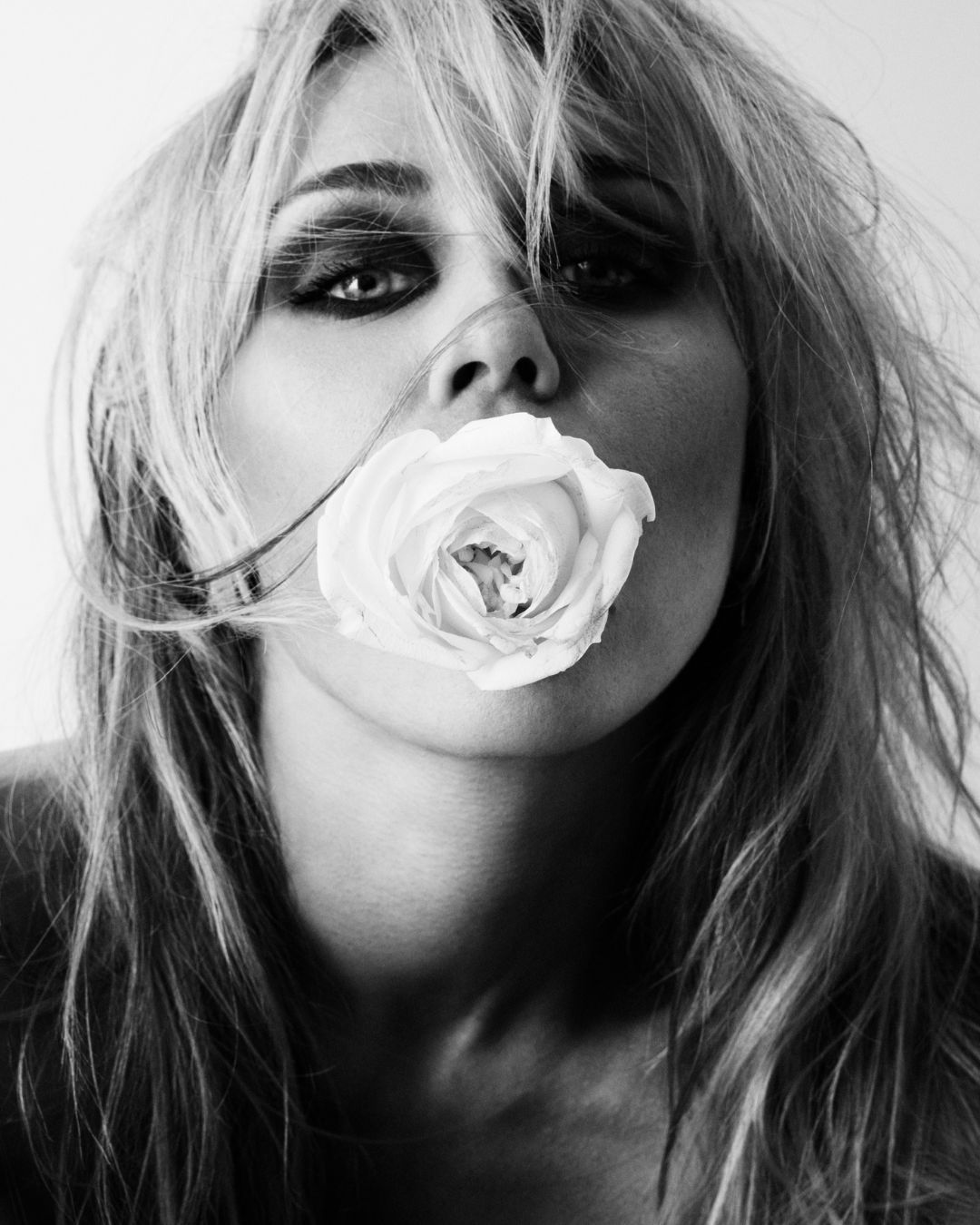

The new hair goal? Not looking like you’ve just left the salon Bed hair, frizz, imperfect ponytails and air-dried hair, maybe we don’t need to control every single strand anymore
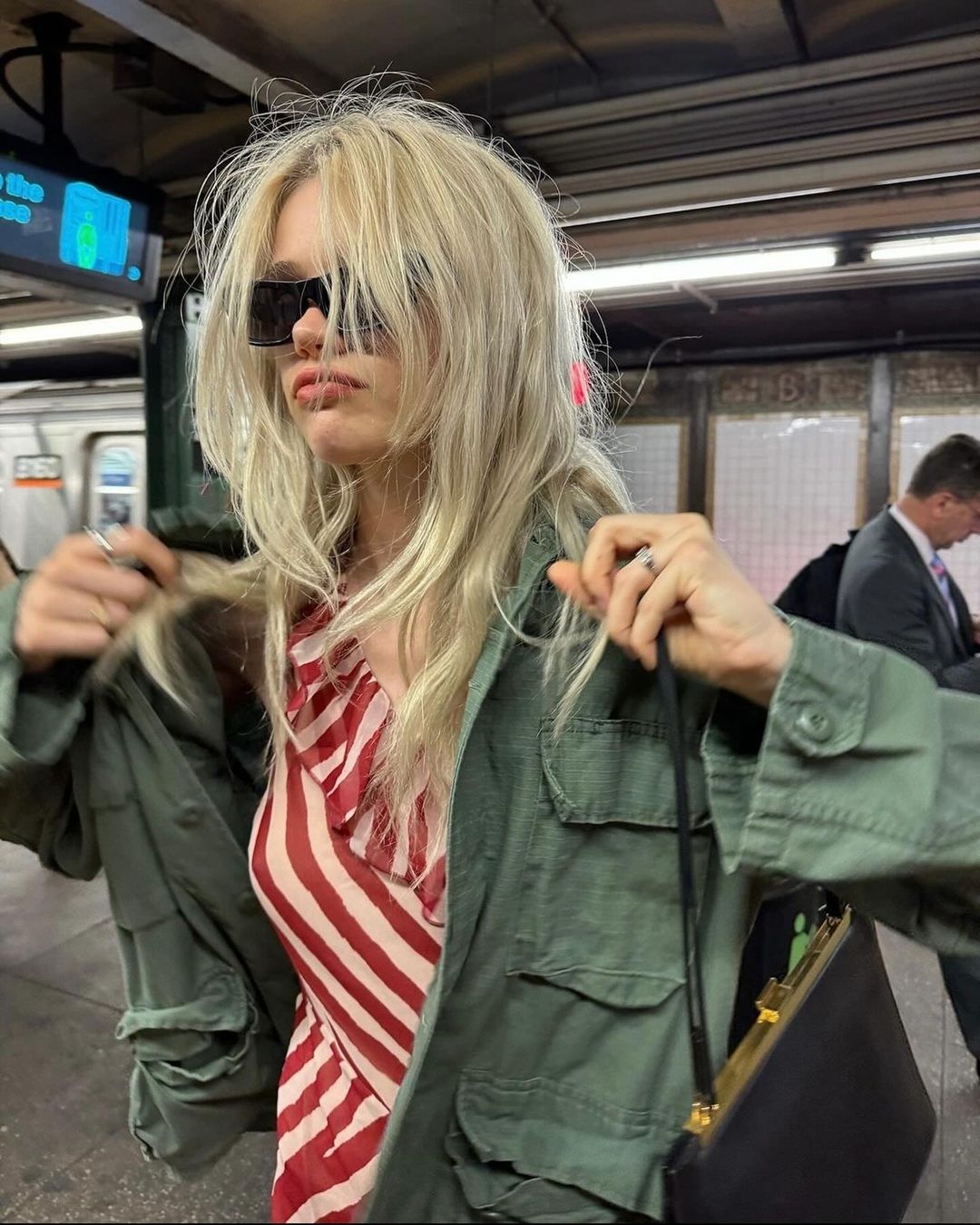
For years, leaving the house with messy hair simply meant you hadn’t had time to do it. There was “done” hair and then there was the kind you had to hide under a hat, quickly tie back, or justify with a “I didn’t have time to blow-dry it.” Then came ultra-tight slick buns, perfectly constructed waves, ponytails with not a single hair out of place, and a surprisingly large number of products designed to eliminate any trace of frizz. Even what was supposed to look effortless often required a lot of effort. Now, something seems to be moving in the opposite direction. On the streets, on social media and on the runways, more lived-in textures are making a comeback: air-dried hair, loose updos, strands escaping and that bed hair we would probably have tried to fix before leaving the house until very recently. It doesn’t mean we’ve suddenly stopped brushing our hair. Rather, it seems the very idea of what it means to have “done” hair is changing.
When did we start wanting to control our hair too?
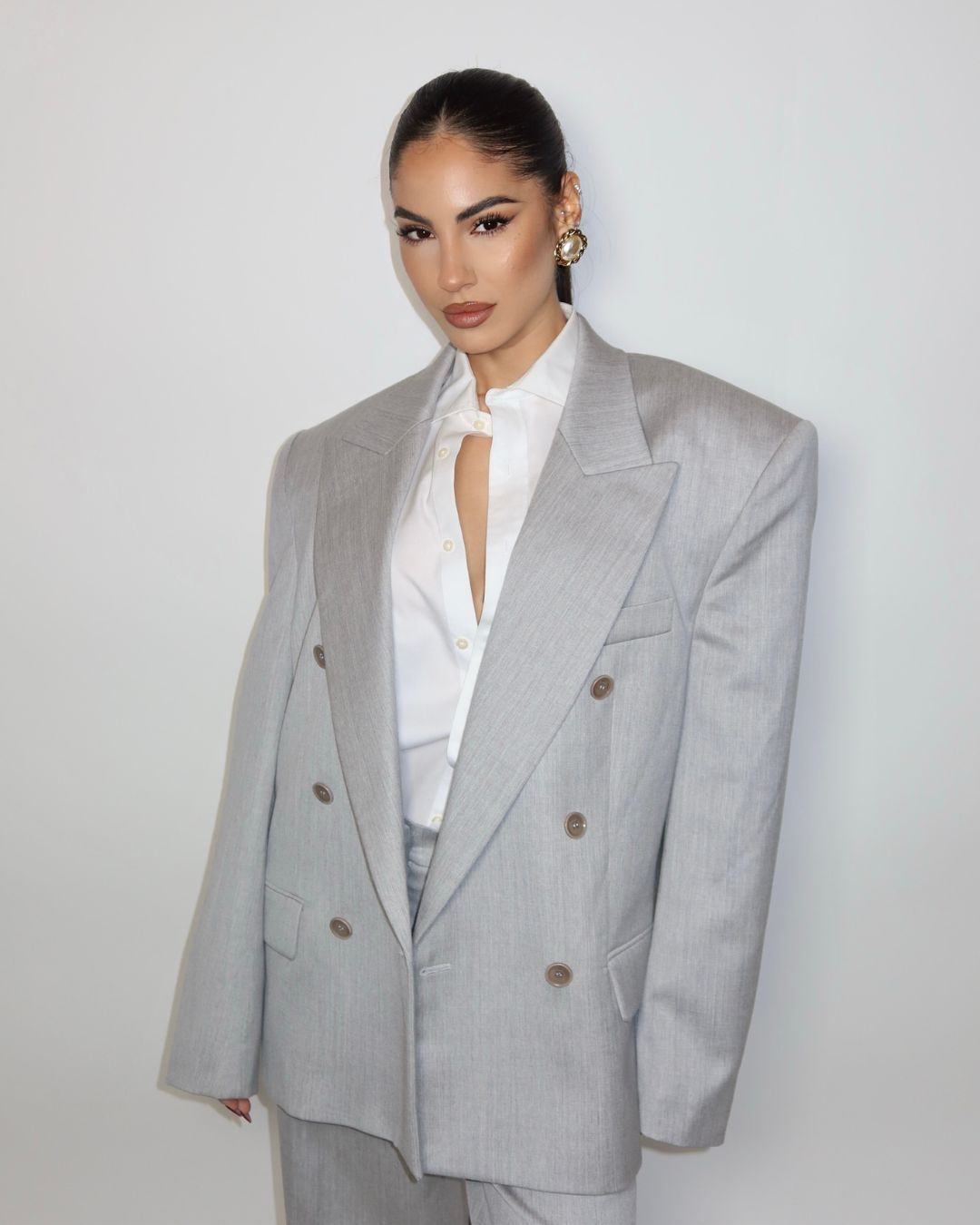
Hair is probably one of the parts of our appearance we exercise the most control over. We can straighten it, curl it, colour it, tie it up, lengthen it, cut it and convince it, at least temporarily, to take on a shape completely different from the one we woke up with. It’s hardly surprising, then, that hair has also become a territory onto which we project our idea of order. A freshly styled blowout immediately communicates something different from a mane puffed up by humidity; a perfect ponytail looks intentional, while a strand escaping from the elastic looks much less so. We’ve built an aesthetic vocabulary in which “well-groomed” has become almost synonymous with “controlled.” Just think of the slick bun: it looked like the simplest hairstyle in the world, but achieving that perfect parting, with no baby hair allowed to live its own life, required gels, waxes, brushes and a level of precision that had very little to do with spontaneity. It’s the same paradox as heat-styled beach waves or the carefully constructed messy bun studied in front of the mirror: even messiness, to be considered beautiful, had to be perfectly organised. So the question isn’t why we like messy hair today, but when we decided that there was only one possible form of order and that it meant spending time transforming the natural texture of our hair.
Frizz doesn’t have to become the new perfect hair
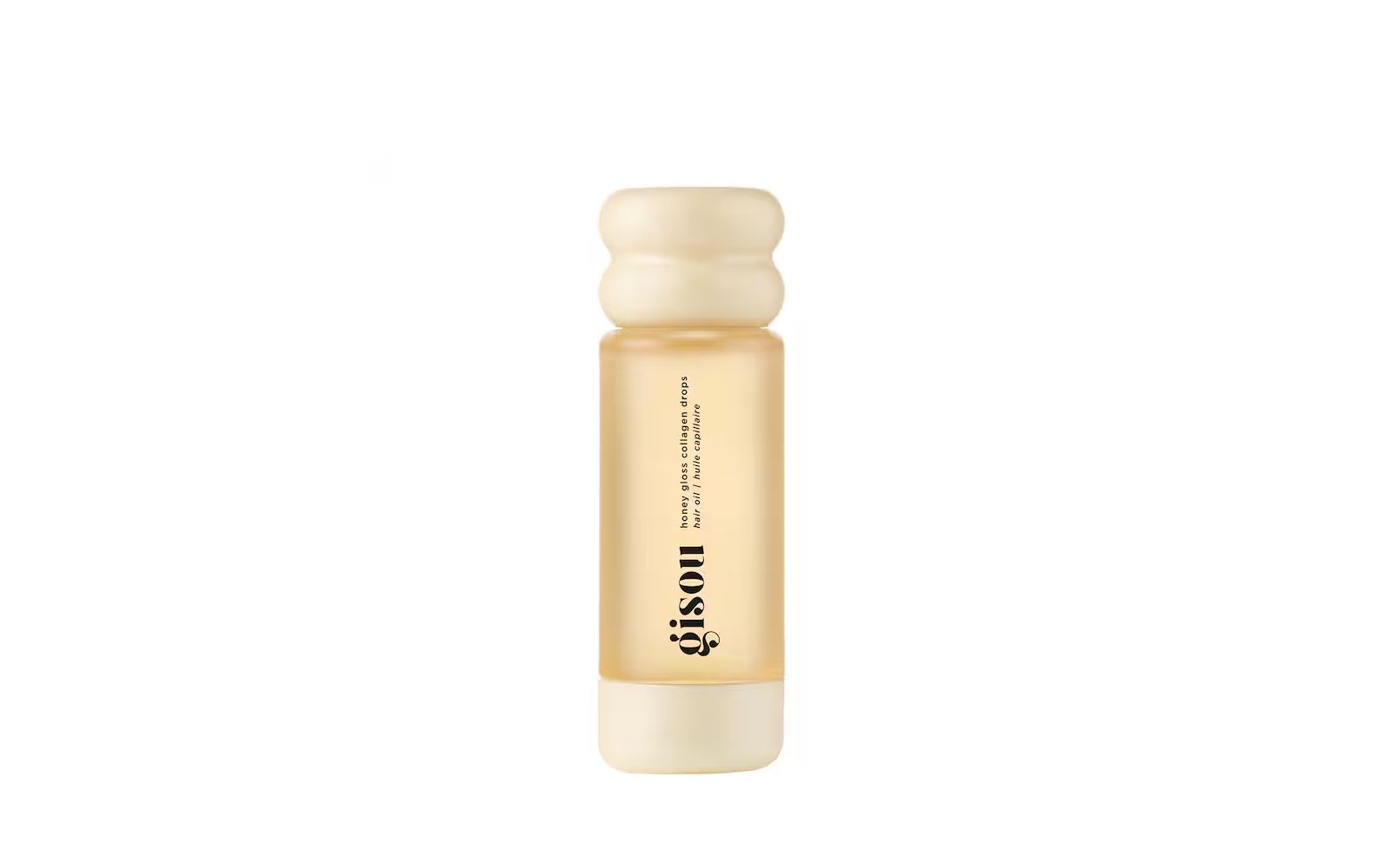
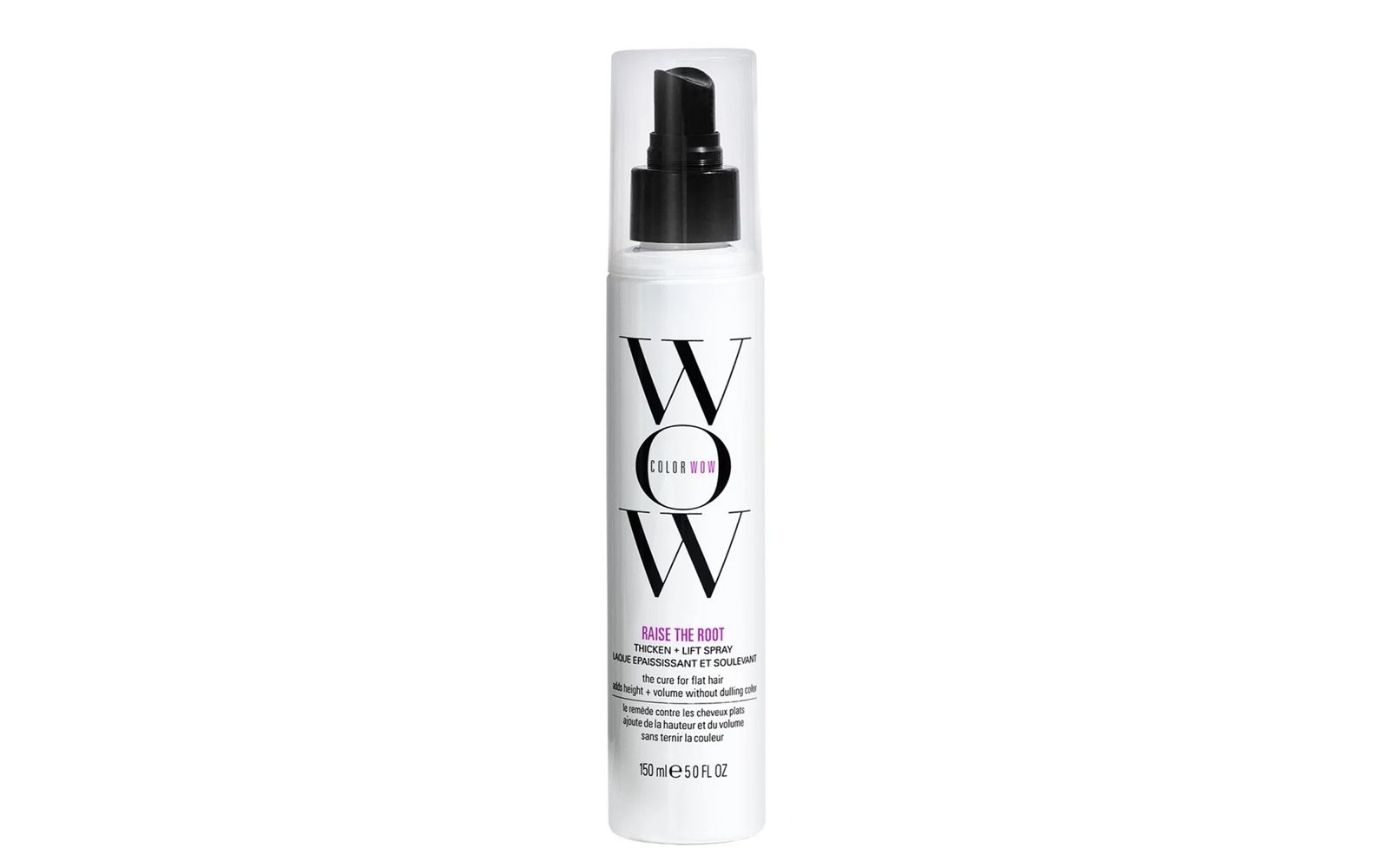
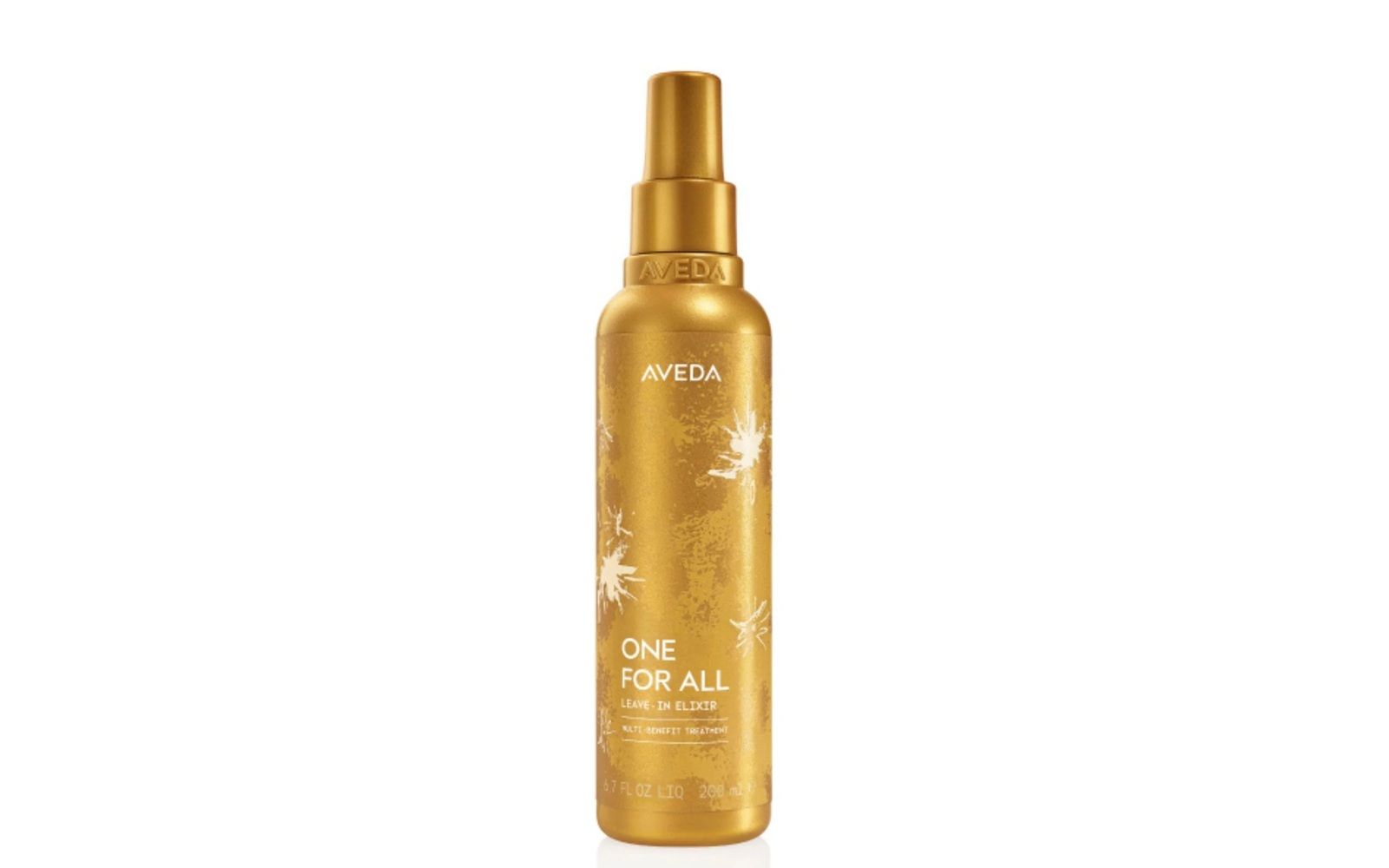
There is, however, a risk in turning lived-in hair into the next beauty ideal: simply replacing one rule with another. We don’t have to love frizz if it bothers us, give up the straightener, or let our hair air-dry because suddenly imperfection has become cool. We can decide that today humidity doesn’t deserve forty minutes of our time because, often, we don’t even have forty minutes to spare, and tomorrow we might want an immaculate blowout. Products, too, can change function in this sense. For years, haircare has relied on words like tame, control, anti-frizz and ultra-sleek, often starting from the idea that natural texture needed to be disciplined. Today, we can use a leave-in to keep air-dried lengths soft, oil on the ends without erasing every trace of movement, or a texturising spray to enhance waves that aren’t perfectly defined. Products chosen because they work with our natural texture rather than promising to transform it. It’s a subtle but important difference: taking care of your hair doesn’t necessarily mean making it look different from what it is.
There’s something liberating about a strand out of place
In the end, the most interesting thing isn’t knowing how long the bed hair trend will last. In six months, we could all be pulling our hair back so tightly that we can barely move our eyebrows again. Beauty trends are constantly reacting to what came before them, and that’s precisely why they reveal something about the moment in which they emerge. After years of polished images, ten-step skincare routines, individually brushed-up brows and hair that seemed immune to the wind, seeing something move has an almost reassuring effect. A strand out of place tells us that behind that face there is someone who has walked somewhere, taken the subway, run to an appointment after dropping the kids off at school, rolled down the car window or simply lived enough not to look exactly the same as they did when they left the house. I don’t think we’ll stop getting blowouts, nor would it make sense to turn this trend into yet another invitation to do so. I think something more meaningful has changed: the automatic judgement that makes us think every hair out of place needs to be immediately put back where it belongs. The opposite of “styled” doesn’t necessarily have to be “messy.” Being styled could simply mean having your hair exactly the way you decided to wear it that day. Even if it looks completely different from the way you wore it the day before.