

















































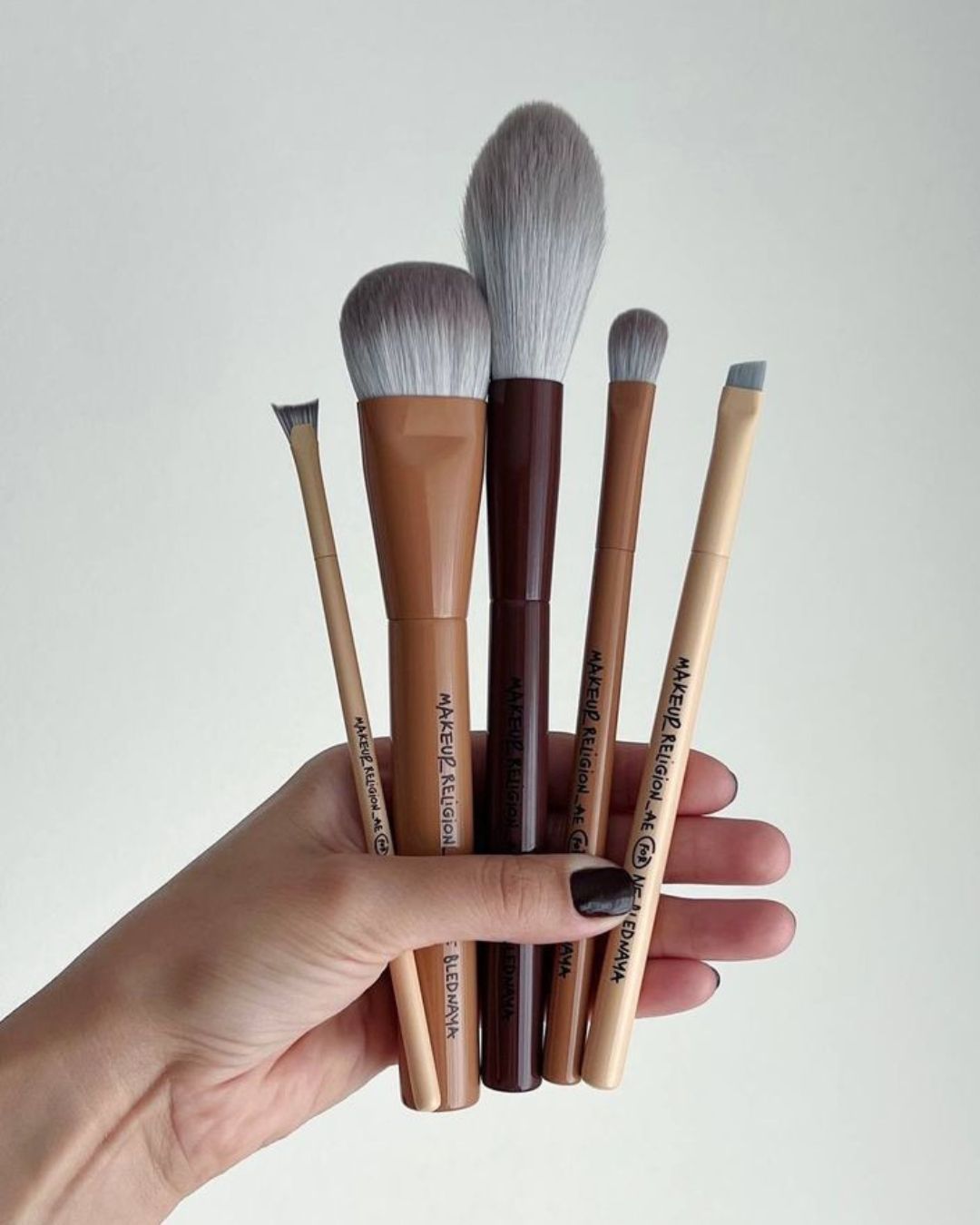
When was the last time you washed your make-up brushes? "I don't remember" is obviously the wrong answer
Washing your brushes is one of those things we keep putting off, slightly embarrassed to admit it. We can’t help it: we use them every day and every day we think, “I’ll do it tomorrow.” The problem is that, between one swipe of blush and one of eyeshadow, brushes pick up pretty much everything: product residue, sebum, dead skin cells and impurities that end up, day after day, directly on your face. So don’t be surprised if you suddenly find yourself wondering where those random little breakouts are coming from, despite having a perfect skincare routine. The problem isn’t your double cleansing, but that makeup brush you’ve probably had since middle school and never washed.
When was the last time you washed your makeup brushes?
What happens if you don’t wash your brushes?
If you don’t wash your brushes regularly, over time pretty much everything builds up on the bristles: makeup residue, dust, sebum and bacteria, especially if you leave them in your beauty case, on your desk or simply lying around the house. And every time you run them over your face, you’re putting all of that right back where you definitely don’t want it. All of this increases the chances of dealing with acne and irritation, especially if you already have sensitive skin. But the problem isn’t just your skin. A dirty brush can’t do its job properly either. When the bristles are covered in old product, they struggle to pick up and, above all, distribute new product evenly, leaving you with those beautiful impossible-to-blend patches.
@aisha.lyb come si lavano i pennelli? ma soprattutto ogni quanto si lavano??? mi sa che non lo volete scoprire… quando è stata l’ultima volta che avete lavato i pennelli ame? #pennelli #skincare #puliziapennelli #makeup #beautytok suono originale - Aisha Sarah⋆˚。⋆˖°ᵕ̈
How often should you wash them?
It all depends on how often you use them and the type of product you use them with. Foundation and concealer brushes, for example, are constantly in contact with liquid and creamy formulas and tend to hold on to more residue, so they need to be washed much more often than the ones you use for powder products, such as blush, bronzer and eyeshadow, which can wait a little longer. Generally speaking, though, a good habit is to wash them all once a week, so you can stop wondering when you last did it and simply get it done.
How to wash them
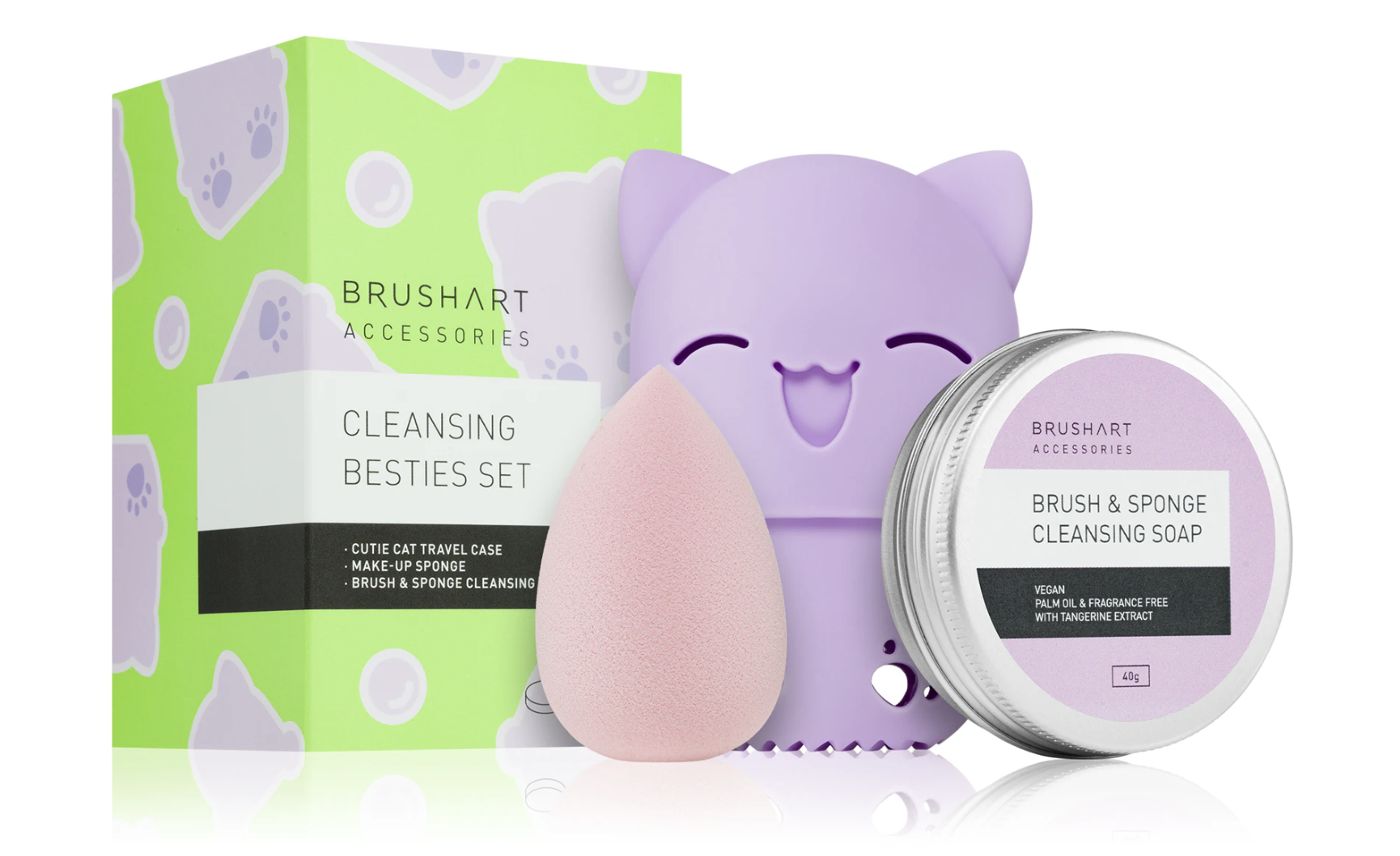
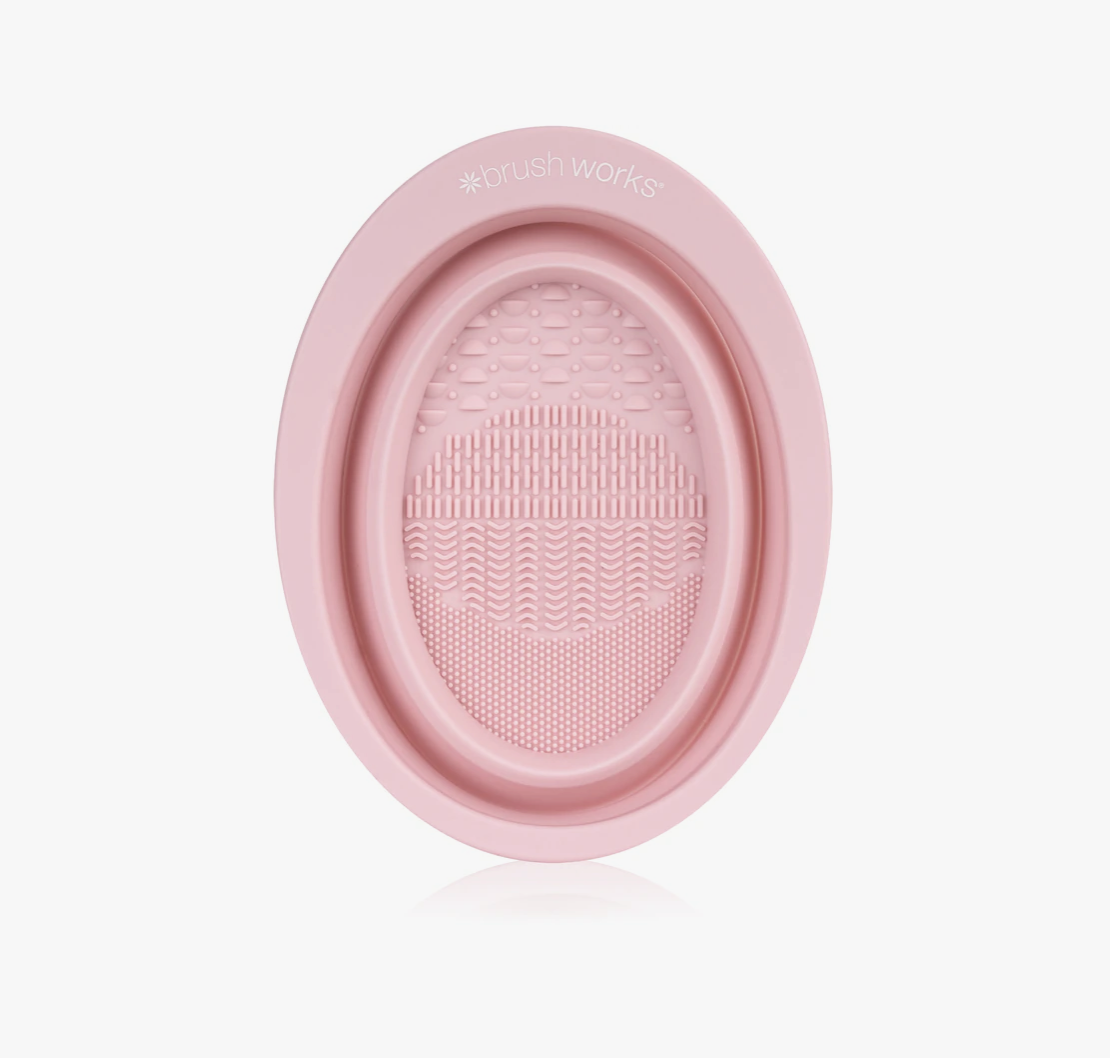
Once you’ve decided it’s finally time to wash them, you’ll realise it’s actually not that much work. In fact, it could even become your new way to relieve stress. Start by gathering all your brushes and wet them with lukewarm water. Avoid water that’s too hot or you could loosen the glue. Then apply a small amount of gentle cleanser to the bristles, such as Marseille soap or one of the cleansers specifically designed for makeup brushes, and massage it in with your fingers, focusing especially on the areas where the most product has built up. If you have a silicone brush-cleaning pad, you can use it to help remove any residue trapped between the bristles. Rinse everything thoroughly until the water runs completely clear and, once you’re done, remove the excess water without squeezing or twisting the bristles too much. Then simply leave them to air dry, ideally with the bristles slightly over the edge of a surface so they can keep their shape. Avoid hair dryers and other heat sources, which could end up damaging the bristles.