






































Let's talk about primer: is it really that essential? Discover all types and especially which one is most suitable for your skin
The primer is one of those products we all end up buying at some point, usually driven by a bit of beauty FOMO, since it pops up in almost every online tutorial. Then comes the moment of truth: we realize it’s not a “one-size-fits-all” product, and that there are so many different versions. So, which one should you choose? And more importantly, is it really an essential step in your daily makeup routine? Let’s be honest, we’ve survived just fine without it in our beauty cases. Here’s everything you need to know.
Primer makeup: what is it?
@makeupxka basically “primer” = a product that helps prep your skin befote makeup. Choose whatever fighter u want! It can br simple. Step 1 - hydrate skin. Step 2 - fix problem areas (oily tzone, dry undereyes etc) Moisturizer… serum… a “primer” .. its all the same when it comes to being a step in your routine thay makes your skin better prior to makeup. Just make sure u understand ur skin type, and what ur skin needs for better makeup application and longer wear! SIMPLIFY. TEACHING A LIVE CLASS FRIDAY NOV 15. Sunscribe to my app @MAKEUP BY KELLI ANNE to learn more about prepping ur skin! #makeup #makeuphacks #makeuptips #primer #skinprep original sound - Kelli Anne Sewell
A primer is applied after moisturizer and before foundation, designed to prepare and visually perfect the skin while helping everything else adhere. It smooths texture, minimizes pores, reduces redness, and evens out the complexion, promising that your makeup won’t disappear after just a couple of hours, or even less if you’re lucky. It can come in gel, cream, or serum form, depending on the type and effect you’re after. Application is simple: just spread a small amount with your fingers or a brush, focusing on critical areas like the T-zone, sides of the nose, and those spots where makeup tends to vanish first.
The different types of primer
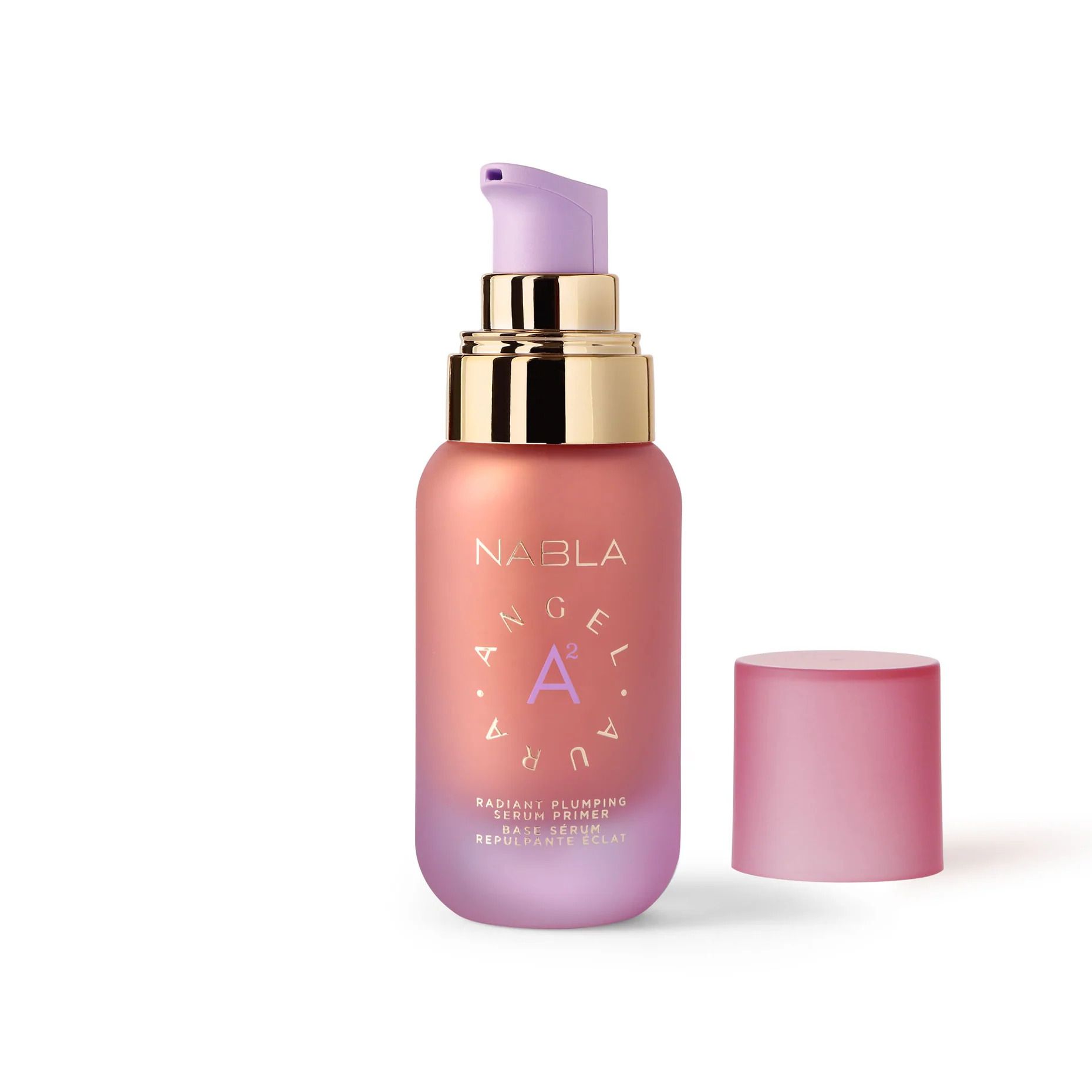
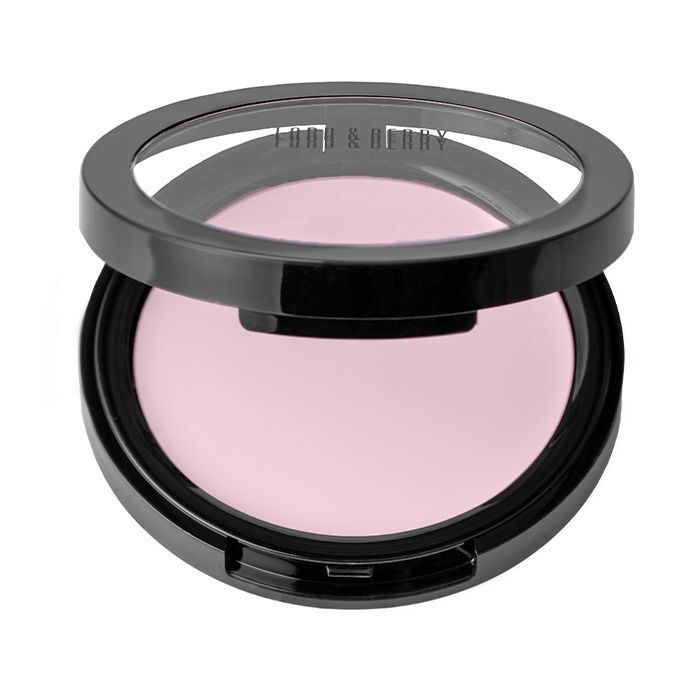
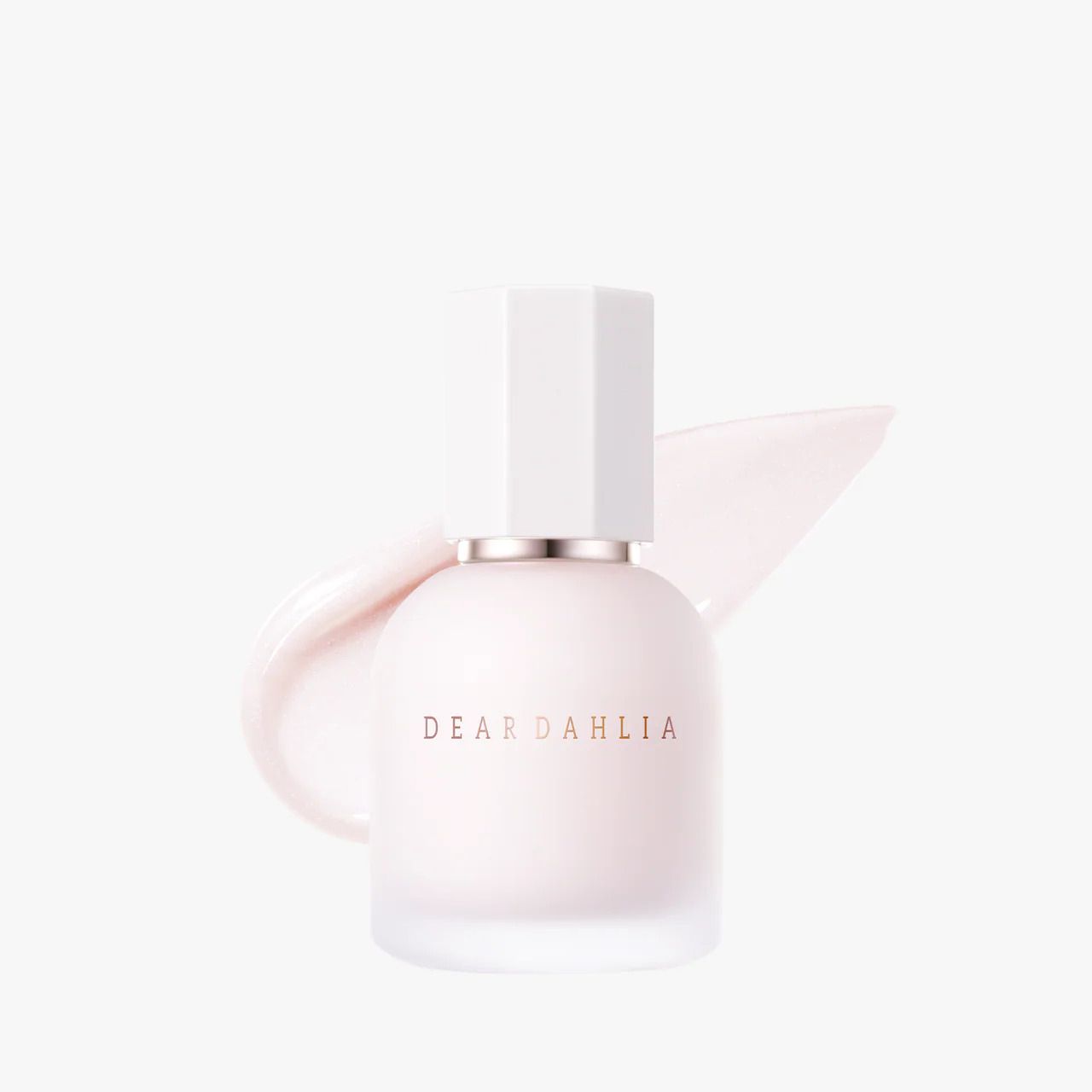
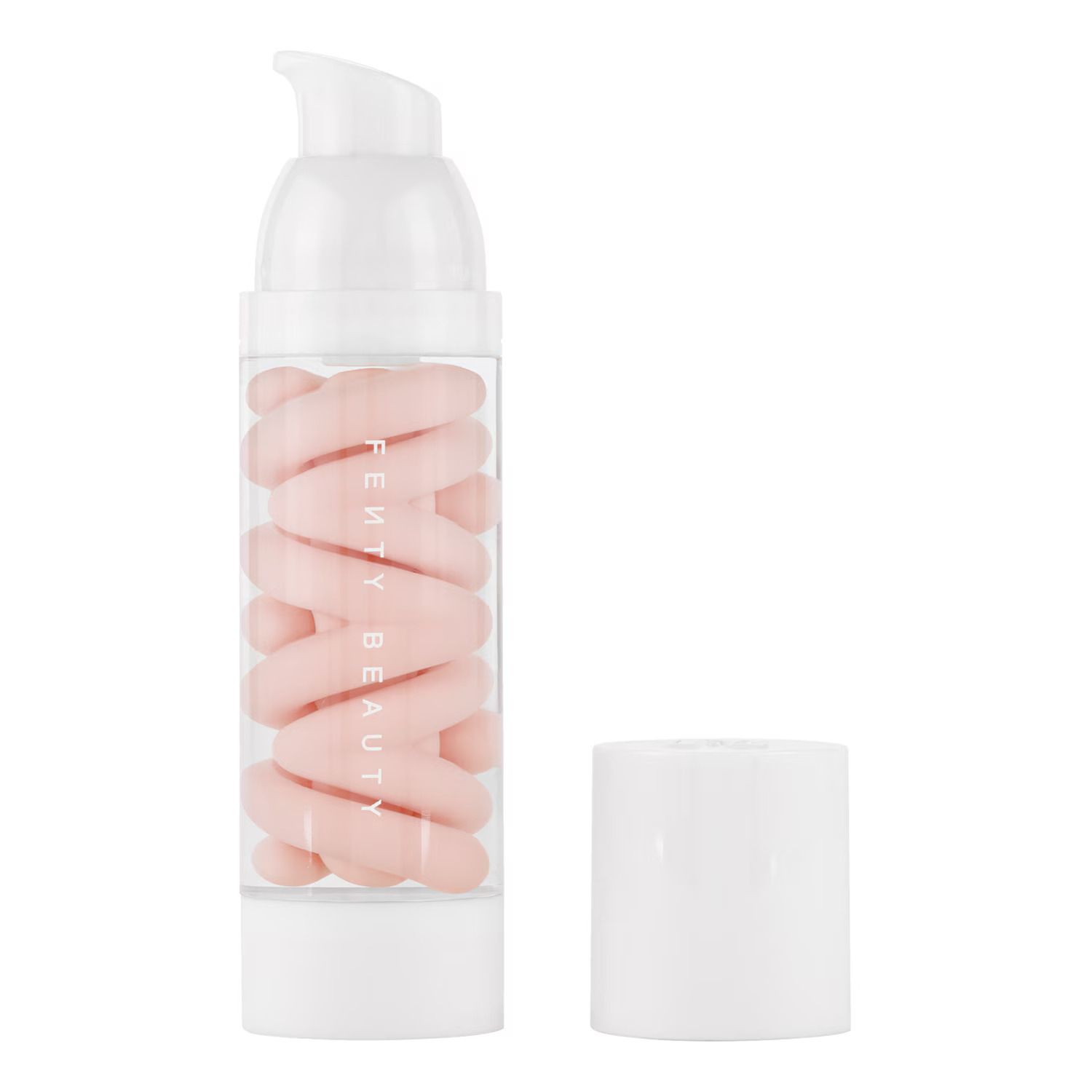
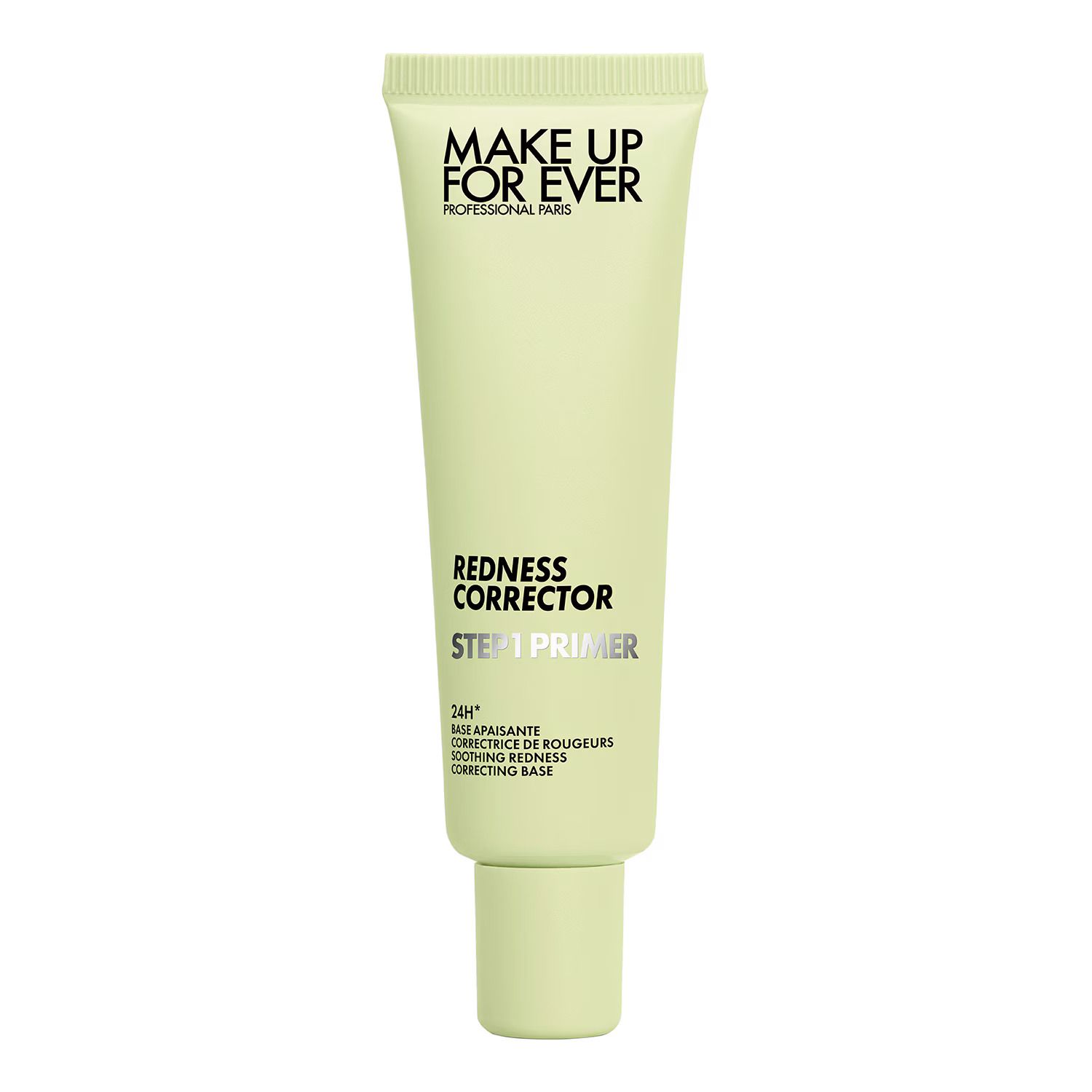
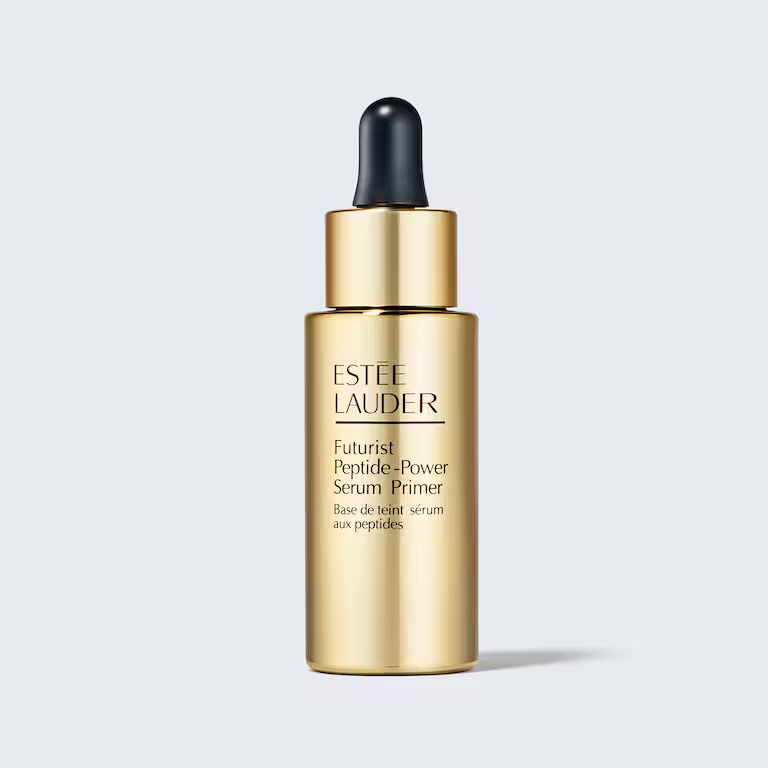
Not all primers are created equal, and picking the right one can make a real difference. Illuminating primers, the current favorites, are perfect for dull or tired-looking skin: they reflect light and give a natural glow. Mattifying primers are designed for combination or oily skin: they control shine and minimize the look of pores, keeping your face matte for hours. Hydrating primers are ideal for dry or dehydrated skin: they provide an extra layer of moisture, helping foundation glide on smoothly and avoiding the patchy effect that sometimes occurs on dry skin. Corrective primers tackle discoloration, redness, or spots: with green, purple, or peach pigments, they neutralize unwanted tones and even out the complexion before foundation. Plumping primers are designed for mature or textured skin: they smooth fine lines and improve skin texture. And then there are grippy primers, the ultimate allies for anyone who wants their makeup to stay flawless for hours. Acting like an invisible glue, their slightly tacky formula locks foundation, blush, and more in place.
So, do you really need it?
The truth is: it depends. Some of us get by perfectly fine with a flawless skincare routine, moisturizing and prepping the skin so that foundation and concealer glide on effortlessly, maybe finishing with other products. For others, though, primer becomes almost essential, especially for special occasions or events, because it helps achieve perfect-looking skin and keeps makeup in place. In short, primer isn’t a mandatory step every day, but it can really make a difference. Whether you choose to use it or not, the rule is always the same: know your skin and figure out what works best for you.